

Edwardian Oval Table
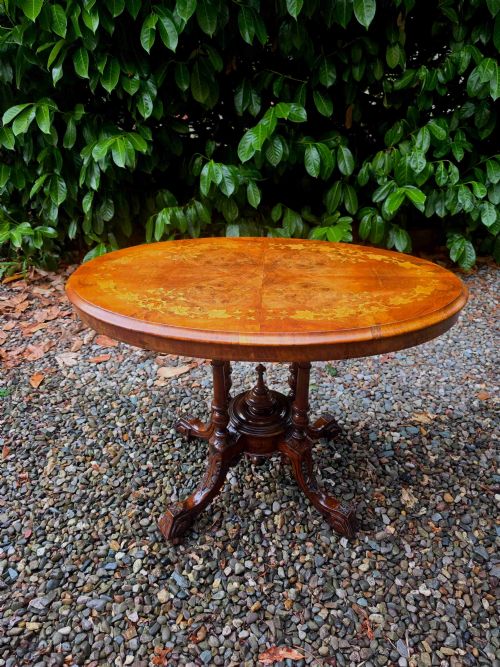
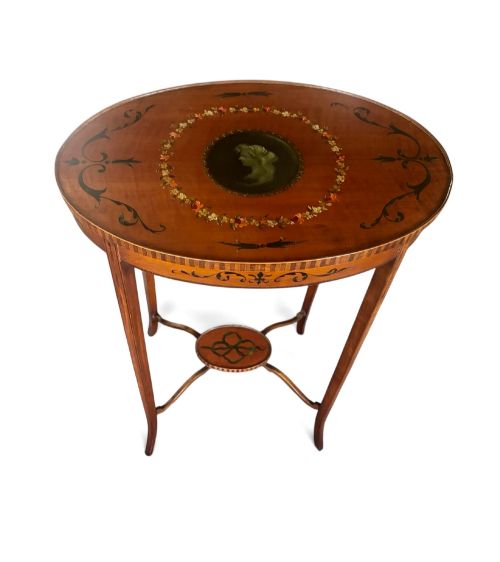
An Edwardian oval table brings lightness and refined marquetry into a room, offering a graceful curve that breaks up rigid corners.
What these pieces are
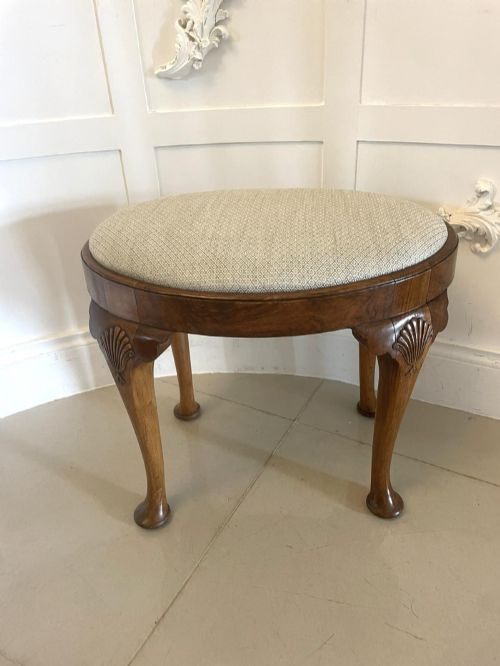
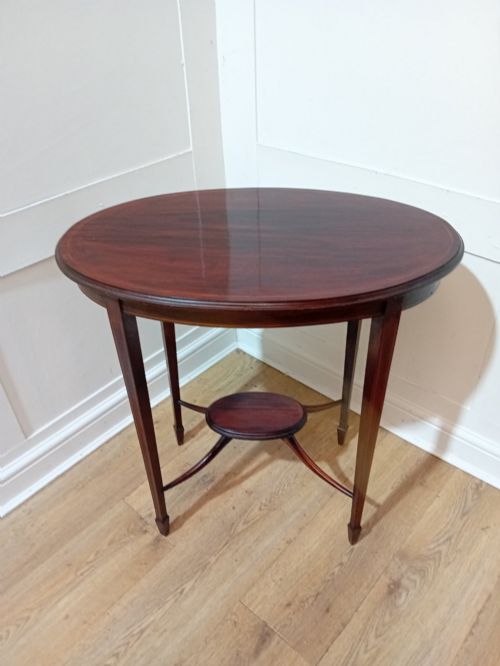
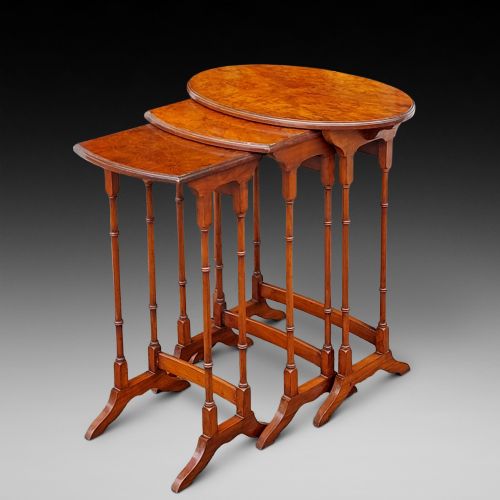
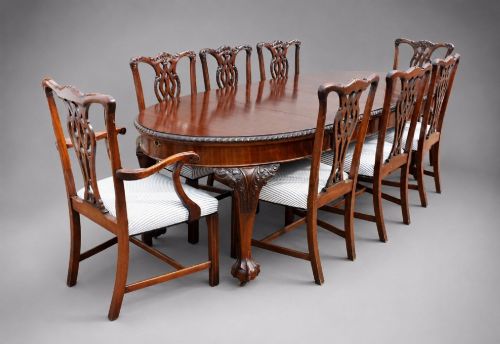
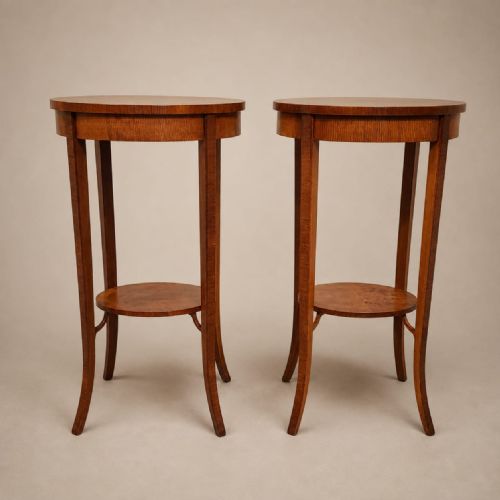
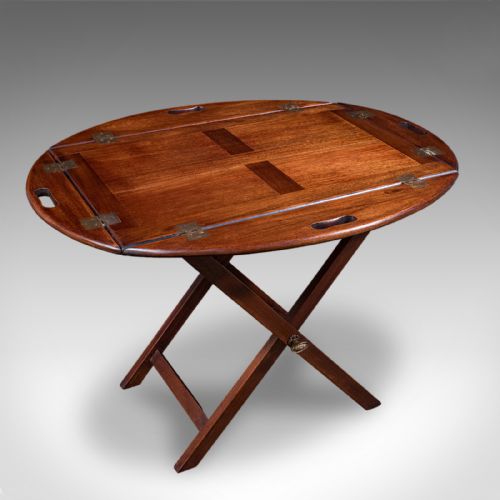
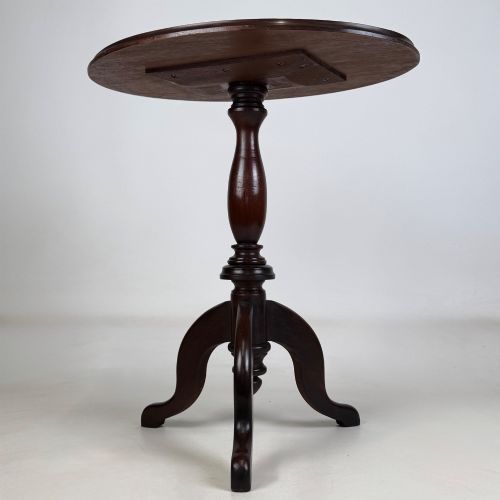
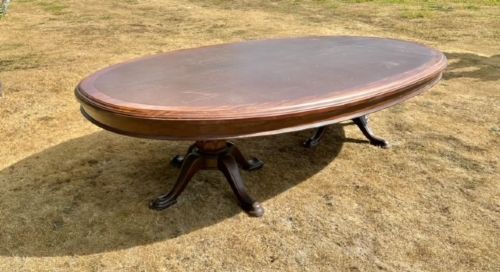
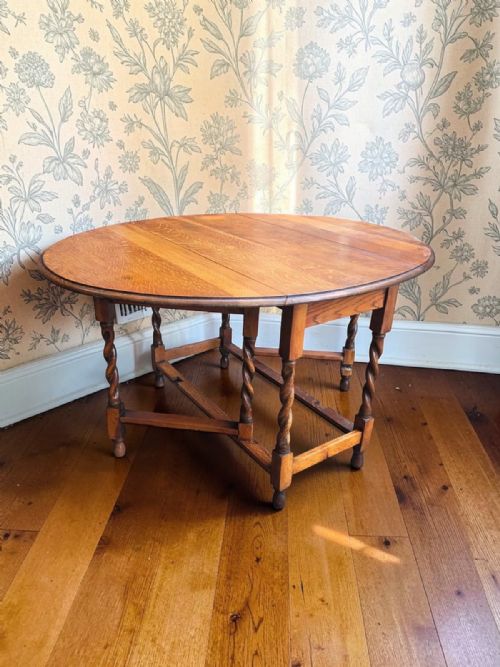
An edwardian oval table appears most frequently as a compact occasional piece, a lamp table, or a writing desk designed for parlour or drawing room use. The surviving archive also holds larger dining formats, Pembroke tables, and multitier étagères spanning the period from eighteen ninety to nineteen ten.
Makers of the period favoured satinwood and mahogany as primary timbers, frequently pairing them with contrasting stringing and classical motifs. These tables served diverse domestic functions, from holding afternoon tea to supporting stationery and small lamps.
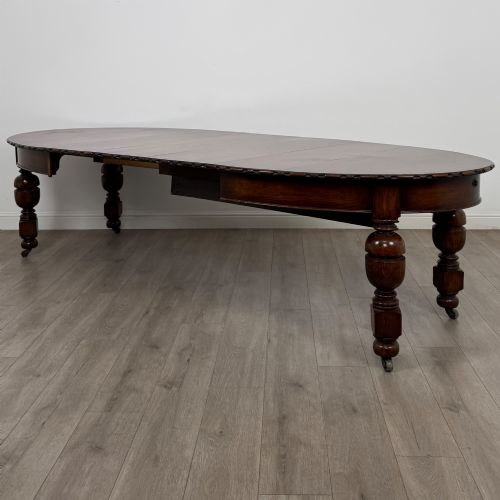
The oval format softens interior layouts while retaining the structural stability of four legs, often fitted with castors for ease of movement. Buyers encounter both simple polished timber surfaces and elaborate inlaid tops influenced by Sheraton Revival designs.
How they were made
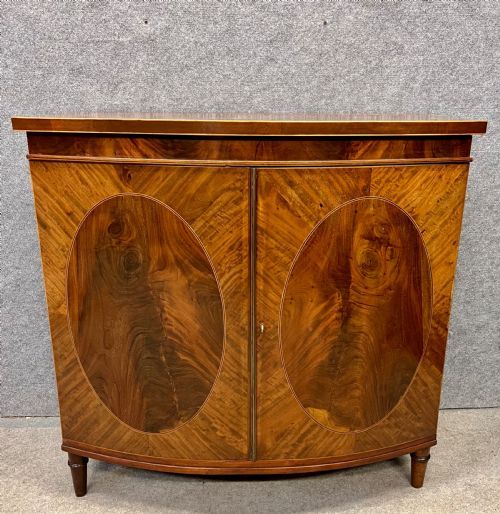
Cabinet makers constructed these tables using solid mahogany or timber veneer over a stable secondary wood. Surfaces often display careful grain selection, including figured mahogany and satinwood, combined with timber veneer to create patterned tops.
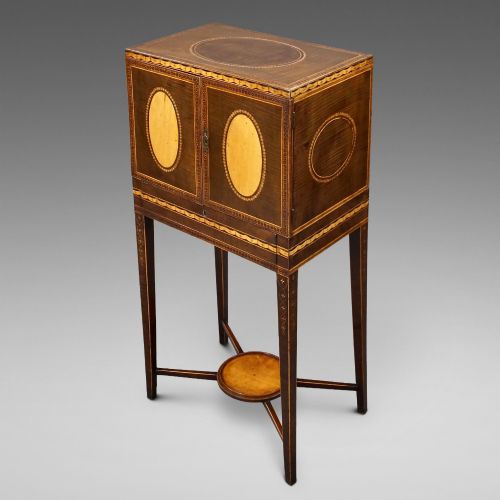
Decoration relied heavily on intricate inlay work utilising boxwood, ebony, and satinwood to form classical borders, swags, and paterae. Brass fittings, leather inserts, and glass components appear on specialised forms such as writing tables and bijouterie cases.
Retail Price Guide 2026
Typical UK retail prices for edwardian oval table, calculated from the Sellingantiques database of over a million retail prices indexed since 2003. This retail price guide relies exclusively on Sellingantiques data; no external sources or auction records are used, so the figures do not describe the wider market.
Listings feature occasional tables, writing desks, and centre tables utilising mahogany, satinwood, brass, and leather across the Edwardian era.
What varies in quality
Quality rests in the crispness of the boxwood and ebony inlay and the careful matching of timber veneers across the curved top. Finer examples display precise joinery at the rail junctions and subtle tapering in the leg design.
The presence of original brass castors, well-figured timber selection, and intact secondary tiers elevate an occasional table above standard commercial production. Simpler utility pieces rely on straightforward polish and sturdy construction without decorative stringing.
The Edwardian Oval Table Glossary
- Sheraton Revival
- A late nineteenth and early twentieth-century design movement inspired by the furniture forms of Thomas Sheraton, featuring delicate legs, satinwood, and classical inlay motifs.
- Occasional table
- A small, movable table designed for a specific secondary purpose in a principal room, such as holding books or tea.
- Stringing
- A narrow strip of contrasting wood inlaid into the surface of a piece to create decorative borders and geometric outlines.
- Étagère
- A set of open shelves arranged in tiers, designed for displaying small decorative objects or books.
- Bijouterie table
- A glass-topped display table designed to showcase small valuable items, medals, or trinkets within a lined compartment.
Frequently Asked Questions
What rooms suit an edwardian oval table?
These pieces fit naturally into living rooms, studies, or hallways where a curved edge softens the room's geometry. Their compact footprint allows them to function as lamp stands or bedside surfaces.
Larger variations, such as dining or boardroom tables, require dedicated central space to allow unobstructed movement around the curved perimeter.
How do I identify a sheraton revival piece?
Sheraton Revival pieces display characteristic neoclassical motifs, including satinwood banding, delicate taper legs, and symmetrical floral inlays. The proportion tends to be lighter and more slender than earlier Georgian furniture.
Cabinet makers during the Edwardian era adopted these eighteenth-century design principles while utilising contemporary machinery for precise veneer cutting.
Were all these tables used for dining?
Dining versions exist in the archive as large eight-seater formats, but the majority of survivors function as occasional, lamp, or writing tables. Smaller formats served specific domestic tasks like holding tea trays or needlework.
Specialised variants include etagere tables with multiple tiers and bijouterie cases with glass tops for display.
What timbers are most common?
Mahogany forms the primary structural timber for the vast majority of these tables, frequently paired with satinwood for contrast. Boxwood and ebony appear almost exclusively in the inlaid stringing and border details.
Occasional examples utilise yew or oak, though mahogany and satinwood dominate the stylistic output of the period.