
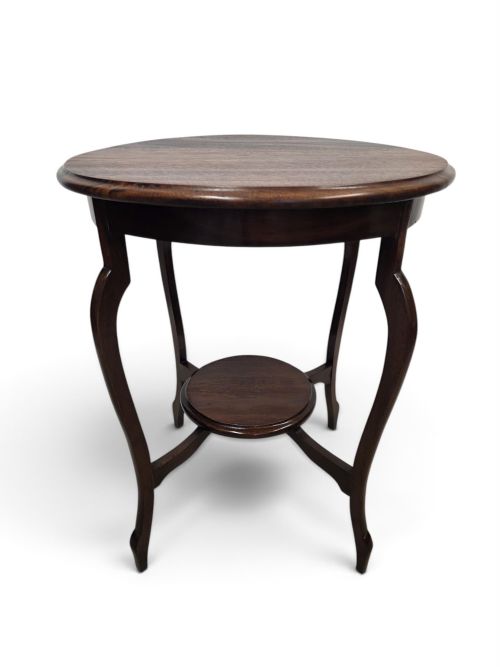


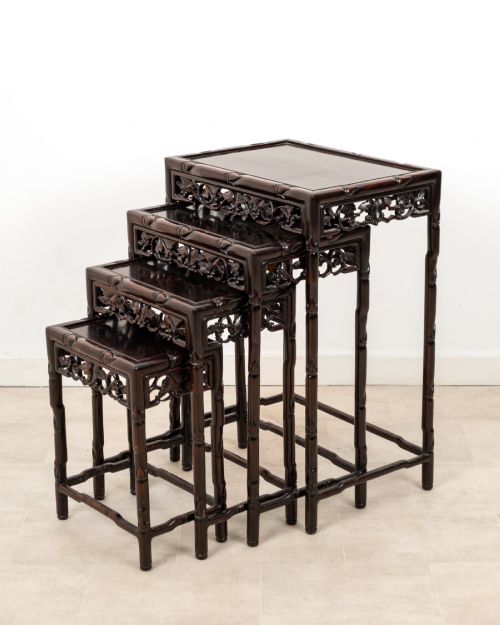
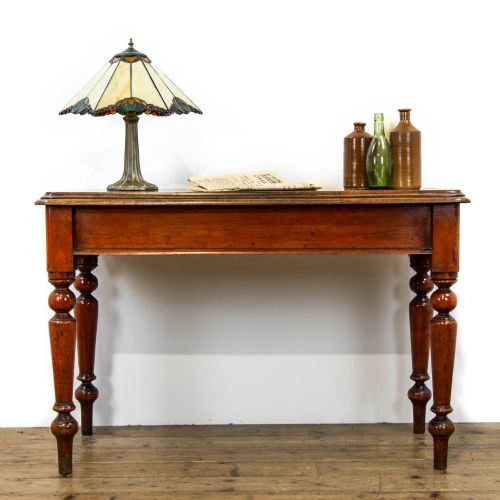
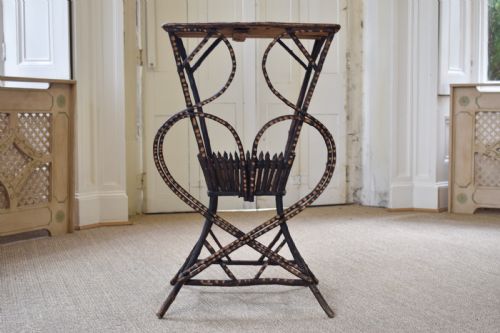
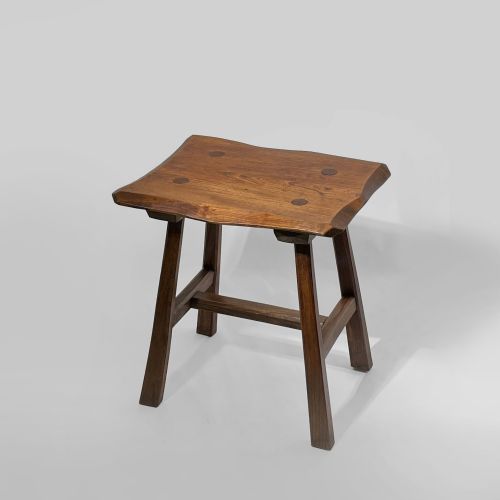
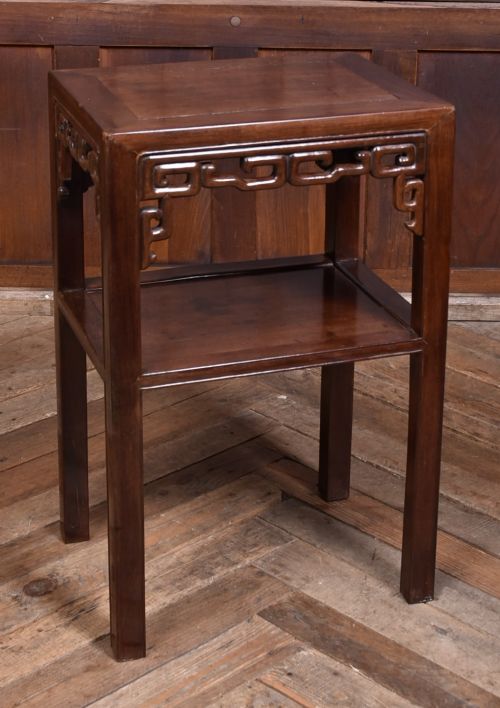
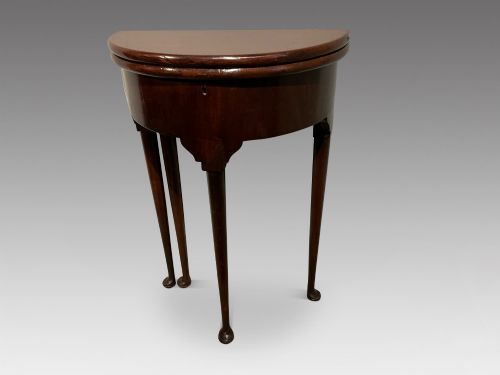
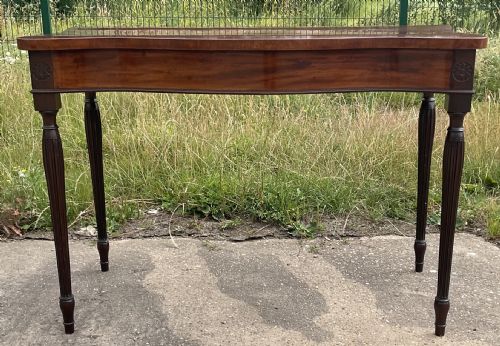
Dark Timber Side Table
A dark timber side table brings warmth and utility to a room, offering a solid surface scaled for corners and beside seating.

Dark Timber Side Table
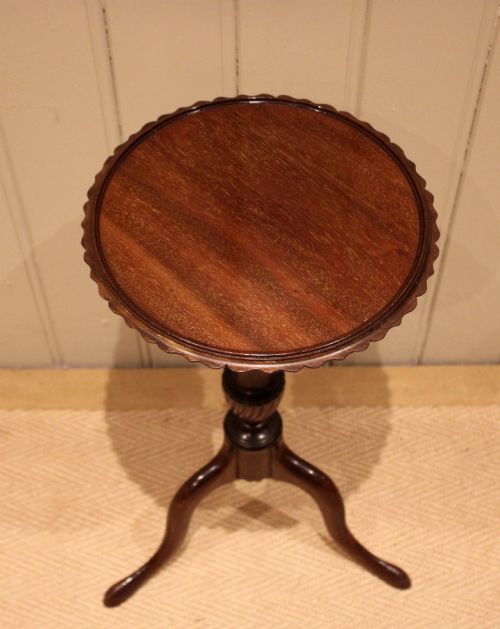
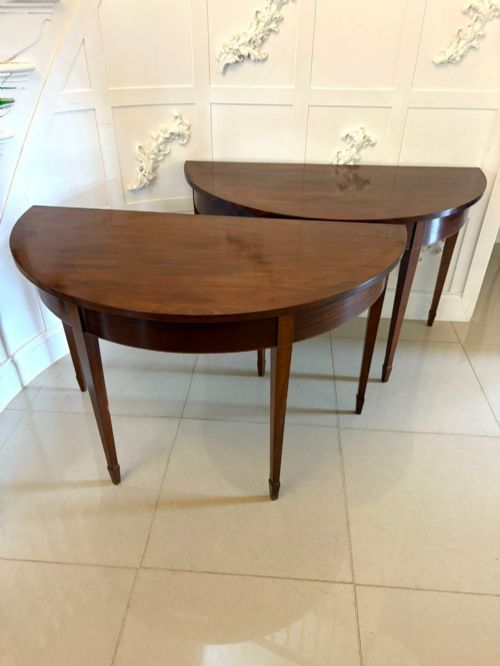
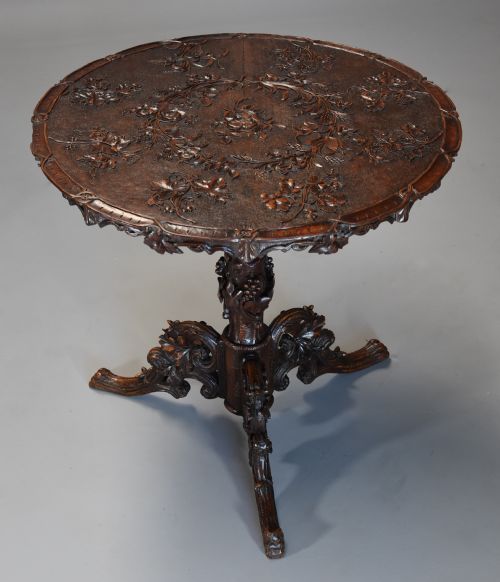
When you search for a dark timber side table, you encounter a varied selection of compact occasional furniture spanning multiple centuries and global traditions. These surfaces take many forms, from simple tripod wine tables to demilune consoles and nested sets.
The pieces on this page originate from periods ranging from the early eighteenth century through the Edwardian era and into the nineteen-thirties. Mahogany, oak, rosewood, and hardwood dominate the selection, often shaped into specific serving, bedside, or display roles.
How they were made
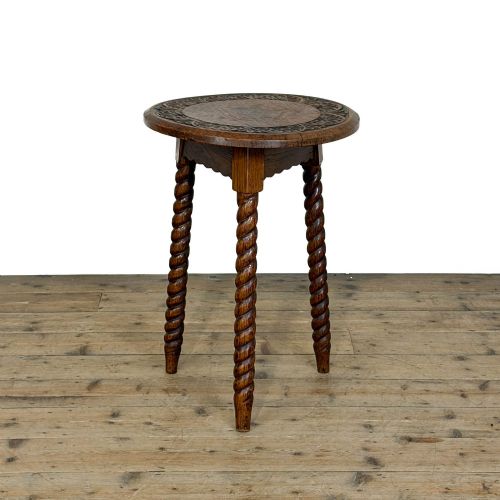
Cabinetmakers utilised dense woods such as mahogany, oak, walnut, and rosewood, chosen for their durability and rich natural grain patterns. Construction methods include traditional joinery, turned supports, and occasionally carved ornamentation.
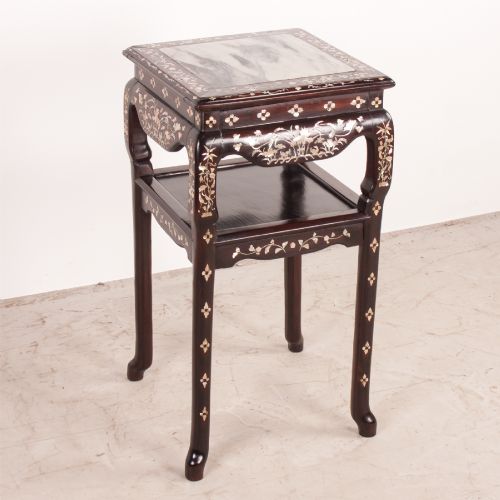
Surface embellishment varies from simple polished finishes to mother-of-pearl inlay and detailed manual carving found in Chinese, Anglo-Indian, and European examples.
Dark Timber Side Table Retail Price Guide 2026
Typical asking prices for dark timber side table among the pieces listed under this phrase on Sellingantiques today, from the lower quarter to the upper quarter. They describe what is for sale here now, not the wider market.
Listings feature woods such as mahogany, oak, rosewood, and elm spanning the Georgian, Victorian, and Edwardian periods.
What varies in quality
Quality rests in the selection of the timber grain, the precision of the joinery, and the crispness of any carved detail. Superior examples display thoughtful proportions and stable construction without excessive structural intervention.
Simpler rustic or primitive pieces rely on charm and honest utility, whereas formal console and occasional tables demonstrate refined cabinetmaking traditions and selected figured veneers.
Liberty of London
The Dark Timber Side Table Glossary
- Demilune
- Half-moon shaped, commonly describing console tables designed to sit flush against a wall.
- Lowboy
- A small eighteenth-century table featuring one or more drawers, often utilised as a dressing or side table.
- Occasional table
- A versatile small table intended to be moved and used as needed around a room.
- Tripod table
- A small circular table supported by a central pillar resting on three spreading feet.
Dark Timber Side Table: Frequently Asked Questions
Where should I place a dark timber side table?
These compact tables fit naturally beside armchairs, sofas, or beds, providing a convenient surface for lamps, books, or drinks.
They also serve well in hallways as console surfaces or in corners holding plants and decorative objects.
How do I care for antique mahogany and oak?
Dust the timber regularly with a soft, dry cloth and avoid placing the table in direct sunlight or near heat sources.
Apply a traditional beeswax polish occasionally to nourish the wood and maintain its natural lustre.
What is the difference between an occasional table and a console table?
Occasional tables are typically freestanding and movable, designed to serve multiple functions around the living space.
Console tables are generally longer and narrower, shaped specifically to stand against a wall.
How can I tell an eighteenth-century table from a later reproduction?
Early pieces show construction marks, hand-cut joinery, and natural wear consistent with age across the timber surfaces.
Examining the underside and drawer linings reveals the hand tools and methods utilised by period makers.