



French Rococo Pedestal
When you search for a french rococo pedestal, you enter a world of ornate giltwood, marble tops and exuberant nineteenth-century curves.
French Rococo Pedestal
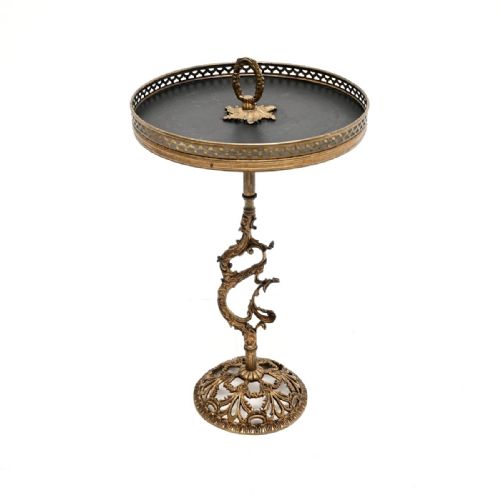
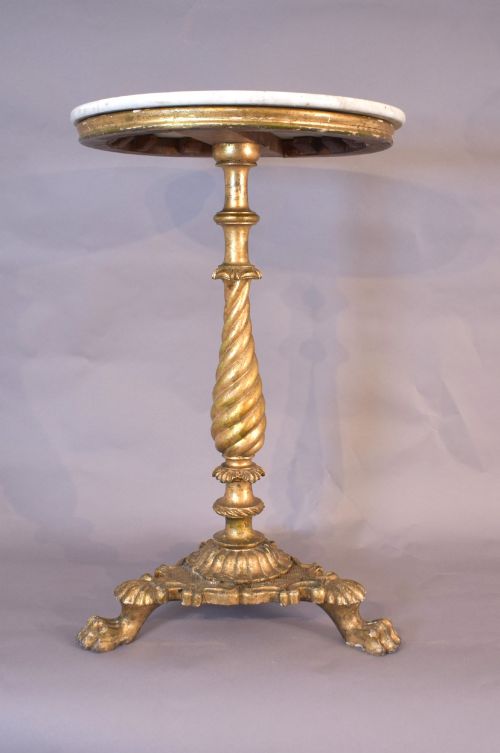
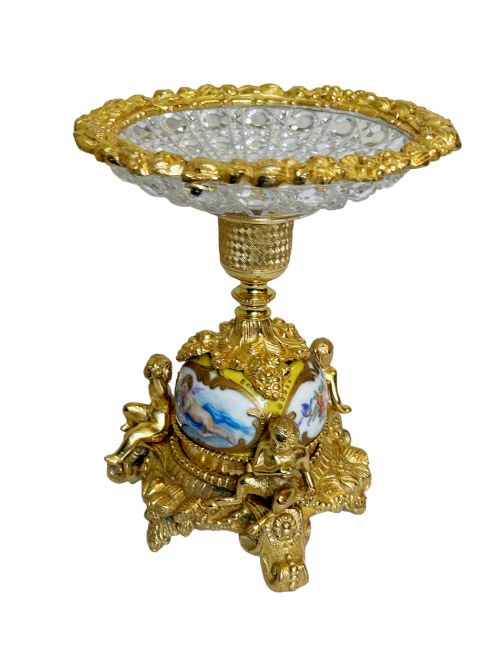
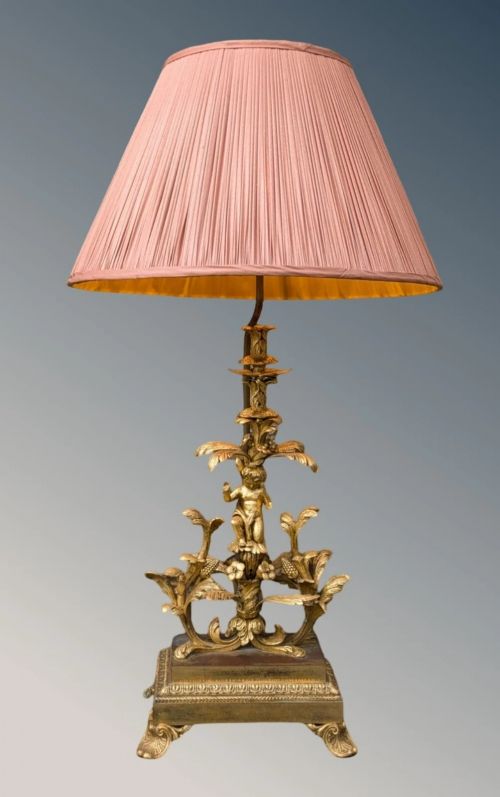
A french rococo pedestal brings dramatic nineteenth-century sculptural presence to a room, functioning primarily to elevate sculptures, vases or lamps. The examples appearing under this search phrase span the eighteenth century through to the 1930s, embracing styles such as Rococo Revival, Louis XV and French Chateau.
Buyers meet varied forms including triform stands, torchaired columns and marble-topped occasional pieces. Walnut, kingwood and giltwood dominate the selection, frequently paired with ormolu mounts and marble surfaces.
Materials and construction
Cabinetmakers utilised hardwoods like walnut and kingwood as foundations, frequently applying intricate gesso or gilt bronze ornamentation. Ormolu mounts and cast brass elements provide the characteristic metallic sheen associated with the style.
Surface treatments range from vernis martin varnishes to elaborate giltwood carving. Marble and onyx inserts supply heavy, contrasting tops capable of supporting substantial ornamental objects.
French Rococo Pedestal Retail Price Guide 2026
Typical asking prices for french rococo pedestal among the pieces listed under this phrase on Sellingantiques today, from the lower quarter to the upper quarter. They describe what is for sale here now, not the wider market.
One unexpected motor-inspired stand bridges French cabinetmaking and British automotive history under a single intriguing heading.
Assessing quality and craftsmanship
The distinction between tiers rests upon the crispness of the wood carving and the weight of the cast bronze or ormolu mounts. Finer pieces demonstrate meticulous hand-chasing on metal elements and seamless marquetry inlay on kingwood surfaces.
Structural integrity of the triform base or column support dictates durability, whilst the selection of figured marble indicates higher workshop ambition during production.
Zwiener Jansen Sucesseur
The French Rococo Pedestal Glossary
- Ormolu
- Gilt bronze mounts applied to furniture and decorative objects. This technique involves an amalgam of gold applied to heated brass or bronze.
- Giltwood
- Timber coated with a thin layer of gold leaf. It creates a brilliant reflective surface popular in ornate eighteenth and nineteenth-century interiors.
- Kingwood
- A dense, richly figured exotic timber utilised in fine cabinetmaking. Its distinct grain patterns suit decorative occasional tables and stands.
- Torchaire
- A tall, slender stand designed to hold a light source or decorative object. These vertical pieces often feature elaborate gesso and carved wood decoration.
- Vernis Martin
- A type of decorative lacquer finish developed in France. It imitates Asian lacquer work with translucent layers applied over painted surfaces.
French Rococo Pedestal: Frequently Asked Questions
What is a french rococo pedestal used for?
These pieces serve primarily as elevated display surfaces for heavy decorative items like bronze sculptures, porcelain vases or lamps. They bring height and architectural interest to corners or empty wall spaces within a room.
In period interiors, they functioned to showcase prized possessions at eye level. Today, they continue this role while adding distinct nineteenth-century character to domestic spaces.
How do I care for the marble top?
Marble surfaces require gentle cleaning with warm water and a soft cloth to avoid scratching the polished stone. Acidic substances like wine or citrus should be wiped away immediately to prevent staining.
Applying a neutral stone wax periodically helps maintain the sheen. Avoid placing abrasive or heavy unpadded ceramic objects directly onto the antique marble.
How can I tell a nineteenth-century piece from an eighteenth-century original?
Distinguishing periods relies heavily on examining tool marks, timber shrinkage and construction methods hidden beneath the surface. Eighteenth-century examples display hand-cut joinery and aged patination unique to early workshops.
Nineteenth-century revivals often utilise machine-sawn elements alongside hand-finishing. Comparing the density of the wood and the casting quality of the ormolu provides further chronological clues.
Where should I place a pedestal in a modern room?
A tall stand works effectively in an empty corner, framing a doorway or anchoring a pair of curtains. It draws the eye upward, making it ideal for highlighting a single striking sculpture or lamp.
Because these pieces feature detailed carving from multiple angles, placing them where they receive side lighting enhances the depth of the giltwood and ormolu mounts.