


Oak Sculpture Stand
An oak sculpture stand is a sturdy display piece designed to elevate and frame three-dimensional art, built to last for generations.
Oak Sculpture Stand
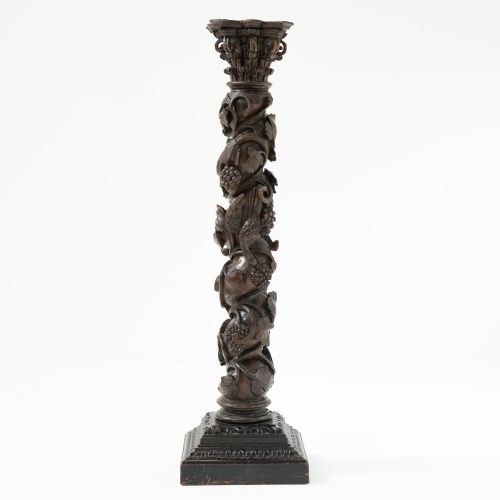
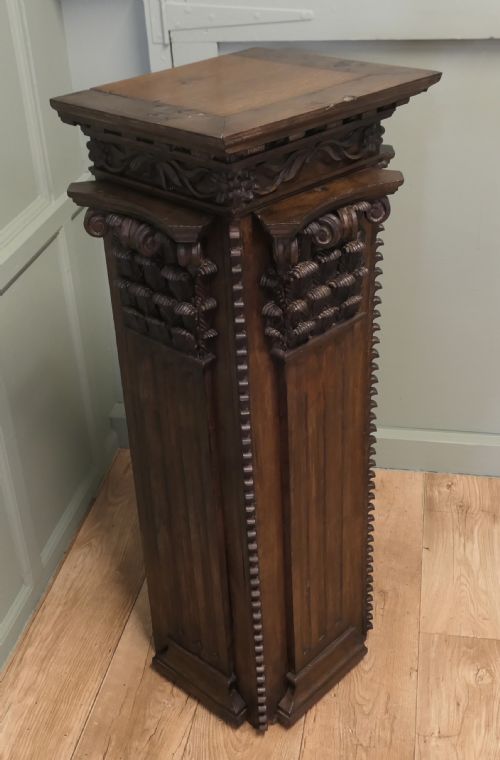
When you search for an oak sculpture stand, you encounter a specialised form of furniture designed to elevate artistic works within a domestic or ecclesiastical interior. These sturdy platforms appear in various configurations, including classical columns, turned spiral pillars, and functional pedestals intended to support heavy figures or busts.
The pieces on this page span several distinct eras, stretching from sixteenth-century ecclesiastical fragments to eighteenth-century Baroque columns and late nineteenth-century rustic creations. You will frequently find architectural forms like the Solomonic pedestal column alongside display pedestals, lecterns depicting eagles, and elaborate hall stands featuring carved bears.
Originating from British, French, and Italian workshops, these items serve both utilitarian and decorative purposes. Whether supporting a religious figure or displaying a modern bronze, the right stand provides structural stability while enhancing the visual impact of the sculpture placed upon it.
Materials and construction methods
The primary material across these pieces is solid oak, chosen historically for its exceptional strength and ability to support heavy loads without warping. Craftsmen carved this dense timber directly, employing hand chisels to create deep relief decoration, spiralling columns, and intricate animal forms.
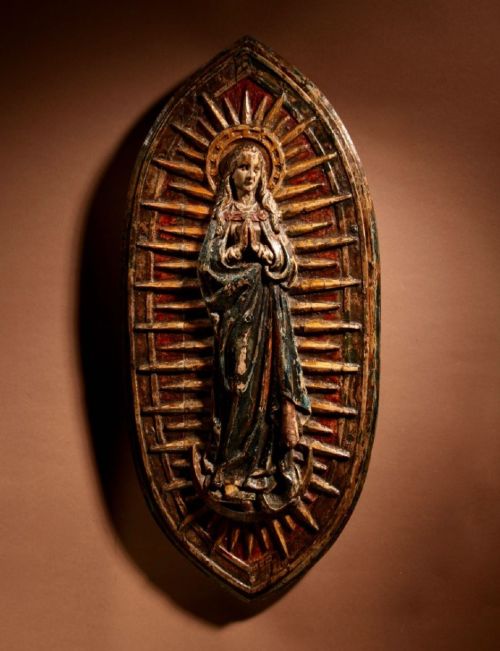
Surface decoration frequently extends beyond plain timber to include polychrome paint, gesso, and gold leaf or gilt finishes. These applied layers add colour and historical depth, particularly on religious panels and altarpiece fragments originating from earlier centuries.
A magnificent exhibition quality Black Forest bear stands ready to hold your coats and hats.
Distinctions in craftsmanship and design
Quality in an oak sculpture stand reveals itself in the depth and precision of the carving rather than mere decorative application. Superior examples display crisp architectural proportions and masterfully executed details, such as the feathers on an eagle lectern or the precise twist of a spiral pillar.
The integration of the material dictates the piece's long-term stability and visual harmony. Master carvers worked with the natural grain of the oak to ensure structural integrity, whereas lesser examples rely on surface embellishments to conceal ordinary timber selection.
The Oak Sculpture Stand Glossary
- Solomonic pedestal column
- A column characterised by a helical or spiral shaft resembling a corkscrew. This dynamic form originates from ancient architectural traditions and gains popularity during the Baroque period.
- Polychrome
- Decorated in multiple colours. This technique appears on carved wooden panels and religious figures to enhance visual realism and devotional impact.
- Gesso
- A plaster-like mixture applied to wood as a base for paint or gold leaf. It provides a smooth surface for detailed gilding and polychrome work.
- Lectern
- A reading desk supported by a stand, frequently carved in the form of an eagle with outstretched wings. These elevated desks serve ecclesiastical and domestic display functions.
- Gilt
- Covered thinly with gold leaf or gold paint. This finish highlights decorative carving and provides a luminous quality to architectural woodwork.
Oak Sculpture Stand: Frequently Asked Questions
What is an oak sculpture stand?
An oak sculpture stand is a sturdy timber furnishing designed specifically to elevate and display three-dimensional artwork, busts, or religious figures.
These pieces range from simple architectural columns to elaborate carved pedestals and lecterns intended to showcase artistic works.
How do I date an antique oak stand?
Dating an antique oak stand involves examining the carving style, construction joints, and surface treatments like gesso or polychrome paint.
Earlier pieces from the sixteenth and eighteenth centuries often feature distinct regional motifs and hand-cut joinery compared to later Victorian revivals.
Can these stands support heavy art?
Oak is an exceptionally dense and durable timber selected historically for its superior load-bearing capacity.
Most pedestals and columns are engineered specifically to bear significant weight safely while maintaining stability.
Where were these stands made?
The pieces originate from various European workshops, reflecting distinct regional styles such as French Renaissance Revival and Italian Baroque.
Craftsmen across Britain and continental Europe utilised native oak to construct these functional display platforms.