



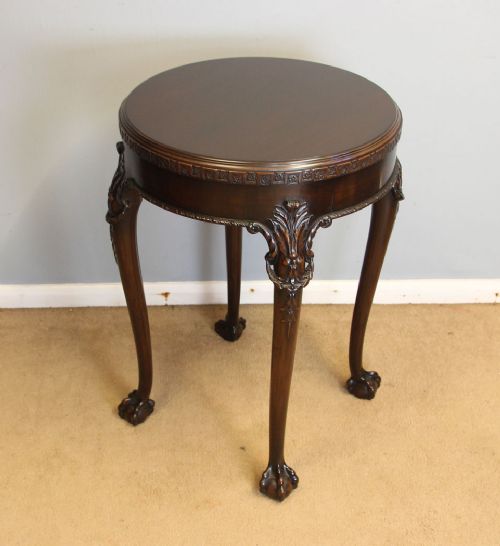
Edwardian Carved Torchere
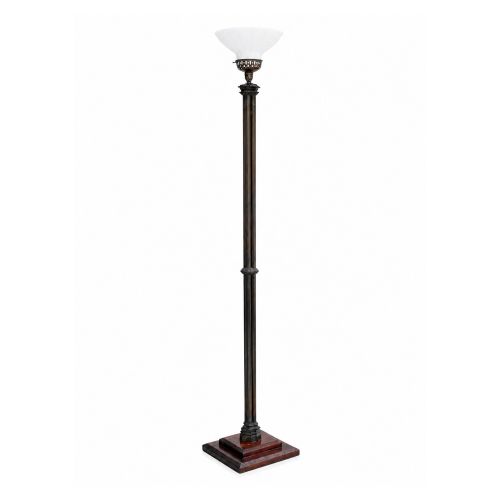
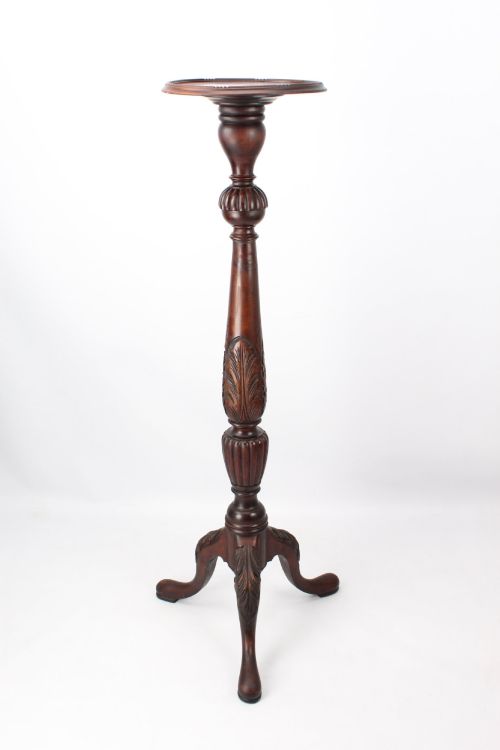
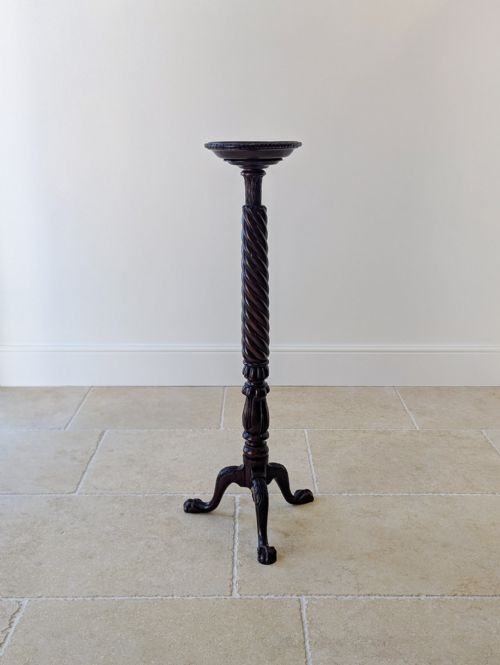
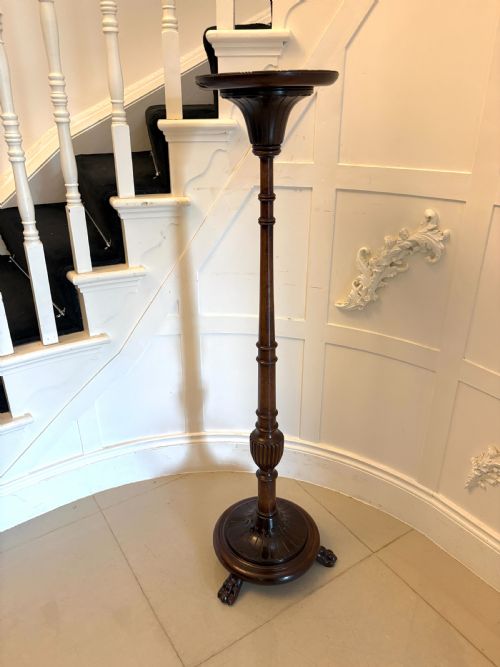
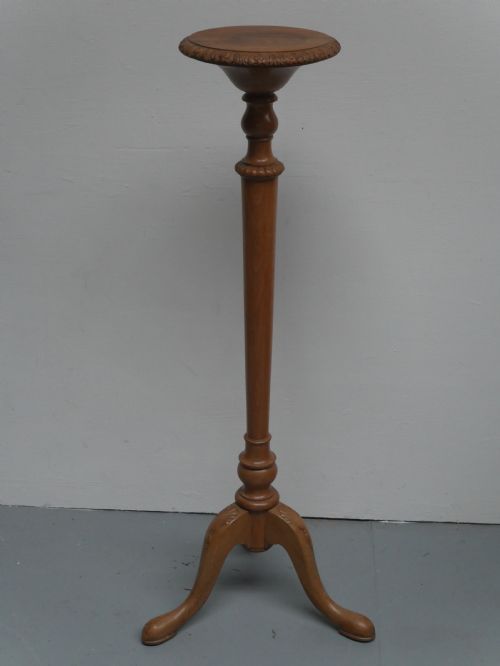
An Edwardian carved torchere is a slender display column built to elevate a plant, lamp or vase, offering upright elegance.
Edwardian Carved Torchere
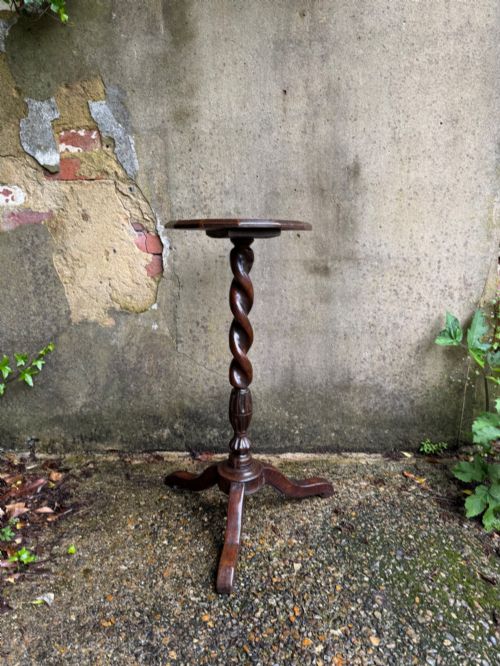
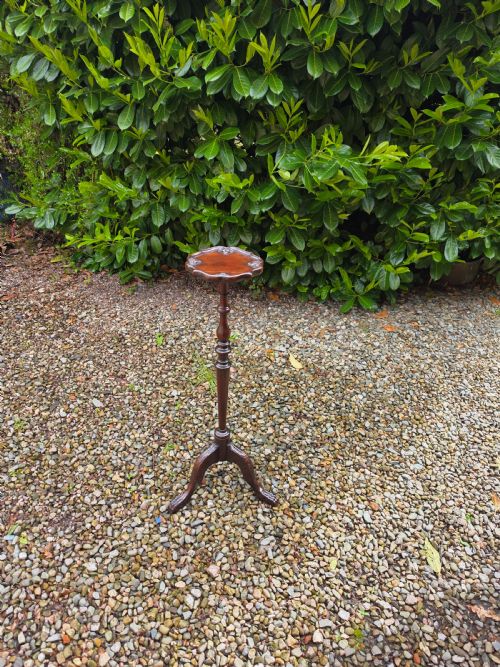
When searching for an edwardian carved torchere, you find tall, slender stands designed to elevate lamps, plants or urns within a room. The pieces on this page span several decades, featuring Edwardian examples alongside Victorian, Georgian Revival and Gothic Revival iterations.
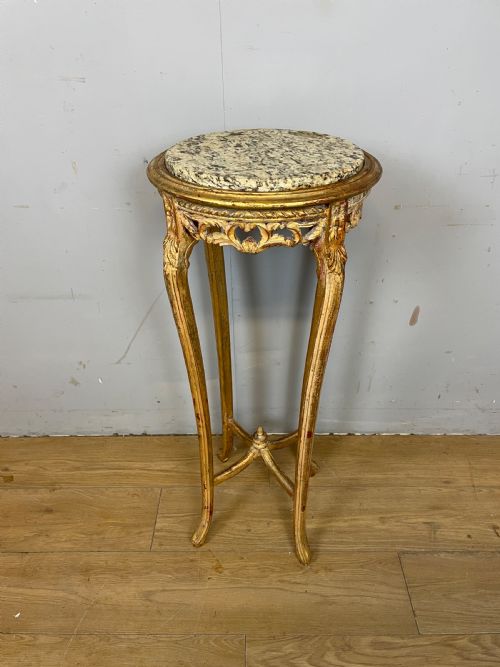
These stands take the form of tall columns, plant stands, jardiniere supports and floor lamps. Mahogany is the predominant timber found in the listings, complemented by walnut, oak and occasional giltwood with marble tops.
While Edwardian pieces form a core part of the selection, the inventory also reaches back into the nineteenth century with Victorian and earlier revival styles. Each piece serves primarily as a vertical display surface, bringing height and structural interest to interior spaces.
What varies in quality
The distinction between standard examples and finer pieces rests upon the crispness of the carving and the choice of materials. Deep, hand-chased relief work on the capitals and shafts elevates a stand above simpler turned designs.
Structural stability also marks the difference, as taller columns require substantial weight in the base to support heavy jardinieres or lamps safely. Selection of premium timber figures and integrated elements like inset marble tops further separate the higher tier from everyday utility pieces.
The listings feature timbers spanning mahogany, oak, walnut and hardwood, alongside variants topped with marble and brass.
The Edwardian Carved Torchere Glossary
- Torchere
- A tall, slender stand originally designed to hold a candle or torch, later adapted for lamps and plants. These pieces are characterised by their elevated height and compact footprint.
- Jardiniere
- An ornamental pot or stand for holding plants and flowers, often integrated into the design of tall pedestals. They bring botanical display to eye level within a room.
- Giltwood
- Wood that has been treated with a thin layer of gold leaf or gilt paint. This finish appears on decorative stands to add reflective brightness.
- Spiral Pillar
- A column carved with a twisting, corkscrew motif running down the shaft. This technique adds dynamic movement to vertical supports.
- Neo-classical Revival
- A style drawing upon the classical architecture and motifs of ancient Greece and Rome. Pieces in this idiom feature restrained ornamentation and symmetrical proportions.
Edwardian Carved Torchere: Frequently Asked Questions
What is a torchere used for?
A torchere serves primarily as a decorative display pedestal to elevate plants, lamps, urns or sculptural objects. They occupy minimal floor space while drawing the eye upward.
In period interiors, they functioned as accent furniture to brighten dark corners when paired with lighting or to showcase prized botanical specimens.
How do I tell Edwardian from Victorian?
Edwardian stands generally display lighter proportions, simpler lines and brighter mahogany tones influenced by eighteenth-century revivals. Victorian pieces often lean towards heavier timber sections, darker finishes and denser ornamentation.
Looking at the carving depth and secondary woods helps clarify the period of manufacture.
Where should I place a tall stand?
These slender stands fit well in empty corners, flanking doorways, or standing beside larger pieces of upholstery to break up vertical lines. Their narrow footprint allows them to occupy awkward spaces.
Ensure the location provides enough clearance so the stand cannot be easily knocked over, especially when holding fragile items.
Are pairs common for these stands?
Matching pairs do appear among the listings, often used symmetrically to frame a fireplace, window or entryway. Single stands are more frequently encountered.
Pairs offer a formal balance that individual columns cannot provide in a room layout.