


Dark Oak Torchere
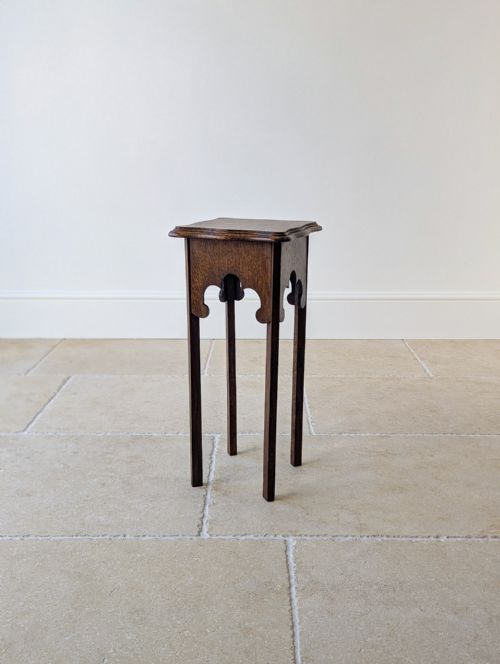
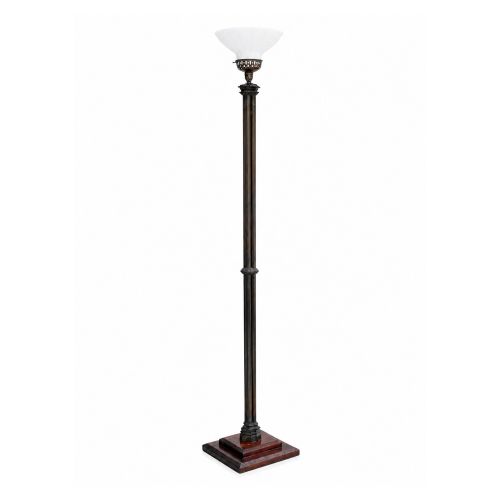
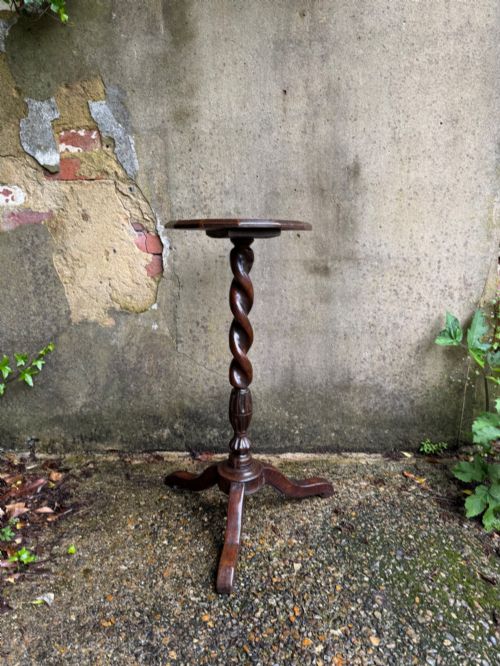
These dark oak torchere pieces bring vertical presence and historic timber into a room, offering a sturdy perch for plants or illumination.
Dark Oak Torchere
When you search for a dark oak torchere, you are looking at tall, slender stands designed to elevate a candle, lamp or plant. The examples gathered here span centuries of British craftsmanship, stretching from the eighteenth century through the nineteenth century and into the Edwardian era.
You will most commonly meet plant stands, candle stands and floor lamps sharing this dark timber vocabulary. Their forms range from simple turned shafts to carved caryatid pedestals and geometric Jacobean revival shapes.
How they were made
Makers fashioned these tall stands primarily from solid oak and burr oak, sometimes incorporating supporting elements of metal and glass. Woodworkers shaped the heavy timber using traditional turning, joining and carving techniques suited to creating a stable vertical column.
The decorative vocabulary relies heavily on period revivals, utilising Gothic, Georgian and Arts and Crafts design motifs. Carvers worked directly into the hardwood to produce figures like caryatids or crisp linenfold and strapwork details.
The designs recorded here range across Georgian, Arts and Crafts, Gothic Revival, Chippendale Style and Renaissance Revival aesthetics.
What varies in quality
The distinction between ordinary utility pieces and exceptional examples rests in the ambition of the carving and the choice of timber. Burr oak surfaces and sculptural elements like carved caryatids elevate a piece far above a plain turned shaft.
Proportion and structural integrity dictate the standing of a pedestal, as slender forms require careful balancing to remain stable over centuries. The crispness of period detailing, whether Gothic revival or Chippendale style, shows the hand of a more accomplished workshop.
The Dark Oak Torchere Glossary
- Torchere
- A tall ornamental stand originally designed to carry a torch or candle. Modern versions frequently serve to support table lamps or trailing plants.
- Caryatid
- A carved human figure acting as an architectural support in place of a column or pier. In these pieces, the figure forms the upright shaft of the stand.
- Burr oak
- A timber growth exhibiting intricate, swirled grain patterns highly prized by cabinetmakers. It provides a decorative surface texture on tabletops and shafts.
Dark Oak Torchere: Frequently Asked Questions
What is a dark oak torchere used for?
These tall stands provide an elevated surface for displaying potted plants, small lamps or decorative objects in a corner or hallway. Their narrow footprint allows them to occupy minimal floor space while drawing the eye upward.
Historically, similar tall furniture held candles or torches to light dark rooms. Today, they function primarily as accent furniture that introduces historic character and vertical interest to an interior.
How do I tell an 18th century torchere from a later revival piece?
Early pieces from the eighteenth century often display hand-turned construction marks, pegged joints and timber patination acquired over generations of use. The joinery and timber movement patterns differ visibly from factory-produced items.
Nineteenth-century revival pieces, such as those made in the Gothic or Jacobean style, tend to use heavier machine assistance alongside hand carving. Examining the underside, the base fixings and the wear around the feet helps clarify the age.
Where should I place a torchere in my home?
A torchere suits empty corners, deep window recesses or flanking spaces beside larger pieces of seating furniture. Because they are tall and relatively narrow, placing them out of major traffic routes prevents accidental tipping.
Pairing a plant stand with trailing foliage or setting a heavy brass lamp upon the top surface balances the verticality of the piece. Ensure the floor beneath is level to maintain stability on antique timber bases.
Are plant stands and candle stands the same thing?
While plant stands and candle stands share a similar tall, slender form, their tops often reflect their original intended loads. Candle stands typically feature smaller platforms suited to sticks or small lamps.
Plant stands may possess broader or slightly recessed tops to accommodate drainage saucers and pots. Over the centuries, owners frequently repurposed these stands interchangeably according to domestic needs.