

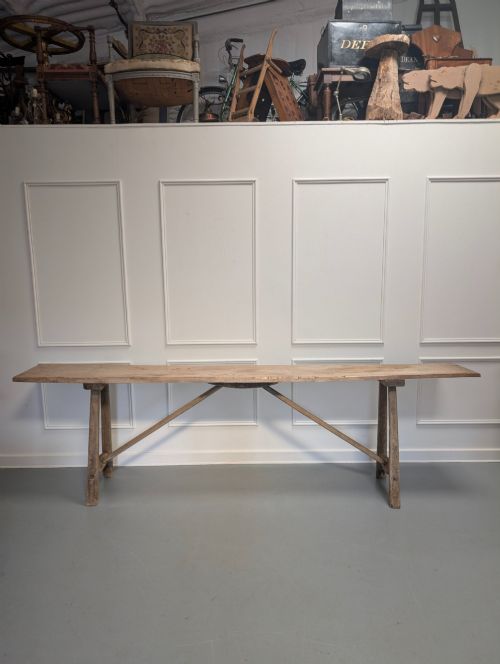
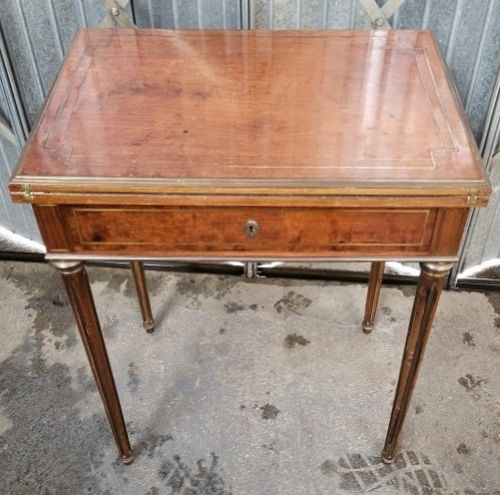
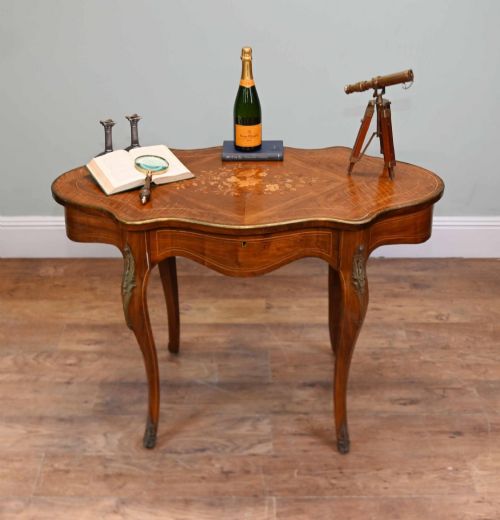
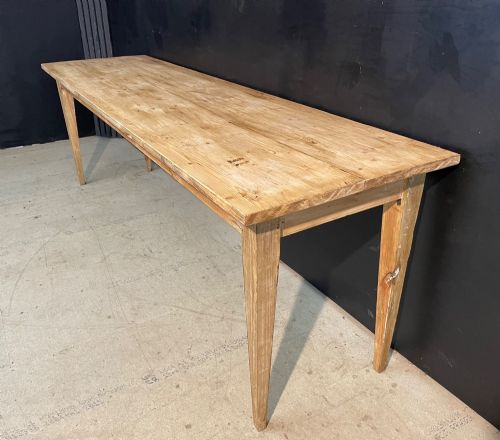
19th Century French Console
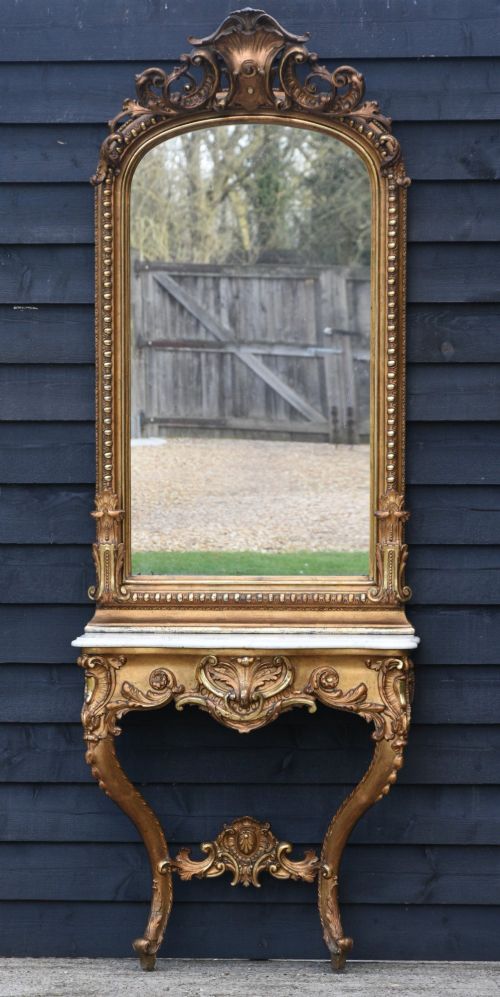
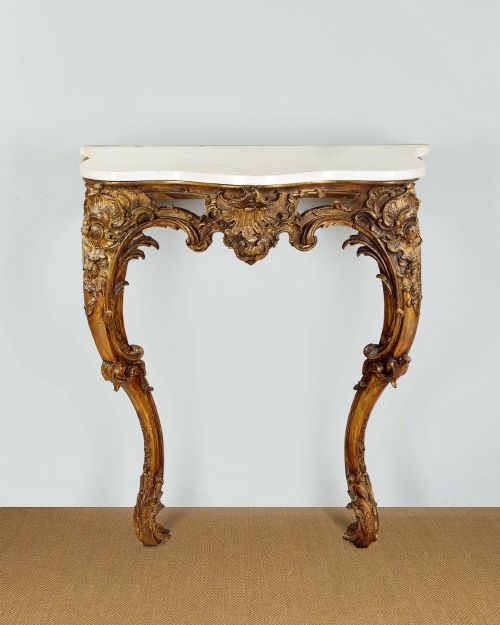
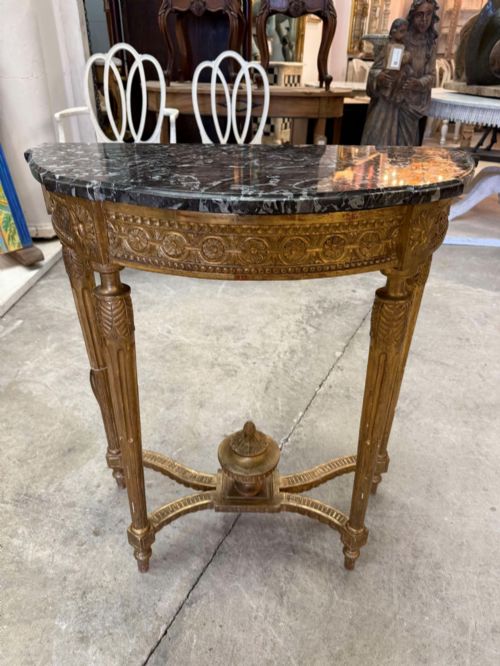
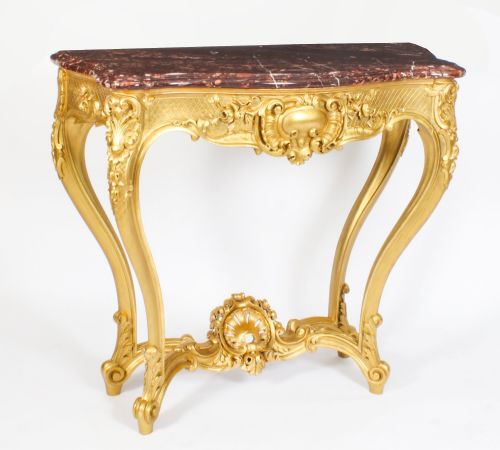
When shopping for a 19th century french console, you encounter sculptural giltwood frames and cool marble slabs designed to anchor a formal interior.
19th Century French Console
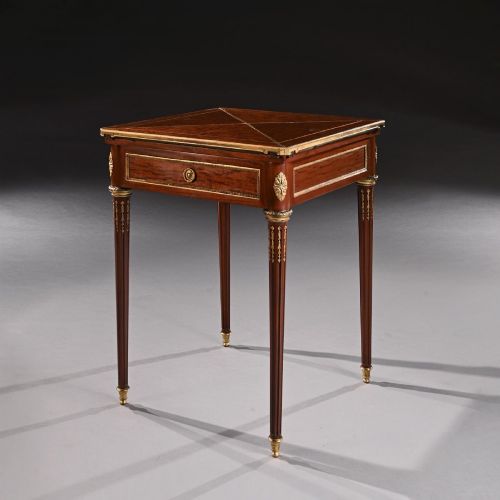
A 19th century french console typically presents as a wall-mounted or freestanding table designed for a hallway, salon or pier space between windows. The evidence shows these pieces span forms such as serving tables, card tables, and side tables alongside traditional console tables.
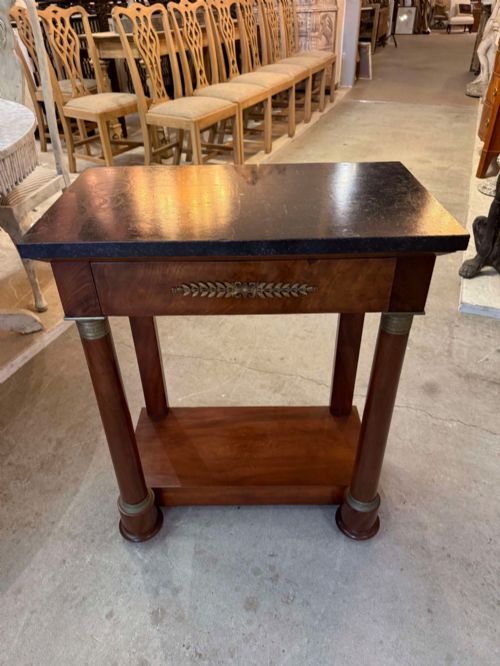
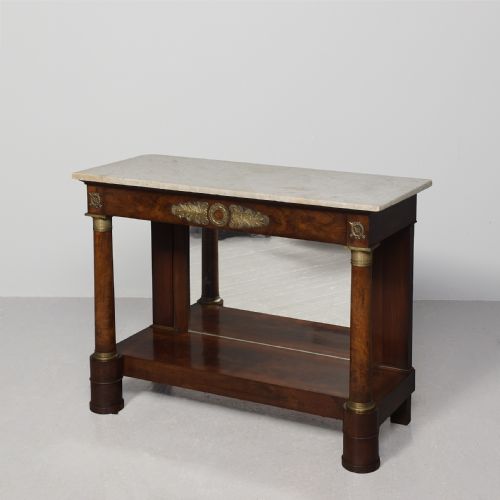
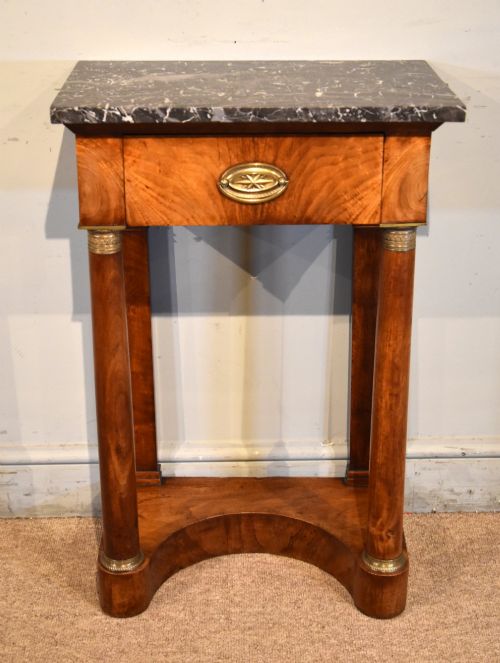
Makers and cabinetmakers of the period worked within stylistic revivals ranging from French Empire and Charles X to Louis XV and Rococo Revival. Walnut, mahogany, and giltwood dominate the structural forms, frequently paired with fitted marble tops.
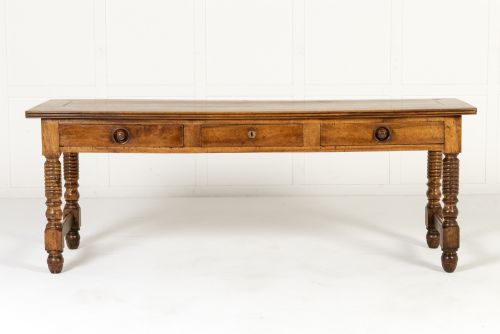
Many survivors retain their original association with tall gilt wall mirrors designed to hang directly above the console base. The selection also includes provincial oak, pine, and painted utility pieces functioning as console tables in domestic settings.
Materials and Techniques
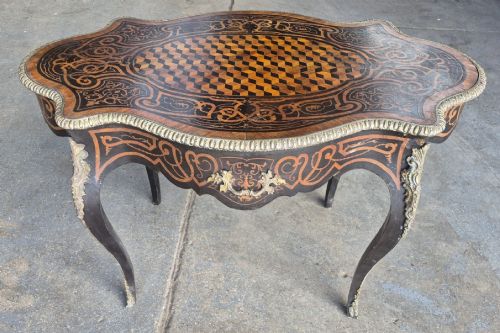
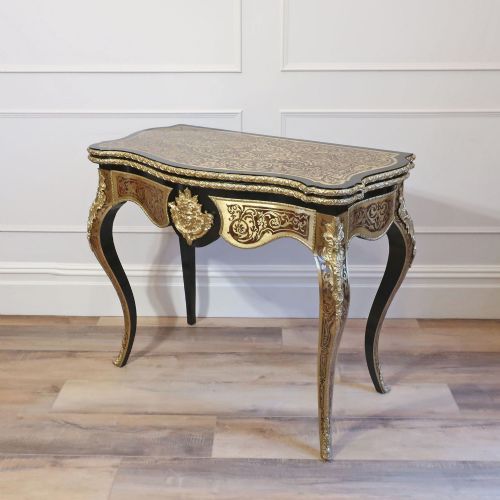
Cabinetmakers utilised dense timbers like mahogany, walnut, and kingwood as carcase foundations, often applying intricate marquetry, satinwood crossbanding, or brass and tortoise-shell boulle inlay across the surface.
Giltwood and gesso surfaces required meticulous carving on pine or hardwood before the application of gold leaf, while bronze and ormolu mounts were cast and chased to accent corners and aprons.
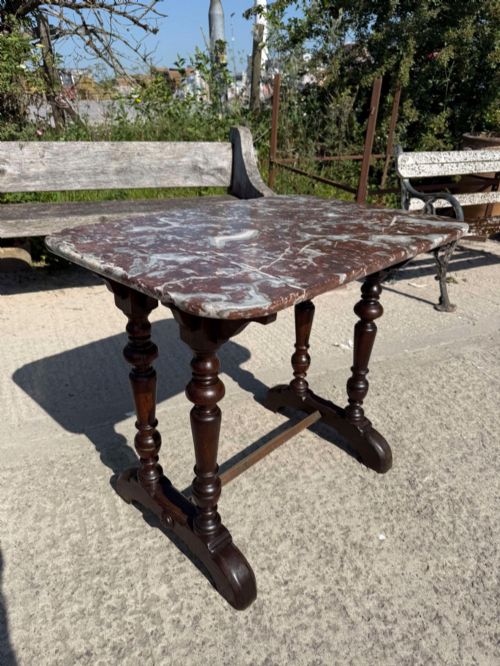
Heavy marble slabs, including fossil and breche d'alep varieties, were shaped to fit the serpentine or rectilinear contours of the console frame and supported by robust console legs or wall brackets.
19th Century French Console Retail Price Guide 2026
Typical asking prices for 19th century french console among the pieces listed under this phrase on Sellingantiques today, from the lower quarter to the upper quarter. They describe what is for sale here now, not the wider market.
Kitchen and laundry tables occasionally double as consoles when scrubbed clean.
Distinctions in Quality
The degree of hand-carving depth in giltwood and the crispness of chased ormolu mounts separate standard production from master workshops. Finer examples display meticulous joinery, matching timber veneers, and heavy, well-fitted marble tops.
Attribution to documented makers such as Jacob, Millet, or Krieger elevates a piece through verified workshop provenance and superior execution of classical or revival details.
Felix-Alfred Ternisien·Krieger Paris·Millet·JACOB·Jean-Joseph Chapuis
The 19th Century French Console Glossary
- Ormolu
- Gilded bronze mounts applied to furniture. This technique involves coating bronze with a mercury and gold amalgam before heating.
- Boulle
- Marquetry technique utilising brass and tortoise shell. It was popularised during earlier French periods and revived in the nineteenth century.
- Console
- A side table designed to stand against a wall. It is often supported by wall brackets or two front legs rather than four.
- Marquetry
- Decorative patterns formed by inserting pieces of wood, brass, or shell into a veneered surface. Craftsmen used contrasting timbers to create floral or geometric designs.
- Giltwood
- Wood that has been coated with thin gold leaf or powder. This finish was heavily employed in formal nineteenth-century salon pieces.
19th Century French Console: Frequently Asked Questions
What is a 19th century french console used for?
These tables served as decorative display surfaces in grand hallways and salons, frequently positioned beneath matching wall mirrors.
They provided a stable surface for ornaments, candelabra, and calling card trays while enhancing the architectural symmetry of the room.
How do I identify a marble top console?
Look for heavy stone slabs, such as white marble or fossil varieties, fitted directly into the wooden framework of the table top.
Many nineteenth-century examples utilise these cool stone surfaces to contrast against warm mahogany, walnut, or heavily gilded frames.
Where should I place a console table?
Console tables suit entrance hallways, living rooms, and dining spaces where floor depth is restricted against a wall.
Because many historical examples feature shallow dimensions, they fit narrow corridors without obstructing walkways.
How do I tell Empire style from Rococo Revival?
Empire style pieces display strict neoclassical symmetry, dark mahogany timbers, and austere brass or ormolu mounts inspired by antiquity.
In contrast, Rococo Revival pieces feature asymmetrical scrolling foliage, heavily carved giltwood, and serpentine marble tops.