
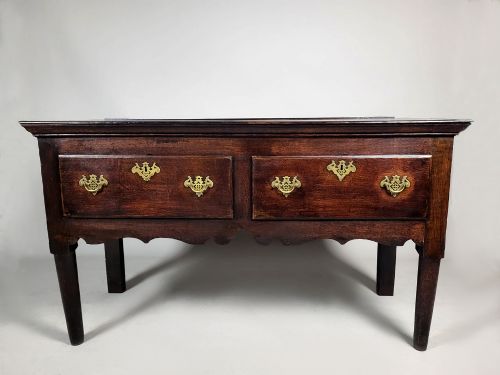
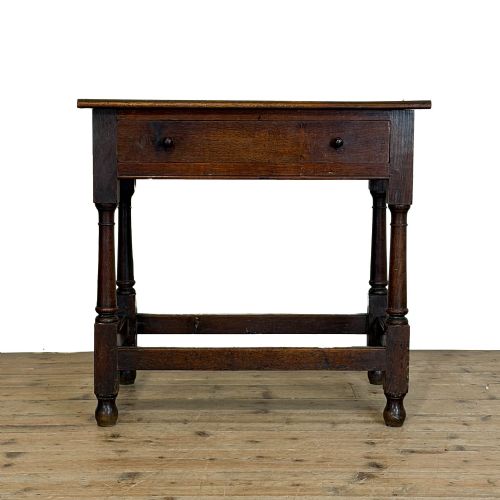
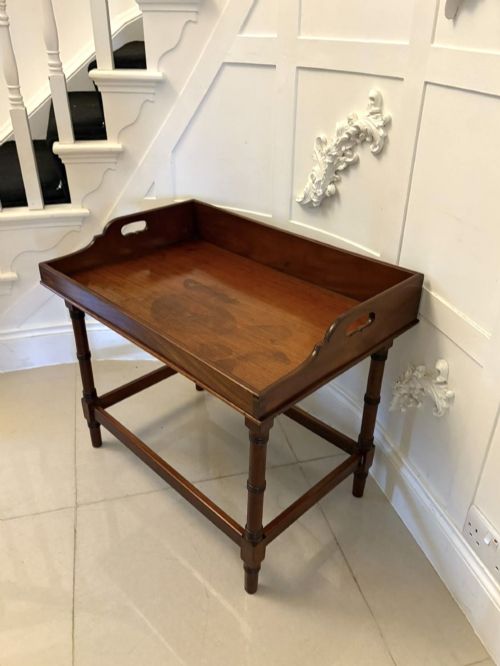
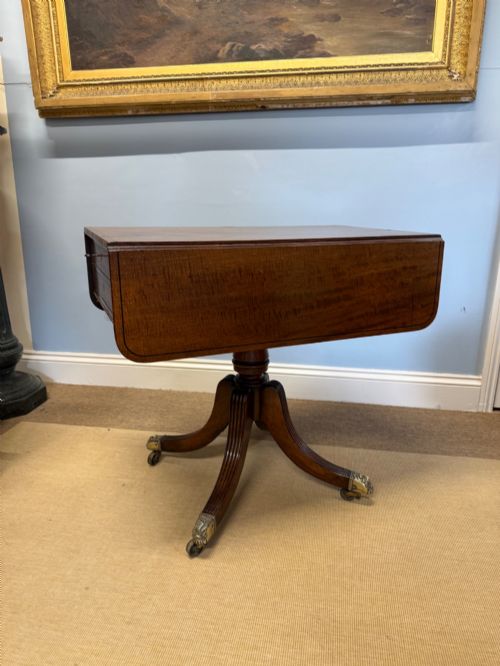
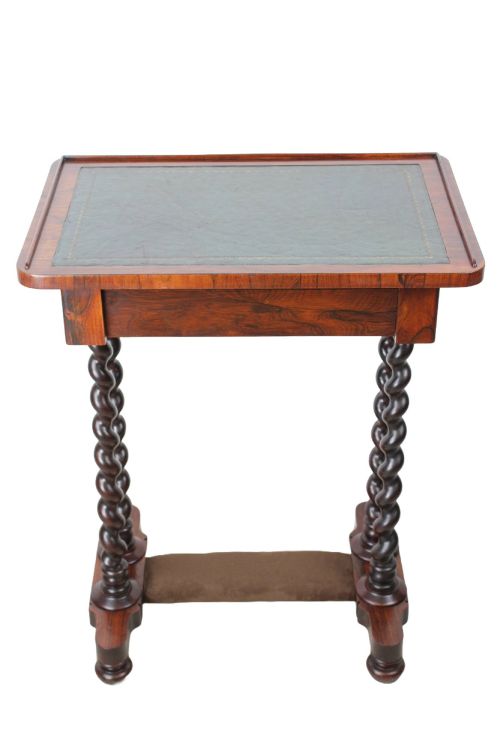
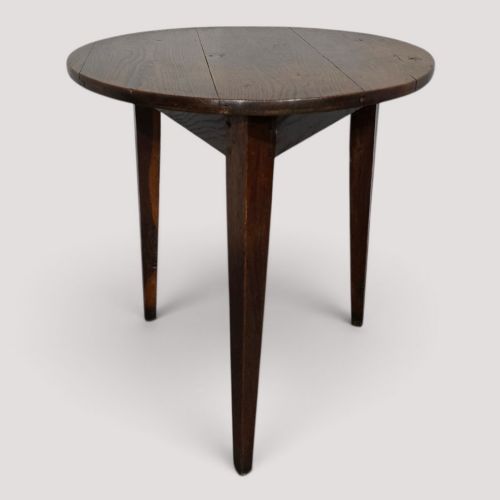
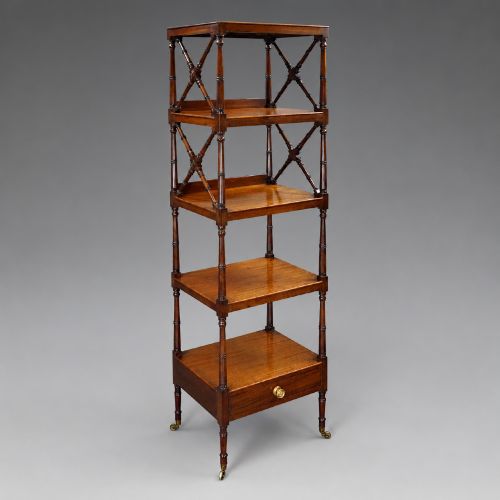


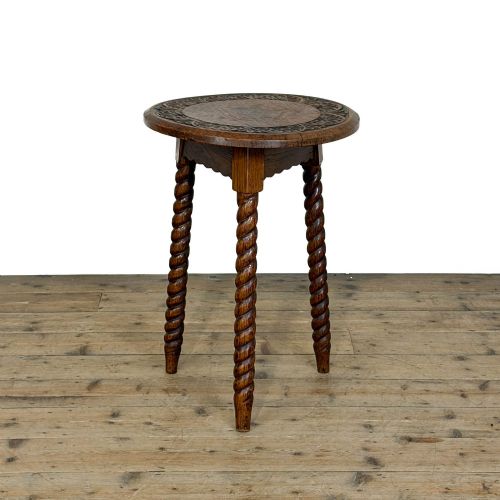
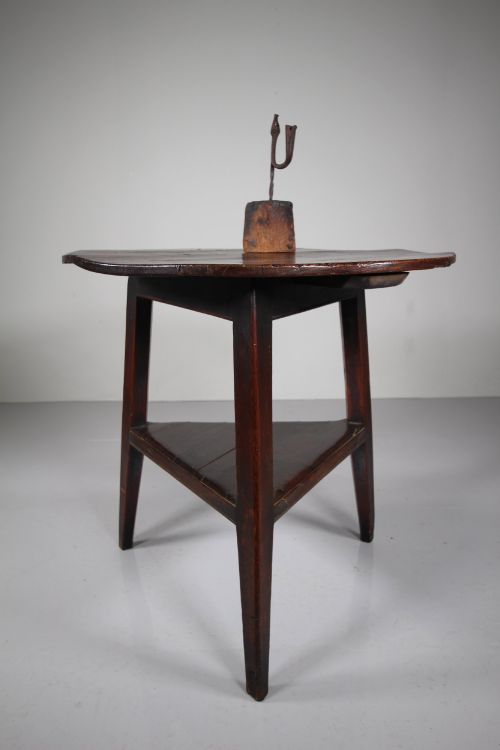
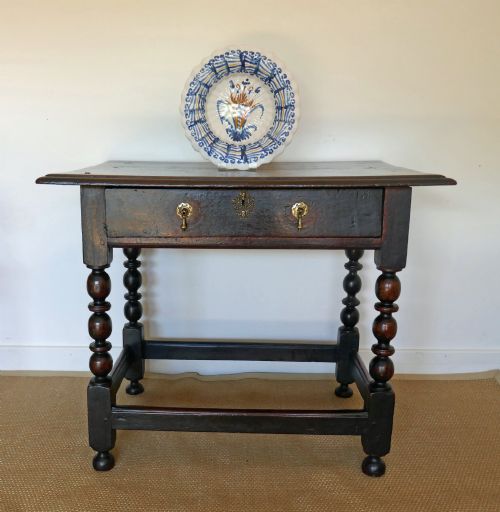
Period Side Table
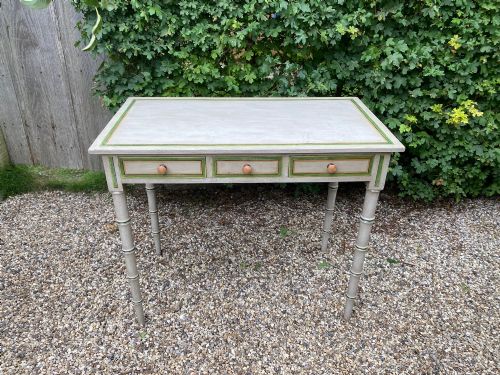
When you search for a period side table, you are looking at compact pieces of historic furniture designed to stand against walls or beside seating.
How they were made
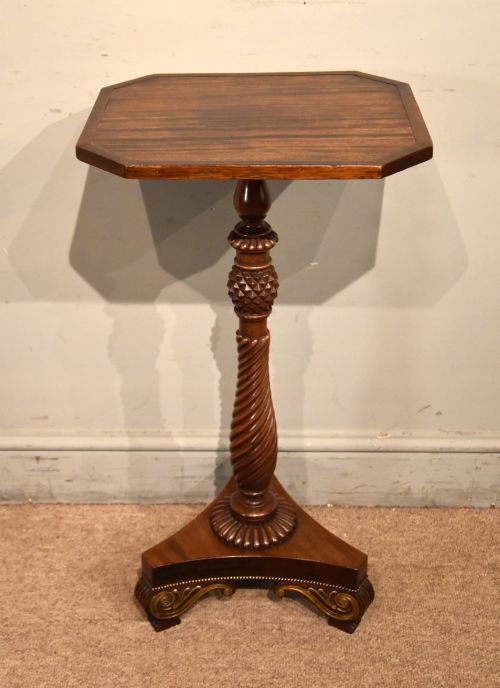
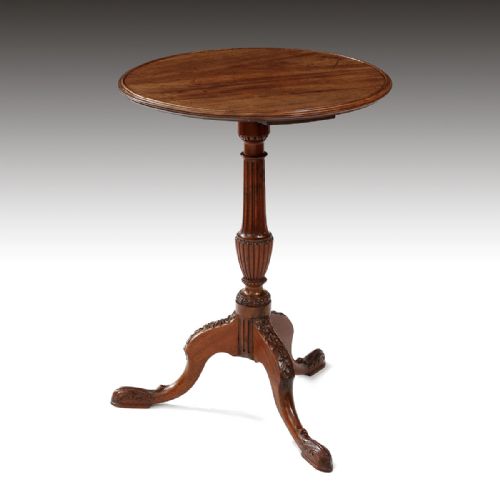
Cabinetmakers utilised native timbers such as oak for seventeenth-century frames, transitioning to dense imported mahogany and rosewood as global trade expanded during the Georgian and Regency periods. Secondary woods like pine frequently provide internal framing support for drawers and carcases.
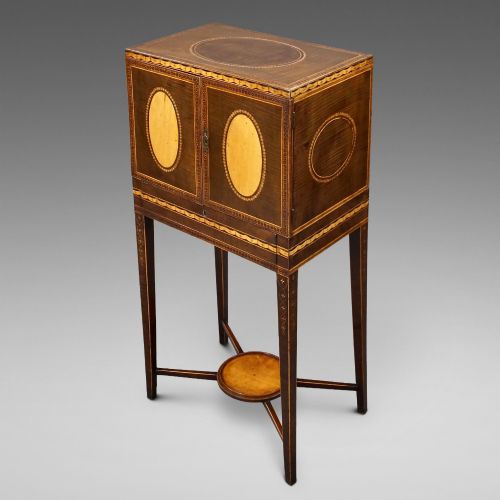
Construction techniques evolved from pegged mortise and tenon joints on early oak tables to precise dovetail joints for drawer construction on later mahogany pieces. Surface ornamentation involved hand-carving, boxwood stringing, brass mounts, and French polishing to highlight the natural grain of figured timbers.
What varies in quality
Quality rests upon the selection of timber figures, where book-matched mahogany veneers or figured walnut elevate a piece far above utilitarian deal boards. The crispness of hand-carved details on legs and aprons distinguishes workshop output, separating standard production from exceptional design.
Structural integrity depends on original brass hardware, stable timber movement over centuries, and minimal timber replacement in primary surfaces. Pieces retaining undisturbed patination and original joining methods command greater appreciation among collectors.
Listings feature oak tables from the seventeenth century alongside mahogany and rosewood examples spanning the Georgian and Regency eras.
Gillow
The Period Side Table Glossary
- Lowboy
- A small table with one or more drawers, typically raised on four tall legs and functioning as a dressing or writing surface during the seventeenth and eighteenth centuries.
- Cricket table
- A small, lightweight three-legged table with a round top, traditionally balanced to remain steady on uneven floors.
- Pembroke table
- A drop-leaf table featuring hinged flaps on either side and usually a single drawer, popular from the mid-eighteenth century onward.
- Demi-lune
- A half-moon shape used for console or side tables designed to sit flush against a wall.
- Marquetry
- Decorative inlay work using various coloured woods or other materials to create intricate pictorial patterns on furniture surfaces.
Period Side Table: Frequently Asked Questions
What is a period side table used for?
These tables provide compact surface space for lamps, books, and decorative objects in living areas, hallways, and bedrooms. Historically, they served specific tasks including writing, sewing, and holding washbasins.
Their restrained dimensions allow them to fit into narrow spaces where larger furniture would overwhelm the room, retaining their original utility in modern homes.
How do I date a wooden side table?
Dating relies on observing construction methods, timber choices, and hardware styles across different centuries. Seventeenth-century pieces typically feature heavy oak with pegged joints, while Georgian examples display refined mahogany and hand-cut dovetails.
Secondary woods and tool marks visible on the underside also provide reliable clues to the era of manufacture, distinguishing authentic period pieces from later reproductions.
Are these tables suitable for daily use?
Historic tables accommodate everyday domestic life provided they receive sensible care regarding moisture and heat. Solid timber constructions from the seventeenth and eighteenth centuries remain robust enough for regular placement of household items.
Placing felt pads beneath objects and avoiding direct sunlight helps preserve the historic polish and timber integrity over decades of continuous habitation.
What distinguishes a lowboy from a standard table?
A lowboy is specifically characterised by its low height and the presence of one to three small drawers beneath the working surface. These proportions were designed for seated tasks such as grooming or correspondence.
Standard side tables often lack drawers entirely or stand taller, serving purely as display surfaces rather than storage furniture.