


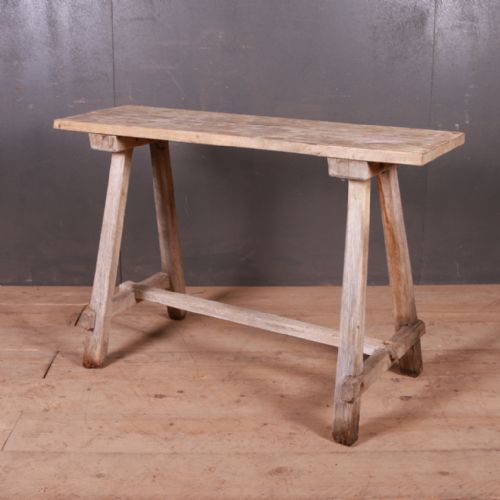

French Provincial Entry Table
A French provincial entry table brings rustic charm and understated utility to a hallway, offering a surface with genuine regional character.
French Provincial Entry Table
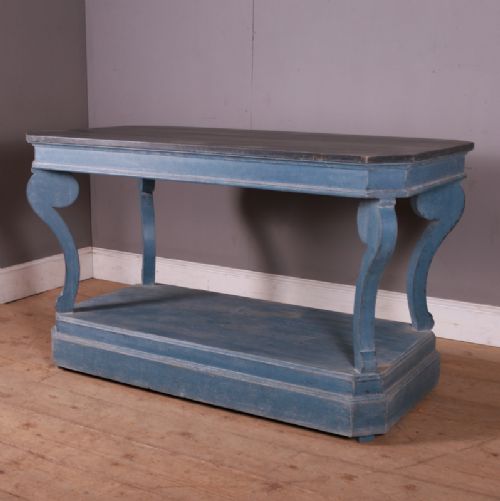
A French provincial entry table appears most frequently on this page as a console table, side table, or trestle table originating from various periods including the eighteenth and nineteenth centuries. These pieces serve narrow spaces like hallways and entryways, providing a functional surface without dominating the room.
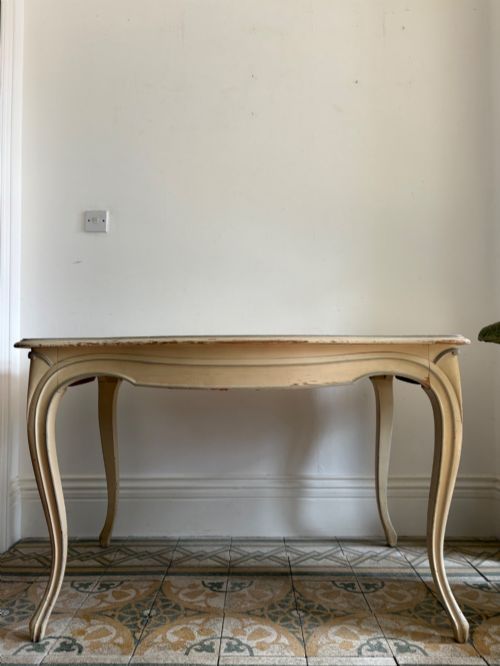
The styles range across French Provincial, French Country, French Chateau, and French Rococo, reflecting different regional tastes and formal traditions. You will encounter forms with cabriole legs, serpentine fronts, or sturdy trestle bases designed for everyday utility.
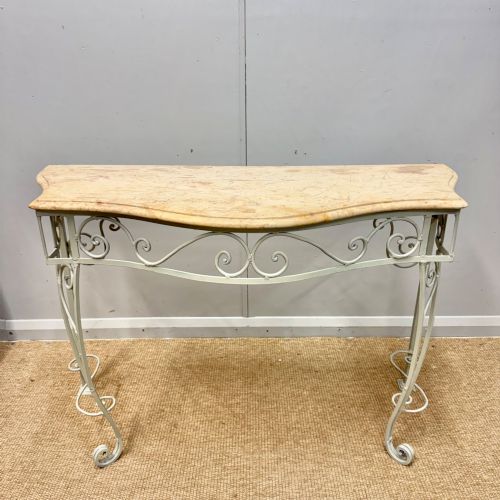
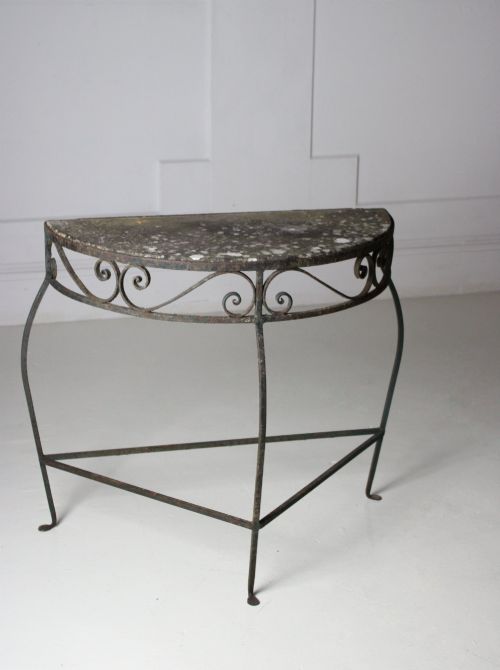
Materials span timber, oak, walnut, cherry, sycamore, elm, marble, and wrought iron, sometimes paired with painted wood or suede inserts. This variety ensures that each table carries distinct textural qualities suited to both traditional and modern interiors.
Materials and construction
Makers utilised solid hardwoods such as oak, walnut, and cherry for the structural frames and tabletops, often relying on traditional joinery. Scrubbed sycamore and elm also appear, showing the regional preference for accessible local timbers.
Surface treatments include carved details, cream paint, and bleached finishes that highlight the natural grain of the wood. Tables with stone, marble, or inset suede tops demonstrate the combination of durable work surfaces with decorative wooden chassis.
Some tables come fitted with suede inserts, proving that past generations also wanted a soft landing spot for their pocket change.
Judging quality
The refinement of the carving and the fluidity of shapes, such as serpentine lines and cabriole legs, separate simpler utility items from more ambitious furniture. Hand-carved elements show the artisan's control over the medium.
The choice of materials also dictates the standing of a piece, with high-grade marbles, wrought iron elements, and well-preserved hardwoods holding greater visual and material weight.
The French Provincial Entry Table Glossary
- Console table
- A table designed to stand against a wall, frequently secured to it or supported by two front legs. These tables suit hallways and narrow spaces.
- Cabriole leg
- A furniture leg that curves out and then in, resembling the leg of an animal. This form appears often in Rococo and provincial designs.
- Serpentine
- A furniture front or edge that curves outward in the centre and inward at the sides. It adds visual movement to console tables.
- Trestle table
- A table featuring a horizontal beam supported by two trestles or feet at each end. This sturdy construction underpins many rustic dining and work tables.
French Provincial Entry Table: Frequently Asked Questions
Where should I place an entry table?
An entry table fits naturally in a hallway, passage, or against a wall in a living room where floor space is limited. Its narrow profile allows it to hold lamps or decorative objects without obstructing movement.
Positioning the piece near a front door creates a practical spot for daily items while establishing a welcoming focal point for the interior.
How do I care for wooden tabletops?
Maintaining these wooden surfaces involves regular dusting with a dry or slightly damp cloth to prevent grit accumulation. Avoiding harsh chemical cleaners preserves the natural patina and historic finishes of the timber.
Applying occasional natural wax protects the wood from drying out, particularly for scrubbed or bleached oak and cherry surfaces.
What is the difference between console and trestle tables?
Console tables are built specifically to stand against a wall, often featuring two legs at the front and wall fixings for stability. They prioritize a shallow depth for tight spaces.
Trestle tables rely on end supports joined by a stretcher beam, offering a freestanding structure associated with dining and heavy use.
Are marble top tables heavy?
Tables featuring stone or marble inserts carry significant weight in the upper section, which aids stability when placed against a wall. This mass comes from the natural slab integrated into the wooden frame.
Moving these pieces requires caution and usually two people to lift the top and base safely without straining the joints.