
Warm Oak Dining Table
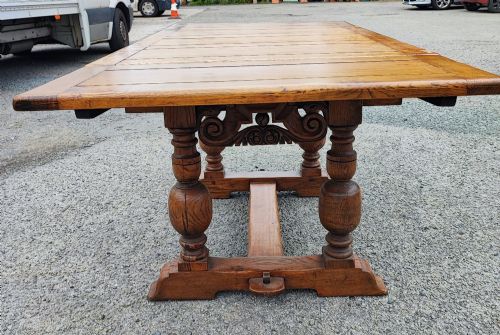
A warm oak dining table anchors the room with substantial timber and centuries of character.
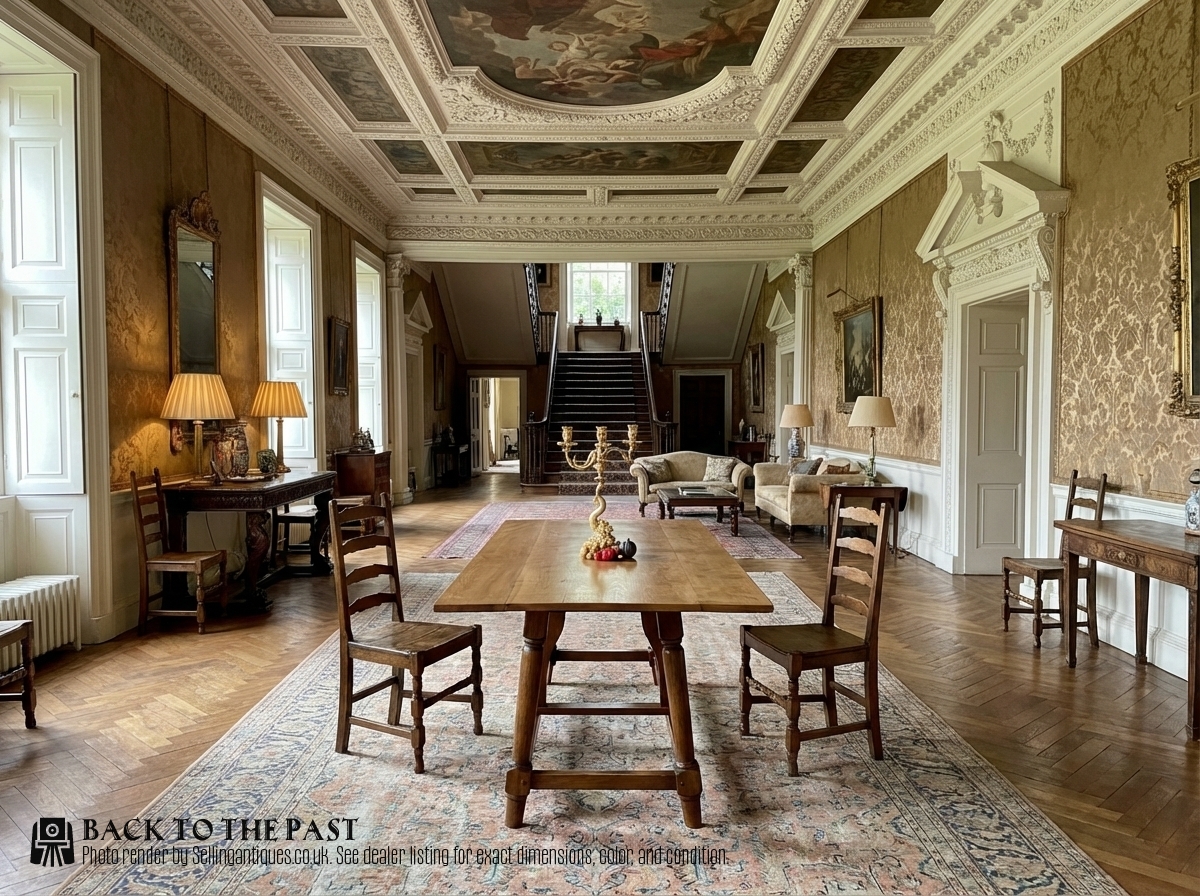
Warm Oak Dining Table
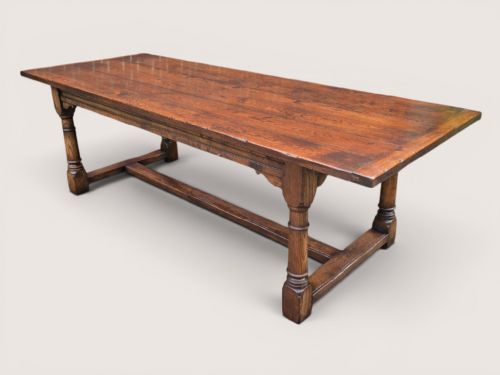
Originating largely from British and French traditions, these tables reflect regional joinery methods. Examples range from Georgian gateleg versions to Jacobean Revival refectory tables and Arts & Crafts creations. The enduring appeal lies in the honest construction and deep grain of the timber.
How they were made
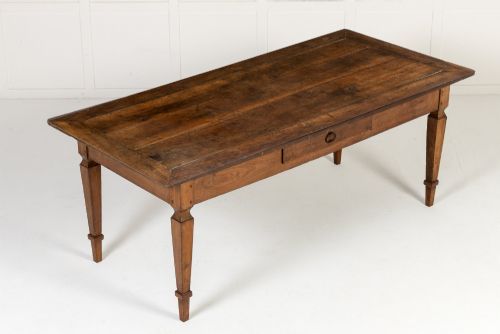
Makers relied primarily on solid oak, supplemented by fruitwood, cherry, and pine in various regional workshops. Structural strength came from thick timber planks, peg joinery, and robust stretcher bases. Secondary metals such as brass and iron appeared in hinges and extending mechanisms.
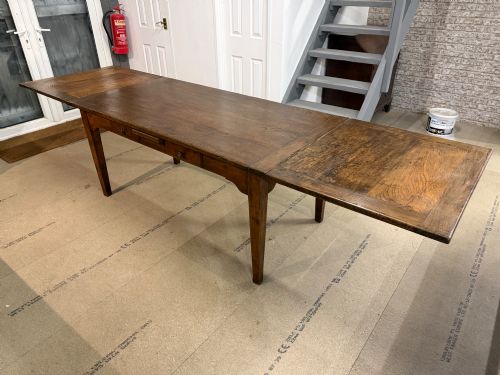
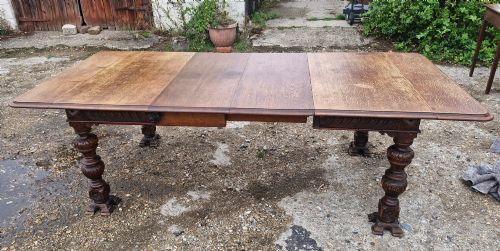
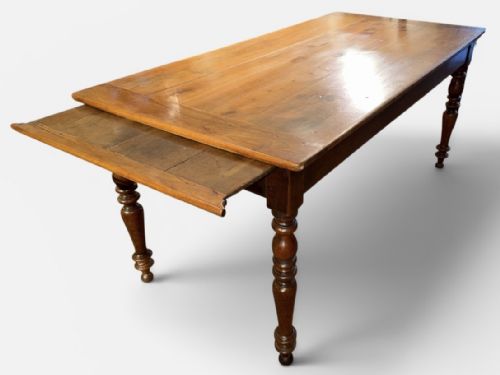
Surface preparation involved hand planing and oiling to highlight the natural grain. Tables often incorporated draw-leaf mechanisms, gateleg actions, or winding systems to alter the footprint for dining.
Warm Oak Dining Table Retail Price Guide 2026
Typical asking prices for warm oak dining table among the pieces listed under this phrase on Sellingantiques today, from the lower quarter to the upper quarter. They describe what is for sale here now, not the wider market.
Listings feature oak alongside fruitwood, cherry, pine, iron, and brass.
What varies in quality
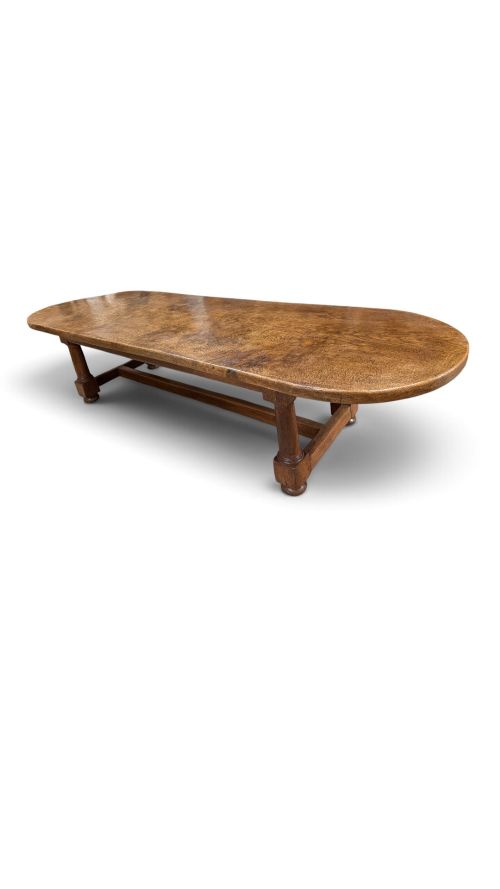
The distinction between tiers rests upon timber selection and the integrity of the original construction. Superior examples feature single-plank tops, substantial thickness, and well-balanced proportions that withstand daily gathering. Lesser pieces rely on joined boards with less uniformity in grain and colour.
Original hardware, untouched patination, and sophisticated joinery elevate a piece significantly. Tables retaining period hinges, smooth extension actions, and genuine surface wear demonstrate superior craftsmanship compared to heavily altered equivalents.
The Warm Oak Dining Table Glossary
- Refectory table
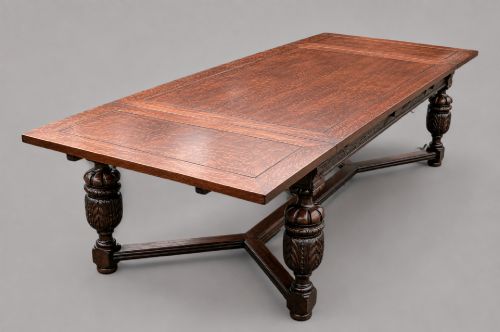
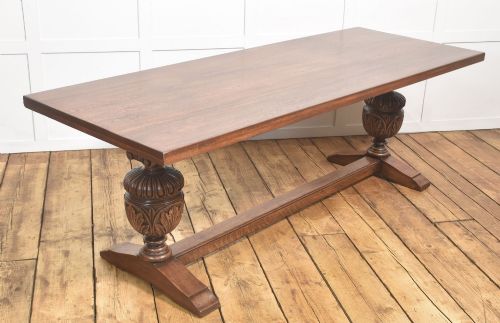
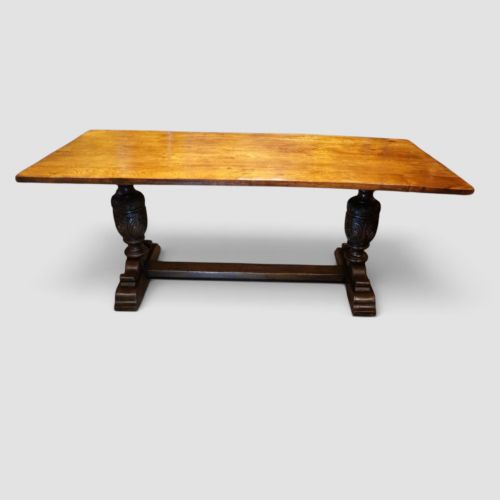
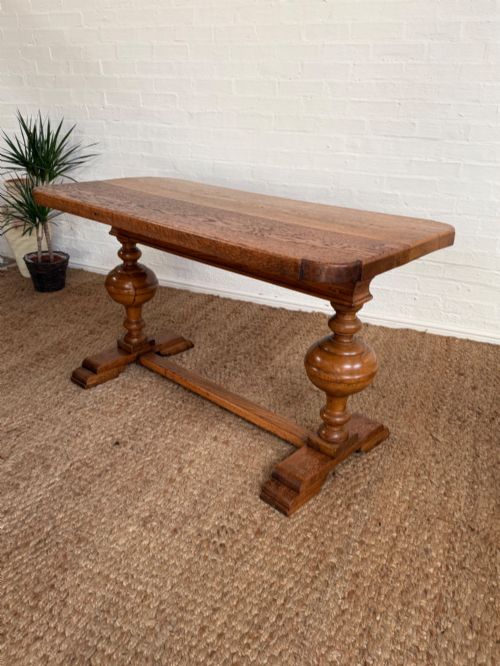
- A long, narrow dining table traditionally used in monasteries and large halls. These pieces typically feature heavy stretcher bases and thick timber tops.
- Gateleg table
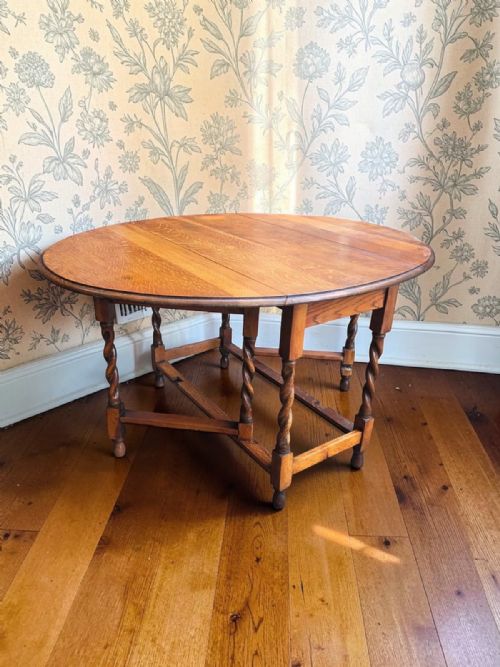
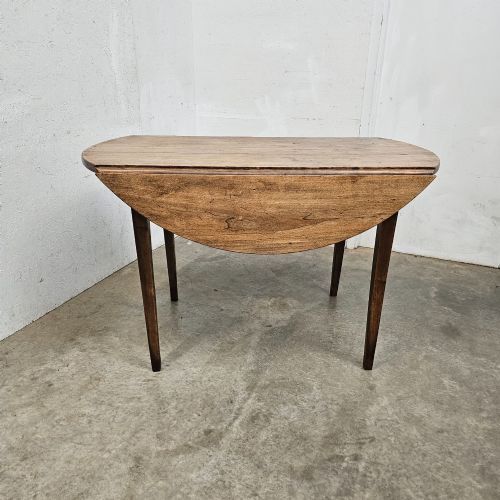
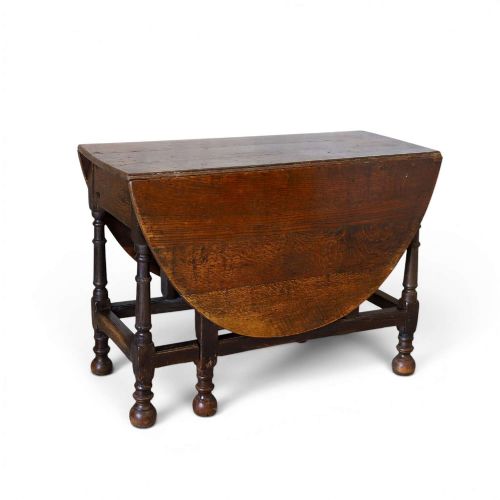
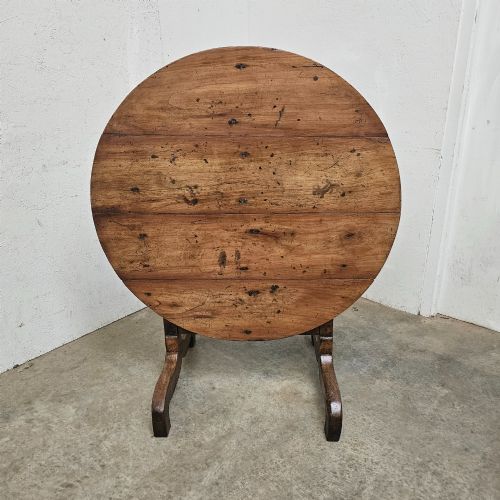
- A drop-leaf table with hinged legs that swing out to support the lowered leaves. This form allows the table to expand or contract according to space requirements.
- Draw-leaf table
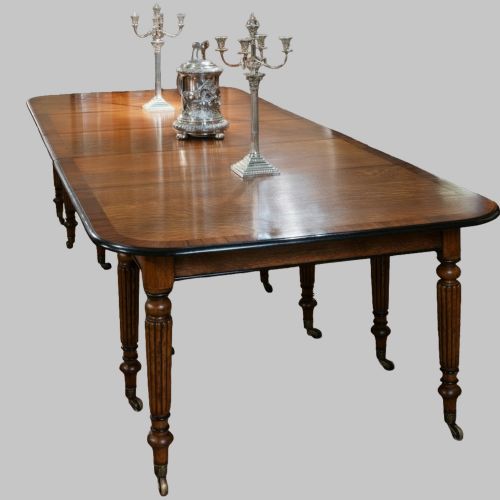
- An extending table containing pull-out leaves stored beneath the main surface. The design permits the table length to increase seamlessly.
- Barley twist
- A decorative turning style resembling a twisted rope, commonly found on table legs from the 17th Century onwards. It adds a sculptural element to the vertical supports.
- Patina
- The surface sheen and colour acquired by wood through age, use, and polishing. This quality reveals the history of the material.
Warm Oak Dining Table: Frequently Asked Questions
How do I care for a warm oak dining table?
Maintain the wood by dusting regularly with a soft cloth and applying beeswax periodically to nourish the grain. Avoid placing the timber near direct heat sources to prevent splitting.
Use placemats and coasters to protect the surface from moisture and heat marks. Gentle cleaning with a damp cloth suffices for daily maintenance.
How do I identify an 18th Century table?
Examine the construction methods underneath the top, looking for hand-cut joints, wooden pegs, and uneven board widths. Hand-planed tool marks often indicate older manufacture.
Check the patination and the wear around the edges where generations of hands rested. Period hinges and fittings provide further clues to age.
What is a refectory table?
A refectory table is a long, narrow dining table originally designed for communal dining halls. They feature sturdy legs connected by low stretchers for stability.
Today, these tables serve as generous centrepieces in domestic dining rooms. Their narrow profile facilitates conversation across the table.