
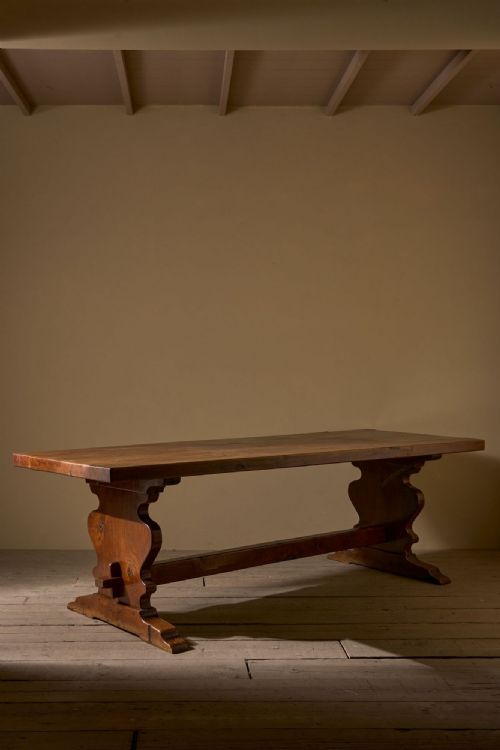
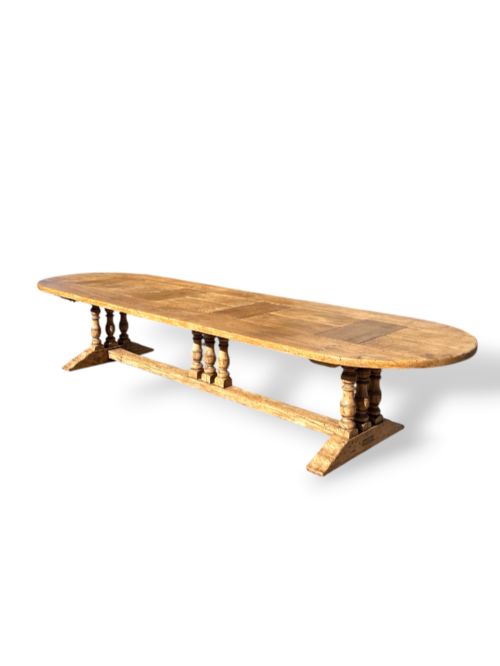
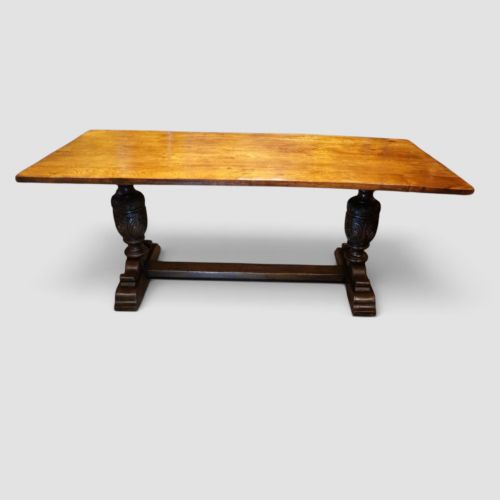
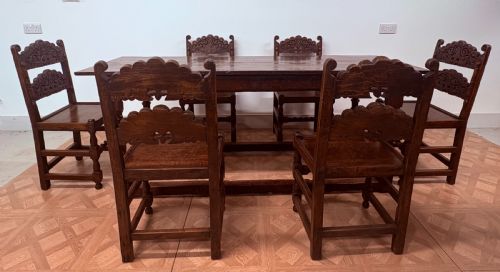

Antique Oak Monastery Table
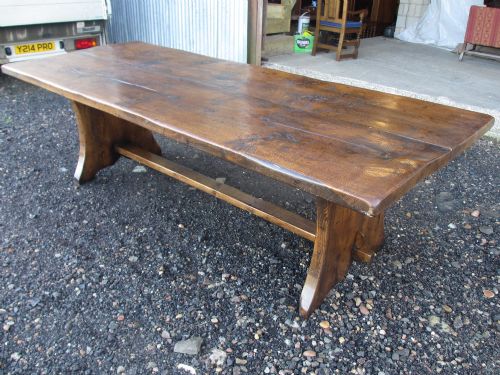
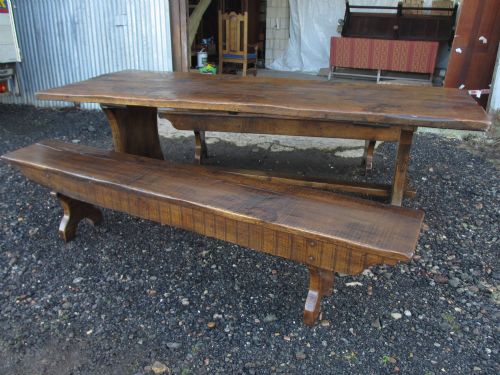
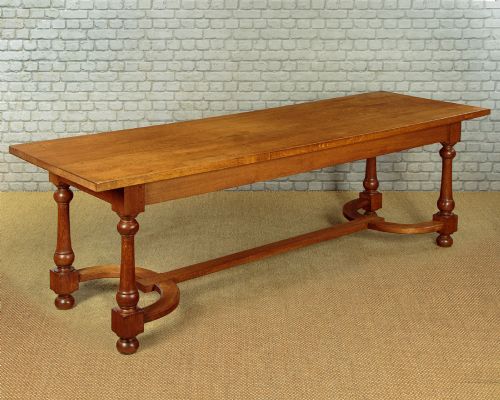
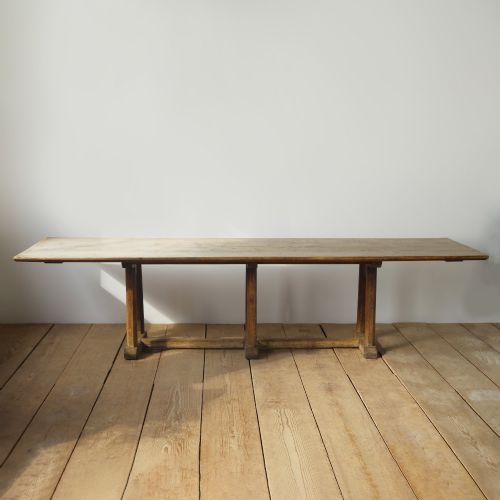
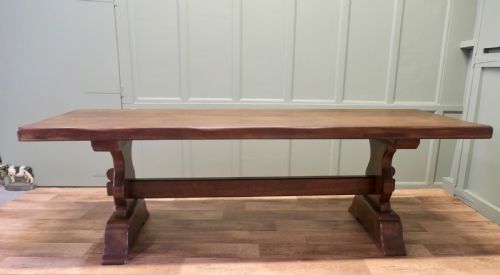
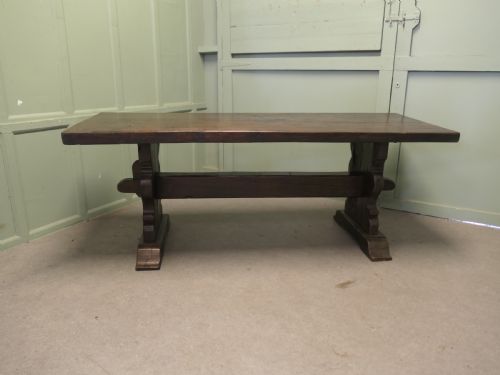
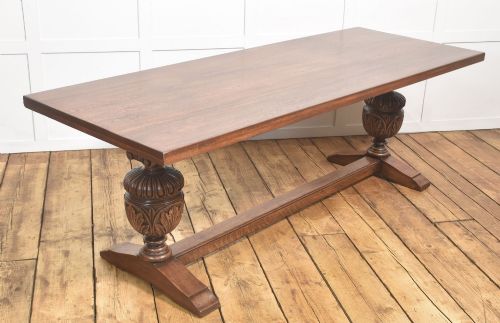
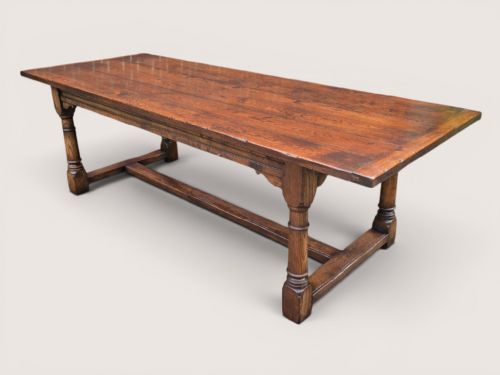
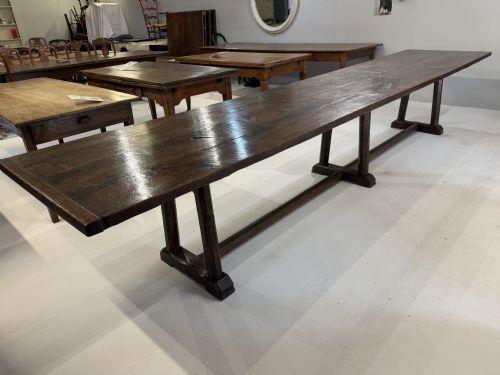
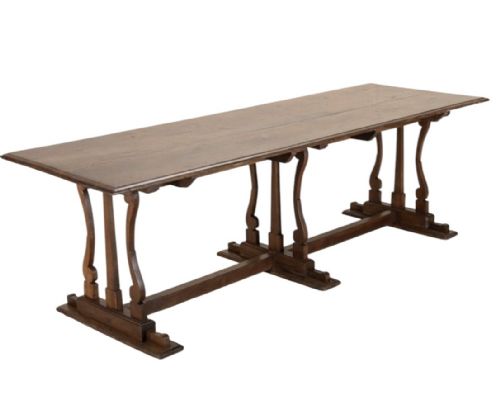
These antique oak monastery table examples are heavy timber dining pieces that bring authentic historical presence to a room.

What these pieces are
An antique oak monastery table is a substantial dining form rooted in early English domestic and institutional life. The pieces gathered under this search phrase encompass heavy timber dining tables spanning several centuries.
Buyers meet examples ranging from genuine seventeenth century originals to later revival interpretations from eighteen ninety, nineteen hundred, and the nineteenth century. These sturdy wooden boards served communal dining and large gatherings in kitchens and dining rooms.
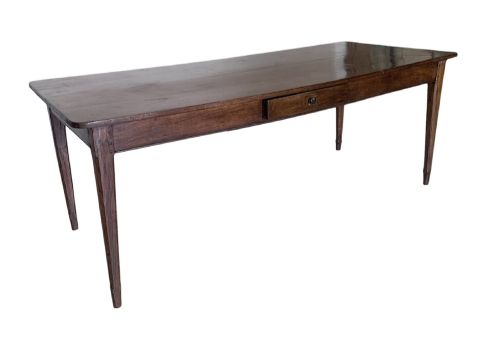
The selection includes dining tables styled in Jacobean, Jacobean Revival, seventeenth century, and English country aesthetics. Each piece presents a long rectangular surface supported by robust wooden underframes suited to daily use.

How they were made
Every piece recorded in the evidence is constructed entirely from oak, a durable hardwood chosen for its strength and resilience. Joinery relied on traditional timber framing methods appropriate to the period of construction.
Carpenters shaped the thick timber tops and supportive structural frames by hand or with period workshop tools. The natural grain of the oak remains visible across the surfaces of these heavy dining tables.
Retail Price Guide 2026
Typical UK retail prices for oak monastery table, calculated from the Sellingantiques database of over a million retail prices indexed since 2003. This retail price guide relies exclusively on Sellingantiques data; no external sources or auction records are used, so the figures do not describe the wider market.
All listed pieces are constructed from oak, spanning the seventeenth century up to nineteen hundred.
What varies in quality
Quality in these heavy dining pieces rests on the integrity of the timber and the honesty of the construction. Seventeenth century originals display the accumulated wear of centuries, whereas revival pieces from eighteen ninety or nineteen hundred reflect the historicist ambitions of later workshops.
The handling of the oak grain and the proportion of the underframe separate standard examples from superior ones. Tables that retain their original structural mass and uncompromised timber surfaces command the strongest visual presence.
The Antique Oak Monastery Table Glossary
- Refectory table
- A long dining table traditionally used for communal meals in monasteries and large houses. The listings use this term interchangeably with monastery table.
- Jacobean
- The style of design prevailing during the early seventeenth century, characterised by solid construction and geometric carved details. Revival pieces replicate these early forms.
- English country
- A vernacular style of furniture making focused on practical utility and sturdy local materials rather than courtly ornament. Oak is the primary medium for this tradition.
- Seventeenth century
- The historical period spanning sixteen hundred to sixteen ninety-nine, representing the origin era for the earliest dining tables in this group.
Frequently Asked Questions
What is an antique oak monastery table?
An antique oak monastery table is a long, heavy dining surface built from solid oak timber.
These pieces originate from periods including the seventeenth century as well as later revival eras like eighteen ninety and nineteen hundred.
How do I date an antique oak table?
Dating relies on examining the construction methods, tool marks, and overall style of the oak timber framing.
Pieces range from seventeenth century originals to nineteenth century English country and Jacobean Revival interpretations.
Are these tables suitable for modern kitchens?
These robust oak dining tables provide generous surface area suited to contemporary kitchen and dining room spaces.
Their solid construction handles daily gathering while anchoring a room with historical character.
What styles are common in these listings?
The available pieces predominantly feature Jacobean, Jacobean Revival, and English country design characteristics.
These aesthetics emphasise the natural grain and structural strength of heavy oak.