



French Oak Server
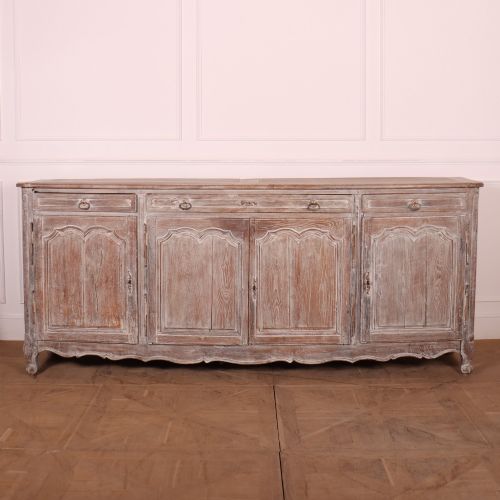
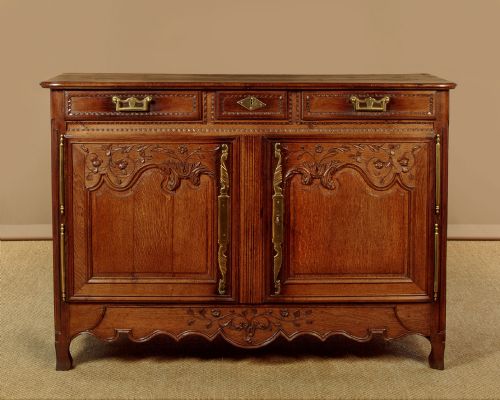
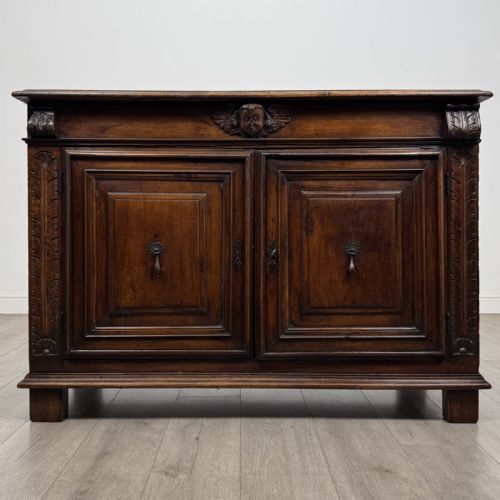
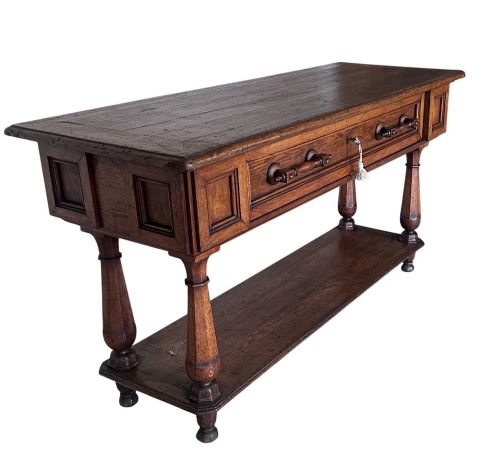
These french oak server pieces bring robust utility and regional character to a room, offering sturdy timber surfaces built for practical dining storage.
French Oak Server
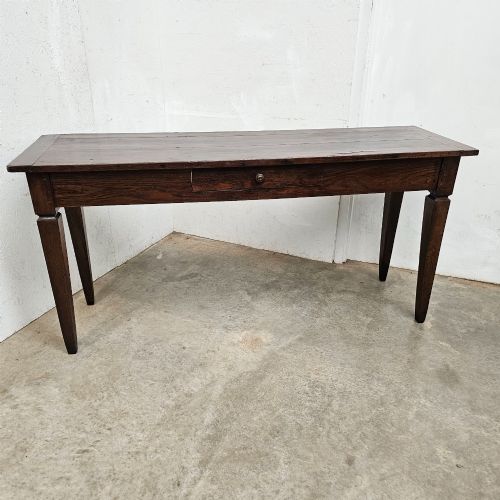
A french oak server encompasses practical serving tables, sideboards, buffets, and console forms originating from various regional traditions. These pieces range from rustic provincial kitchen furniture to more formal carved dining room storage.
The nineteenth century provides the majority of examples seen on this page, alongside significant eighteenth-century forms and later twentieth-century interpretations. Buyers frequently encounter serving tables and sideboards constructed primarily from heavy oak timber.
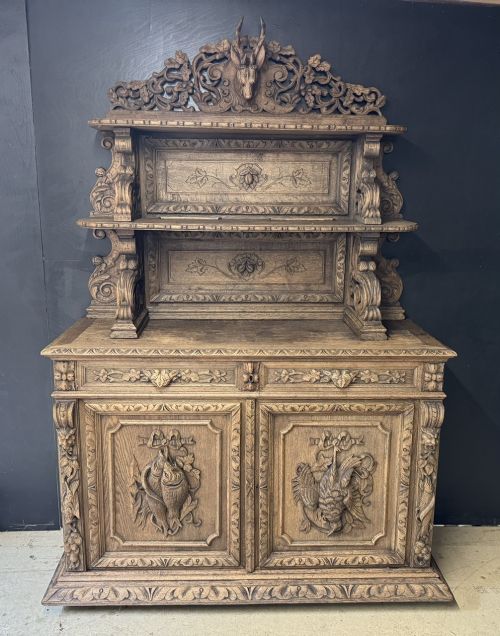
Regional variations appear across the selection, incorporating fruitwood, walnut, or chestnut elements alongside the dominant oak. Many items display characteristic provincial styling, from simple harvest tables to elaborate carved hunting motifs.
Materials and construction methods
Solid oak serves as the primary structural material, frequently complemented by secondary timbers such as fruitwood, chestnut, and walnut in provincial workshops. Carpenters utilised traditional joinery techniques to ensure the longevity of these heavy storage and serving surfaces.
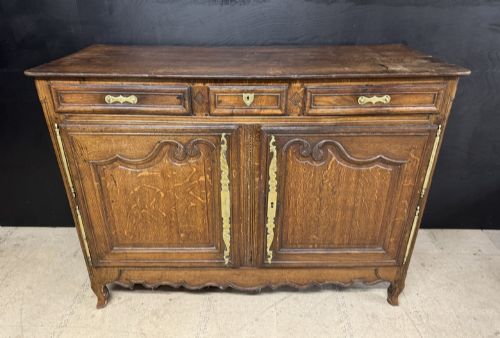
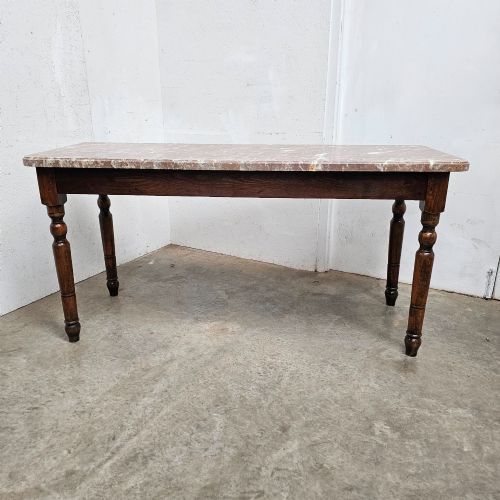
Selected pieces incorporate contrasting elements like marble tops, brass hardware, and steel accents to provide durable working surfaces and functional drawer fittings. Surface treatments range from natural waxed finishes to intentional bleaching of the timber.
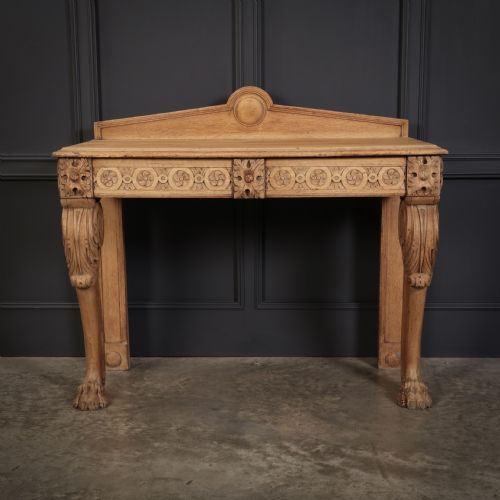
Carved ornamentation reflects regional styles, including Louis XV proportions, Renaissance revival details, and simpler rustic moulding. Construction varies from substantial farmhouse tables to refined console and patisserie display formats.
French Oak Server Retail Price Guide 2026
Typical asking prices for french oak server among the pieces listed under this phrase on Sellingantiques today, from the lower quarter to the upper quarter. They describe what is for sale here now, not the wider market.
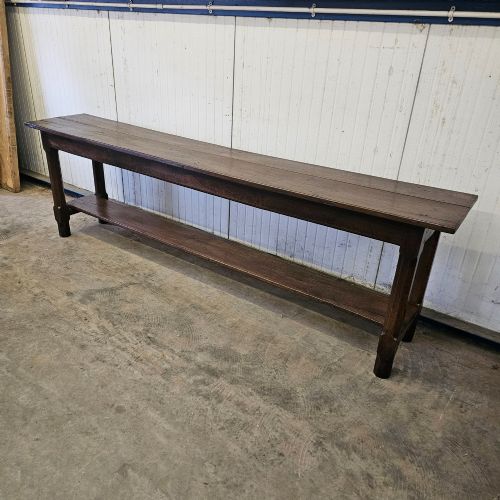
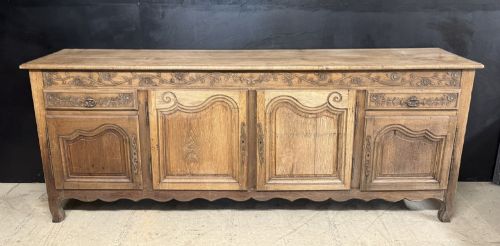
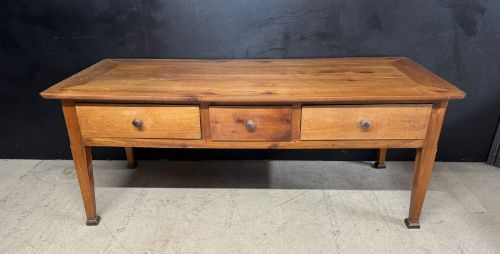
The listings feature diverse forms including console tables, drapers tables, house maid cupboards, and traditional buffets spanning the seventeenth to twentieth centuries.
Evaluating construction and timber quality
The caliber of a french oak server rests upon the selection of timber and the integrity of its original construction. Denser, tightly grained oak boards provide superior stability and wear resistance compared to softer secondary woods.
Carved detail separates standard provincial utility items from exceptional workshop commissions. Crisp execution in foliage, scrollwork, or figurative motifs indicates a higher grade of craftsmanship by the cabinetmaker.
Original hardware, untouched patination, and structural coherence define the upper tier of surviving examples. Alterations to marble tops or replaced timber sections alter the historical standing of the piece.
KRIEGER of Paris
The French Oak Server Glossary
- French Provincial
- Furniture styles originating from regional French provinces rather than the royal court in Paris. These pieces emphasise functional design and local timber usage.
- Parquetry
- Geometric wood mosaic work used for decorative surfaces on tabletops or sideboard panels. Small blocks of timber are fitted together to create repeating patterns.
- Drapers Table
- A long, sturdy utility table historically used in textile shops for folding cloth. They feature generous proportions and clean lines suited to modern serving use.
- Patisserie Display Table
- A specialised table featuring a marble top designed for the preparation and presentation of baked goods. The stone surface provides a cool, hygienic workspace.
French Oak Server: Frequently Asked Questions
What is a french oak server used for?
These pieces serve primarily as dining room sideboards, kitchen prep tables, or hallway console surfaces for serving food and storing tableware.
Their robust timber construction and functional drawers provide practical storage solutions for everyday dining spaces.
How do I date a french oak server?
Dating relies on examining construction marks, joinery methods, hardware styles, and the degree of hand-tool shaping visible on the timber.
Earlier eighteenth-century pieces often display hand-pegged joinery and distinct regional carving, whereas nineteenth-century examples may incorporate machine-sawn elements and standardised hardware.
Are these servers made entirely of solid oak?
While solid oak forms the primary structure for most pieces, workshops frequently utilised secondary timbers like fruitwood, chestnut, or walnut for internal framing and drawer linings.
Some iterations also integrate contrasting materials such as marble top slabs or brass handles into the overall design.
How should I care for a bleached oak surface?
Bleached oak surfaces benefit from regular dusting with a dry cloth and the occasional application of clear, neutral wax to nourish the dry timber.
Avoid placing hot dishes or liquids directly onto the wood or marble to protect the historic finish from staining.