



19th Century Prep Table
A 19th century prep table is a utilitarian workspace built for domestic or commercial food handling, valued today for honest proportions and robust character.
19th Century Prep Table
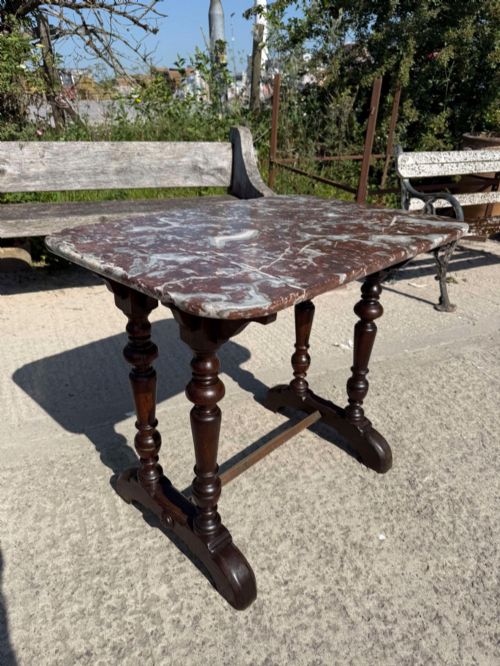
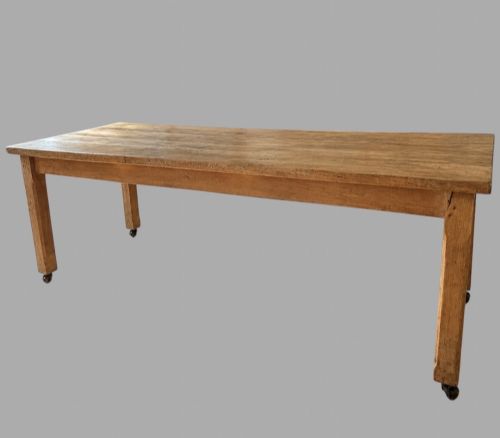
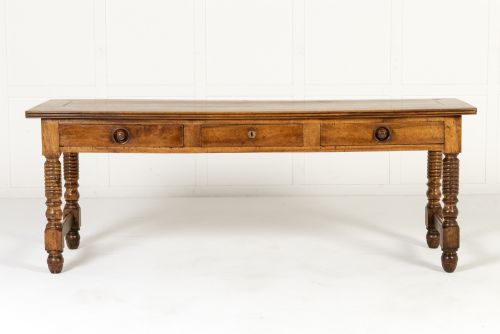
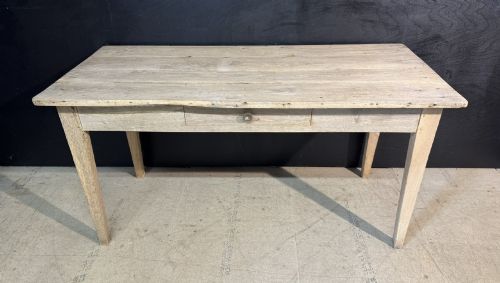
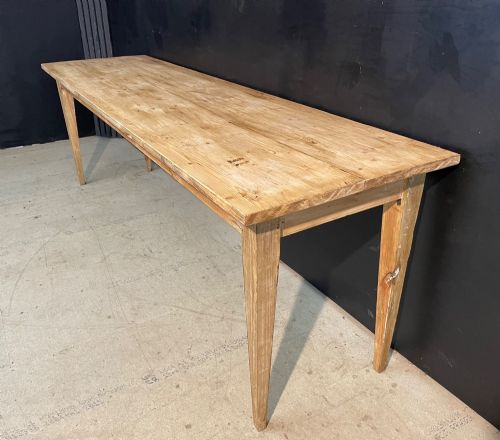
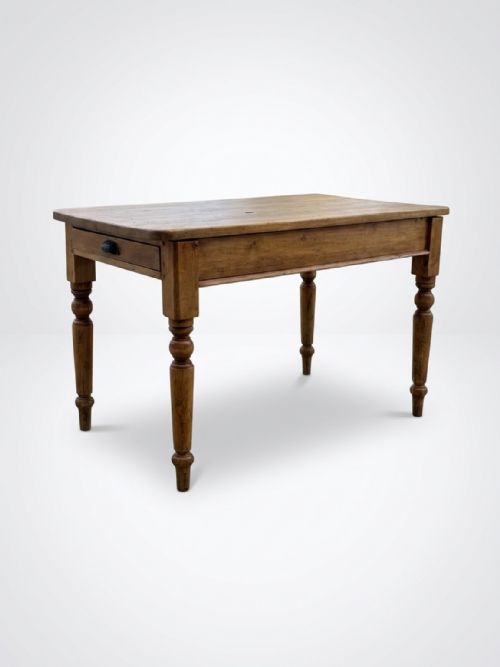
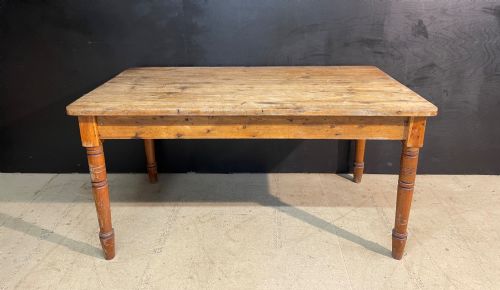
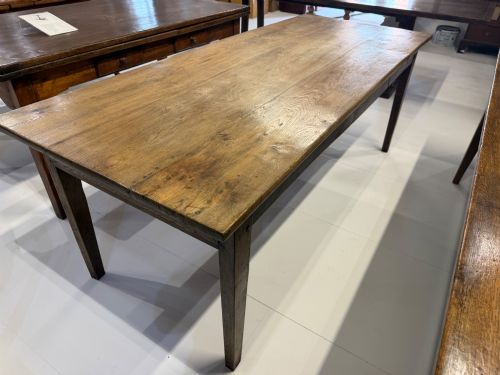
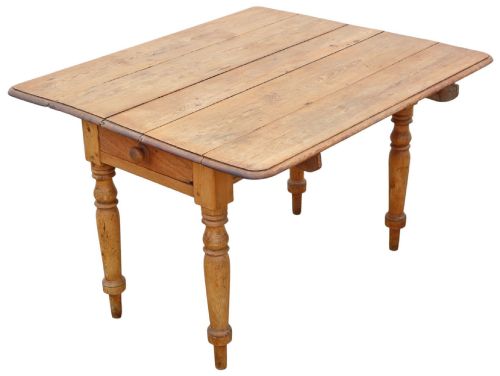
A 19th century prep table is a heavy-duty work surface designed for demanding kitchen, dairy, or butcher tasks, originating from periods such as the Victorian era and the broader nineteenth century. These pieces appear in forms ranging from dedicated kitchen and pantry tables to specialised dairy, patisserie, and butcher tables.
Buyers meet pine and oak most frequently, alongside fruitwood, sycamore, elm, and occasional marble or iron elements. Regional varieties span English, Welsh, Scottish, French Provincial, and Italian origins, often categorized under styles like rustic farmhouse or country house.
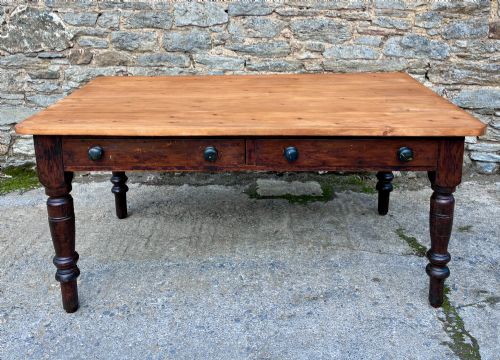
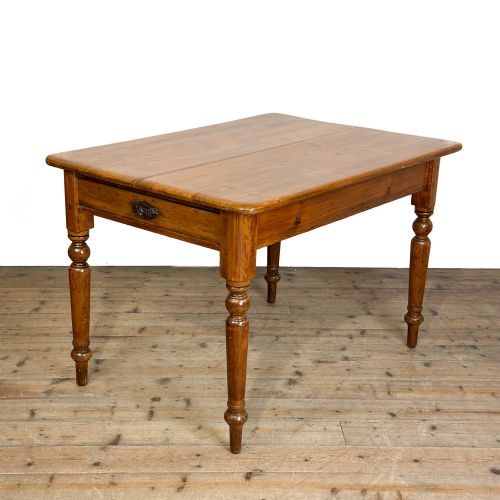
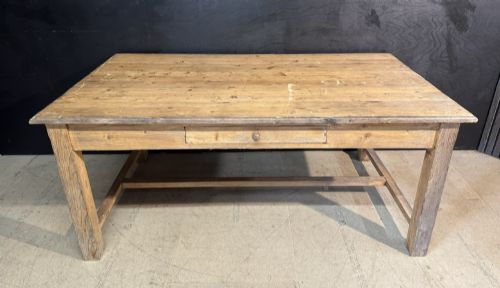
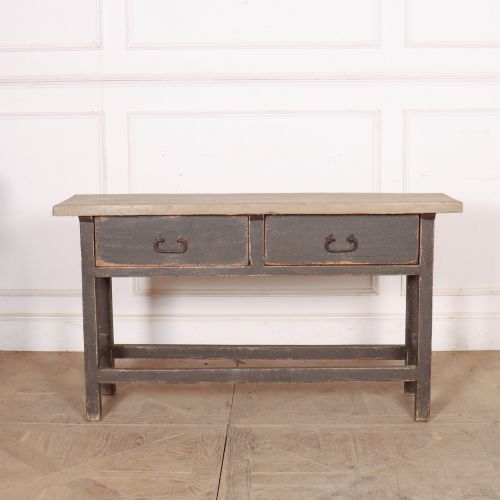
The practical nature of a 19th century prep table means many examples incorporate single or double drawers, pot shelves, or scrubbed tops meant for frequent washing. Their survival reflects solid vernacular construction utilised in busy historical workspaces.
How They Were Made
Makers built these tables from accessible regional timbers, combining softwoods like pine and pitch pine with hard-wearing hardwoods such as oak, fruitwood, sycamore, and elm for tops. Surfaces were left bare to endure vigorous scrubbing or finished with paint, stain, or later decorative coats.
Joinery focused on stability under pressure, utilising sturdy frames, mortise and tenon joints, and occasional brass hardware or iron bracing. Specialised designs incorporated inset marble slabs for pastry work or heavy chopping blocks tailored to butchery.
19th Century Prep Table Retail Price Guide 2026
Typical asking prices for 19th century prep table among the pieces listed under this phrase on Sellingantiques today, from the lower quarter to the upper quarter. They describe what is for sale here now, not the wider market.
Listings feature pine, oak, fruitwood, sycamore, elm, marble, and iron across Victorian and nineteenth-century country houses.
What Varies in Quality
Quality rests on the integrity of the timber and the honesty of the wear. Tables retaining original surface treatments, untouched scrubbed tops, and period hardware hold greater integrity than those stripped or heavily altered over time.
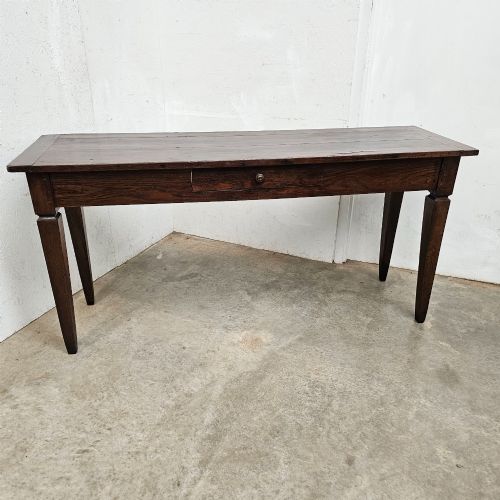
Proportion and scale distinguish standard workshop pieces from finer country house examples. Subtle details such as tapered legs, well-fitted drawers, and regional variations in construction elevate certain pieces above standard utility items.
The 19th Century Prep Table Glossary
- Scrub-top
- A wooden table top cleaned repeatedly with water and a stiff brush, leaving the grain raised and pale. This process creates a distinctive weathered texture unique to hard-working kitchen furniture.
- Frieze
- The horizontal structural band situated directly beneath the top edge of the table. Drawers are frequently integrated into this section.
- Pot shelf
- A low secondary platform set between the lower legs of a table, designed for storing heavy pots and pans. It adds substantial rigidity to the entire frame.
- Patisserie table
- A specialised work table featuring an inset marble slab designed to keep pastry dough cool during preparation. These surfaces were essential in French bakeries and large domestic kitchens.
19th Century Prep Table: Frequently Asked Questions
What did they use prep tables for?
These tables served as central work surfaces for kneading bread, butchering meat, preparing dairy, and organising ingredients in busy domestic kitchens or commercial shops.
Their robust construction allowed cooks and staff to pound, chop, and scrub the surfaces daily without compromising the table structure.
Are scrubbed tops original?
Many scrubbed tops are the result of decades of historical cleaning and food preparation rather than recent intervention. Workers used water, sand, and brushes to keep wooden boards hygienic.
Over time, this process eroded the softer summer growth rings, leaving the raised grain characteristic of antique country tables.
How do I care for a pine top?
Keep the wood nourished with appropriate natural waxes or oils to prevent excessive drying, particularly in modern centrally heated rooms. Avoid harsh chemical cleaners that strip the historic dry finish.
Use boards for heavy cutting rather than working directly on antique surfaces to preserve the patinated timber.
How can I tell French from English tables?
French examples frequently utilise fruitwood, elm, or oak alongside scrubbed pine, often featuring distinct provincial leg turnings or double drawers. English and Welsh pieces tend to rely heavily on homegrown pine, oak, and pitch pine with simpler farmhouse frames.
Regional hardware choices and underlying construction methods also offer clues to the geographic workshop origin.