



Antique Dough Table
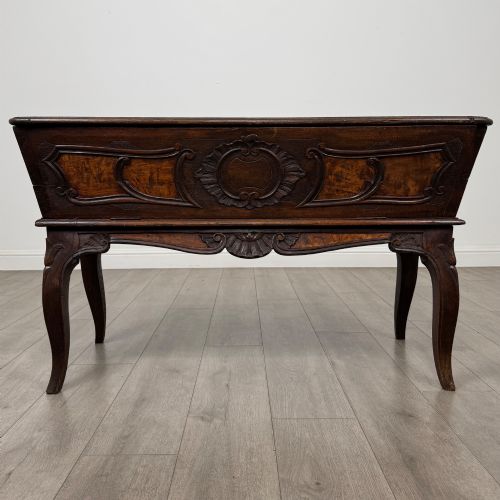
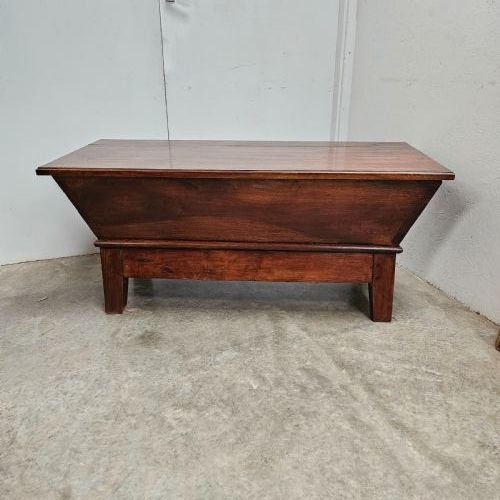
An antique dough table is a practical piece of country utility furniture prized for its broad surface and deep storage.
Antique Dough Table
When you search for an antique dough table, you are looking at utilitarian kitchen furniture designed for baking bread and preparing daily meals in country houses.
The pieces on this page span the nineteenth century and the early twentieth century, taking the form of dough bins, prep tables, bakers tables, and storage benches.
Origins include French provincial workshops and Scandinavian country kitchens, showing regional preferences in both timber choice and structural joinery.
You will most commonly encounter substantial pieces made from pine, elm, and walnut, often combining a heavy worktop with a deep storage box below.
Materials and construction
These pieces rely on heavy native timbers such as solid oak, elm, walnut, and pine, selected for their durability under rigorous kitchen work.
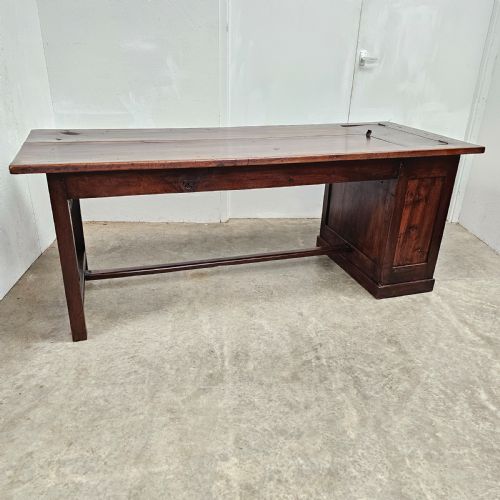
Worktops are often constructed from thick multi-board planks, sometimes featuring a two-board top joined to withstand kneading and rolling.
Structural elements include pegged joints and simple panel work, while occasional painted finishes appear on Scandinavian pieces.
Antique Dough Table Retail Price Guide 2026
Typical asking prices for dough table among the pieces listed under this phrase on Sellingantiques today, from the lower quarter to the upper quarter. They describe what is for sale here now, not the wider market.
Assessing quality and character
Quality rests in the integrity of the timber and the honesty of the wear, with tighter grain and heavier construction marking out superior examples.
The proportion between the working top and the integrated storage box dictates visual balance, with cleaner lines commanding more attention.
Surface texture tells the history of daily use, distinguishing pieces that retain their original patination from those stripped down.
The Antique Dough Table Glossary
- Dough bin
- A deep wooden box with a lid, used historically for rising bread dough before baking. It forms the base of many combined work tables.
- Bread prep table
- A heavy wooden table designed specifically for flour work, pastry rolling, and baking preparation. These often feature thick timber boards.
- Proving box
- A specialised container or coffer designed to maintain a stable environment for yeast dough to rise. They are usually integrated into kitchen furniture.
- Painted pine
- A common Scandinavian country finish where soft timber receives layers of oil-based paint for protection and decoration. Over time, this wears down to reveal the wood underneath.
Antique Dough Table: Frequently Asked Questions
What is an antique dough table?
An antique dough table is a utilitarian piece of kitchen furniture combining a flat wooden work surface with a deep internal storage box. These were essential in country houses for kneading and rising bread dough.
Most examples date from the nineteenth century and reflect the domestic routines of rural households in France and Scandinavia.
How were dough tables used?
Households utilised the sturdy top surface for rolling pastry, cutting vegetables, and kneading bread daily. The interior bin stored flour, grain, or rising dough away from pests.
After baking, the lid closed to provide an extra workspace in crowded farmhouse kitchens, making the furniture multi-functional.
How do I care for wooden worktops?
Maintain the timber by cleaning with a damp cloth and applying natural beeswax or food-safe oils periodically. Avoid harsh chemical cleaners that strip the historic patination.
Keep these tables away from direct heat sources and drastic humidity changes to prevent the heavy timber boards from splitting.