
Wooden Harvest Table
A wooden harvest table brings honest construction and generous proportions into a room, offering a sturdy surface designed for daily gatherings and long meals.
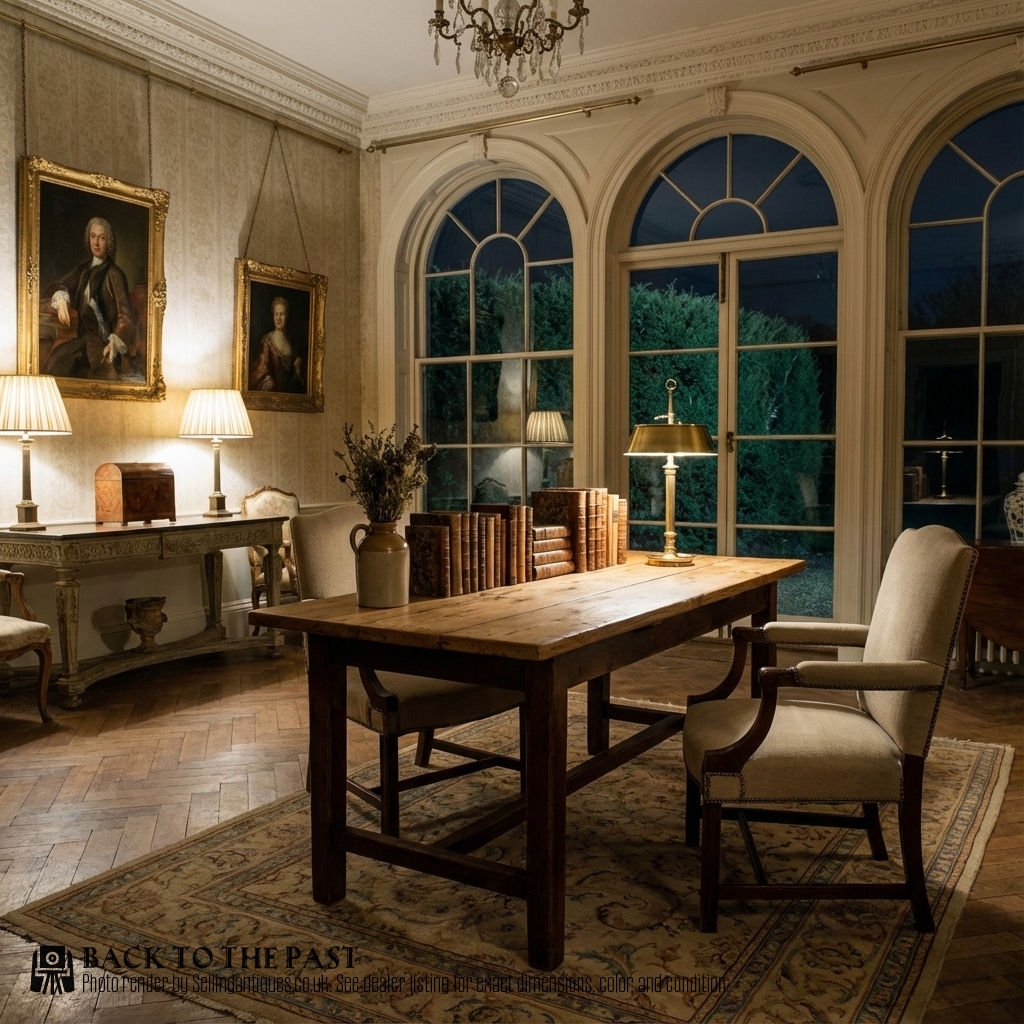
Wooden Harvest Table
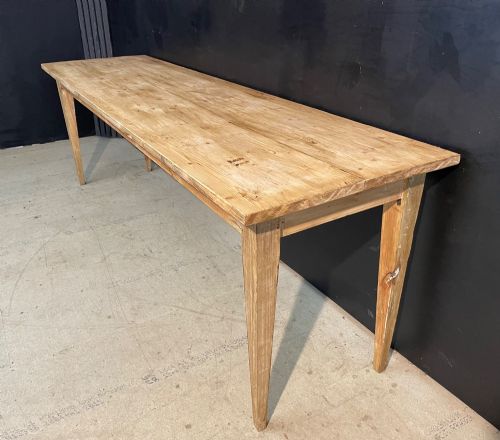
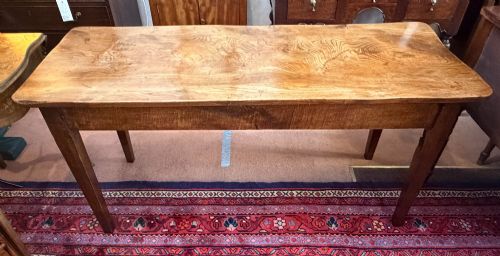
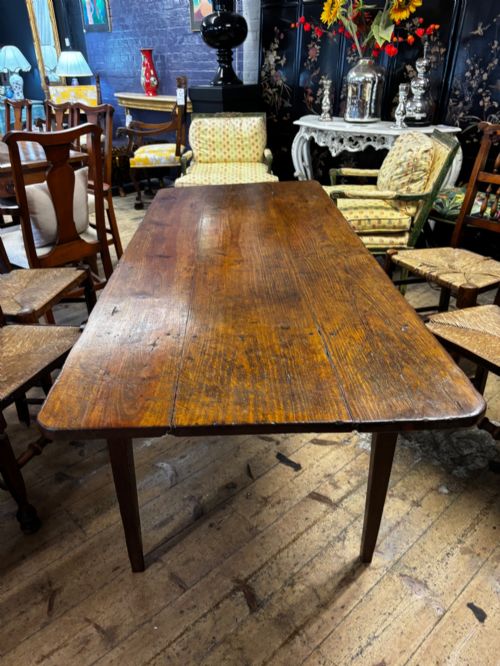
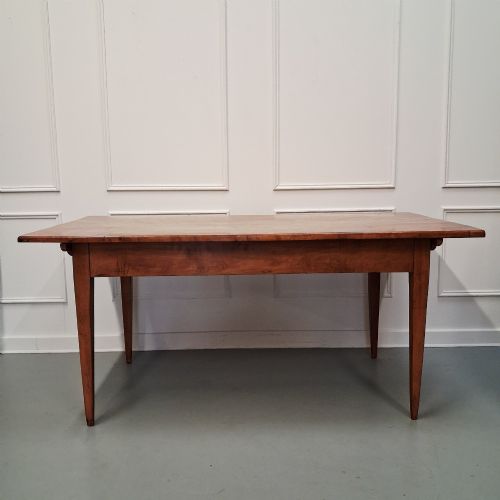
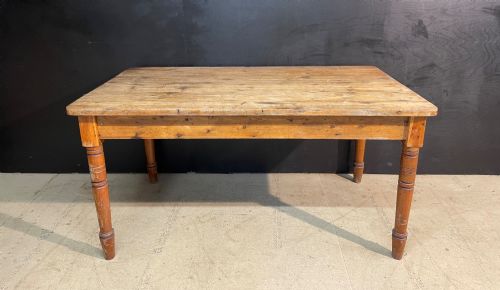
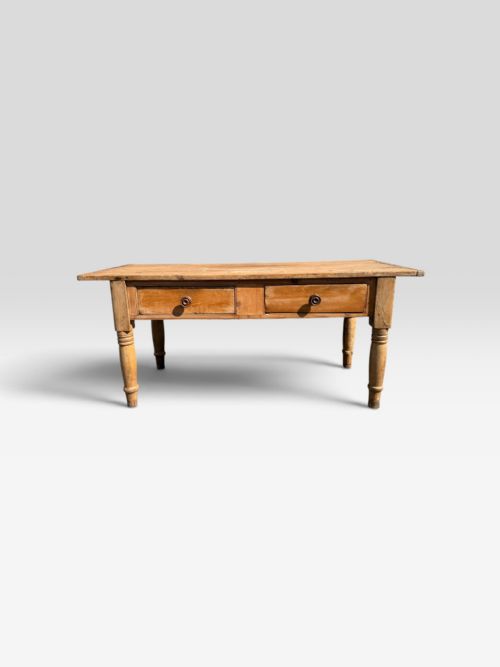
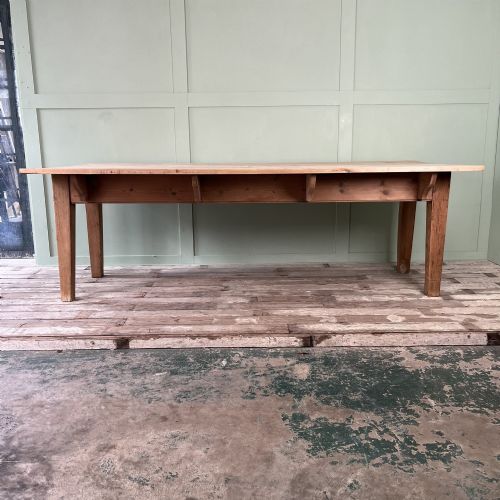
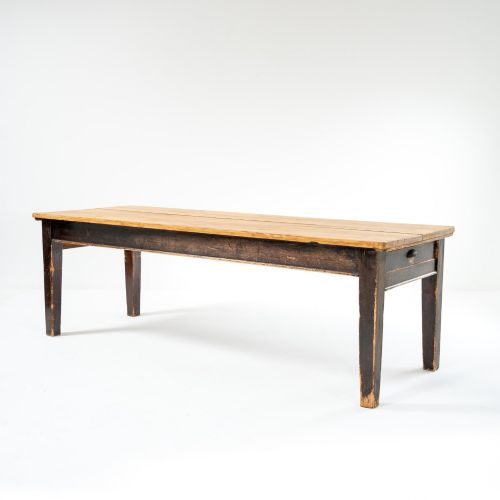
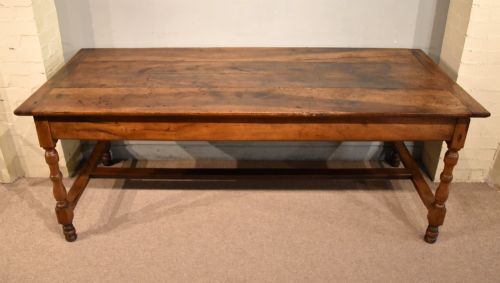
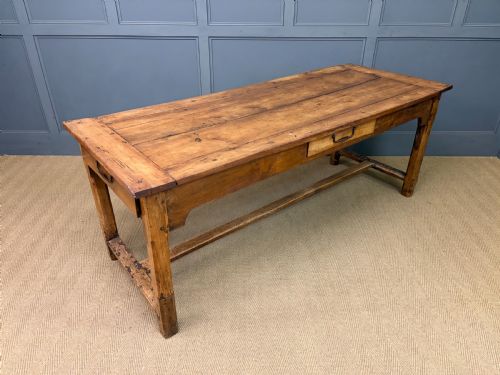
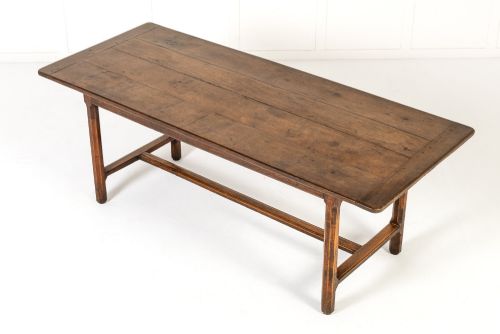
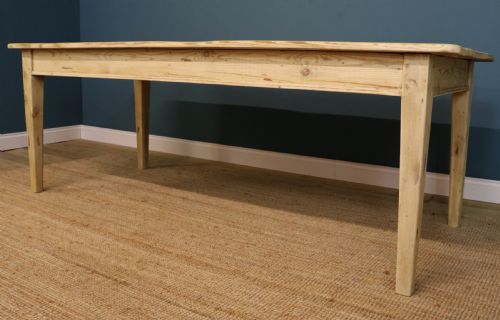
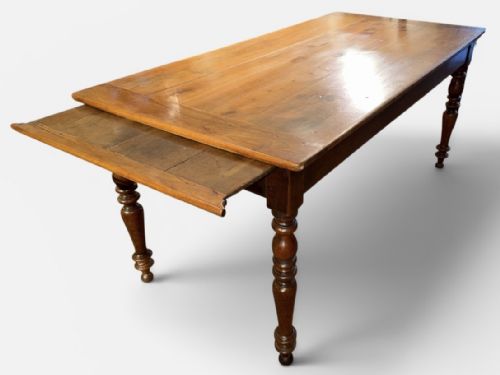
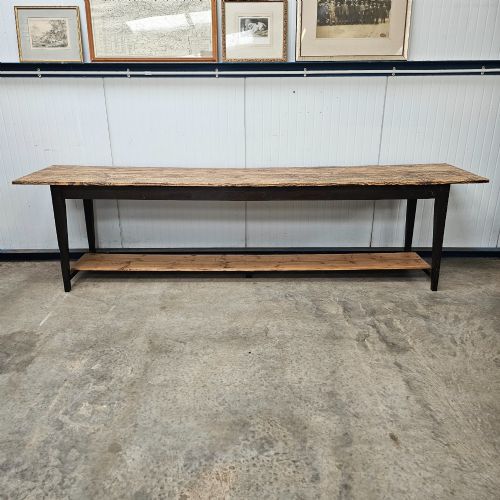
A wooden harvest table emerges primarily from nineteenth-century contexts, alongside eighteenth-century and early twentieth-century examples spanning English and French provincial workshops. These pieces appear as large dining tables, refectory tables, and serving tables built for communal use in domestic kitchens and dining spaces.
The most common versions met on this page are pine farmhouse tables and oak or fruitwood refectory tables, frequently measuring over eight feet in length. Regional variations include walnut and cherry timbers sourced from French and Italian traditions, alongside Welsh and English country house designs.
Makers built these objects to handle heavy daily labour, resulting in robust proportions, end stretchers, and scrubbed tops capable of seating numerous guests comfortably.
Materials and Construction
Carpenters relied predominantly on domestic hardwoods and softwoods, selecting pine, oak, fruitwood, elm, walnut, cherry, and ash depending on regional availability. Timbers were chosen for structural resilience, with scrubbed pine surfaces and dense oak frames forming the core of these constructions.
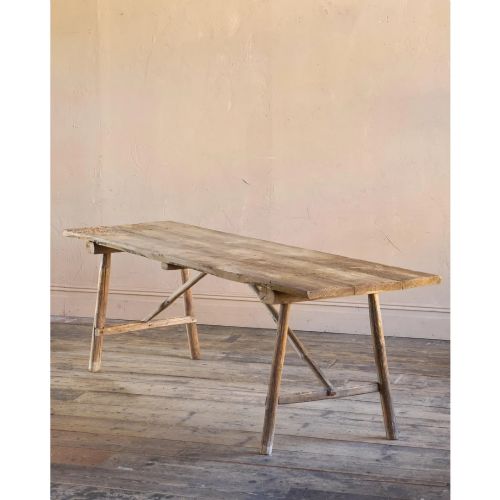
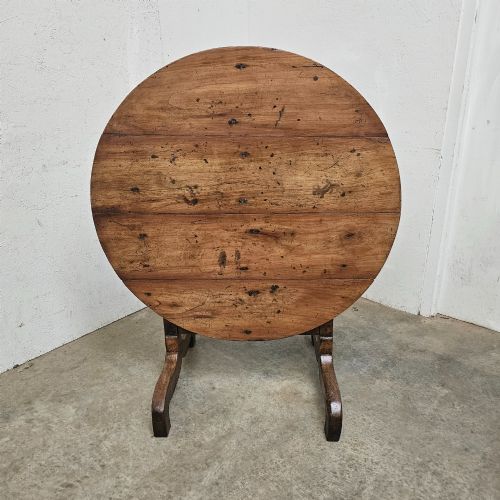
Joinery methods incorporated H-stretchers, end stretchers, and square section supports to stabilize long expanses of timber against warping during heavy domestic use. Folding mechanisms appear in specific regional formats such as vendange tables, utilising iron hardware alongside wooden components.
Wooden Harvest Table Retail Price Guide 2026
Typical asking prices for wooden harvest table among the pieces listed under this phrase on Sellingantiques today, from the lower quarter to the upper quarter. They describe what is for sale here now, not the wider market.
Several French tables show clever folding mechanisms designed to fold flat for transport between hillside vineyards and farmhouse cellars.
Standards of Execution
Quality separates primitive utility pieces from finer country house examples through the selection of timber and the sophistication of the underframe joinery. Superior tables utilise dense hardwoods like oak or walnut with well-balanced proportions and minimal structural intervention over time.
The treatment of the timber surface dictates visual merit, where natural scrubbed finishes or patinated fruitwood display the grain honestly without heavy modern stripping. Original stretcher supports and stable leg assemblies command greater respect than altered or reconstructed frames.
The Wooden Harvest Table Glossary
- Refectory table
- A long narrow dining table originally built for monastic dining halls and later adapted for domestic country house use. These pieces often feature stretcher rails running close to the floor for added stability.
- Scrubbed pine
- A soft timber surface cleaned repeatedly with water and an abrasive to achieve a pale, matte finish. This treatment removes accumulated grease while preserving the natural grain.
- Stretcher
- A horizontal wooden beam connecting the legs of a table to prevent them from bowing outward under heavy downward pressure. H-stretchers and end stretchers are common configurations.
- Fruitwood
- Timber harvested from fruit-bearing trees such as cherry, pear, or apple, known for fine grain patterns and warm tones. Cabinetmakers favoured these woods in French provincial workshops.
- Vendange table
- A specialised folding table utilised during grape harvests in France for sorting fruit or serving meals in the field. These items often combine wooden tops with folding iron or wooden supports.
Wooden Harvest Table: Frequently Asked Questions
How do I clean a wooden harvest table?
Maintain scrubbed pine and hardwood surfaces using a damp cloth and mild soap, avoiding harsh chemical polishes that strip natural oils. Regular dusting keeps the timber grain clear without damaging the historic patina.
Dry the surface immediately after wiping to prevent moisture penetration into the unsealed wood pores. Wax can be applied sparingly to hardwoods like oak or walnut to nourish the material.
Were these tables used outdoors originally?
Historical harvest tables served inside domestic farmhouses, kitchens, and communal dining rooms for daily meals and food preparation. Their robust construction handled heavy indoor work rather than prolonged exposure to weather elements.
While modern owners sometimes place them outside for seasonal gatherings, prolonged dampness damages historic timber joints and softens pine surfaces. Indoor placement remains essential for preserving nineteenth-century structures.
How do I tell pine from fruitwood?
Pine is a softwood displaying a pale, yellowish hue with distinct growth rings and knots typical of coniferous trees. It feels lighter in density and takes on a scrubbed matte appearance over decades of washing.
Fruitwood is a dense hardwood featuring a warmer, reddish-brown tone and a tighter, smoother grain pattern with minimal knots. It feels heavier and develops a rich polish through handling.
Why are some tables over ten feet long?
Community harvest tables were built to accommodate large farming families, farm labourers, and seasonal workers gathered for communal meals. Extended lengths required sturdy H-stretchers and thick timber tops to prevent sagging.
These generous proportions made them central fixtures in country kitchens across England and France. Today, those same dimensions suit modern dining spaces requiring substantial seating capacity.