
Vintage Refectory Table
A vintage refectory table brings long, low lines and solid timber construction to a dining room, offering serious surface space for daily meals.
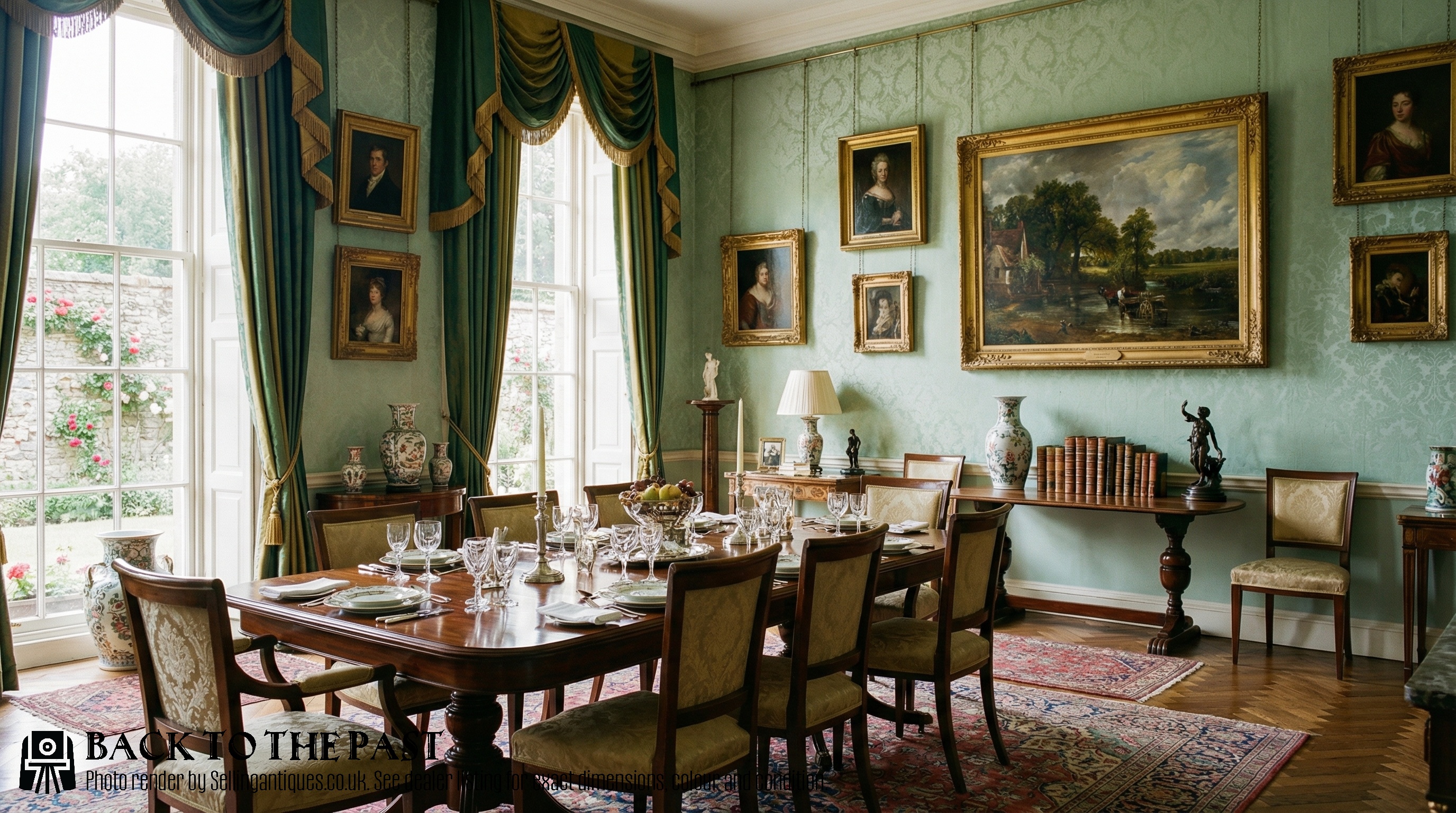
What a Vintage Refectory Table Is
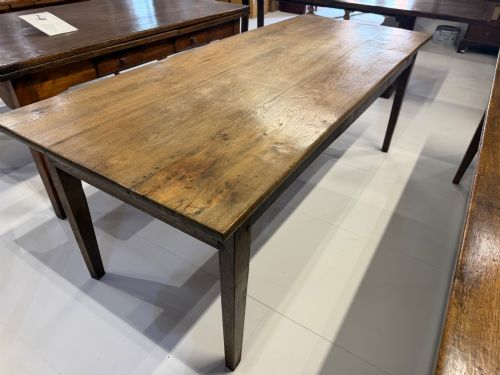
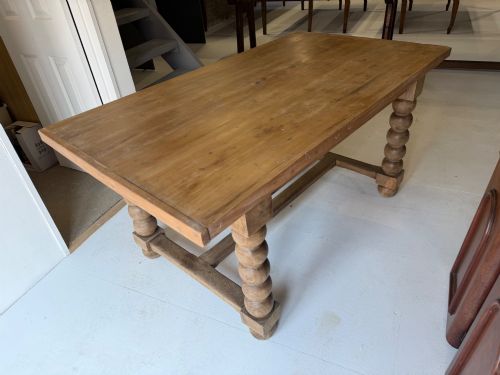
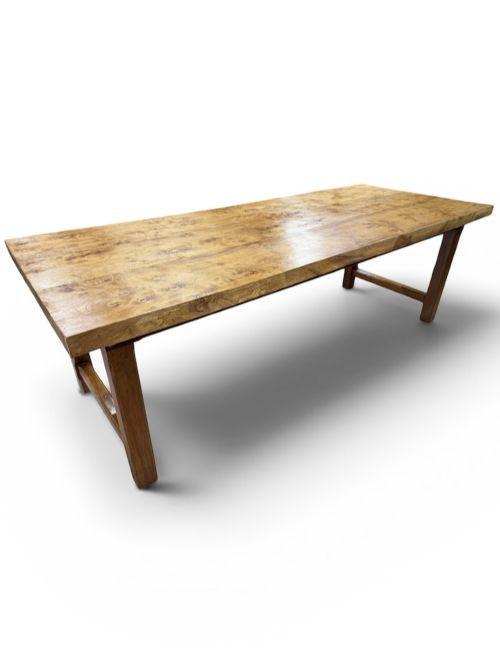
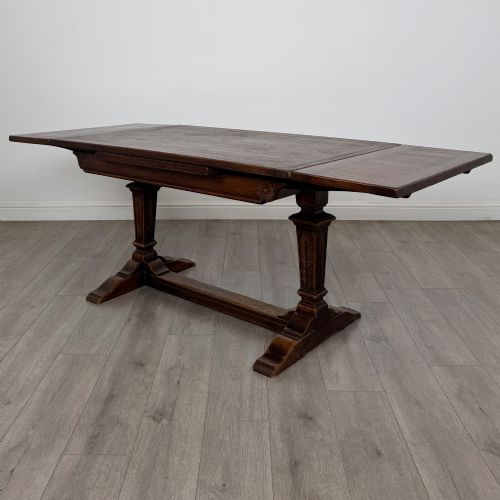
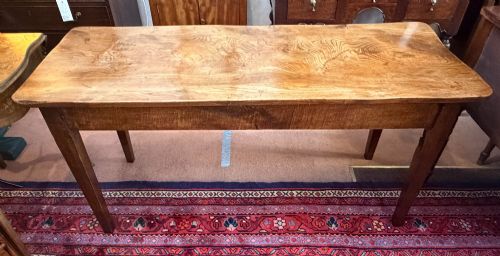
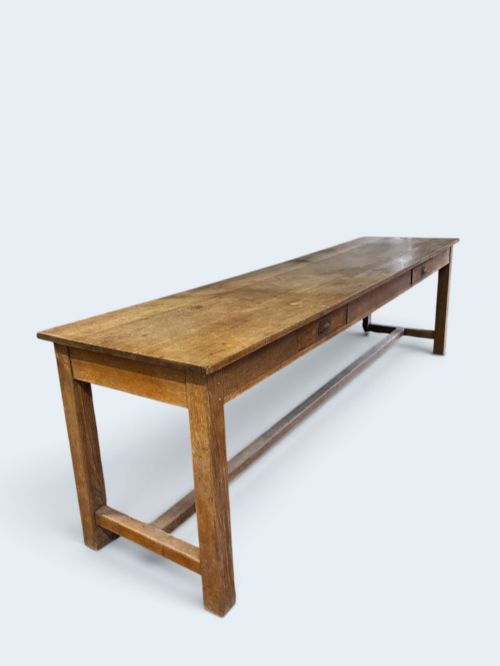
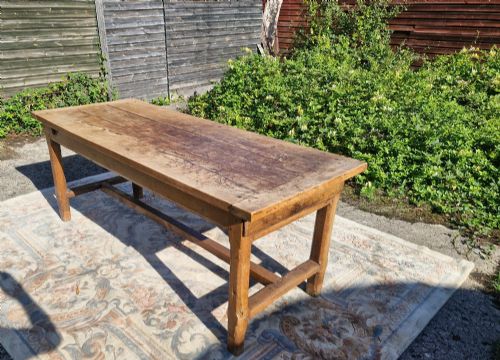
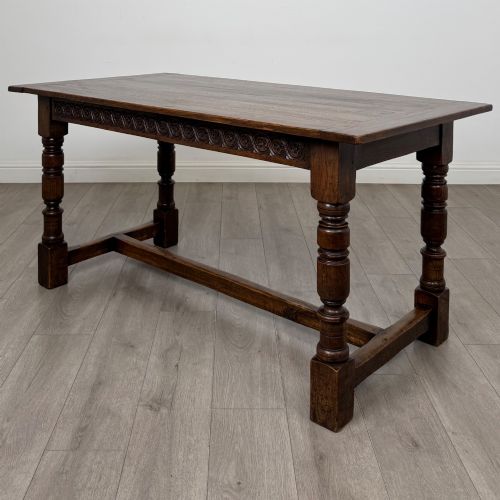
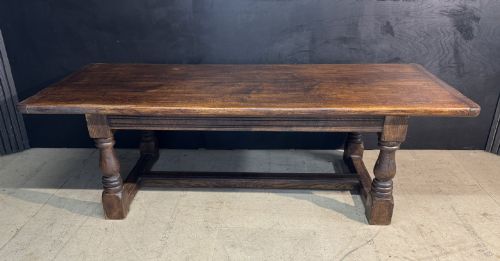
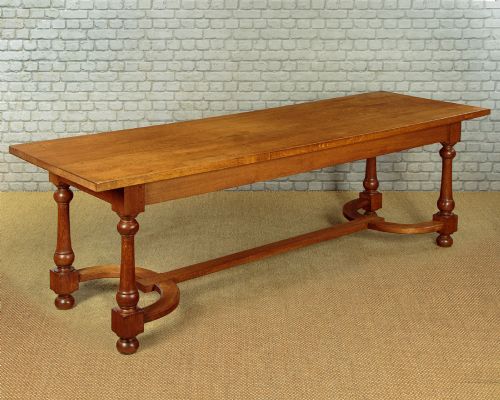
A vintage refectory table is a long dining table built for communal dining, typically featuring a timber top supported by sturdy legs or trestles. When searching this phrase, buyers encounter dining tables stretching from the nineteenth century into the twentieth century, built in oak, cherrywood, pine, and mahogany.
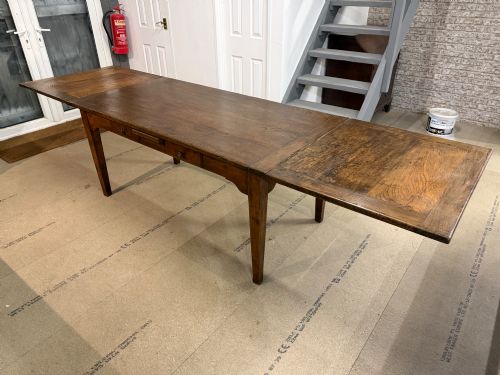
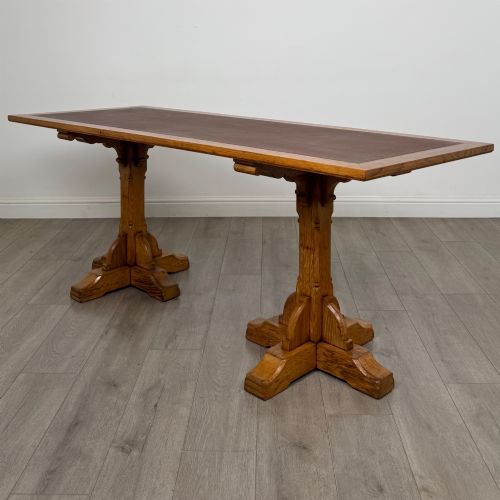
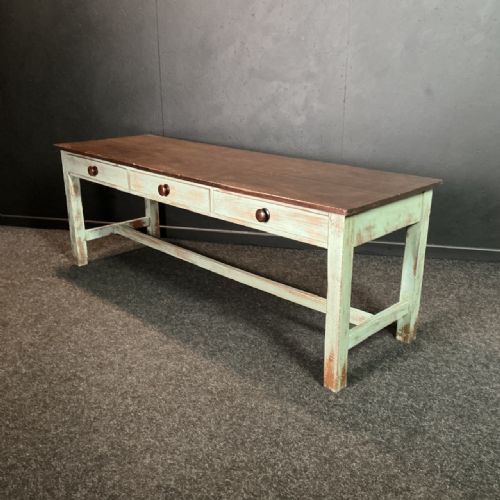
The versions most commonly met on this page span several distinct regional styles, including French Provincial, Tudor Revival, English Country, Rustic Farmhouse, and Gothic Revival. These pieces often incorporate practical mechanisms, such as double draw leaves or removable tops, designed to extend the surface when needed.
Originating from monastic and baronial dining halls, these vintage interpretations scale down that monastic presence for domestic interiors. The proportions remain generous, favouring length and width over compact footprints, which makes them ideal for central placement in larger rooms.
How They Were Made
Makers built these dining tables using solid hardwoods and softwoods, principally oak, cherrywood, pine, and mahogany, alongside general timber. Surfaces often display the natural grain and texture of the wood, sometimes treated with a bleached finish to lighten the overall tone.
Construction relies on traditional joinery techniques suited to heavy, long tops, ensuring structural stability across extended spans. Elements like double draw leaves and removable tops required precise carpentry to allow smooth expansion without compromising the strength of the main frame.
Retail Price Guide 2026
Typical UK retail prices for vintage refectory table, calculated from the Sellingantiques database of over a million retail prices indexed since 2003. This retail price guide relies exclusively on Sellingantiques data; no external sources or auction records are used, so the figures do not describe the wider market.
The listings span five decades of production, from the mid-nineteenth century through the 1930s, constructed in oak, cherrywood, pine, and mahogany.
What Varies in Quality
Quality rests in the choice of timber and the integrity of the joinery, distinguishing heavy, stable hardwoods from lighter utility builds. Oak and cherrywood versions command attention through dense grain patterns and substantial weight, whereas pine and general timber pieces offer a lighter aesthetic.
The sophistication of the stylistic revival also separates standard examples from finer ones, with Tudor Revival and Gothic Revival details showing deeper carving and more resolved proportions. Furthermore, mechanical elements like draw leaves operate with greater precision on superior tables, maintaining alignment when fully extended.
The Vintage Refectory Table Glossary
- Draw leaf
- An extension mechanism where two leaves slide out from beneath the main top, increasing the table length. This allows the surface to expand easily.
- Removable top
- A table design where the main surface lifts off the base structure. This method aids transportation and historic construction.
- Bleached oak
- Timber treated to lighten its natural dark colour, creating a softer finish. This treatment appears frequently in French provincial pieces.
Frequently Asked Questions
How do I seat people comfortably around a vintage refectory table?
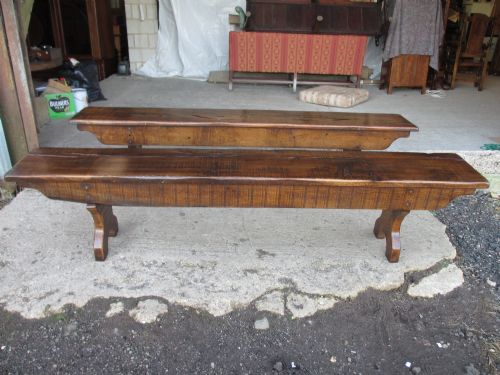
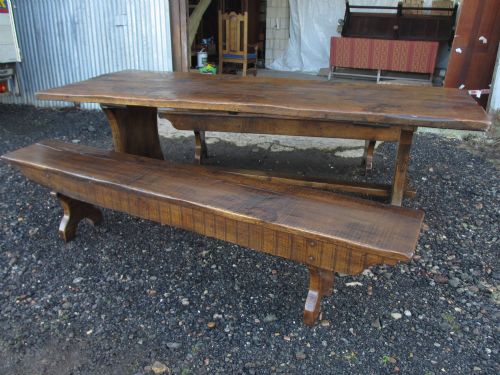
The long, narrow proportions allow chairs to line up easily along both flanks without crowding diners. Benches or mix-and-match seating often work well with rustic or farmhouse styles.
Take note of the underframe clearance, as stretcher rails positioned low between the legs can restrict legroom or foot placement for taller guests.
What is the difference between a refectory table and a farmhouse table?
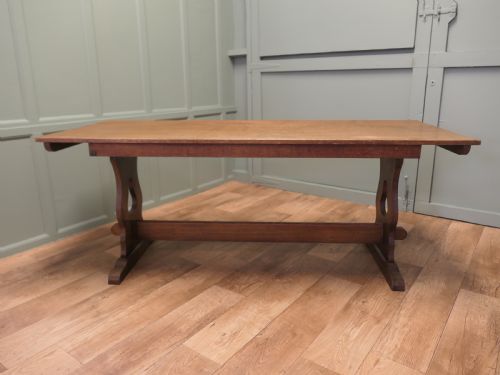
Refectory tables generally emphasise a long, narrow format originally derived from monastic halls, often featuring central stretchers or trestle supports. Farmhouse tables lean towards domestic utility with straightforward four-leg configurations.
Both categories overlap considerably in vintage markets, drawing on similar periods and regional styles like English Country and French Provincial.
How do I protect the wooden surface of a vintage table during daily use?
Solid timber surfaces benefit from regular waxing or oiling to nourish the grain and provide a barrier against moisture. Using placemats and coasters prevents heat marks and rings from forming on the aged wood.
Avoid placing these tables in direct sunlight or next to intense heat sources, which can cause the historic timber to dry out and split.
Can I use a vintage refectory table in a modern interior?
The clean lines of these long wooden tables complement contemporary spaces by adding warmth and natural texture. Pairing them with modern chairs creates a striking contrast between old and new design elements.
Ensure you measure the room carefully to allow adequate walking space around the generous length of the table before settling on its placement.