

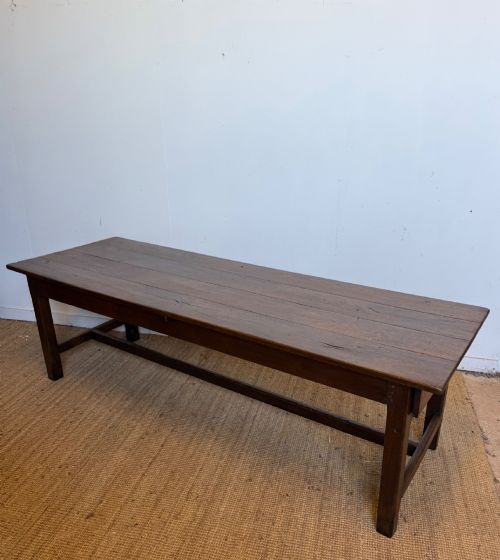
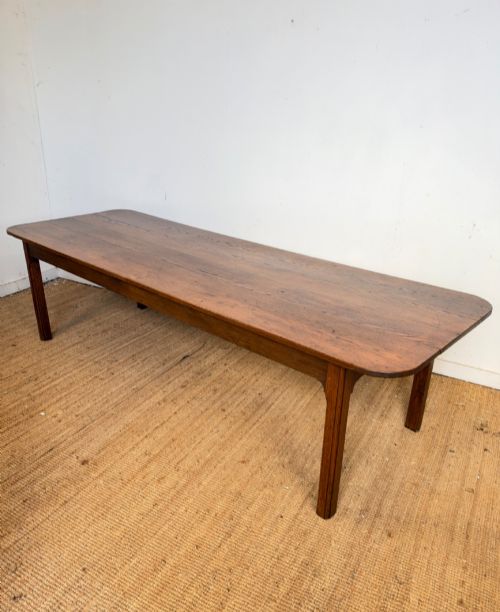
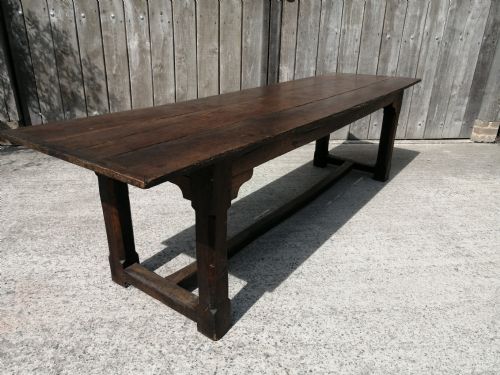
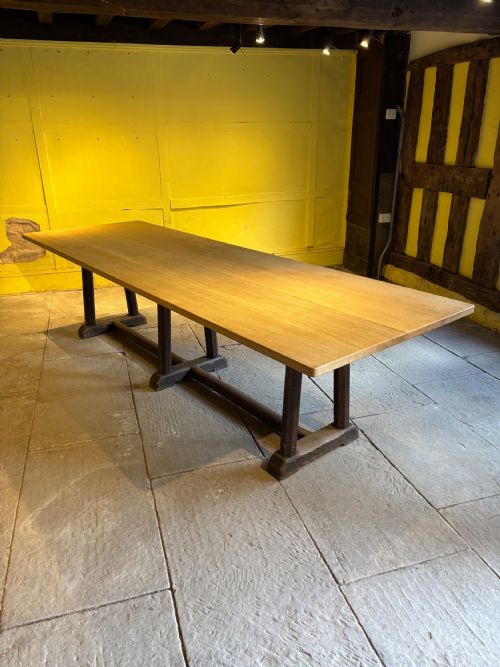
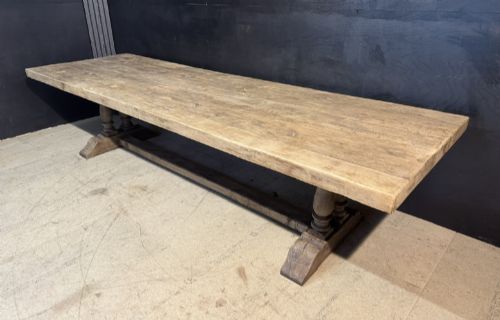
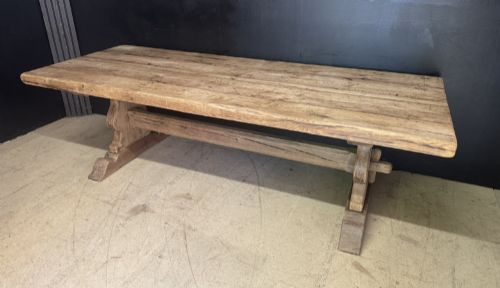
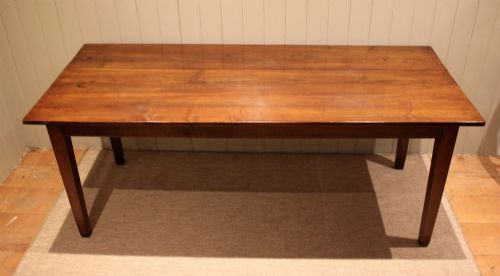
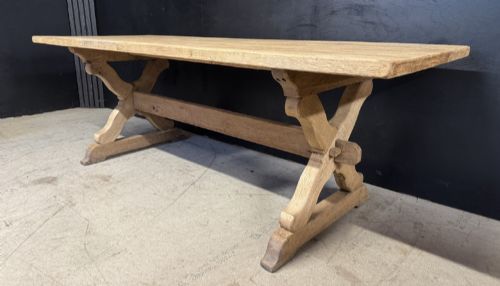
Rustic Oak Refectory Table
A rustic oak refectory table brings sturdy timber and centuries of domestic life directly into a modern dining room.
Rustic Oak Refectory Table
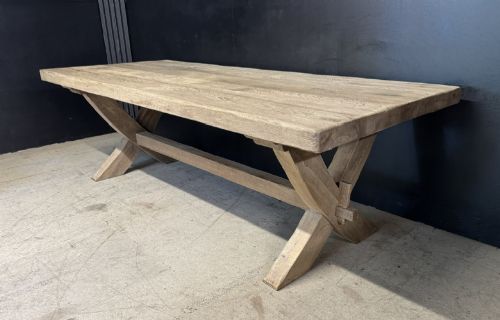
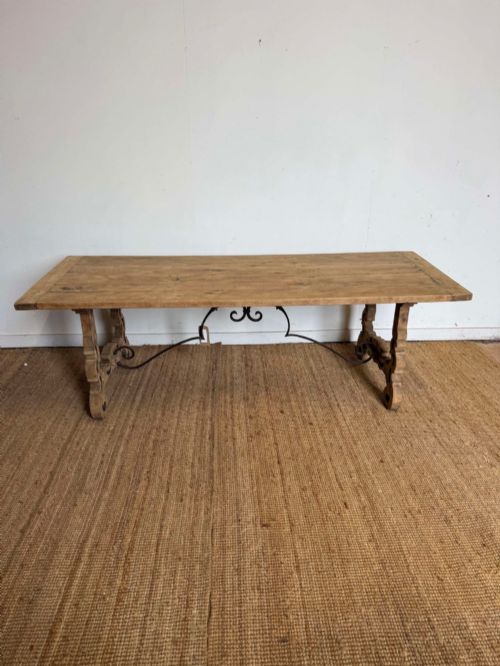
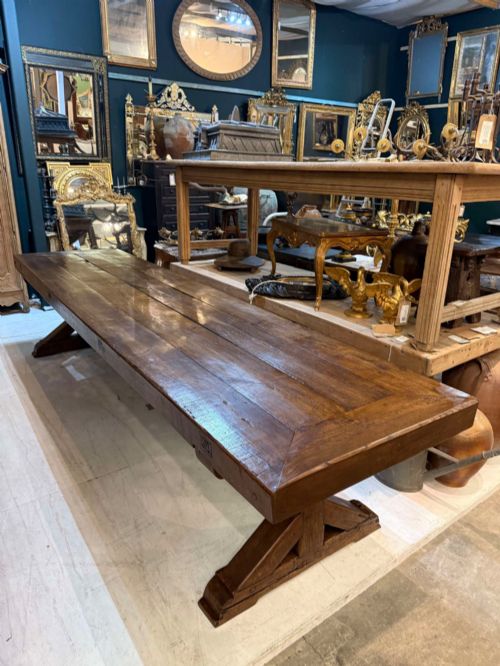
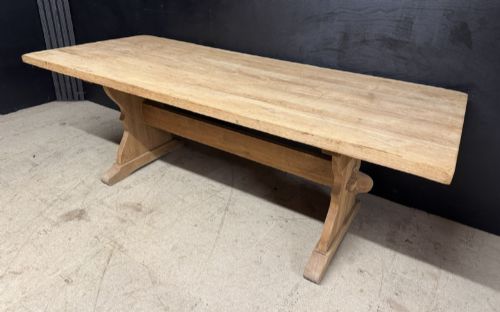
When searching for a rustic oak refectory table, buyers encounter long, substantial dining surfaces designed originally for communal halls and large kitchens. These pieces span centuries of craftsmanship, appearing most frequently in nineteenth-century interpretations alongside earlier eighteenth-century examples.
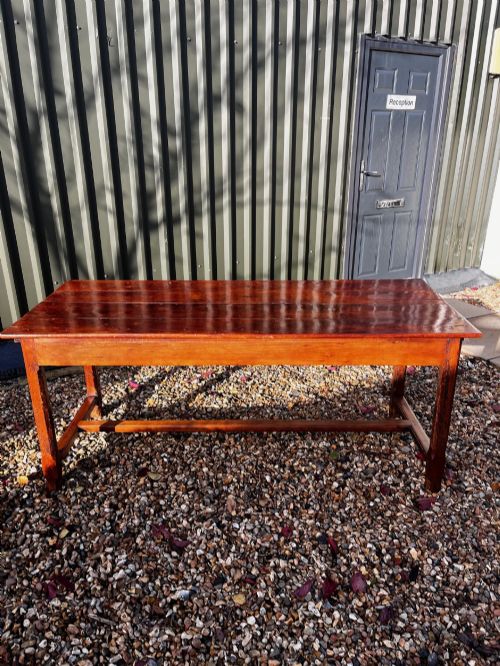
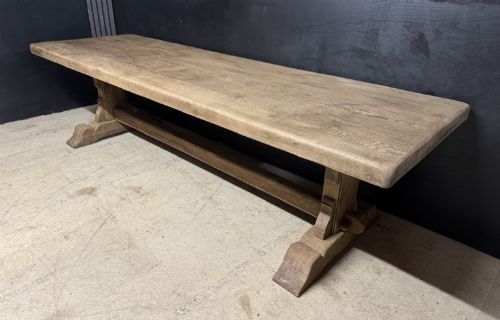
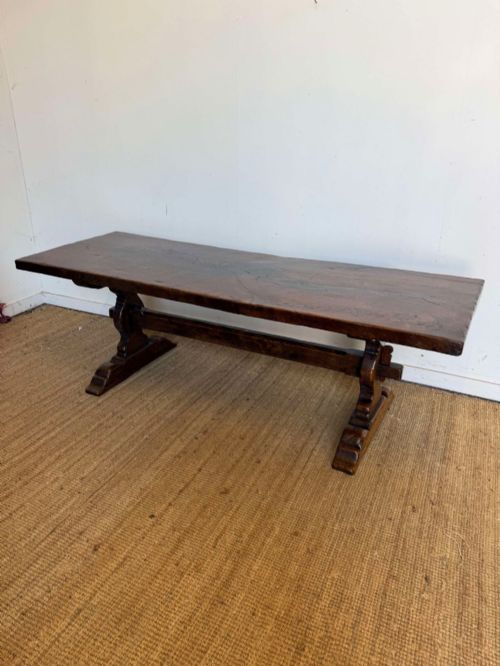
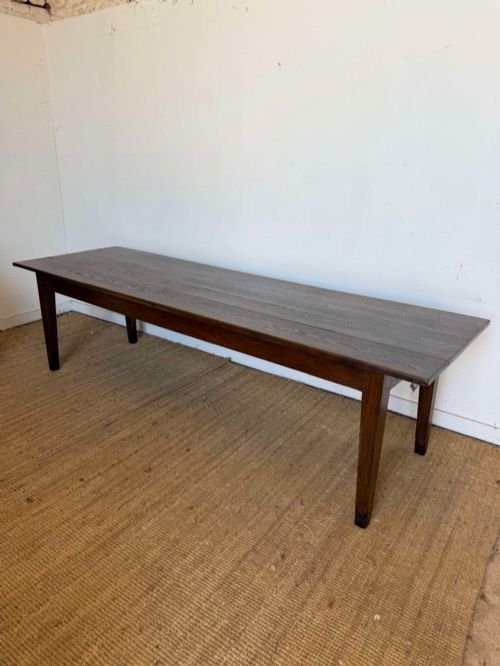
The forms vary from simple farmhouse boards resting on trestle ends to extended dining tables with single-plank timber tops. Secondary woods such as elm, beech, and pine often join the primary oak structure across these listings.
Origin plays a strong role in the available inventory, with French provincial and English country styles dominating the market. Buyers regularly find variants featuring drawers, stretcher bases, and tapered legs suitable for daily gatherings.
Materials and Construction
Solid oak provides the primary structural integrity for these tables, selected for its density and durability. Cabinetmakers frequently paired this heavy timber with elm or pine for secondary components like table tops and underframes.
Construction techniques rely heavily on pegged joints, sturdy stretcher bases, and occasionally adzed surfaces worked by hand. Metal elements such as iron appear selectively in bracing or hardware to reinforce the substantial wooden frames.
Rustic Oak Refectory Table Retail Price Guide 2026
Typical asking prices for rustic oak refectory table among the pieces listed under this phrase on Sellingantiques today, from the lower quarter to the upper quarter. They describe what is for sale here now, not the wider market.
Listings feature solid oak alongside elm, pine, and beech across nineteenth-century and earlier periods.
Judging Quality and Character
Quality rests heavily on the integrity of the timber top, where single-plank surfaces command greater appreciation than multi-board constructions. The depth of the grain, natural patination developed through age, and the rigidity of the underframe distinguish finer examples.
Proportion and structural balance separate exceptional pieces from heavier, less refined utility tables. Subtle details in the shaping of trestle ends and the tightness of historic joinery indicate superior workshop execution.
Jack Grimble of Cromer
The Rustic Oak Refectory Table Glossary
- Refectory table
- A long dining table historically used in monastic dining halls. These pieces are characterised by their elongated proportions and sturdy underframes.
- Trestle ends
- Support structures positioned at either end of a table rather than standard corner legs. They often feature shaped timber or central beams for added stability.
- Adzed timber
- Wood surfaces shaped and textured using a traditional hand tool called an adze. This leaves distinct, shallow scoop marks across the oak.
- Stretcher
- A horizontal wooden rail connecting the legs or trestles of a table to prevent swaying. They frequently show wear from years of resting feet.
- Single-plank top
- A table surface constructed from one wide board of timber rather than multiple joined planks. Such tops indicate the use of exceptionally mature trees.
Rustic Oak Refectory Table: Frequently Asked Questions
How do I seat eight people comfortably?
Long refectory surfaces naturally accommodate benches or multiple chairs along their extended flanks. Measuring the distance between trestle ends ensures adequate legroom for diners.
Selecting tables with recessed bases prevents legs from obstructing chairs placed near the ends.
Are these tables suitable for daily family use?
Solid oak and heavy timber construction make these pieces resilient enough for daily kitchen and dining activities. Their historic surfaces already bear the marks of previous domestic life, meaning new use adds to their character.
Routine maintenance involves simple waxing to protect the wood from moisture and daily wear.
How do I distinguish eighteenth from nineteenth-century pieces?
Earlier eighteenth-century examples frequently feature single-plank tops, hand-adzed textures, and pegged joinery executed entirely by hand. Nineteenth-century versions often incorporate mechanical sawing and standardised hardware.
Examining the underside reveals tool marks and construction methods characteristic of different periods.
What is the difference between English and French styles?
English farmhouse and refectory tables tend to feature darker oak, heavier proportions, and straightforward structural framing. French provincial variants often display lighter bleached oak, fruitwood elements like cherry, and softer shaping.
Both traditions prioritize sturdy timber suited for communal dining.