

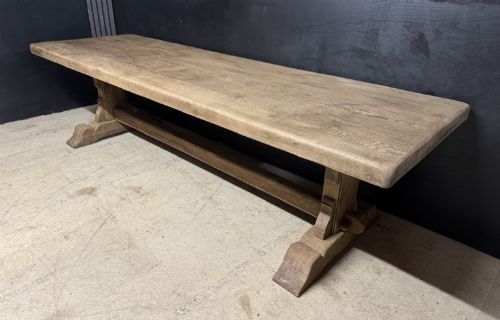
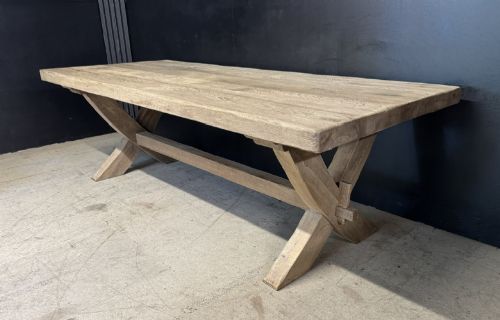
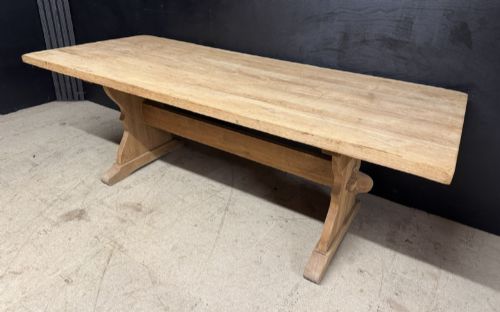
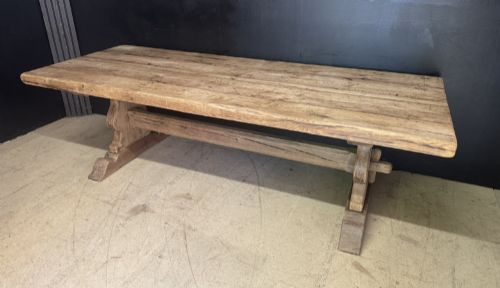
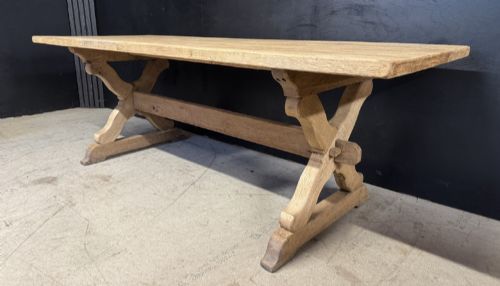
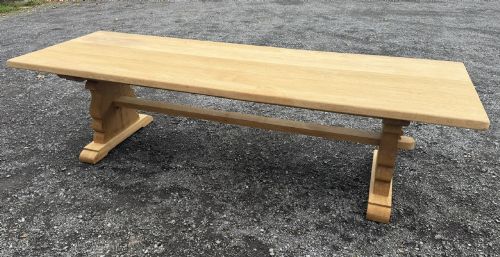
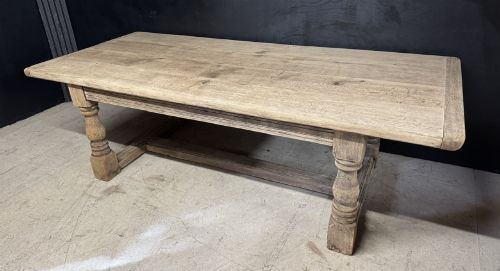
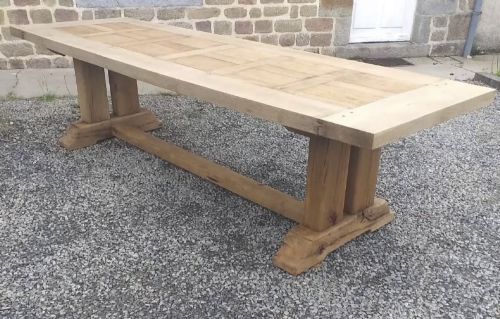
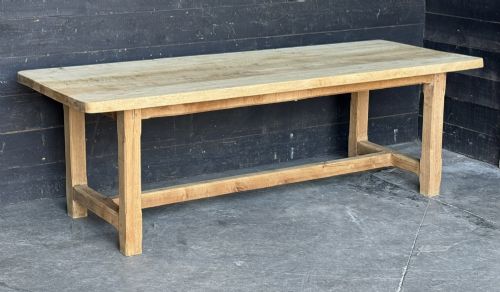
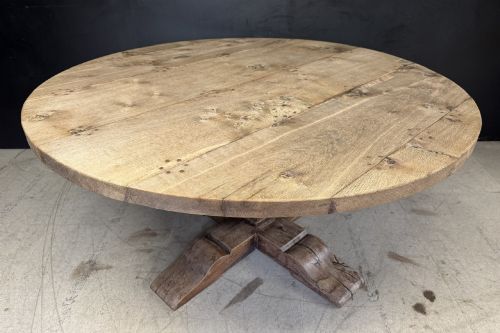
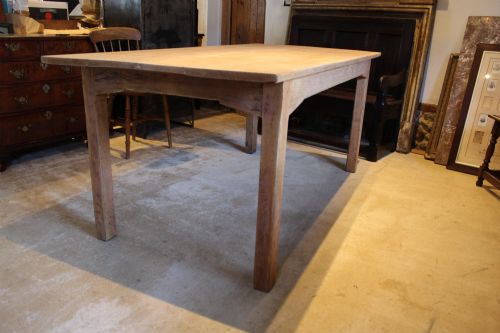
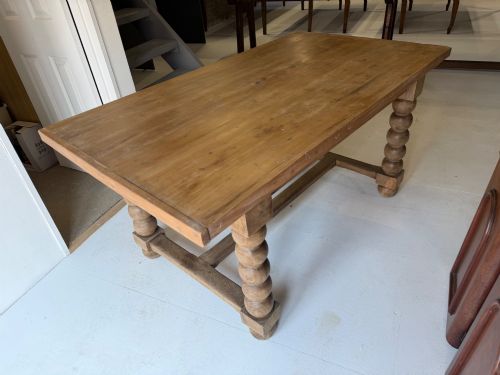
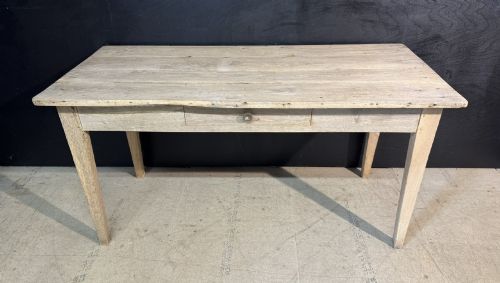
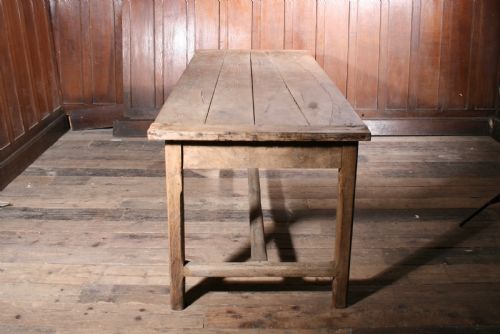
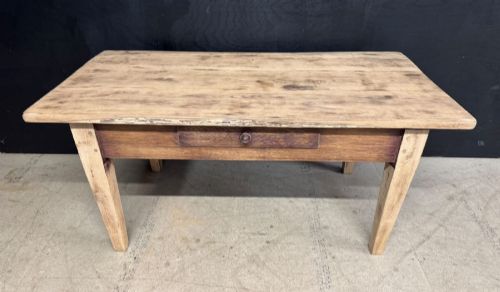
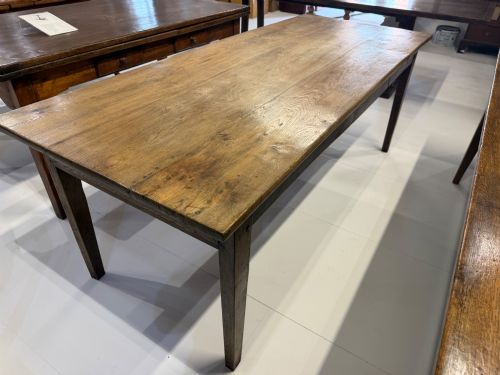
Natural Oak Farmhouse Table
A natural oak farmhouse table anchors a room with honest warmth and solid utility, bringing centuries of domestic history straight into modern dining spaces.
Natural Oak Farmhouse Table
A natural oak farmhouse table represents a central piece of utilitarian furniture designed for daily communal dining and domestic labour. These pieces embody enduring utility through heavy timber construction and straightforward architectural lines.
The selections available here span the nineteenth century, the Victorian era, and the nineteen twenties. Buyers most frequently encounter French provincial examples alongside large Victorian kitchen dining tables and substantial nineteenth century country pieces.
Makers constructed these tables from sturdy native timbers, frequently utilising solid oak or scrubbed oak surfaces. Lengths vary considerably, accommodating intimate settings as well as grander dining rooms measuring up to three metres.
Construction and Materials
Craftsmen built these tables using heavy solid oak timbers designed to withstand generations of daily domestic use. Surfaces often feature a waxed, painted, bleached, or scrubbed finish that highlights the natural grain of the wood.
Structural support frequently incorporates iron hardware alongside traditional joinery methods to ensure stability across large expanses. Tapered legs and robust frames provide the necessary foundation for heavy multi-piece or ten-seater dining arrangements.
Natural Oak Farmhouse Table Retail Price Guide 2026
Typical asking prices for natural oak farmhouse table among the pieces listed under this phrase on Sellingantiques today, from the lower quarter to the upper quarter. They describe what is for sale here now, not the wider market.
Listings feature solid oak and scrubbed oak tables spanning the Victorian era, the nineteenth century, and nineteen twenty.
Assessing Quality and Character
Quality in these tables rests upon the integrity of the timber selection and the honesty of the ageing process. Pieces featuring thick solid oak boards and well-balanced proportions command greater appreciation than lighter constructions.
Surface treatment significantly influences the aesthetic impact, where historic bleached finishes or carefully scrubbed oak demonstrate a superior handling of the material over time. Characterful patination accumulated through decades of use distinguishes finer country examples from utilitarian modern reproductions.
The Natural Oak Farmhouse Table Glossary
- Scrubbed oak
- Oak timber that has been repeatedly scoured with water and brush to achieve a pale, clean, matt finish. This treatment was historically common in hardworking kitchens.
- Solid oak
- Timber construction utilising genuine hardwood throughout rather than veneered surfaces. This ensures maximum durability and longevity for large dining furniture.
- French provincial
- A regional style originating from provincial France that emphasises practical utility and understated elegance. These designs typically feature restrained ornamentation and sturdy frames.
- Golden oak
- A specific warm honey tone achieved in oak timber either through age, wax applications, or specific finishing techniques. It highlights the natural medullary rays in the wood grain.
Natural Oak Farmhouse Table: Frequently Asked Questions
How do I clean a scrubbed oak table?
Clean scrubbed oak surfaces using a damp cloth and mild soap, avoiding harsh chemical cleaners that strip the natural grain.
Dry the timber thoroughly afterwards to prevent moisture rings and maintain the pale matt finish characteristic of nineteenth century country pieces.
Are these tables suitable for daily family use?
These tables were originally built for heavy kitchen and farmhouse duties, making them exceptionally robust for contemporary family dining.
Solid oak construction ensures the timber handles regular activity while accumulating a deeper historic patina over time.
What is the difference between French and Victorian styles?
French provincial styles tend to feature softer lines and regional rustic charm suited to informal dining environments.
Victorian kitchen dining tables often incorporate larger proportions, accommodating ten seaters or robust iron hardware for heavy domestic service.
How do I identify a nineteenth century piece?
Examine the construction methods, tool marks, and board widths visible on the underside and surface of the table.
Nineteenth century country furniture typically displays heavier solid oak timbers and tapered legs indicative of traditional hand tool production.