

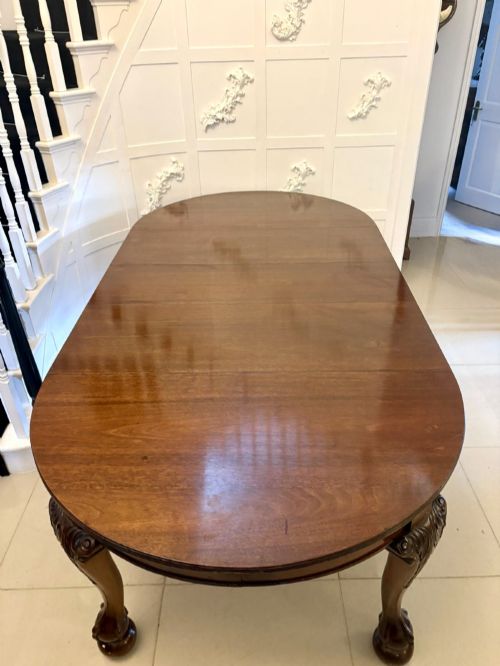
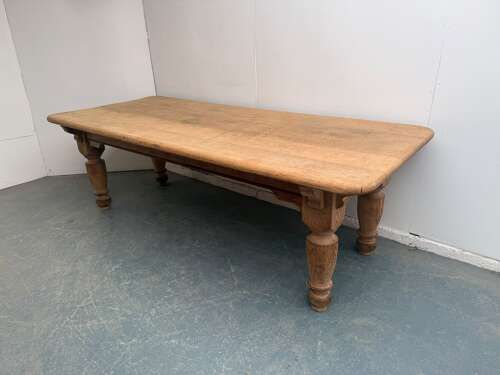


10 Seater Dining Table
A 10 seater dining table provides the scale and presence needed to seat large gatherings comfortably.
10 Seater Dining Table
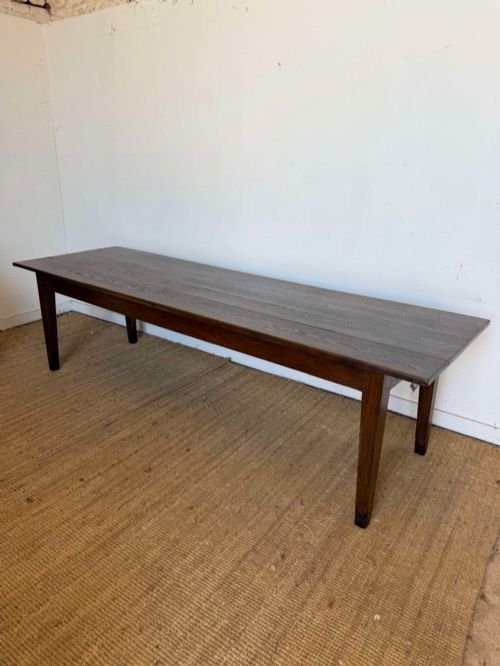
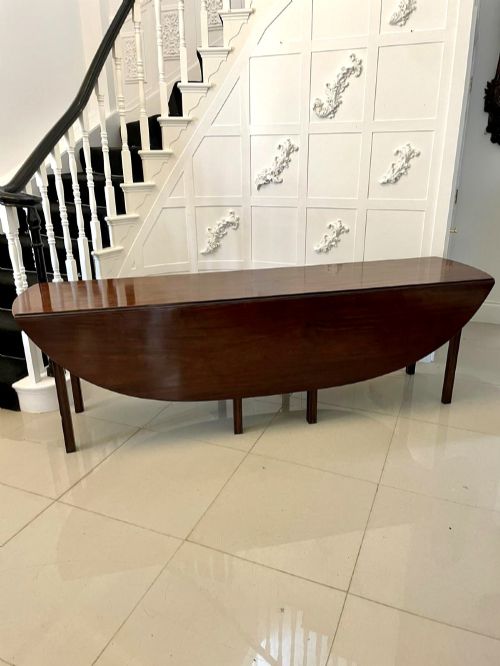
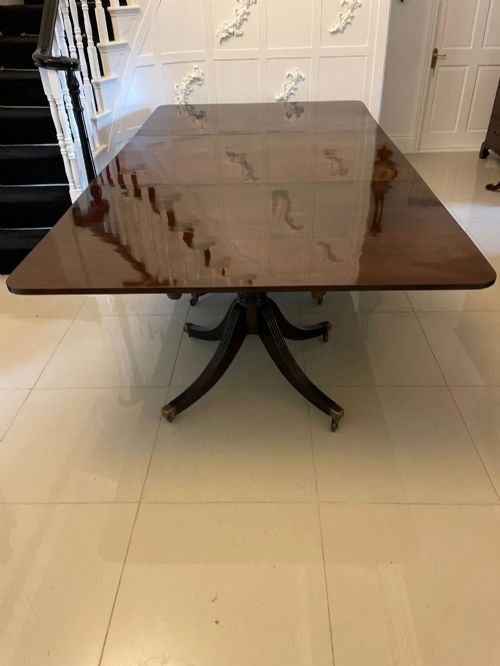
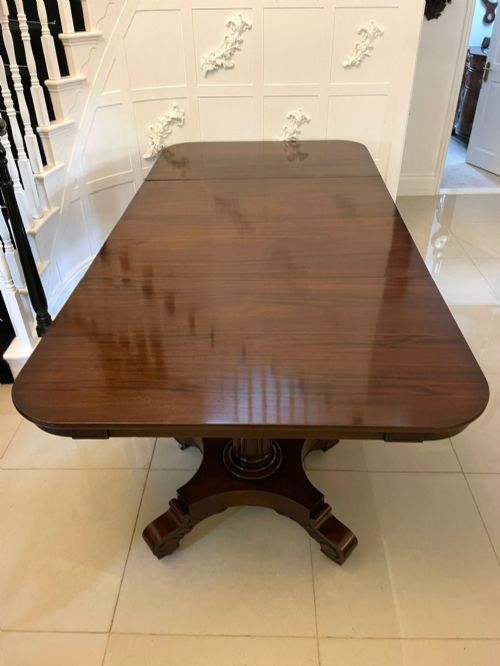
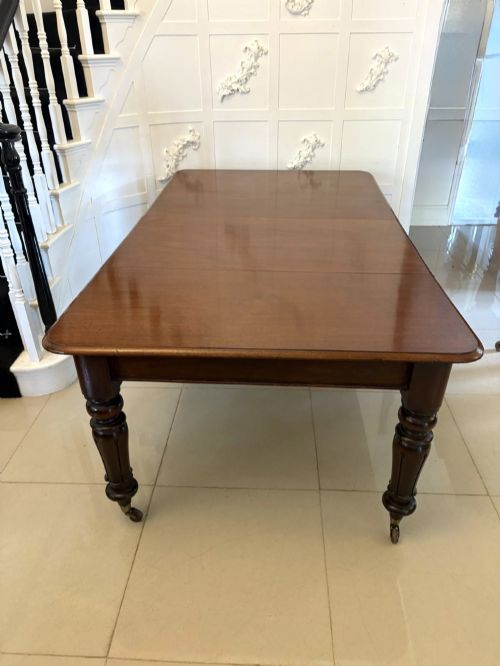
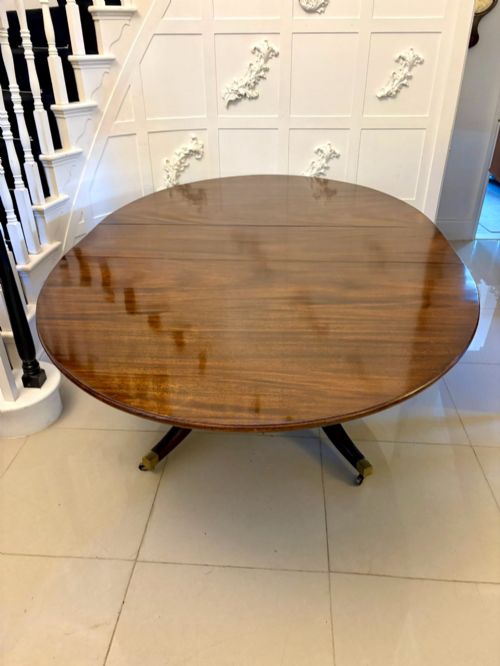
A 10 seater dining table serves as a substantial centrepiece for large gatherings, designed to accommodate family and guests with ease. These boards and frames span centuries of craftsmanship, ranging from formal pedestal designs to robust vernacular boards.
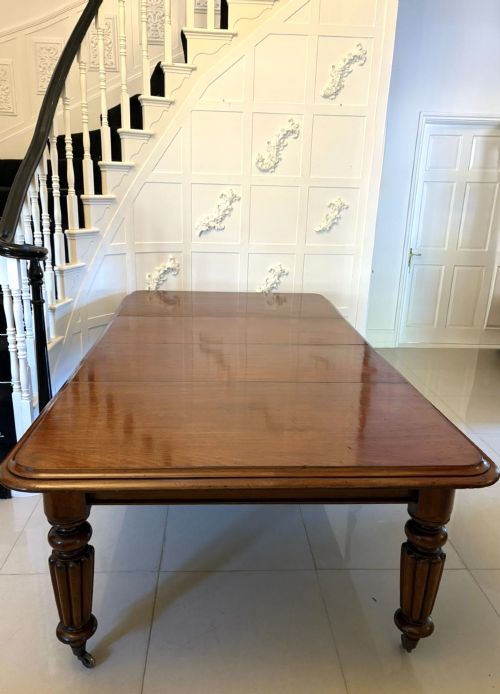
Mahogany examples dating from the Victorian and Georgian periods appear frequently alongside oak and burr walnut constructions. Buyers encounter wind-out extending formats as well as solid refectory boards suited to expansive dining rooms.
How They Were Made
Cabinet makers utilised dense hardwoods like mahogany, oak, and walnut, often applying figured veneers to table tops to create striking grain patterns. Brass fittings reinforced extension mechanisms, while hand-carved details adorned pedestals, legs, and aprons.
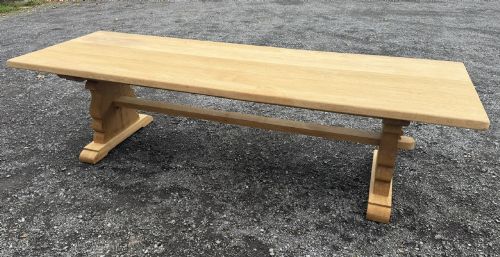
Refectory and farmhouse builds relied on sturdy mortise and tenon joinery to support heavy timber tops. Polishing techniques using wax or French polish brought out the natural depth of the wood.
10 Seater Dining Table Retail Price Guide 2026
Typical asking prices for 10 seater dining table among the pieces listed under this phrase on Sellingantiques today, from the lower quarter to the upper quarter. They describe what is for sale here now, not the wider market.
Several tables come with extra leaves that remember how to slide apart just for Sunday roast.
What Varies in Quality
The selection of timber grain heavily dictates the visual weight of a piece, with highly figured mahogany or burr walnut marking the upper tier of production. Structural integrity within the extension mechanism also separates standard utilitarian boards from finer cabinet work.
Hand-carved ornamentation on legs and pedestals shows the individual skill of the maker. Proportions remain balanced on superior examples, whereas lesser pieces may lack refinement in their underframes.
The 10 Seater Dining Table Glossary
- Extending table
- A table designed with internal leaves and a mechanical system to lengthen the top. This allows the surface to expand for larger groups.
- Pedestal base
- A central column or cluster of columns supporting the table top instead of four corner legs. This configuration helps maximise legroom for seated guests.
- Wind-out mechanism
- A geared mechanical system operated by a handle that parts the table top to insert leaves. It became common during the nineteenth century.
- Refectory table
- A long, narrow dining table traditionally built for communal dining halls. These sturdy pieces usually feature thick wooden tops and stretcher bases.
10 Seater Dining Table: Frequently Asked Questions
How do I measure for a 10 seater dining table?
Allow sufficient clearance around the perimeter of the room so chairs pull out freely without hitting walls. A length of at least eight feet typically accommodates ten diners comfortably.
Consider the width of the board as well to ensure serving dishes fit down the centre. Pedestal bases offer more flexibility for chair placement than fixed corner legs.
What is a wind-out dining table?
A wind-out table uses an internal metal screw mechanism operated by a crank handle to separate the halves of the top. This allows extra leaves to drop into the middle.
Mechanisms require periodic maintenance to keep the wooden runners moving smoothly. The leaves store separately when the table sits at its shorter length.
How do I care for antique mahogany surfaces?
Protect the polish from direct sunlight and excessive heat to prevent fading or splitting. Apply high-quality beeswax regularly to nourish the timber.
Use coasters and placemats beneath glasses and hot dishes. Wipe spills promptly with a dry or slightly damp cloth.
Can I use an antique farmhouse table every day?
Refectory and farmhouse tables were built for heavy domestic use and handle daily meals reliably. Oak and fruitwood surfaces tolerate normal household activity well.
Patina builds up over decades of regular dining. Routine cleaning with mild soap and water preserves the historic finish.