

Vintage Extension Table
A vintage extension table brings adaptable scale to the dining room, moving effortlessly from daily family meals to larger gatherings.
Vintage Extension Table
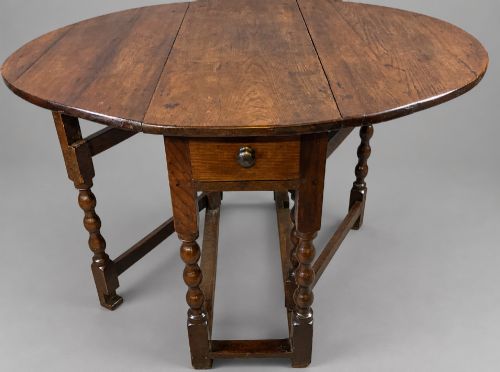
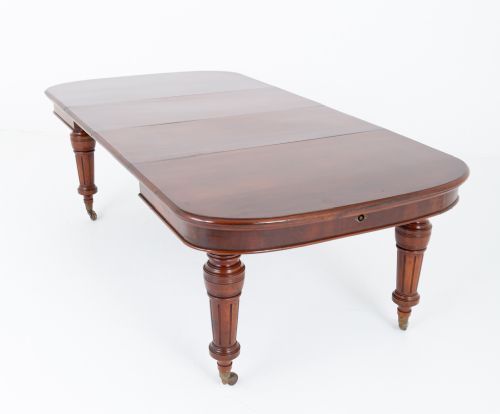
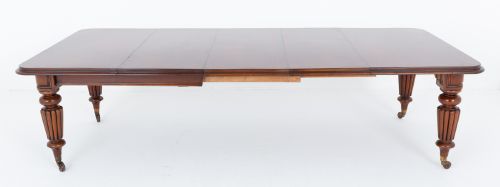
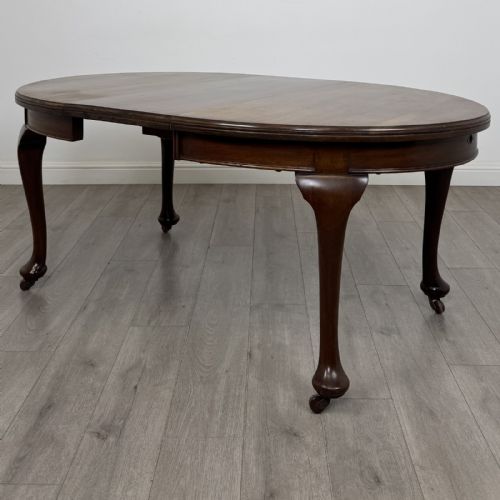
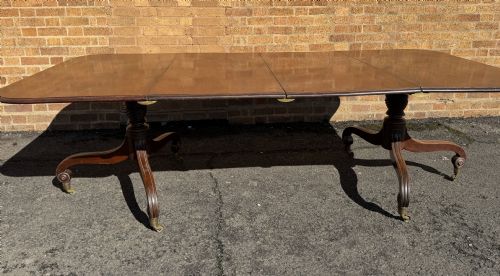
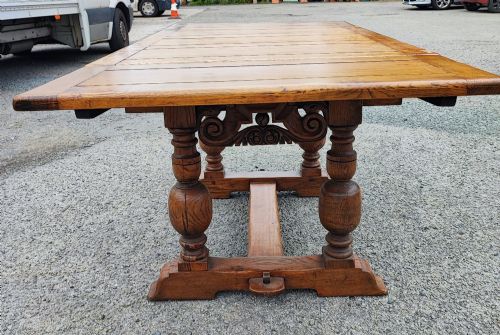
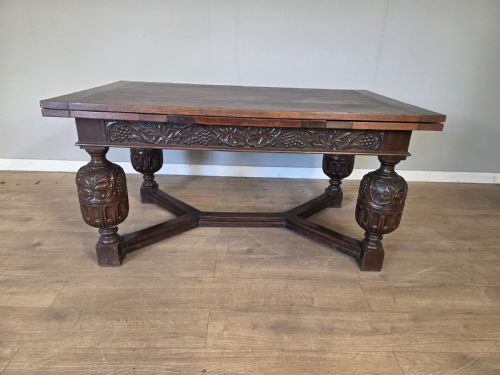
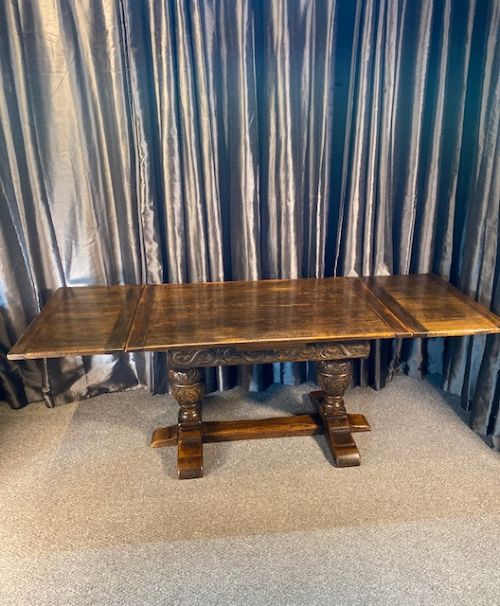
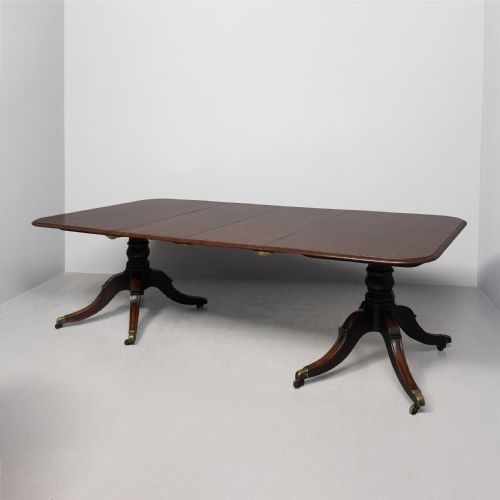
A vintage extension table serves as the central piece for dining spaces, designed to expand in length through ingenious mechanical leaves or pull-out sections. Buyers searching for a vintage extension table encounter a wide array of forms, from twin-pillar and triple-pedestal formats to sturdy refectory designs.
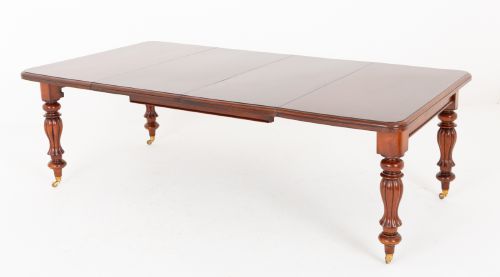
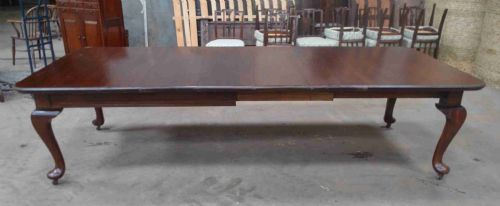
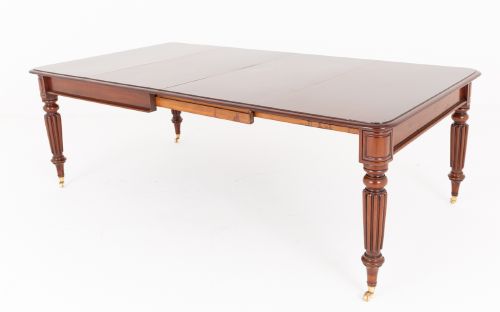
The pieces appearing on this page span several distinct periods, most notably the nineteenth and early twentieth centuries, encompassing Edwardian, Victorian, and Regency influences. Oak and mahogany dominate the selection, offering either robust rustic charm or formal classical elegance.
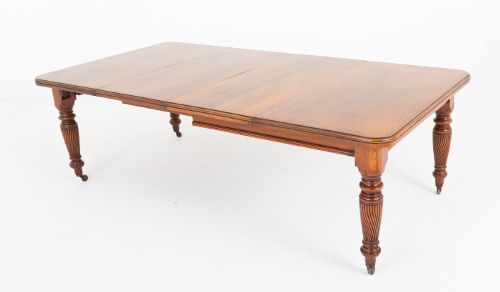
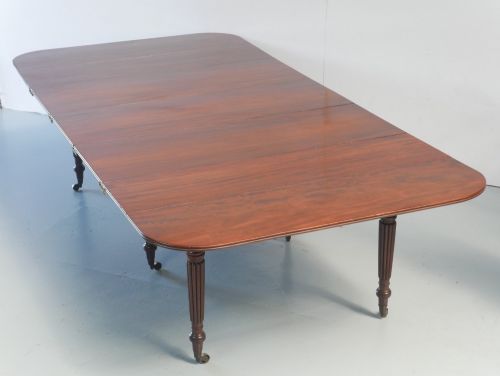
Makers and designers from revival eras also feature prominently, producing solid oak draw-leaf pieces and finely figured mahogany tables with multiple extra leaves. Selecting the correct size involves balancing the daily footprint against the maximum extended capacity required for entertaining.
Materials and construction methods
Cabinet makers relied heavily on dense hardwoods such as oak and mahogany, ensuring the structural integrity necessary to support extending mechanisms and heavy leaves over centuries of use. Walnut, cherry wood, and satinwood appear with less frequency, often utilised for decorative parquetry surfaces or refined grain patterns.
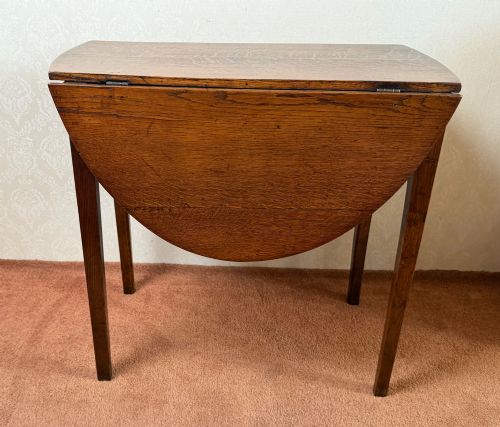
Mechanical ingenuity defines these tables, utilising draw-leaf pull-out extensions, drop-leaf hinges, and sturdy pillar supports with brass fittings. The integration of solid timber with clever sliding tracks allows heavy tops to expand smoothly while maintaining level surfaces.
Vintage Extension Table Retail Price Guide 2026
Typical asking prices for vintage extension table among the pieces listed under this phrase on Sellingantiques today, from the lower quarter to the upper quarter. They describe what is for sale here now, not the wider market.
Several dining tables include integrated bread slides, offering a charming historical touch for serving cheese or crusty loaves.
Distinguishing craftsmanship and finish
Quality rests primarily in the selection of figured timber veneers and the precision of the extending mechanism, where superior examples operate smoothly without binding or sagging when fully opened. Heavy solid oak construction with crisp hand-carved detailing stands apart from simpler utilitarian pieces.
The treatment of secondary woods and the stability of pedestal bases dictate longevity, separating standard production items from exceptional architectural dining tables. Refined proportions and matching grain across inserted leaves reveal the careful eye of the original cabinet maker.
The Vintage Extension Table Glossary
- Draw-leaf
- A table construction featuring auxiliary leaves stored beneath the main top that pull out from each end to extend the surface.
- Pedestal
- A central column support, often single, double, or triple, carrying the weight of large dining tables above branching legs.
- Gateleg
- A table with hinged legs that swing out to support drop leaves when raised for dining.
- Refectory
- A long, narrow dining table design traditionally used in communal halls, often adapted with modern extension mechanisms.
- Parquetry
- Geometric mosaic woodwork used for decorative tabletops, commonly seen in walnut or oak designs.
Vintage Extension Table: Frequently Asked Questions
How do draw leaf tables work?
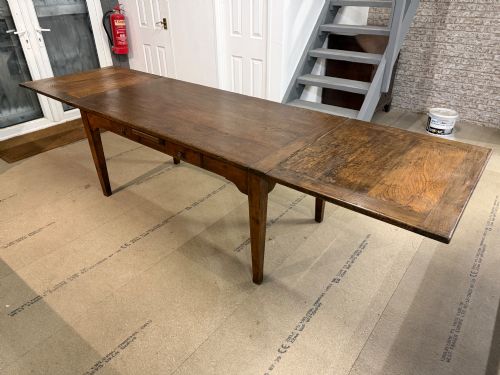
Draw leaf tables operate through a system where two hidden leaves slide out from beneath the primary central top. When pulled, the main surface drops slightly into place to create a seamless level expanse.
This mechanism allows a compact daily dining table to double its seating capacity with minimal physical effort.
What is a pedestal dining table?
A pedestal dining table rests upon one or more central columns rather than standard corner legs. This configuration maximises legroom and seating flexibility around the perimeter.
Pedestal bases often feature brass claw feet or carved wooden support legs characteristic of Regency and Victorian design.
How do I clean mahogany wood?
Mahogany surfaces require gentle dusting with a soft, dry cloth to prevent the accumulation of grit. Avoid silicone-based polishes that can build up a cloudy residue over time.
Occasional treatment with traditional beeswax preserves the rich grain and deep colour without harming the antique finish.
Can I seat ten people comfortably?
Tables designed with multiple extra leaves or triple pedestals easily accommodate ten to twelve diners when fully extended. Checking the original length and leaf count ensures adequate knee clearance between base supports.
Many nineteenth-century examples were specifically built to handle large gatherings through modular leaf additions.