
Traditional Wooden Table
A traditional wooden table anchors a room through honest joinery, solid timber and decades of daily gatherings.
Traditional Wooden Table
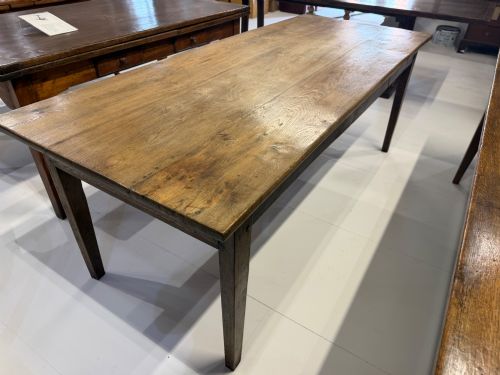
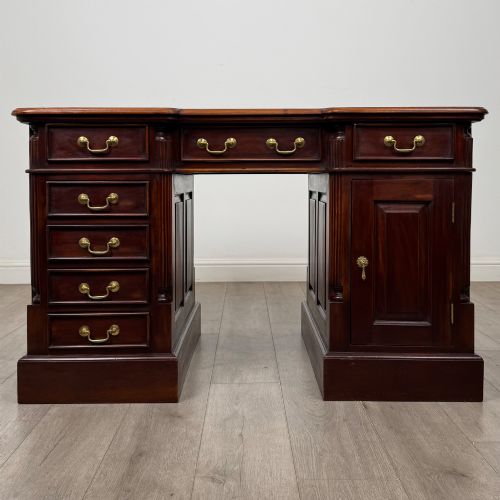
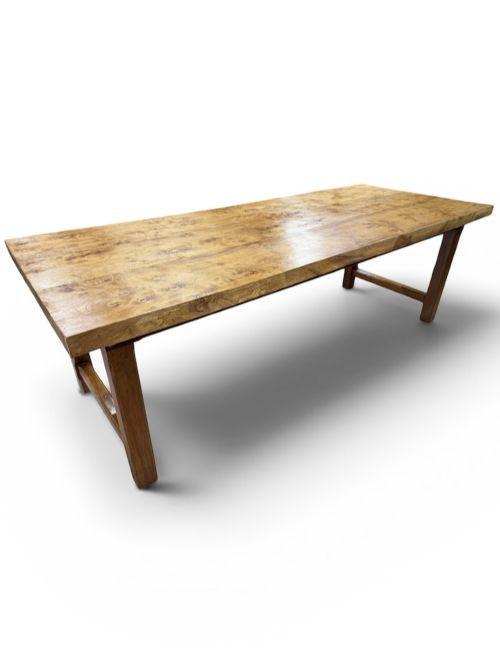
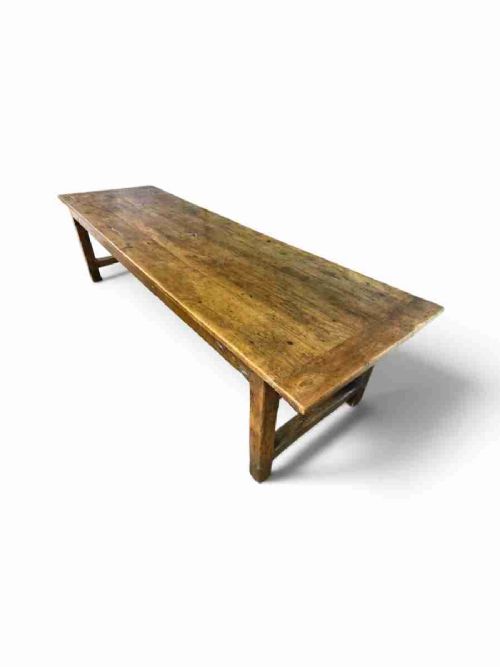
A traditional wooden table serves as a sturdy centrepiece for dining, serving or gathering, encompassing robust forms built to withstand daily use. When exploring a traditional wooden table, you will frequently encounter forms designed for dining, kitchens and living spaces.
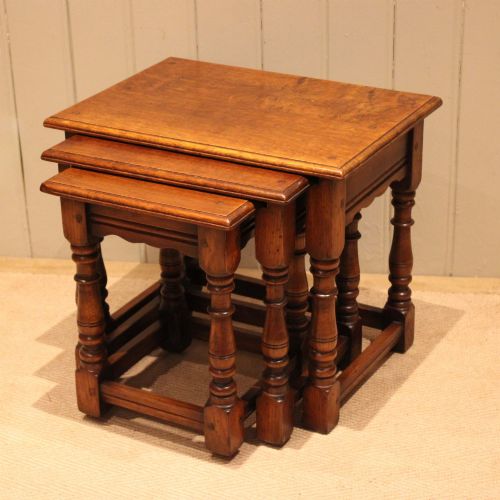
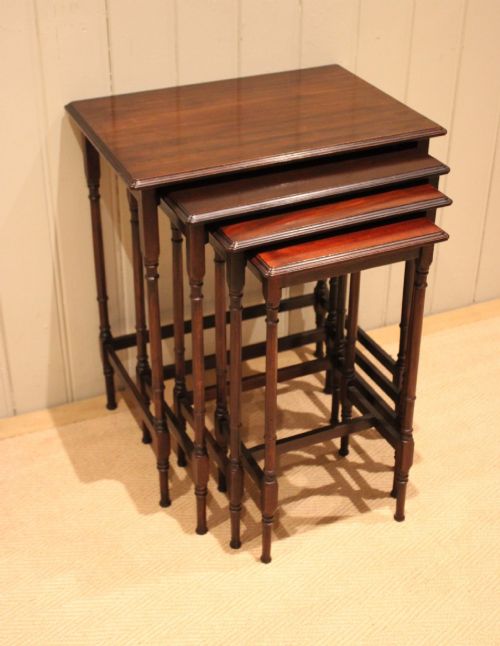
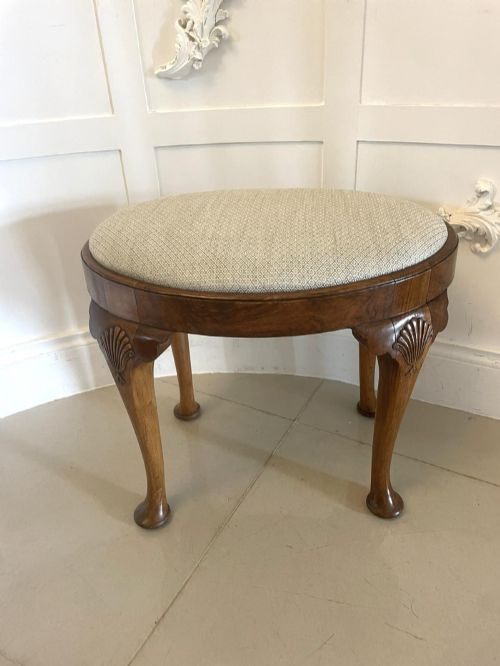
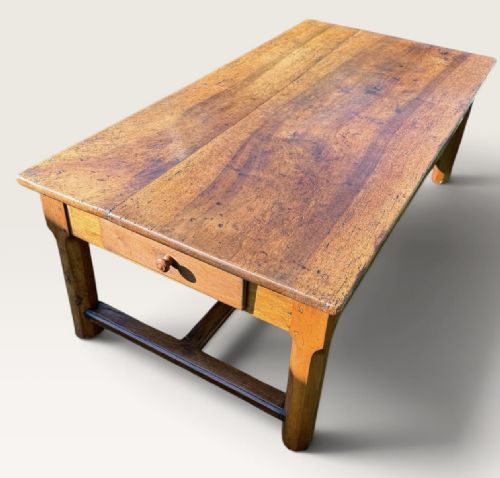
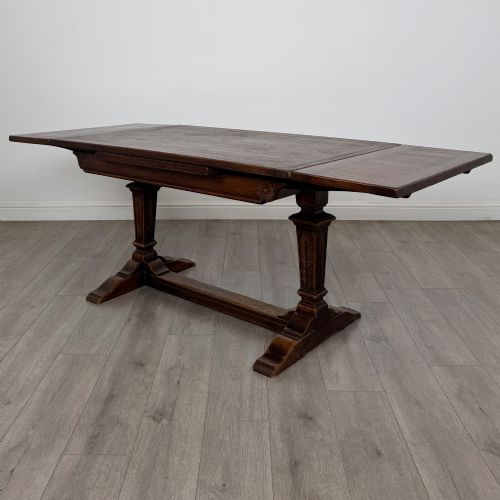
The selection ranges from expansive refectory and extending dining boards to compact coffee tables, nests and side tables. These pieces emerge from periods spanning the eighteenth century through to the Edwardian era.
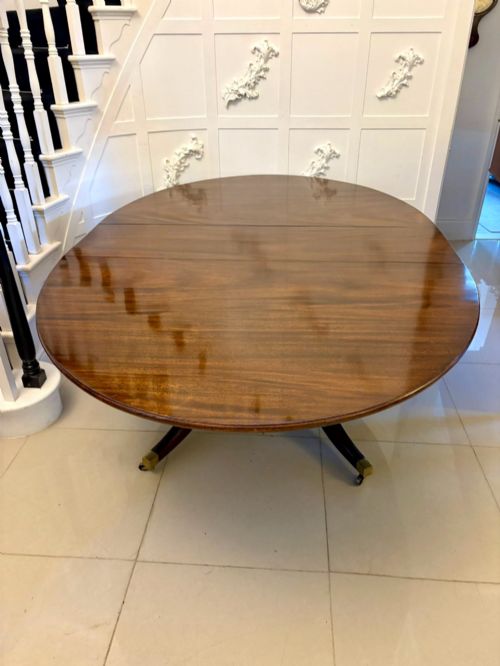
Makers shaped these surfaces to suit domestic life, producing rustic farmhouse formats alongside formal pedestal and pillar designs. Regional variations appear through British, continental and oriental interpretations.
Materials and Construction
Joiners and cabinet makers relied on native and imported hardwoods like oak, mahogany, walnut and fruitwood, paired with utilitarian pine and beech for structural framing. These timbers provided the density and grain required to support heavy daily wear.
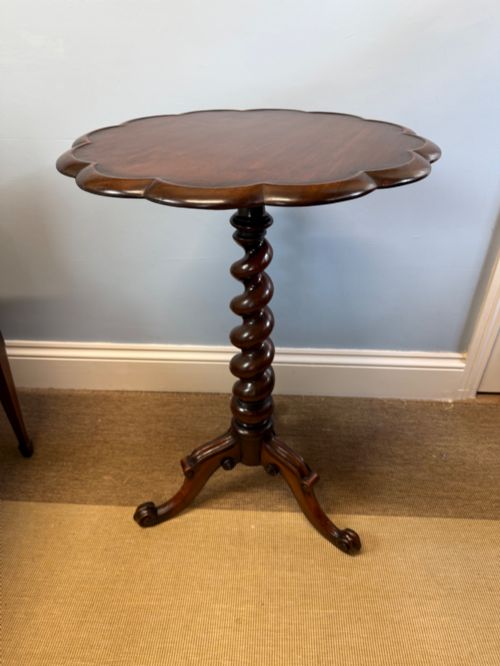
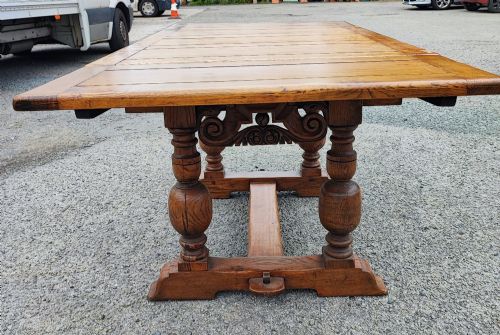
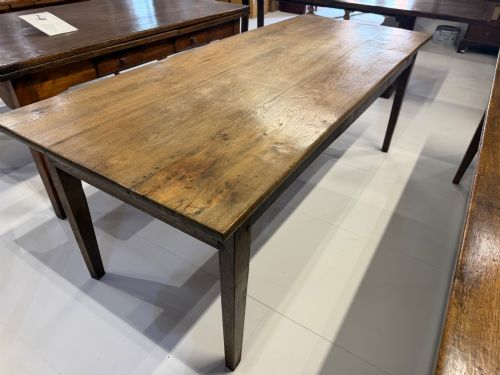
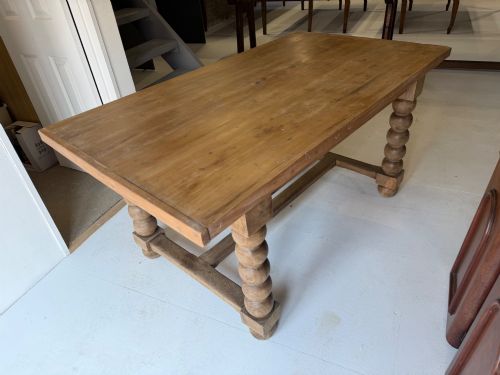
Construction techniques involved traditional joinery, including draw-leaf extensions, drop leaves and sturdy trestle bases joined without modern adhesives. Legs exhibit turned, tapered or bobbin profiles that distribute weight evenly across the floor.
The inventory records pieces dated from the eighteenth century, the Victorian era and the Edwardian period.
Evaluating Craftsmanship and Age
Distinction across the range lies in the selection of figured timber, the integrity of the original joints and the proportion of the legs and top. Dense oaks and rich mahognies with deep patination demonstrate superior selection by the original maker.
Refined detailing such as hand-carved friezes, balanced extension mechanisms and unaltered structural timber elevate a piece above standard utility items. The integration of solid secondary woods within the underframe signals diligent workshop practices.
The Traditional Wooden Table Glossary
- Refectory table
- A long, narrow dining table historically used in communal halls, featuring heavy legs connected by a low stretcher. This format provides exceptional stability for large gatherings.
- Draw leaf table
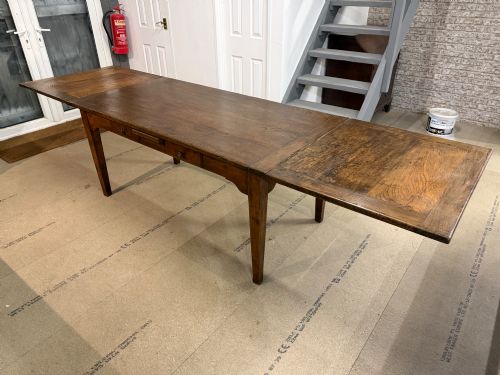
- An extending table equipped with two sliding leaves concealed beneath the main top, which pull out to increase surface length. It offers practical flexibility for dining spaces.
- Bobbin leg
- A turned furniture leg shaped on a lathe to resemble a series of rounded wooden beads or bobbins threaded together. This decorative turning appears frequently on seventeenth-century revival and nineteenth-century pieces.
- Potboard dresser
- A kitchen or dining storage unit incorporating an open lower shelf designed for storing pots and pans. It forms an integral part of traditional country house arrangements.
- Spider leg table
- A lightweight occasional or lamp table supported by exceptionally slender, delicate turned legs. These slender supports require cross-bracing to maintain rigidity.
Traditional Wooden Table: Frequently Asked Questions
How do I care for an old wooden table?
Clean surfaces using a slightly damp cloth and dry immediately to protect the historic finish from moisture damage. Apply natural beeswax periodically to nourish the timber grain.
Keep tables away from direct heat sources and strong sunlight to prevent the timber from splitting or warping over time.
Can I use an antique table daily?
Most solid timber tables were constructed for rigorous practical work and handle everyday family life with ease. Using heat mats and coasters prevents water rings and thermal shock to the polished surface.
Mind the joinery when moving large refectory or extending tables to maintain the structural integrity of the frame.
What is a draw leaf mechanism?
A draw leaf mechanism utilises two hidden leaves stored underneath the main tabletop that slide outward effortlessly. This ingenious design allows a compact surface to double its seating capacity without removing the centre boards.
Inspect the smooth operation of the runners underneath to ensure the leaves align flush with the primary top.