


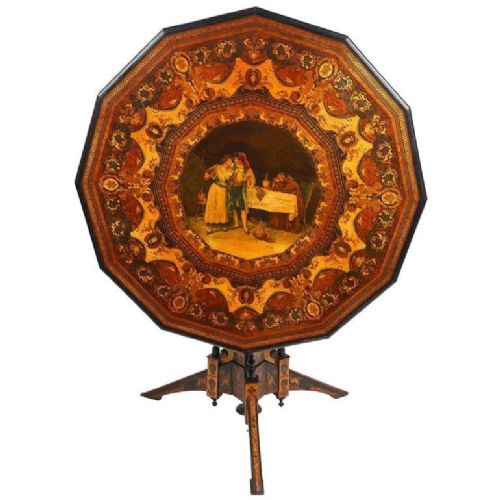


Grand Tour Souvenir Table
These grand tour souvenir table pieces bring home the classical art and intricate craftsmanship of historic European travels.
Grand Tour Souvenir Table
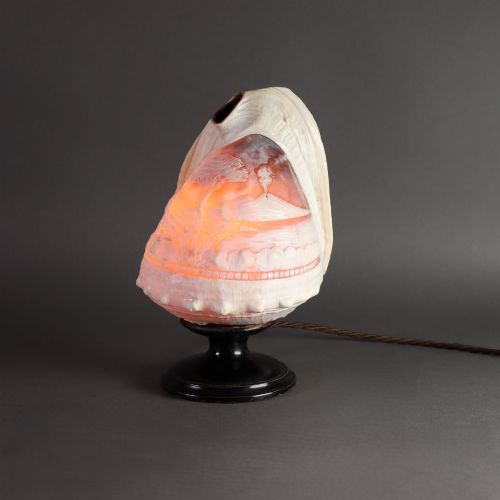
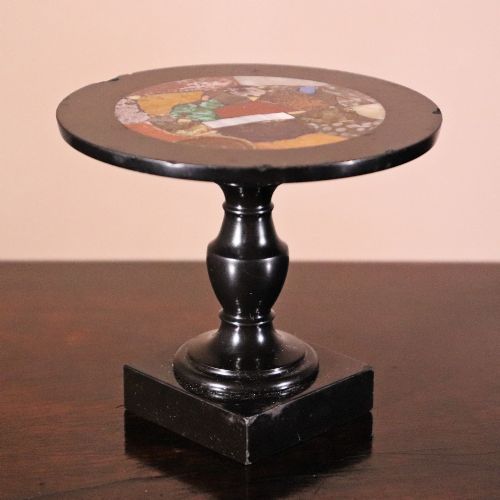
A grand tour souvenir table represents the physical mementoes collected by travellers touring the cultural sites of Europe during the nineteenth century. These objects include side tables, miniature tables, and occasional hall tables decorated with specimen marble, micro-mosaic, and intricate marquetry.
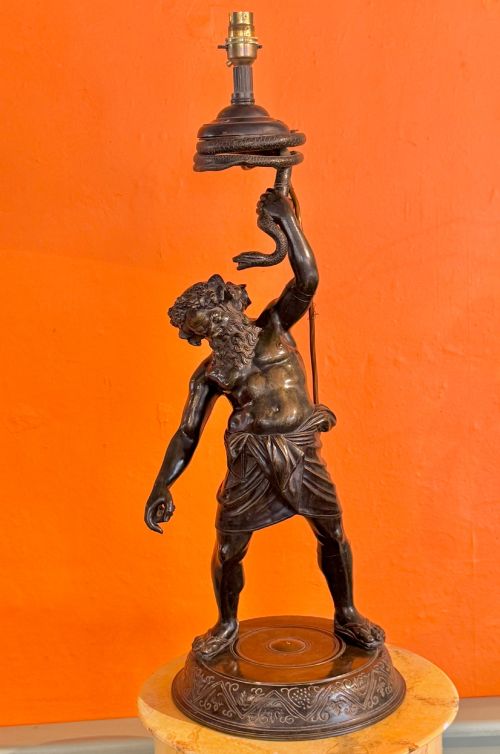
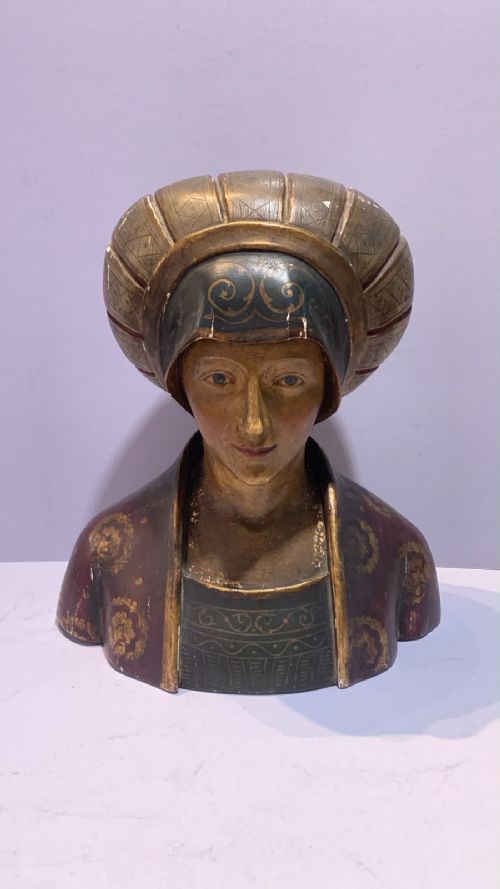
The versions most commonly met on this page span the Victorian and Edwardian periods, frequently originating from Italian workshops in places like Sorrento and Naples. They combine functional small furniture forms with classical ornamentation such as bronze figures, pietra dura, and inlaid wood.
Collectors encounter distinct regional specialisms, from Ashford specimen marble works to Sorrento inlaid walnut tables and folding travel mirrors. Each piece reflects the specific aesthetic tastes and manufacturing centres frequented by nineteenth-century travellers.
Materials and construction
The construction relies on hardwoods such as walnut, olive wood, ebonised wood, and fruitwood inlay, providing a stable base for complex decorative surfaces. Artisans applied precise marquetry and micro-mosaic techniques to create detailed geometric and pictorial designs.
Metal elements incorporate cast bronze and gilt brass, often utilising lost-wax casting methods to reproduce classical statues and architectural motifs. Stone components feature polished marble and pietra dura mounted directly into the wooden framework.
Listings feature nineteenth century materials including bronze, ebonised wood, marble, brass, gesso, walnut, olive wood, and fruitwood inlay.
Distinctions in quality
Quality rests upon the precision of the inlay work and the sharpness of the cast bronze details. Superior examples exhibit tightly fitted wood veneers, meticulous micro-mosaic tesserae, and crisp chasing on metal components.
The distinction between standard souvenir pieces and top-tier items depends on the complexity of the design and the presence of artist signatures or identifiable workshop attributions. Finer items demonstrate a harmonious integration of heavy materials like marble and bronze with structurally sound timber supports.
G Amodio Naples·Almerico Gargiulo
The Grand Tour Souvenir Table Glossary
- Pietra dura
- A method of inlaying cut and fitted polished coloured stones to form pictorial images. This technique creates durable designs featuring floral or geometric patterns on tabletops and boxes.
- Marquetry
- The art of applying pieces of veneer to a structure to form decorative patterns and pictures. Craftsmen use various coloured woods to achieve tonal depth in table tops.
- Micro-mosaic
- An assembly of tiny coloured glass tesserae fused together to create detailed miniature pictures. These are typically set into marble table tops and roundels.
- Sorrento ware
- Woodwork featuring intricate marquetry and inlay originating from the Italian town of Sorrento. It frequently incorporates olive wood and walnut on small tables and boxes.
- Grand tour
- A traditional trip of Europe undertaken by upper-class young European men of sufficient means. The souvenirs gathered during these journeys form the basis of these antiques.
Grand Tour Souvenir Table: Frequently Asked Questions
What is a grand tour table?
A grand tour table is a small decorative piece of furniture or table top brought back as a souvenir from nineteenth-century European travels. These items often feature local craftsmanship such as Italian micro-mosaics or Sorrento marquetry.
They reflect the classical interests of travellers who visited historical sites in Italy and beyond. Many incorporate materials like specimen marble, bronze, and inlaid woods.
Where were Sorrento tables made?
Sorrento tables were produced in the coastal town of Sorrento in southern Italy during the nineteenth and early twentieth centuries. Local workshops specialised in intricate wood inlay and marquetry techniques.
These objects utilised native timbers such as olive wood and walnut. Artisans constructed folding mirrors, occasional tables, and boxes for travelling collectors.
How do I identify a nineteenth-century piece?
Nineteenth-century pieces are identified by specific material combinations, construction methods, and stylistic motifs associated with the Victorian and Edwardian eras. Evidence of hand-cut veneers, cast bronze elements, and traditional joinery indicates age.
Makers' signatures or specific regional styles like Ashford marble or Neoclassical bronzes help establish the production period. Consulting historical records and known workshop signatures confirms the timeline.
How should I care for inlaid wood?
Inlaid wood requires protection from direct sunlight and stable indoor humidity levels to prevent the delicate veneers from warping or cracking. Dusting with a soft, dry cloth maintains the surface without damaging the historic finish.
Avoid placing damp items or harsh chemical cleaners directly onto the polished wooden surfaces. Professional maintenance preserves the integrity of the complex marquetry.