

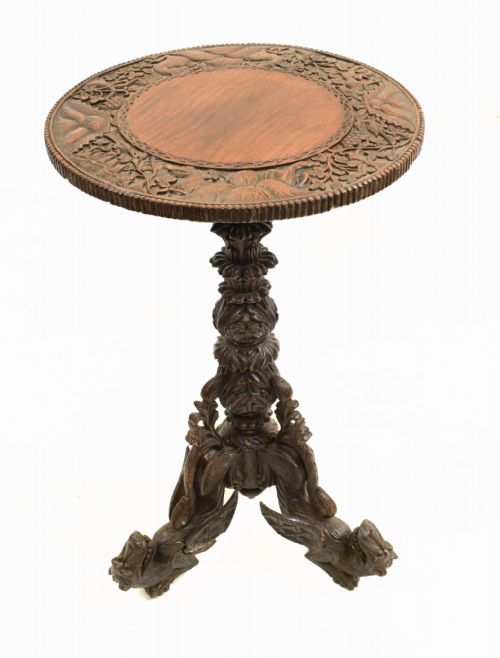


Colonial Teak Furniture
Colonial teak furniture brings sturdy tropical timber and hybrid design into your rooms, offering robust storage and distinctive carved detail.
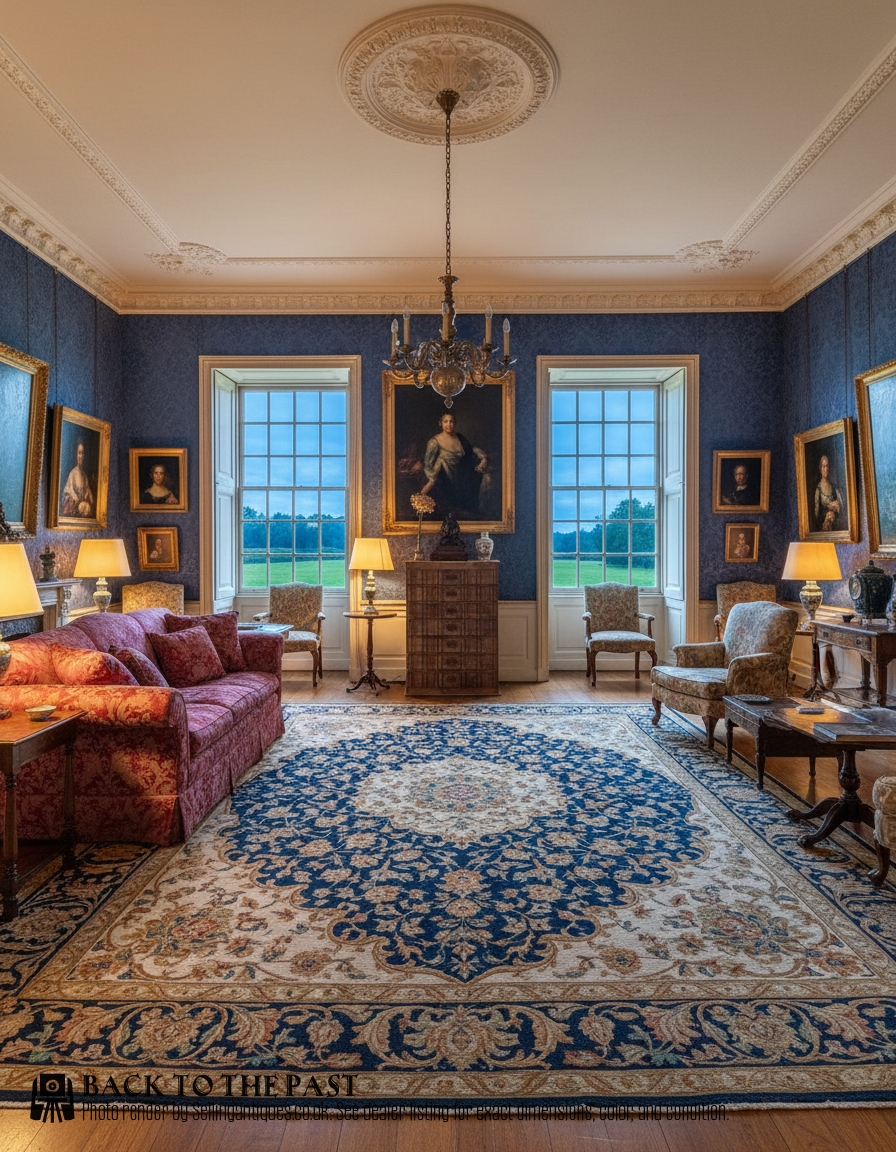
What colonial teak furniture is
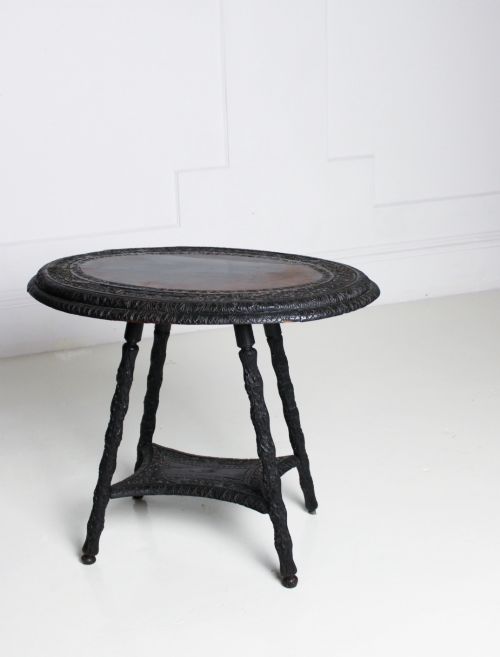
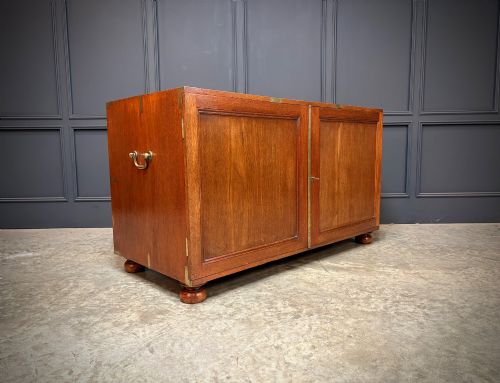
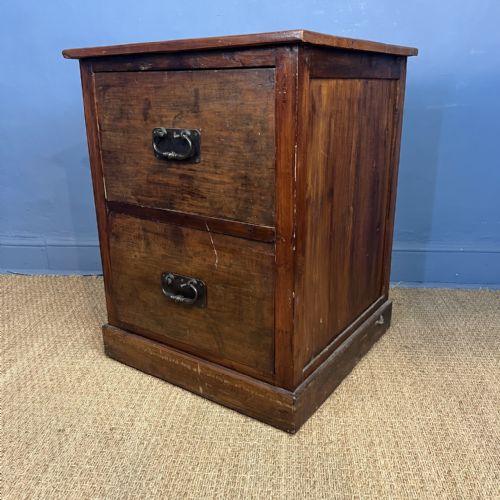
Colonial teak furniture encompasses chests of drawers, cabinets, dressing table mirrors, stools, and chairs made across various decades. These pieces bridge British domestic requirements with the craftsmanship found in Indian workshops.
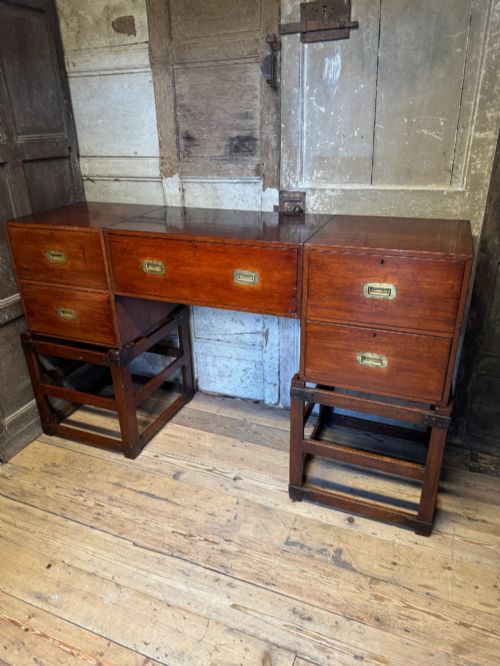
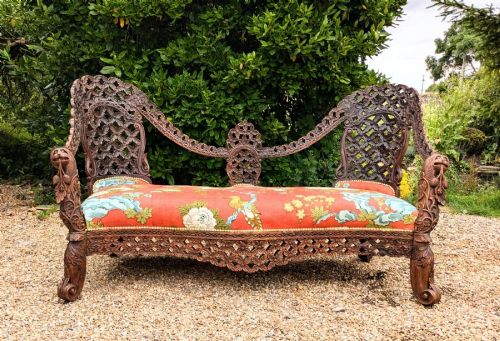
The items here span the nineteenth and twentieth centuries, including Victorian campaign pieces alongside Anglo-Indian carved items and Dutch colonial examples. Cabinets, cupboards, and multi-drawer chests dominate the selection.
You will encounter pieces from the mid-nineteenth century right through to the 1930s. Each object reflects the historical movement of styles and administrative needs across tropical territories.
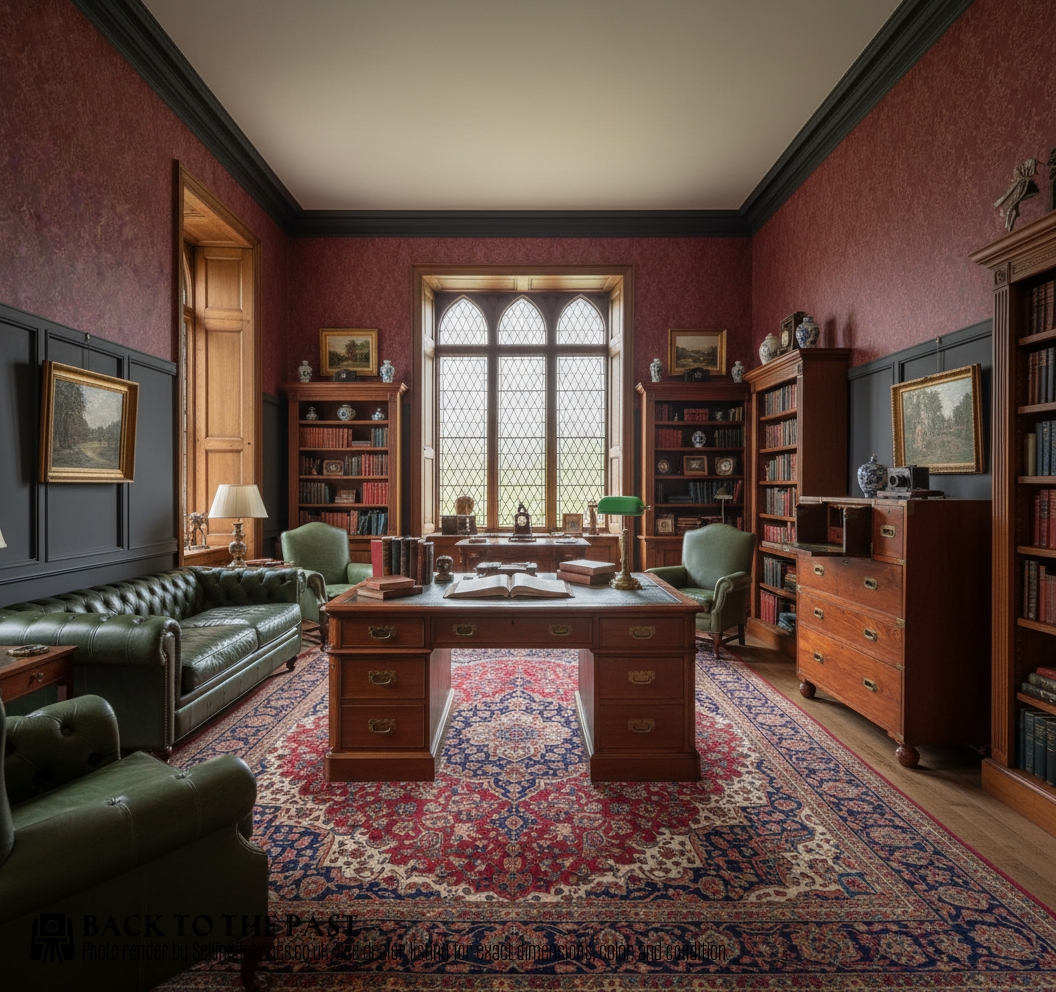
How they were made
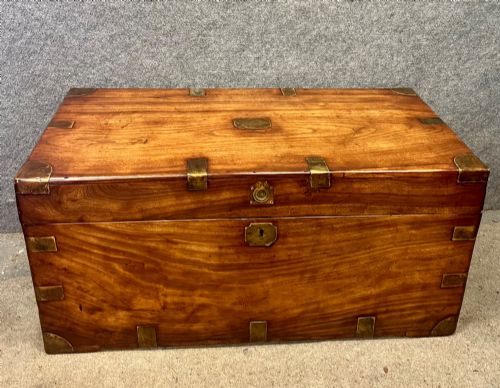
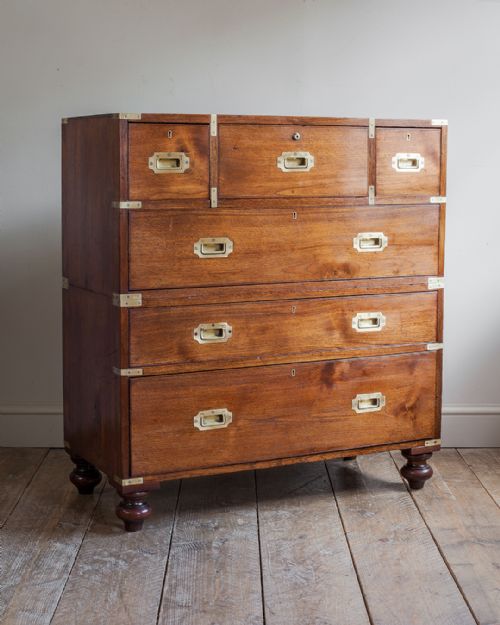
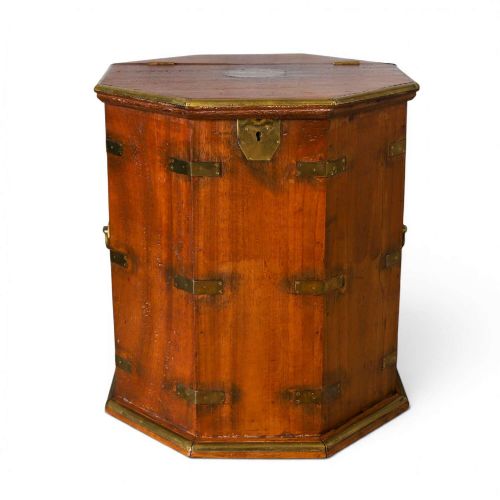
Makers utilised dense teak and other hardwoods to withstand humid climates and heavy transport. Brass hardware, including recessed handles and corner brackets, reinforced the timber construction for military and travel use.
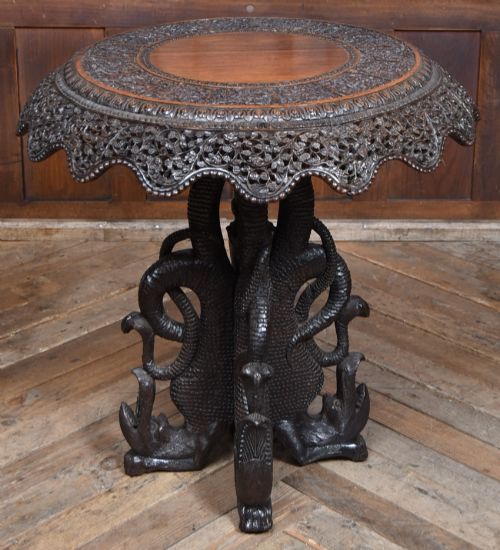
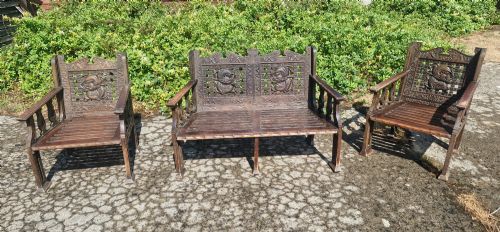
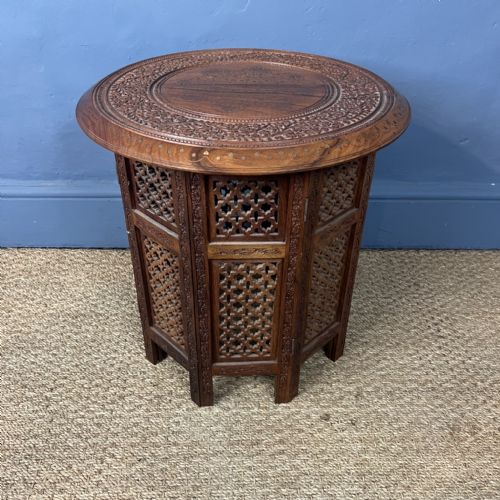
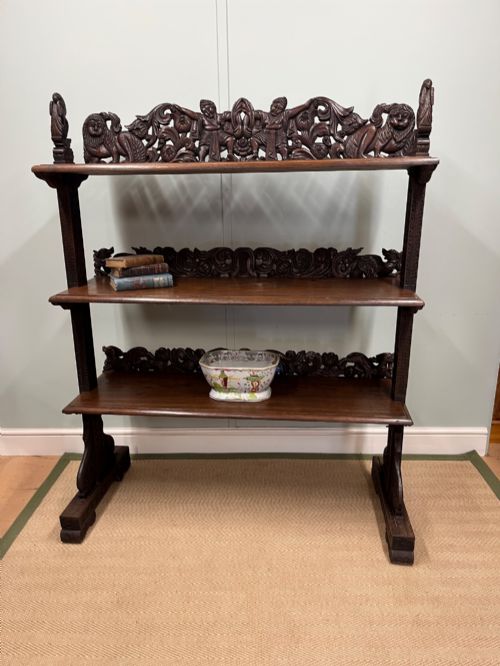
Surfaces frequently display intricate carving typical of Anglo-Indian traditions, while other pieces incorporate glass panels or fabric elements. Construction methods combined traditional joinery with durable metal fittings to ensure longevity.
Retail Price Guide 2026
Typical UK retail prices for colonial teak furniture, calculated from the Sellingantiques database of over a million retail prices indexed since 2003. This retail price guide relies exclusively on Sellingantiques data; no external sources or auction records are used, so the figures do not describe the wider market.
A secretaire chest hides a fold-down writing desk inside, proving that nineteenth-century officers still needed space to write letters home.
What varies in quality
Quality separates through the crispness of the hand-carving and the integrity of the timber joints. Pieces featuring integrated brass mounts and well-fitted drawer divisions demonstrate superior workshop execution.
Finer examples retain original patination on the hardwood surfaces and intact secondary woods. Lesser items show simpler construction without the refined detailing or robust hardware found on campaign pieces.
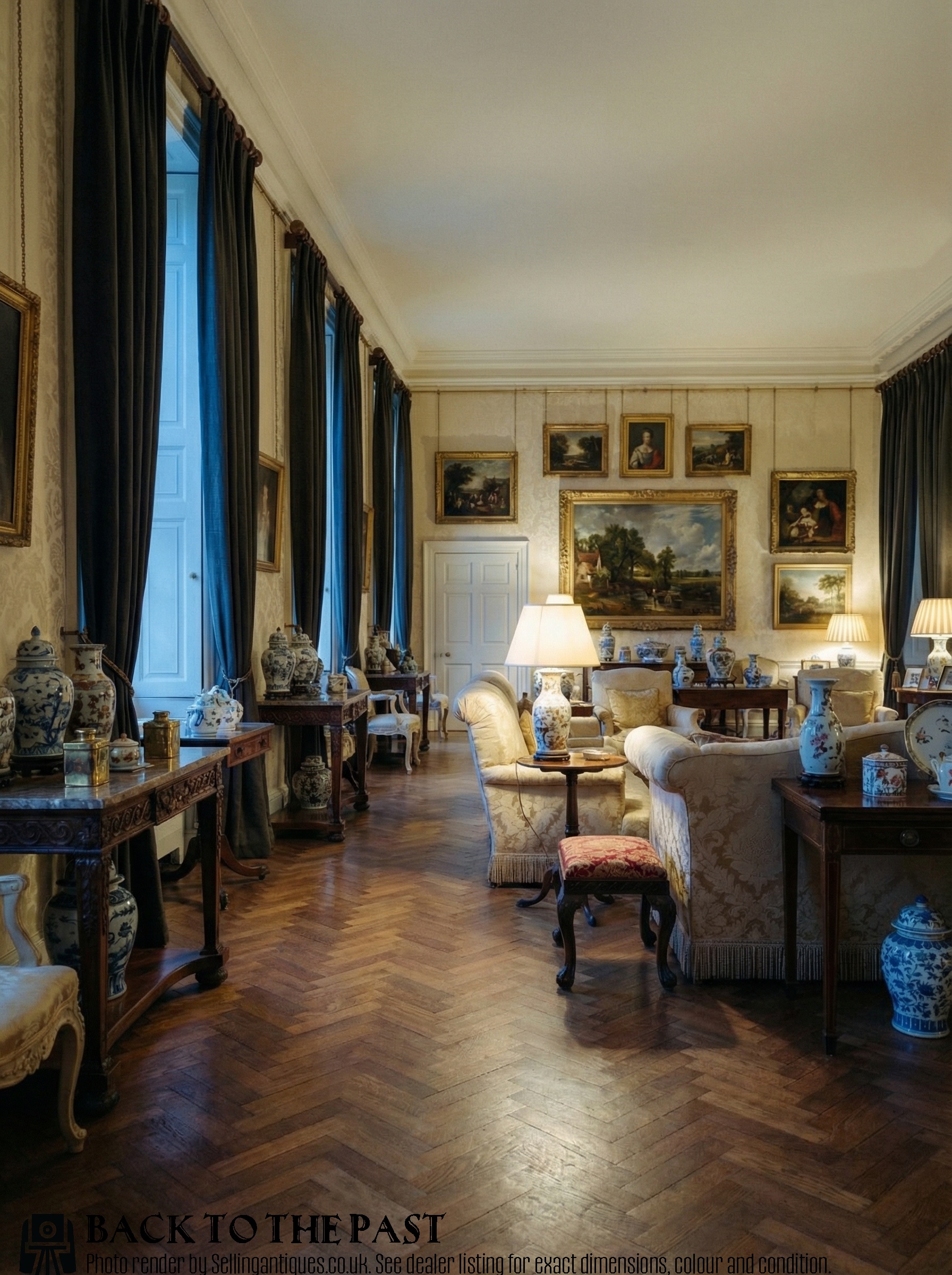
Bombay Furniture Company
The Colonial Teak Furniture Glossary
- Campaign chest
- A modular chest of drawers built in sections with recessed brass handles for ease of transport during military deployment.
- Secretaire chest
- A cabinet or chest featuring a pull-down writing drawer fitted with small compartments and pigeonholes inside.
- Anglo-Indian style
- Design work combining British furniture forms with traditional Indian decorative carving techniques and motifs.
- Hardwood
- Dense timber such as teak selected for furniture frames to resist warping and insect damage in tropical climates.
- Recessed handle
- A metal pull inset flush into the wood surface so it does not catch or protrude during travel.
Frequently Asked Questions
What is colonial teak furniture?
It is furniture produced in tropical regions under colonial rule, typically utilising dense teak and hardwoods for practical domestic storage or travel.
These items blend British forms with local woodworking traditions, resulting in robust cabinets, chests, and mirrors with distinctive carvings or brass mounts.
How do I care for teak furniture?
Keep the timber away from direct heat sources and sudden humidity shifts to prevent the hardwood from drying out or splitting.
Dust the surface regularly with a soft cloth and avoid harsh chemical polishes that can damage the traditional finish.
Were campaign chests made for travel?
Military campaign chests were specifically constructed in separate modular sections so officers could pack and transport their belongings easily.
Recessed brass handles and corner brackets protected the edges and prevented protrusions during long journeys across land and sea.
How can I tell the period?
Dating relies on examining the construction methods, the style of brass hardware, and the specific carving motifs present on the timber.
Nineteenth-century examples often show military adaptations or formal Victorian proportions, while twentieth-century pieces incorporate different regional carving styles.