



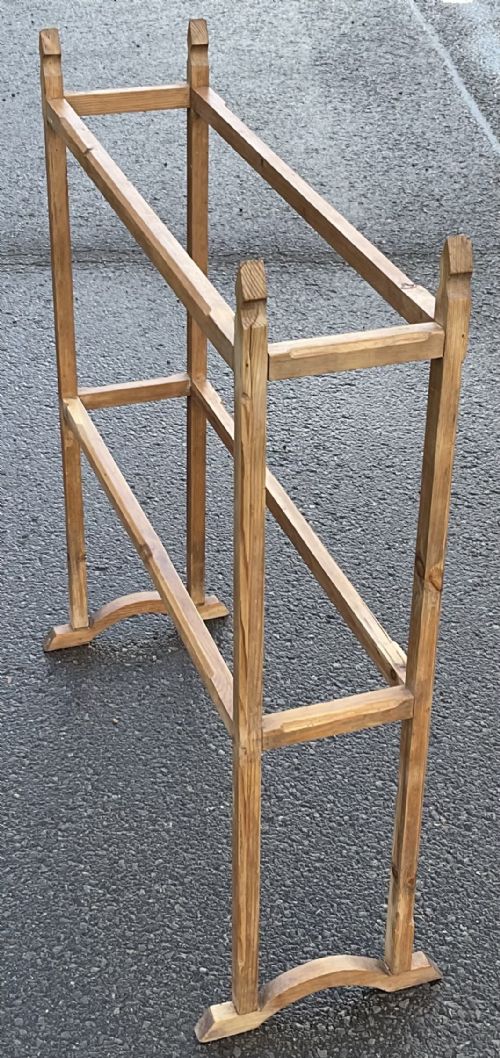

Antique Clothes Airer
An antique clothes airer is a practical wooden frame designed for drying laundry by the hearth or in the bedroom.
Antique Clothes Airer
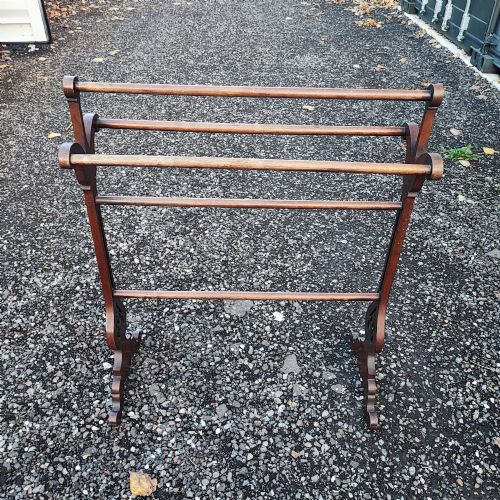
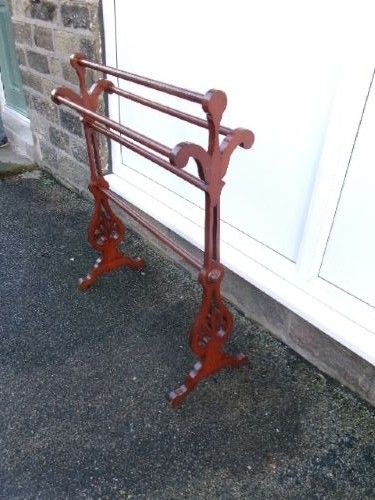
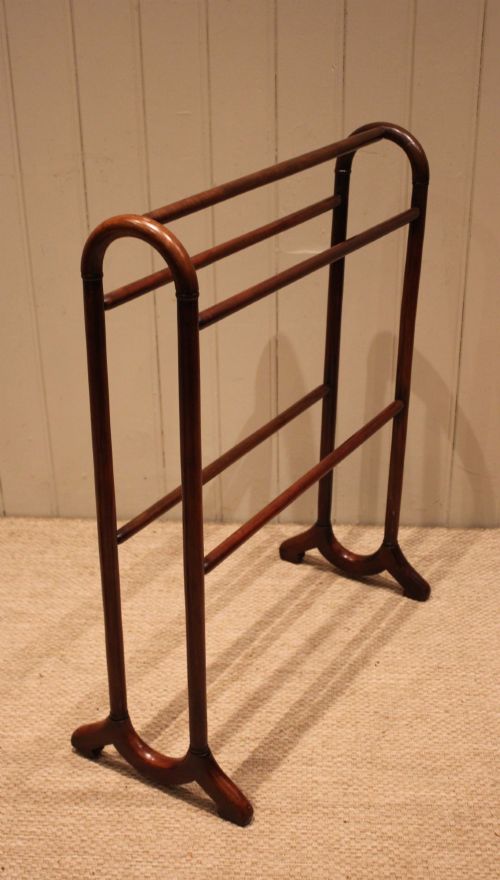
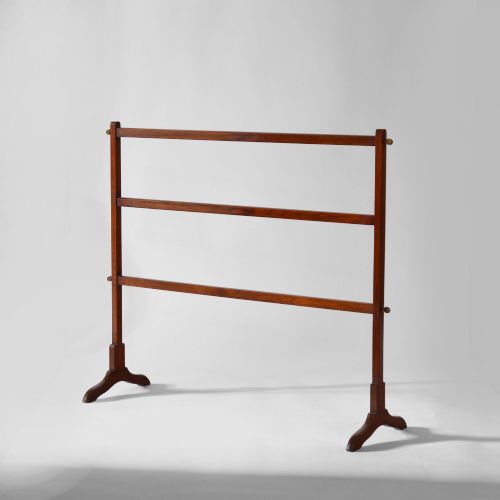
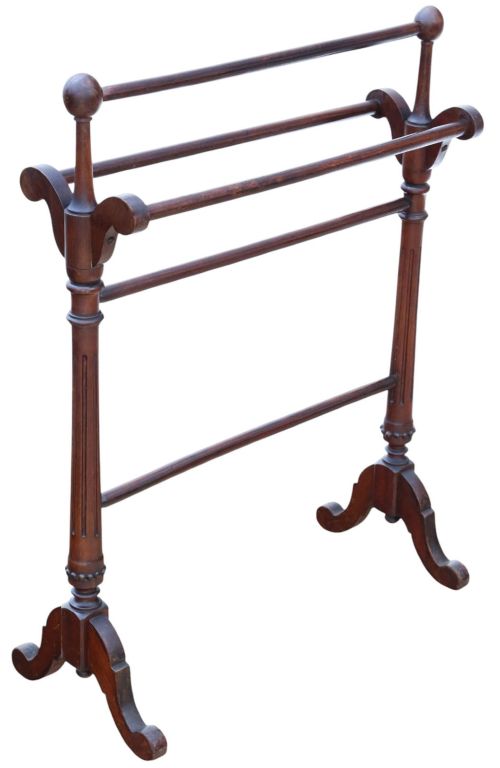
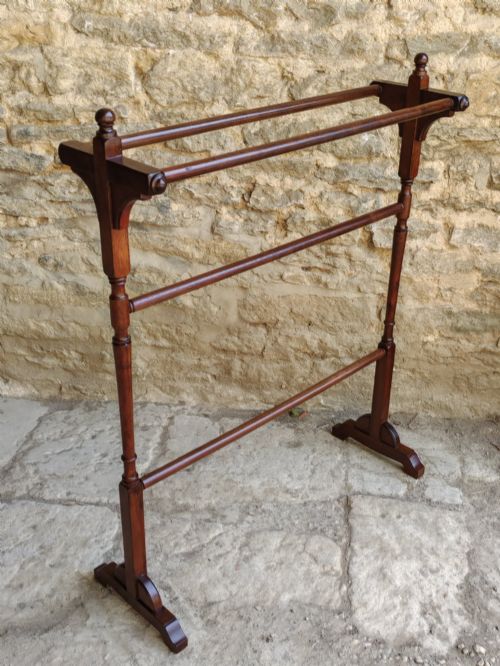
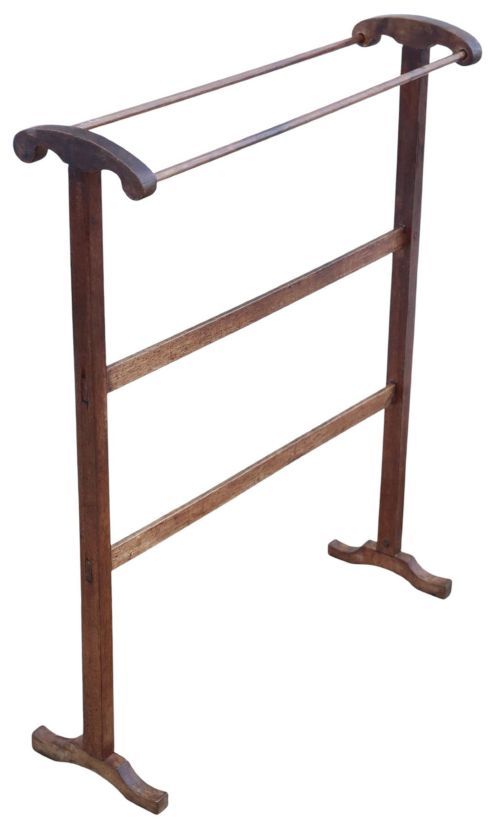
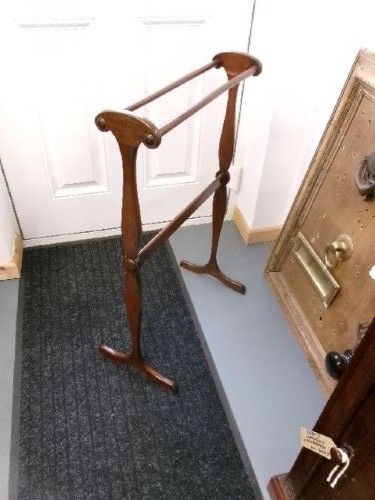
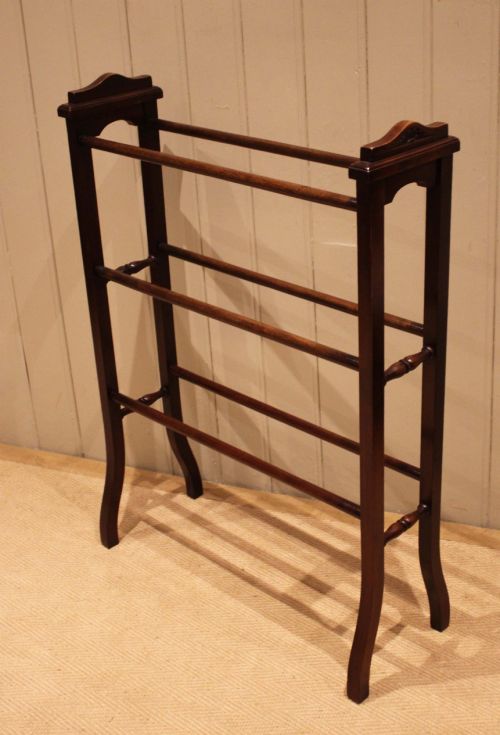
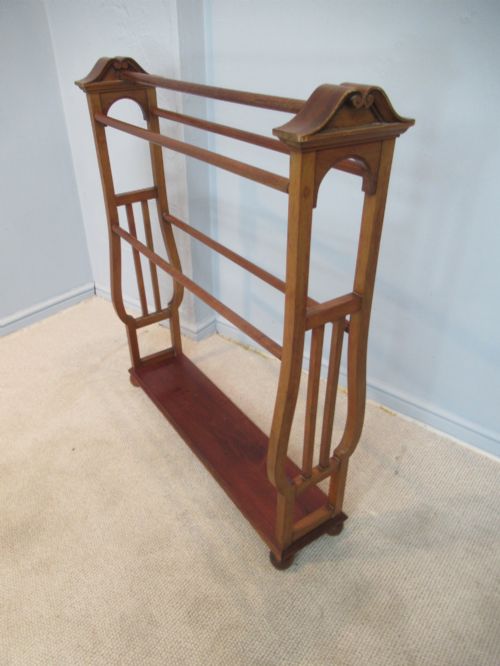
When you search for an antique clothes airer, you encounter sturdy wooden stands and wall-mounted racks intended for household utility. The most common form on this page is the standing towel rail or clothes airer, usually constructed from mahogany, pine, or oak.
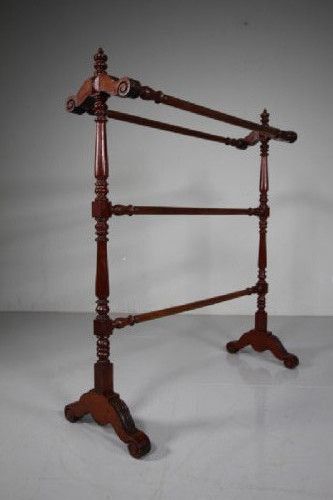
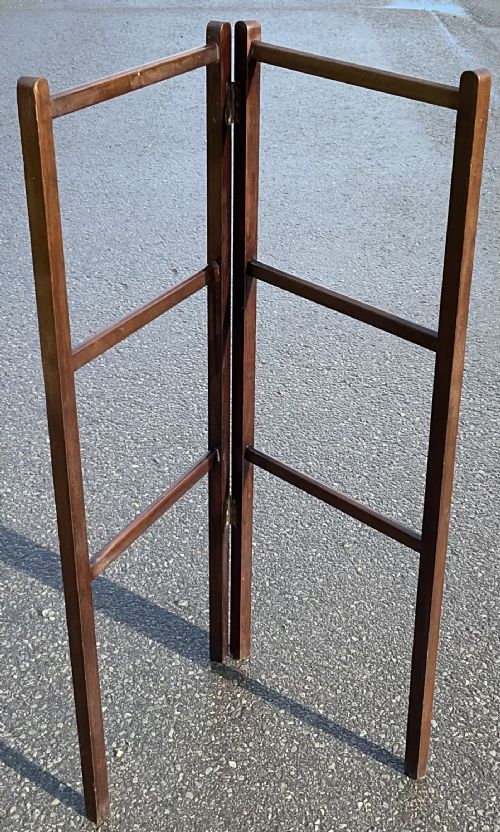
These pieces date from the nineteenth century into the Edwardian period, encompassing Victorian, Regency, and Arts and Crafts styles. You will find items ranging from compact folding models to large oversized William IV and Regency examples, alongside nursery fenders incorporating integrated rails.
Kitchen racks and wall-mounted variants also appear within the selection, offering alternative configurations for domestic drying and hanging. Each iteration reflects the practical requirements of period homes before the invention of electric tumble dryers.
How they were made
Carpenters and cabinetmakers utilised dense hardwoods like mahogany, walnut, and oak, alongside utilitarian softwoods such as pine. Selected pieces feature decorative elements like satinwood inlay, brass fittings, and black ebonised finishes.
Construction techniques include multi-bar frames, folding mechanisms with hinges, and three-fold designs engineered to support damp textiles. Larger items utilise robust joinery to withstand the daily weight of wet garments and household linens.
Antique Clothes Airer Retail Price Guide 2026
Typical asking prices for clothes airer among the pieces listed under this phrase on Sellingantiques today, from the lower quarter to the upper quarter. They describe what is for sale here now, not the wider market.
Materials recorded across these listings include mahogany, pine, oak, walnut, brass, and iron.
What varies in quality
The distinction between standard utility items and finer pieces lies in the choice of cabinet timbers and secondary decorative treatments. Mahogany and walnut examples with inlaid satinwood details represent a more refined standard of manufacture than plain pine utility pieces.
Proportion and scale also define the hierarchy, with generous Regency and William IV formats requiring superior timber selection and structural joinery. Folding mechanisms demonstrate varying degrees of engineering complexity, from simple fixed rails to multi-bar folding cheval frames.
The Antique Clothes Airer Glossary
- Cheval rail
- A standing frame, often hinged, that permits multiple sections to angle outward for increased drying capacity.
- Nursery fender
- A metal or wooden guard placed around a fireplace to protect children, occasionally fitted with an integrated clothes rail for warming garments.
- Inlay
- A decorative technique where contrasting woods like satinwood are inserted into the primary timber surface.
- Ebonised
- Wood finished with a dark stain or paint to imitate the appearance of expensive ebony.
- Three-fold
- A design comprising three hinged panels that fold flat for storage or expand in a zigzag configuration.
Antique Clothes Airer: Frequently Asked Questions
How were antique clothes airers used?
These frames stood near hearths or kitchen ranges to dry laundry and warm damp garments before use. Families also utilised them in bedrooms and nurseries for airing linens.
Their movable designs allowed households to shift them closer to heat sources or fold them away when not required.
Where should I place an airer at home?
They suit utility rooms, bathrooms, and bedrooms where their timber frames complement period or rustic interiors. Many owners use them functionally for airing laundry or displaying textiles.
Free-standing folding models offer flexibility because you can move them between rooms or fold them flat against a wall.
How do I identify a Victorian airer?
Victorian examples frequently utilise rich mahogany or walnut timbers, often featuring robust turned uprights and sturdy base structures. Pieces from this era may show Gothic Revival influences or simple multi-bar configurations.
Construction details and timber patination help distinguish nineteenth-century examples from later Edwardian reproductions or utility pieces.
What is the difference between an airer and a towel rail?
In historical listings, the terms frequently overlap because many wooden stands served multiple domestic purposes for both towels and laundry. Larger multi-bar configurations accommodated larger garments and household linens.
Both forms rely on slatted wooden rails mounted within standing or wall-fixed frames.