



Antique Bathroom Furniture
Antique bathroom furniture brings tactile washstands, towel rails, and wall cabinets from the Victorian, Edwardian, and Art Deco eras into modern spaces.
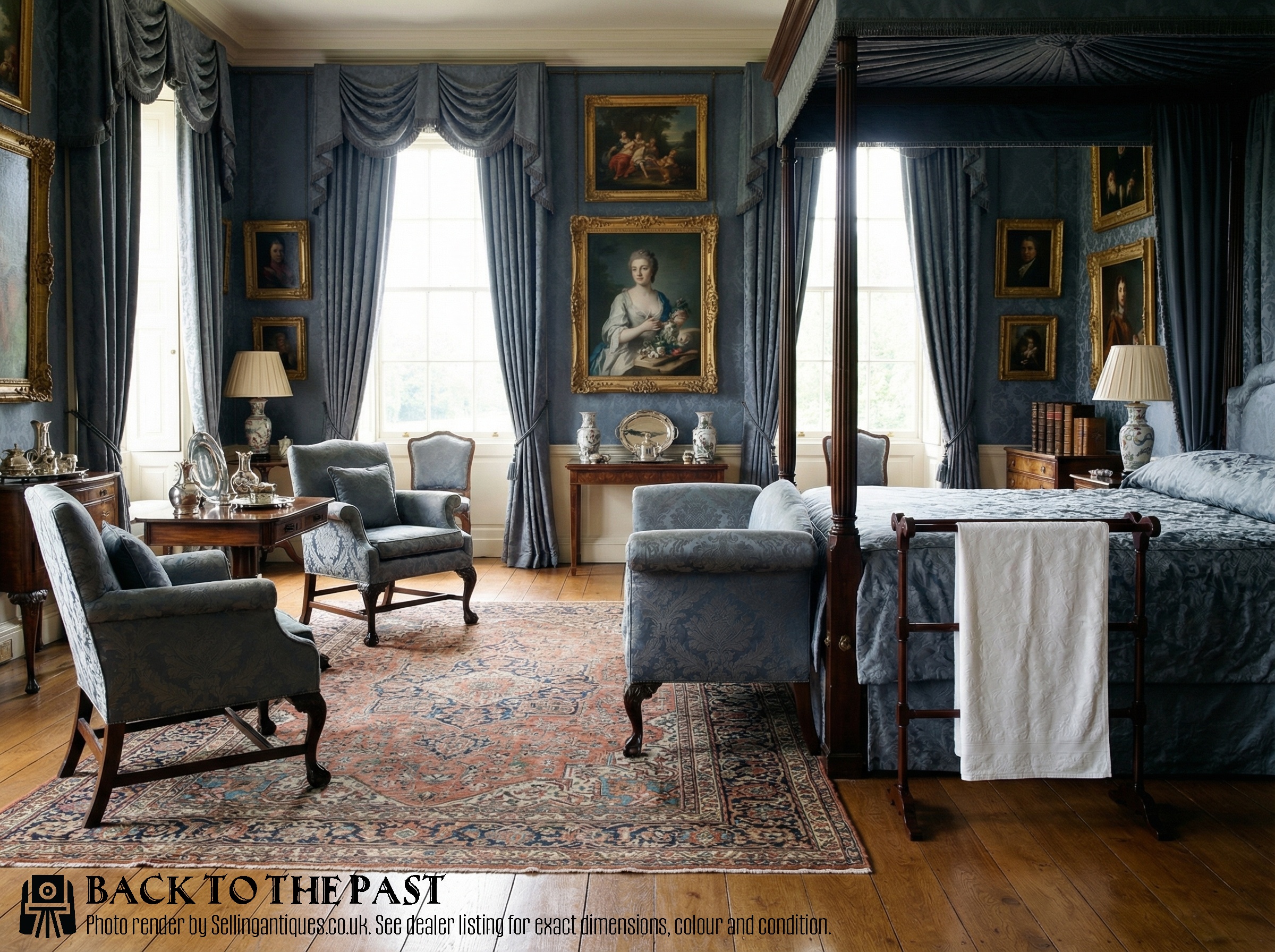
Antique Bathroom Furniture
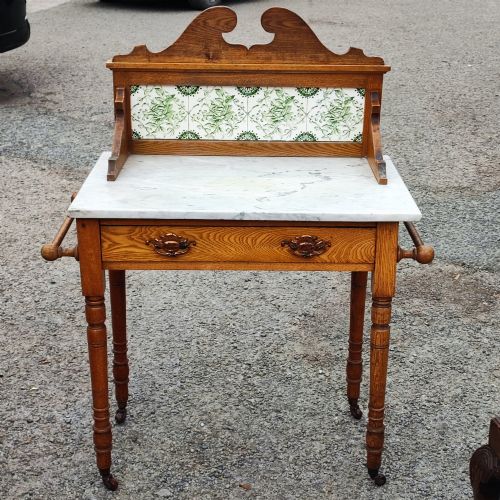
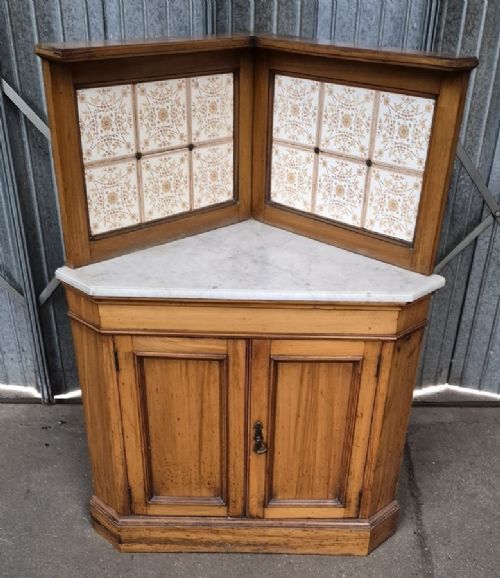
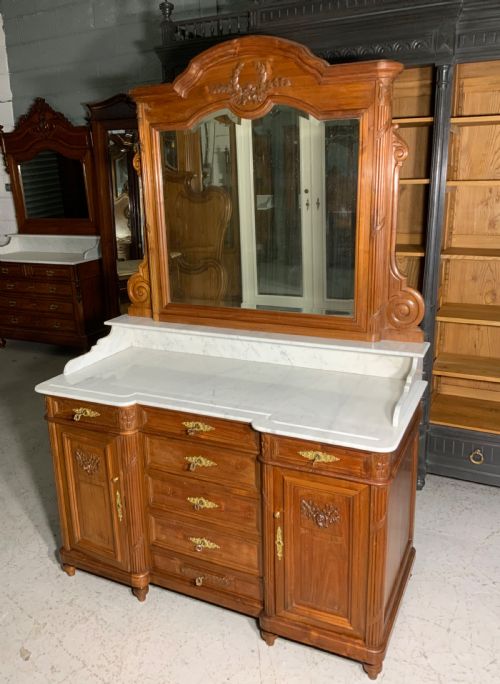
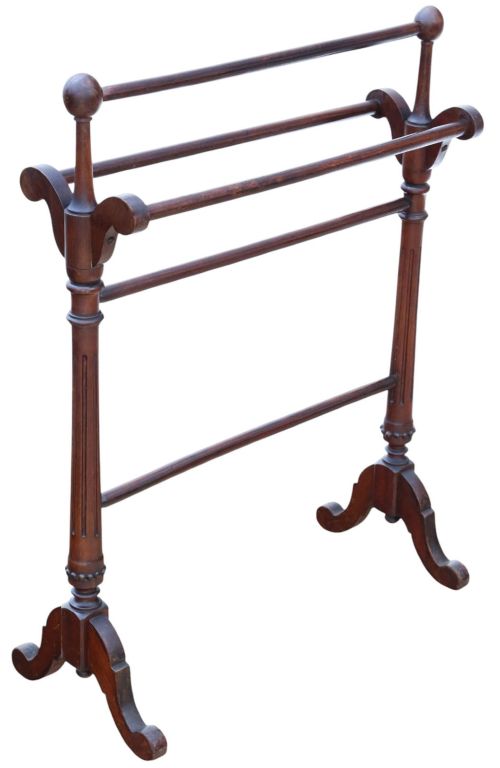
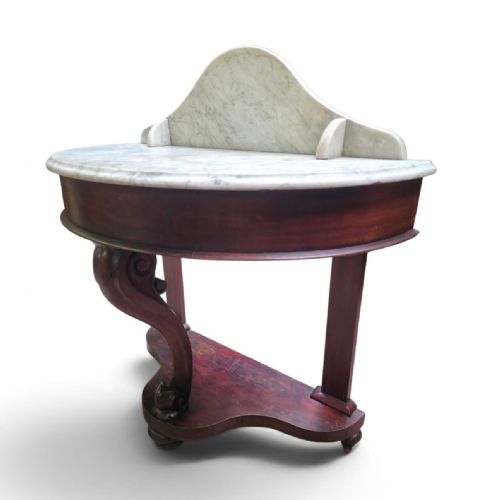
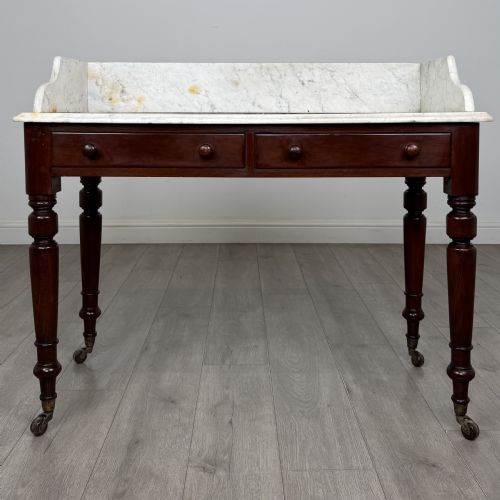
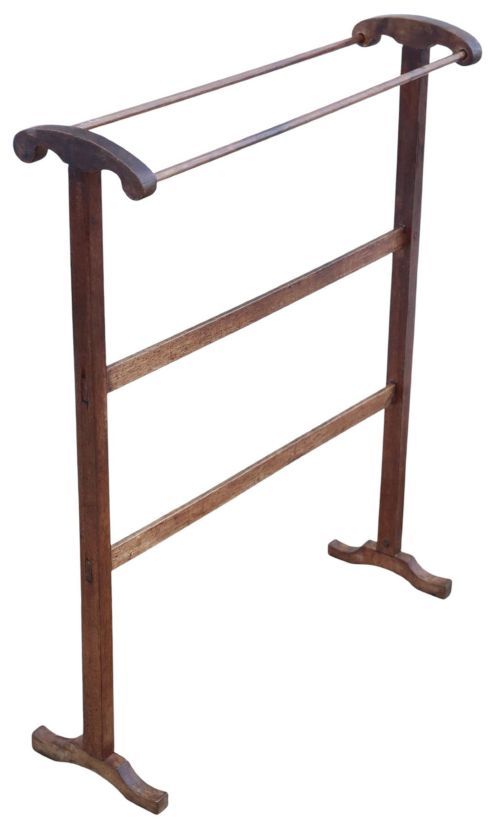
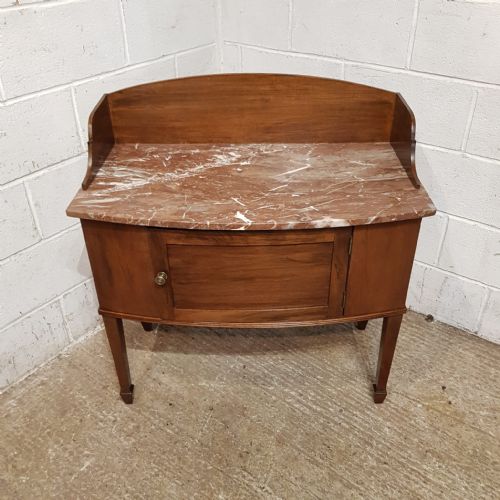
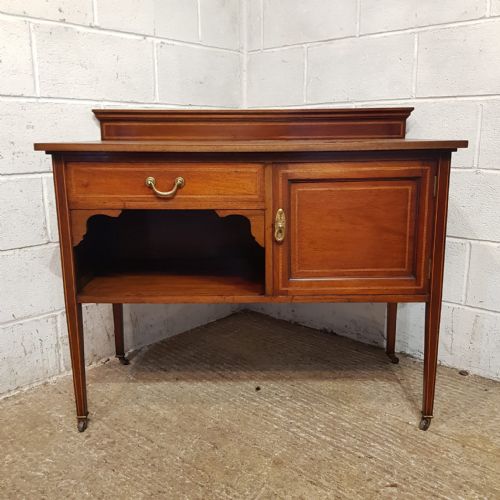
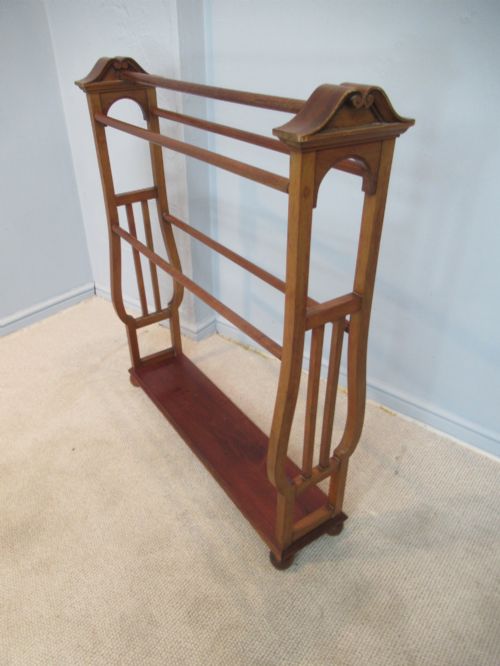
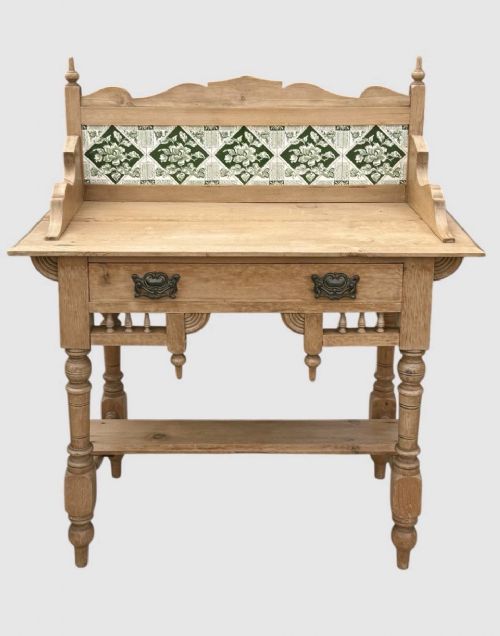
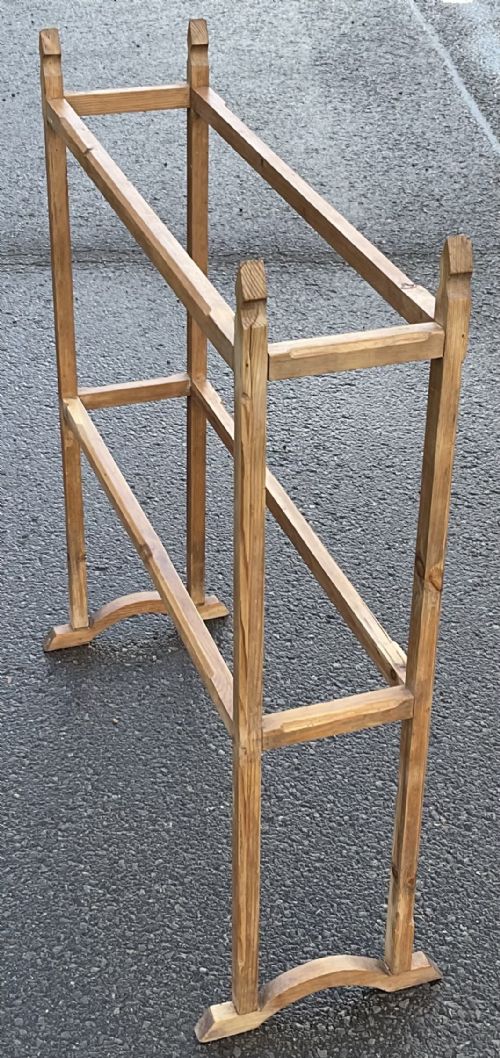
Antique bathroom furniture centres primarily on washstands, towel rails, and wall cabinets dating from the nineteenth and early twentieth centuries. These practical items span periods from the Victorian and Edwardian eras through to the 1920s.
The washstand forms the core of this selection, frequently featuring marble tops designed to resist water alongside fitted ceramic basins or cabinets. Alongside these stand freestanding towel rails and wall-hanging shaving mirrors.
Makers utilised timber varieties such as mahogany, walnut, oak, pine, and satinbirch, sometimes incorporating stylistic influences from the Aesthetic Movement, French Rococo Revival, Arts and Crafts, and Sheraton Revival.
How they were made
Cabinetmakers constructed these pieces using solid timbers and veneers, deploying mahogany, walnut, oak, pine, and satinbirch for washstand frames and towel rails. Joinery techniques reflect the period standards of Victorian and Edwardian workshops.
Heavy marble slabs form the functional upper surfaces of washstands, chosen for durability against moisture, while ceramic elements provide basins. Brass fittings and glass components appear on mirrors and cabinets.
Surface decoration ranges from simple painted finishes on pine to satinwood inlay and carved details seen in French Rococo Revival and Art Deco examples.
Antique Bathroom Furniture Retail Price Guide 2026
Typical asking prices for bathroom furniture among the pieces listed under this phrase on Sellingantiques today, from the lower quarter to the upper quarter. They describe what is for sale here now, not the wider market.
Materials recorded in current pieces include marble, mahogany, brass, glass, ceramic, walnut, oak, and pine.
What varies in quality
Quality rests upon the selection of materials, such as the thickness and figuring of marble tops and the choice of primary timbers like mahogany or walnut versus simpler pine. Finer pieces demonstrate careful timber matching and subtle inlay work.
Structural integrity distinguishes standard utility items from finer workshop output, particularly in the stability of washstand frames and the turned joints of towel rails. The presence of original ceramic basins and brass hardware elevates a piece.
Gillows·Walker and Sons
The Antique Bathroom Furniture Glossary
- Washstand
- A freestanding piece of furniture designed to hold a basin, jug, and washing accessories before plumbed bathrooms became standard. These often feature marble tops and storage cabinets.
- Towel rail
- A wooden frame designed for drying and airing towels, varying from simple single bars to multi-bar standing structures.
- Marble top
- A stone slab fitted to the upper surface of a washstand to provide a durable, water-resistant counter for washing equipment.
- Aesthetic Movement
- A nineteenth-century design style focusing on visual and material qualities rather than narrative or moral content, visible in select washstand designs.
- Satinbirch
- A pale, lustrous timber utilised by Victorian cabinetmakers for bedroom and washing furniture, prized for its distinct grain pattern.
Antique Bathroom Furniture: Frequently Asked Questions
What is antique bathroom furniture?
Antique bathroom furniture comprises freestanding pieces used for personal hygiene before modern fitted plumbing, including washstands, towel rails, and shaving cabinets.
These items date predominantly from the Victorian and Edwardian periods, utilising materials like marble, mahogany, and ceramic.
How do I use an antique washstand today?
Many buyers repurpose marble-top washstands as vanity units in modern bathrooms or as distinctive sideboards and hallway tables.
The stone surface provides a practical, water-resistant top suitable for contemporary daily use.
What materials were used?
Cabinetmakers employed a range of hardwoods and softwoods, including mahogany, walnut, oak, satinbirch, and pine.
Surfaces frequently incorporate heavy marble slabs, ceramic tiles, brass hardware, and glass mirrors.
How do I tell Victorian from Edwardian pieces?
Victorian pieces often display heavier proportions, darker timbers like walnut and mahogany, and details associated with the Aesthetic Movement or French Revival.
Edwardian furniture tends to feature lighter construction, satinwood inlay, and simpler lines influenced by Arts and Crafts ideals.