




Vintage Blanket Stand
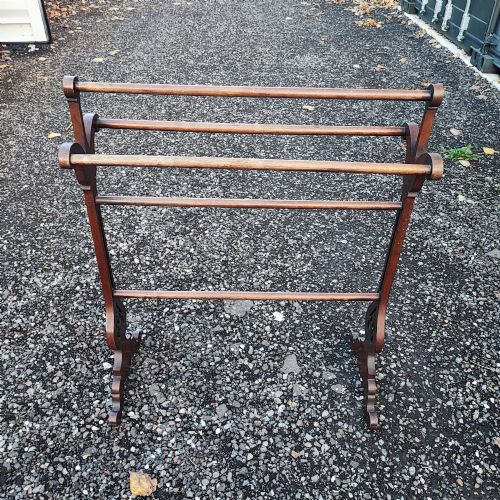
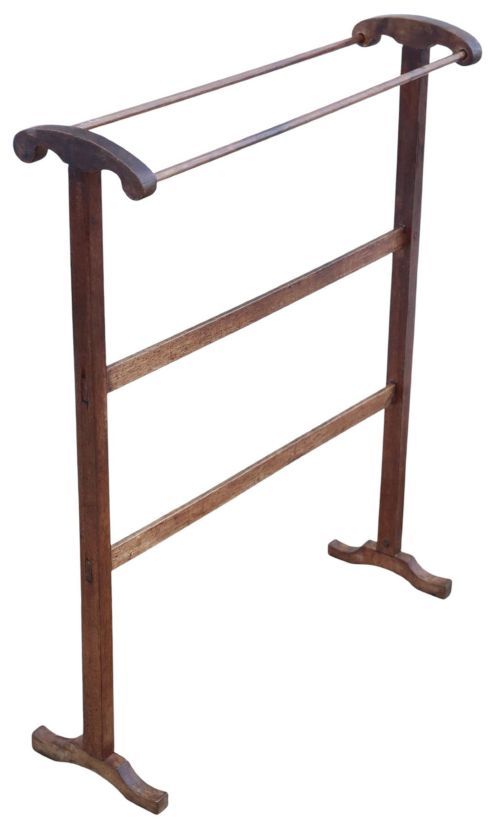
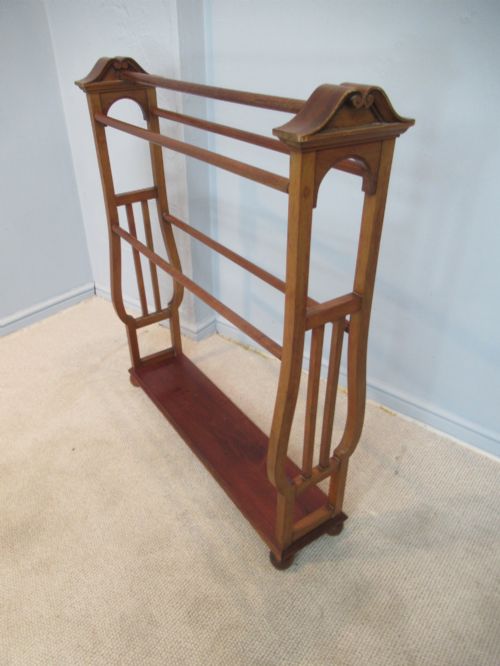
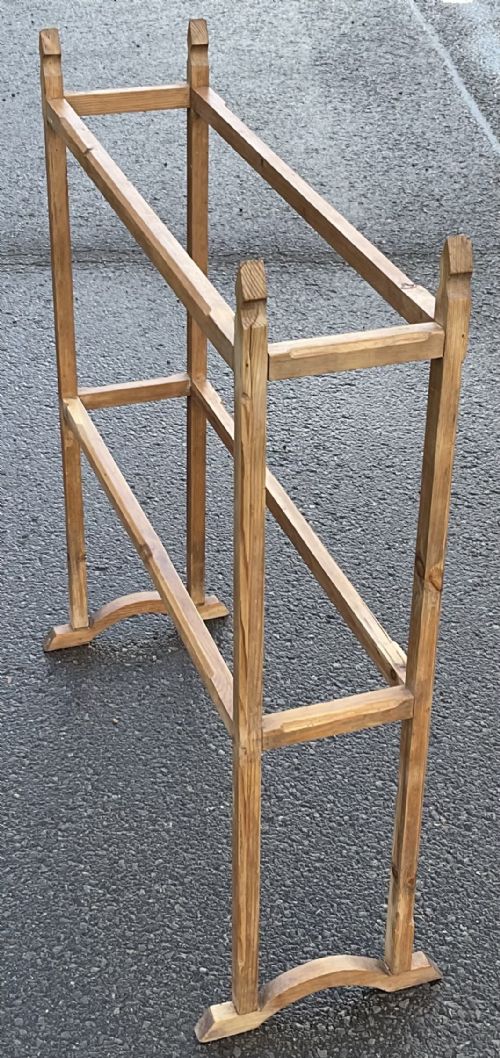
These vintage blanket stand examples are hardworking frames designed to keep textiles aired, and you are most likely to encounter Edwardian and Victorian timber rails here.
Vintage Blanket Stand
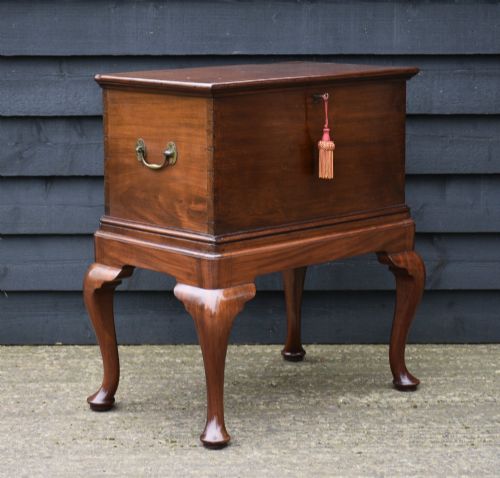
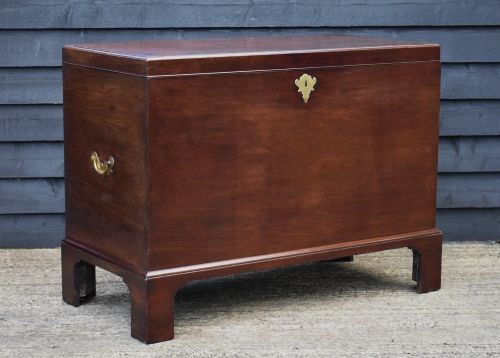
A vintage blanket stand serves the practical purpose of holding towels, clothes, and linens within domestic spaces. Most items matching this search phrase on this page take the form of standing rails, though period chests and coffers also appear.
The dominant forms are Edwardian and Victorian standing towel rails constructed from timbers such as mahogany, oak, and pine. Buyers will also discover Regency pieces alongside older oak coffers and silver chests set upon bases.
How they were made
Cabinetmakers utilised solid timbers including mahogany, walnut, oak, and pine to build these standing frames. Finer examples incorporate satinwood inlay to decorate the uprights and crossbars.
Surfaces received traditional finishes like clear wax or ebonisation to darken the wood. Joinery techniques relied on sturdy pegged joints and turned framing to support daily hanging duties.
Vintage Blanket Stand Retail Price Guide 2026
Typical asking prices for vintage blanket stand among the pieces listed under this phrase on Sellingantiques today, from the lower quarter to the upper quarter. They describe what is for sale here now, not the wider market.
Listings span periods from seventeen-fifty through to the Edwardian era, featuring mahogany, oak, pine, and walnut.
What varies in quality
The distinction between standard utility items and superior pieces rests on timber selection and decorative detail. Plain pine and simple softwood rails sit at the functional end of the scale.
At the upper end, fine grain mahogany, intricate satinwood inlay, and multiple pivoting rails demonstrate thoughtful design and accomplished joinery. Proportion and attribution to known workshops further elevate the status of a piece.
Gillows
The Vintage Blanket Stand Glossary
- Ebonised Wood
- Timber treated with a dark stain or chemical process to imitate ebony. This finish gained popularity during the Victorian era for a sleek, dark appearance.
- Satinwood Inlay
- Decorative wood veneer inserted into recesses on a primary timber surface. It provides a contrasting pale yellow tone against darker woods like mahogany.
- Coffer on Stand
- A traditional storage chest raised off the floor on a dedicated wooden frame or legs. This arrangement kept textiles away from damp stone or cold floors.
- Campaign Chest
- A modular storage chest built in sections with brass corners and recessed handles. Officers used these portable units during military campaigns.
Vintage Blanket Stand: Frequently Asked Questions
What are vintage blanket stands used for?
These pieces function primarily as freestanding rails to hold towels, blankets, and garments in bedrooms or bathrooms. They keep textiles accessible and allow damp fabrics to dry efficiently.
Beyond utilitarian bathroom use, collectors often place them in living spaces to display quilts or textiles. Their upright frames occupy minimal floor space while offering multiple hanging bars.
How do I identify an Edwardian towel rail?
Edwardian examples typically date from around nineteen hundred and often feature light mahogany or satinwood inlay work. Their turnings tend to be slender and refined compared to earlier heavier Victorian designs.
Many Edwardian pieces provide multiple horizontal bars for hanging several items at once. The timber finishes on these items usually present a brighter, cleaner reddish-brown tone.
Are blanket stands and towel rails the same thing?
In marketplace terminology, the search phrase encompasses both freestanding towel rails and traditional blanket boxes mounted on stands. While towel rails focus purely on hanging space, chest combinations provide enclosed storage.
Both forms serve the broader domestic need for organising and airing household textiles. The overlap in search terms reflects how historical furniture often adapted to multiple household tasks.
How should I care for timber rails?
Wood surfaces benefit from occasional cleaning with a soft cloth and an application of traditional beeswax. Avoid placing damp items directly onto dry antique timber for extended periods to prevent water spotting.
Keeping the wood away from direct heat sources and strong sunlight preserves the finish and prevents warping. Gentle maintenance ensures the joints remain stable through everyday use.