




Antique Mahogany Airer
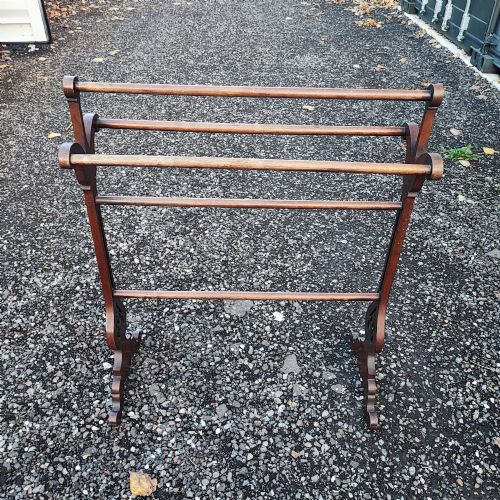
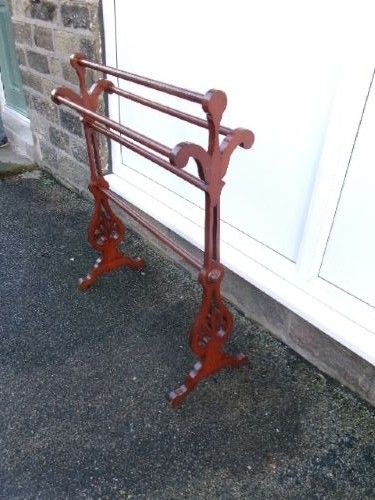
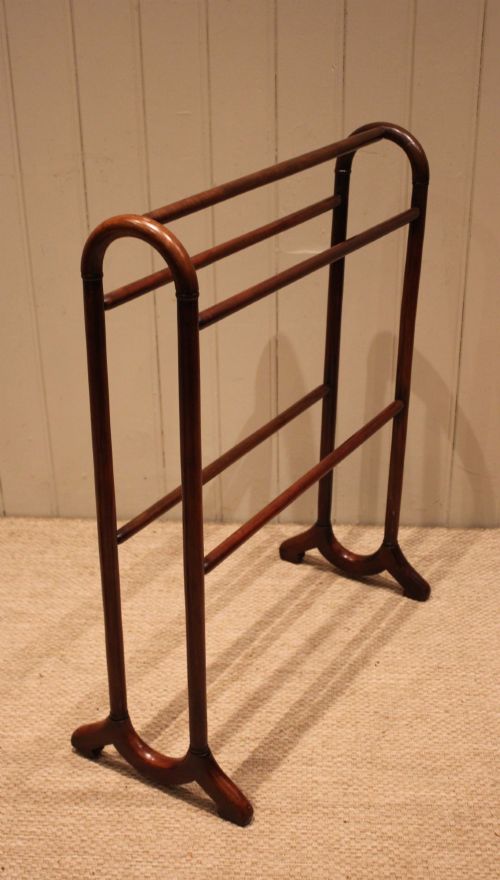
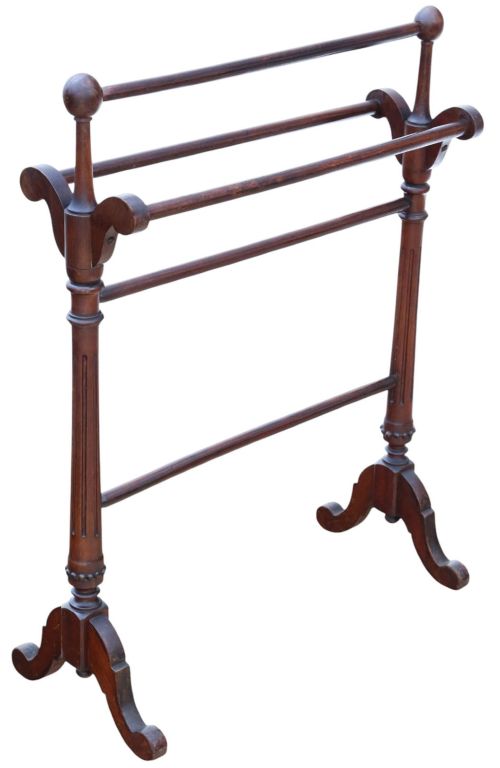
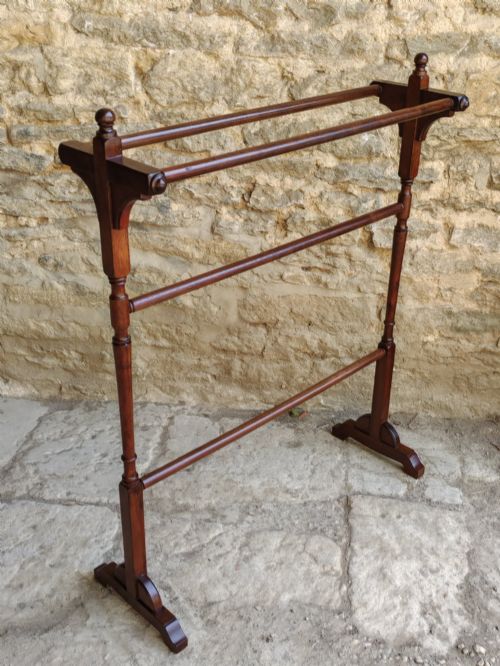
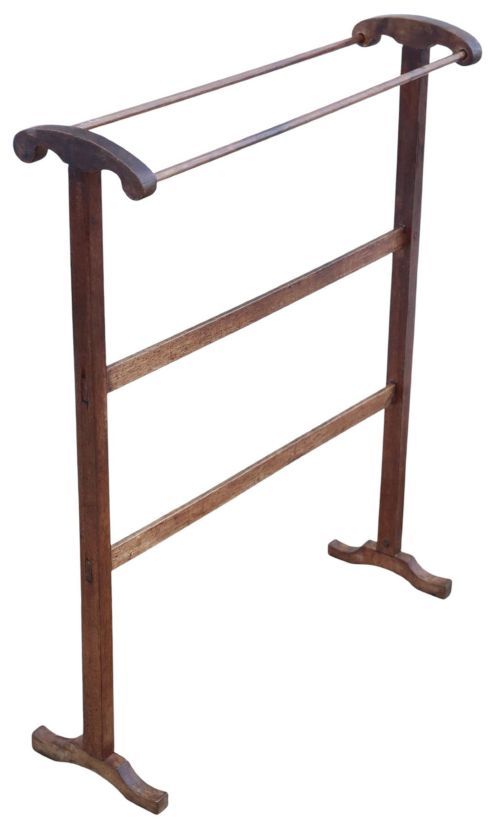
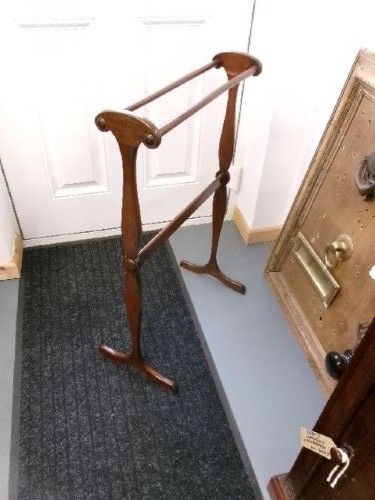
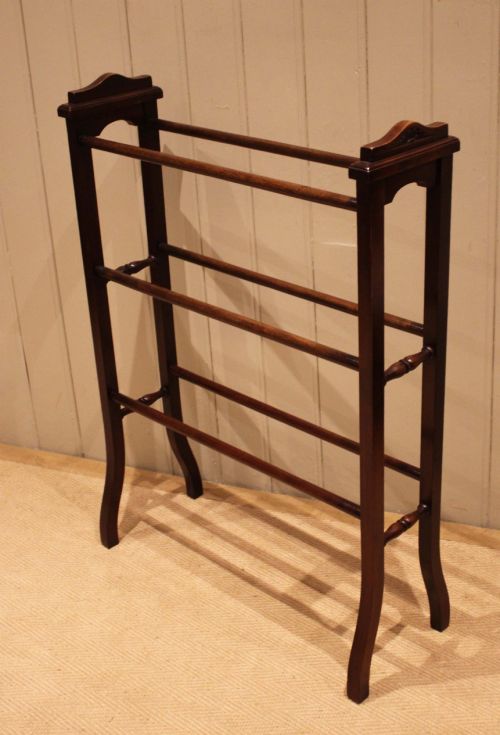
An antique mahogany airer brings warmth and practical utility to a room, offering a sturdy frame designed for airing textiles and clothes.
Antique Mahogany Airer
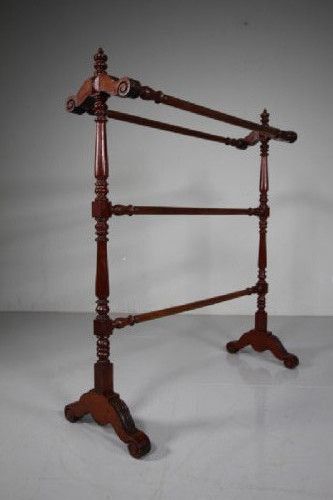
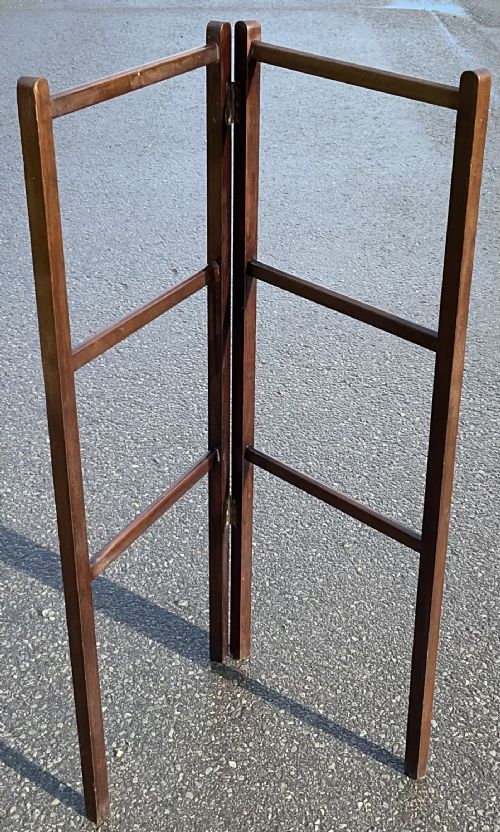
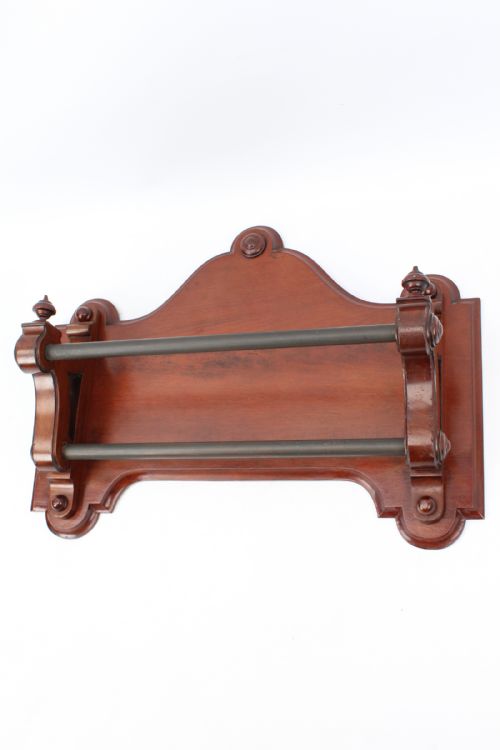
An antique mahogany airer functions primarily as a towel rail stand or clothes airer, designed for domestic utility and laundry drying. These pieces appear in forms such as folding cheval designs, standing rails, and large multi-bar frames.
Origins trace across the nineteenth century, Regency, and William IV eras into the early twentieth century. Each piece reflects the domestic habits of its period.
How they were made
Joiners built these frames predominantly from solid mahogany, occasionally incorporating oak, hardwood, and brass fittings for structural support and hinges. Cabinetmakers utilised timber strength to ensure the folding and standing rails remained stable during daily use.
Decoration on finer examples includes satinwood inlay and boxwood details, adding subtle contrast to the dark grain of the mahogany. Construction techniques varied from simple pegged joints to sophisticated folding mechanisms on cheval frames.
Antique Mahogany Airer Retail Price Guide 2026
Typical asking prices for mahogany airer among the pieces listed under this phrase on Sellingantiques today, from the lower quarter to the upper quarter. They describe what is for sale here now, not the wider market.
Among the laundry rails sits a solitary watch and clock repairer's chest, proving that tiny timepieces needed airers just as much as trousers.
What varies in quality
The distinction between standard utility items and finer examples rests on timber selection and decorative detail. Pieces featuring intricate satinwood inlay or brass mounts demonstrate greater ambition from the maker.
Proportion and scale also separate the items, with oversized or generous proportions requiring superior timber stock to maintain rigidity across multiple rails. Simpler standing rails focus purely on functional stability rather than ornamentation.
The Antique Mahogany Airer Glossary
- Cheval rail
- A standing frame supported by upright pillars that allows the main section to pivot or fold. This design provides stability and multiple hanging rails.
- Satinwood inlay
- A decorative technique where lighter contrasting wood is inserted into the mahogany surface. It creates geometric patterns or borders on Edwardian pieces.
- William IV period
- A design era spanning the early nineteenth century characterised by robust proportions and classical influence. Pieces from this time often feature heavy timber sections.
- Boxwood
- A dense, pale wood utilised for fine stringing and inlay work. It contrasts sharply against dark mahogany surfaces.
Antique Mahogany Airer: Frequently Asked Questions
What is an antique mahogany airer used for?
These frames were originally designed in domestic settings for drying and airing laundry, towels, and clothing near a heat source.
Today, they serve equally well in bathrooms and bedrooms for hanging textiles while adding period character to the interior.
How do I date an antique mahogany airer?
Dating relies on observing the overall style, joinery methods, and secondary timbers used in the construction of the frame.
Early nineteenth century pieces often show heavier proportions, whereas Edwardian examples frequently feature delicate inlay work and lighter frames.
Are folding airers stable?
Folding cheval designs rely on hinges and pivoting joints to remain upright while supporting damp laundry or multiple textiles.
Checking the original brass fittings and pivot points ensures the frame maintains its structural integrity during daily use.
Where should I place an airer at home?
These pieces suit placement in utility spaces, large bathrooms, or bedrooms where their height and rails can be fully utilised.
Their warm timber tones also allow them to stand as decorative furniture items when not holding textiles.