



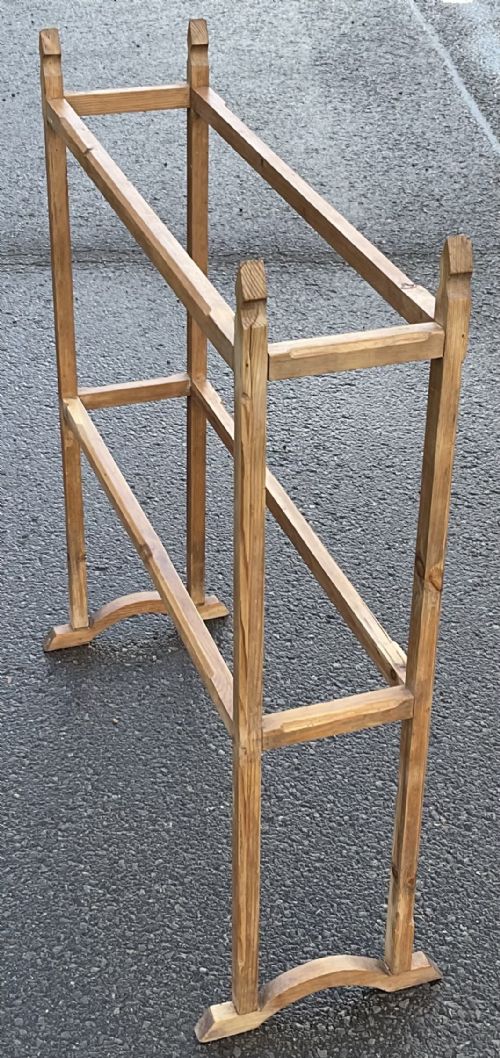

Wooden Clothes Horse
A wooden clothes horse brings simple warmth and function to a room, offering a sturdy frame to dry garments and hang linens.
Wooden Clothes Horse
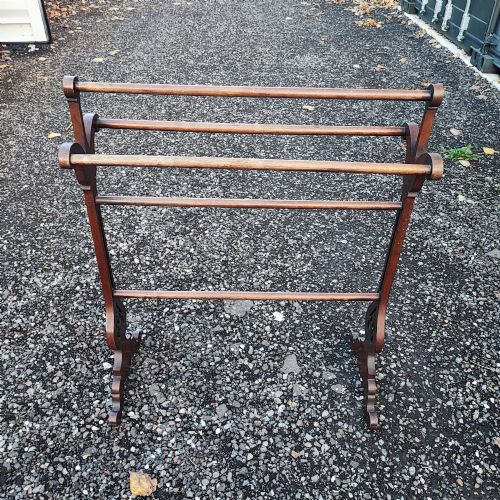
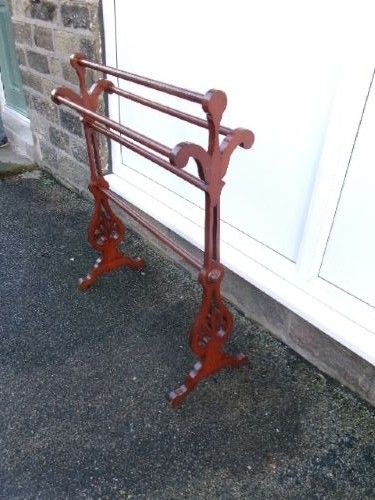
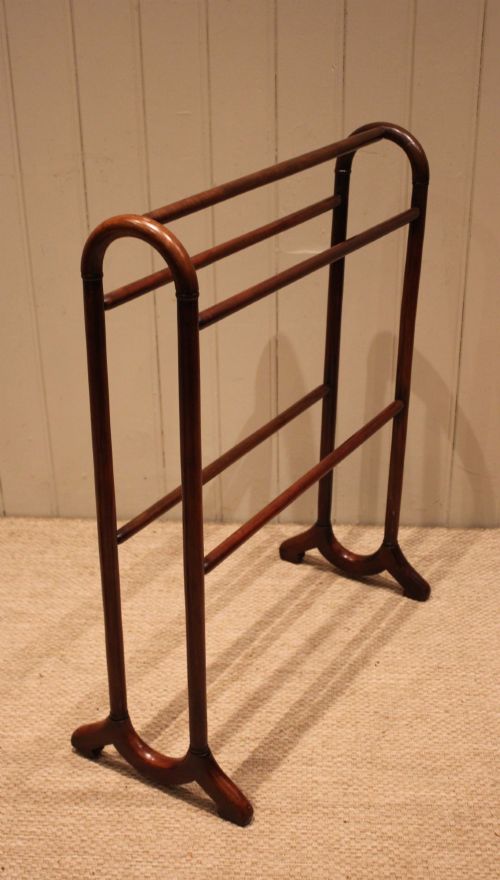
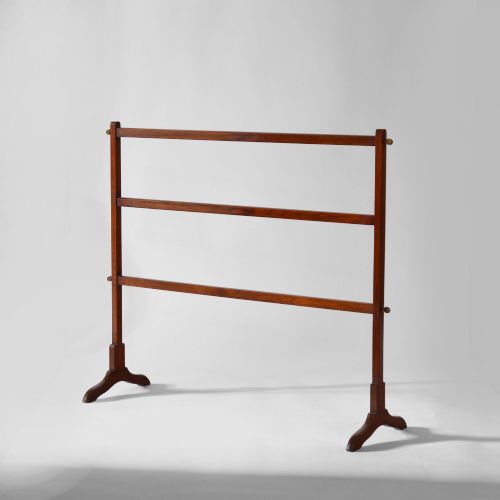
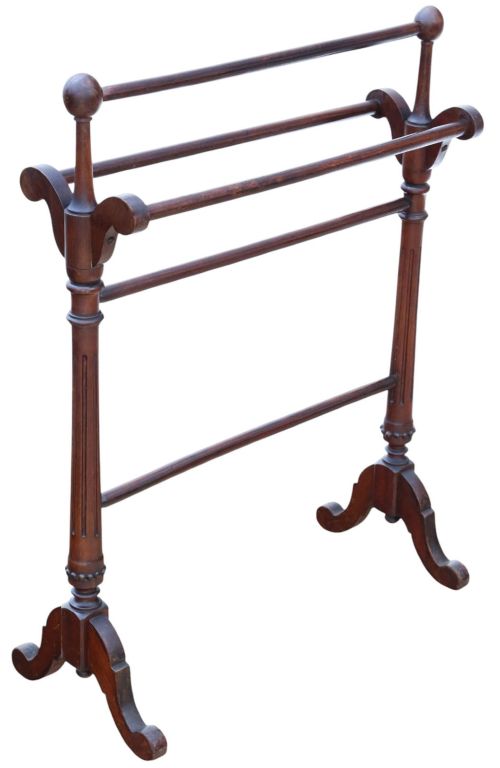
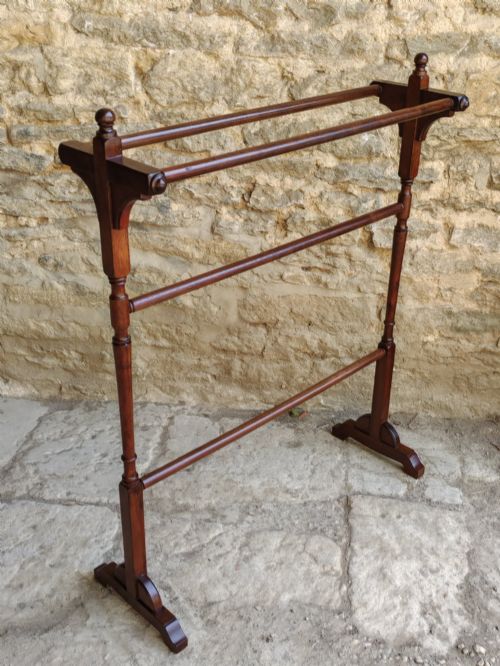
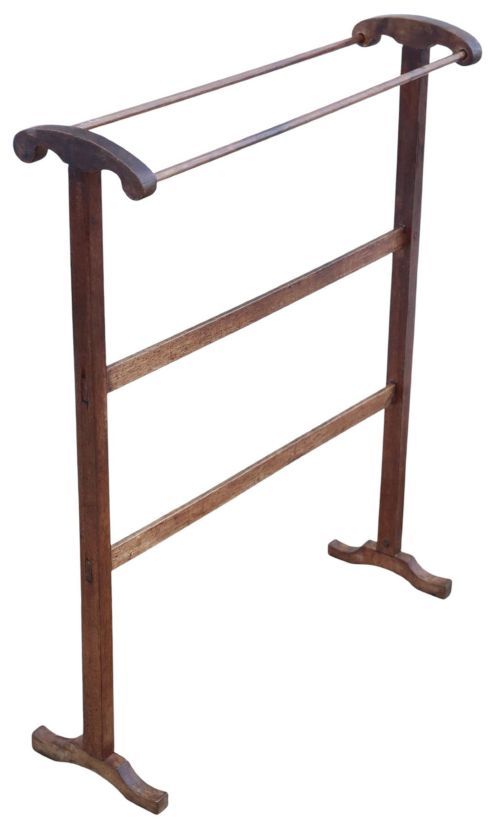
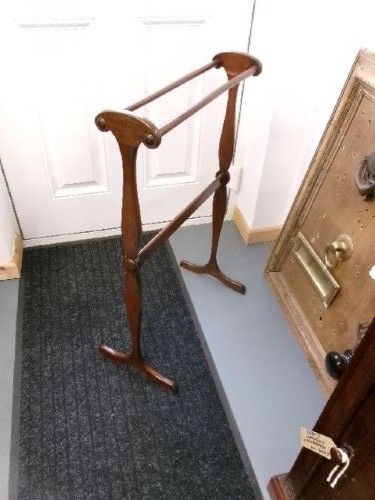
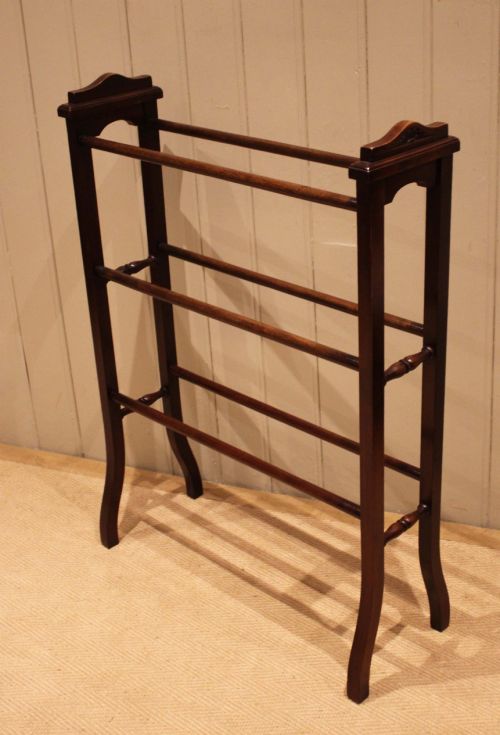
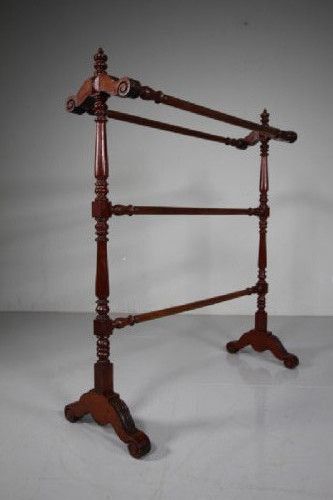
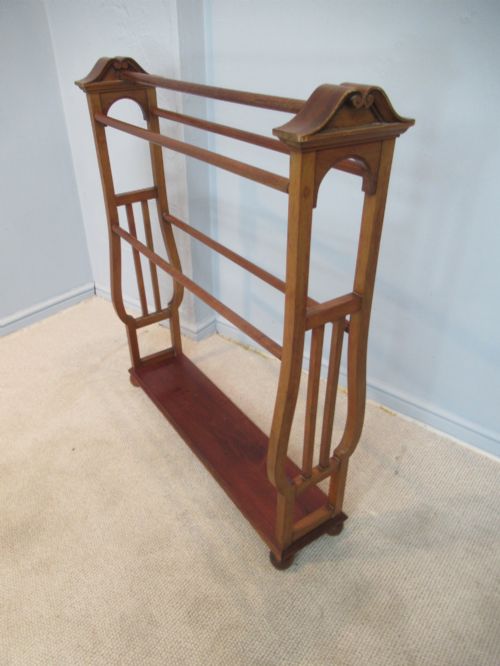
A wooden clothes horse, often found as a towel rail stand, clothes rack, or folding airer, is a practical piece of household furniture designed for drying and airing fabrics. The selection spans the nineteenth century through the Edwardian period, with numerous pieces originating from the Victorian era and the years around nineteen hundred.
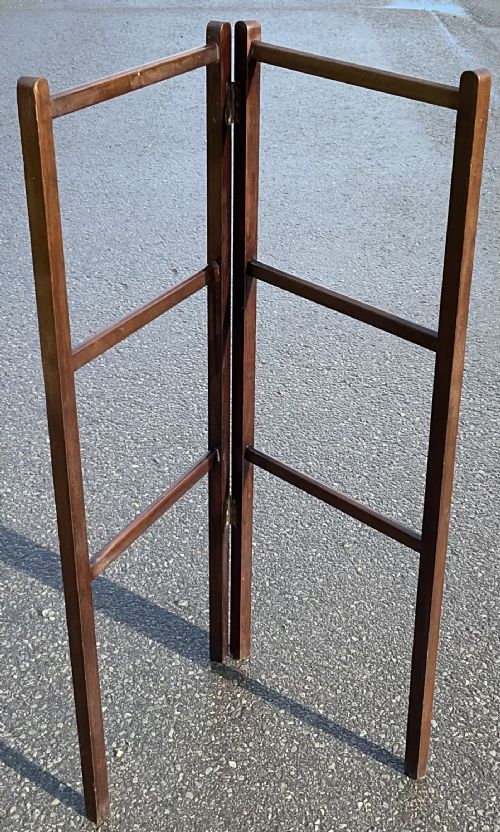
You will encounter various structural forms on this page, ranging from compact single-rail stands to large oversized William IV pieces, three-fold designs, and standing floor models. Materials include mahogany, oak, walnut, pine, and ebonised wood, alongside specialised items such as wall-mounted clothes airers and large lacquered robe stands.
The origins stretch across English cabinet-making traditions, incorporating styles like Victorian Gothic Revival, Arts and Crafts, and Regency designs. Many items demonstrate straightforward utility, while others exhibit finer details such as satinwood inlay and silhouette shaping.
Materials and construction
Cabinet makers utilised dense hardwoods such as mahogany, oak, and walnut to build frames capable of supporting wet linen and heavy garments without warping. Softer woods like pine appear in traditional furniture and country house pieces, offering lighter mobility for daily domestic use.
Surface treatments range from clear polishing that highlights the natural grain of mahogany and walnut to black ebonised finishes and lacquering. Details like satinwood inlay and brass fittings add decorative contrast to the structural timber rails.
Wooden Clothes Horse Retail Price Guide 2026
Typical asking prices for wooden clothes horse among the pieces listed under this phrase on Sellingantiques today, from the lower quarter to the upper quarter. They describe what is for sale here now, not the wider market.
Listings span from the Regency era and nineteenth century through to Edwardian pieces from nineteen hundred and ten.
Distinctions in craftsmanship
Superior examples demonstrate careful jointing and robust hinges on folding multi-bar rails, ensuring the frame stands firmly when extended. The selection of timber grain, particularly in mahogany and figured walnut, distinguishes standard utility items from finely finished parlour or chamber pieces.
Design elaboration separates basic utilitarian frames from pieces featuring decorative elements such as inlaid satinwood, gothic revival mouldings, or silhouette shaping. Scale also dictates quality, with oversized William IV and large nineteenth-century pieces requiring substantial timber selection and stable architectural proportions.
Gillows
The Wooden Clothes Horse Glossary
- Cheval towel rail
- A freestanding pivoting frame that swings on upright supports, allowing the rails to angle outward.
- Ebonised wood
- Timber treated with a dark stain or finish to imitate expensive ebony, popular in nineteenth-century furnishings.
- Satinwood inlay
- Contrasting blonde wood veneer inserted into recesses on a darker mahogany or walnut surface for decoration.
- Gothic Revival
- A nineteenth-century style drawing on medieval architectural motifs, featuring pointed arches and heavy geometric mouldings.
- Airtight
- Not a relevant term here; instead, consider an airer as a slatted rack designed specifically for circulating air through damp textiles.
Wooden Clothes Horse: Frequently Asked Questions
What is a wooden clothes horse used for?
These pieces serve primarily to air, warm, and dry garments and household linens within domestic spaces. They provide accessible hanging space without requiring permanent wall fixtures.
Folding designs allow the frame to collapse flat against a wall when not in use, while larger standing models remain set up in bedrooms or utility rooms.
How do I date a Victorian clothes rail?
Dating relies on observing timber choices, construction methods, and stylistic cues present in the framework. Pieces from the Victorian period frequently utilise solid mahogany, walnut, or pine with turned uprights and traditional joinery.
Later Edwardian examples often feature lighter framing, sometimes incorporating satinwood inlay or simpler turning consistent with early twentieth-century domestic production.
Where should I place a towel rail stand?
These stands suit bedrooms, bathrooms, and laundry spaces where textiles require regular airing or convenient hanging. Their freestanding nature permits easy relocation depending on heating sources and room layout.
Larger multi-fold or oversized pieces function effectively as room dividers while holding quilts, blankets, or multiple garments.
Are these pieces stable enough for heavy use?
Period wooden clothes horses are built with sturdy timber frames designed to bear the weight of damp linens and heavy garments. Multi-bar stands distribute weight evenly across the base.
Freestanding and folding models rely on balanced proportions and secure joints to maintain stability during daily domestic loading.