

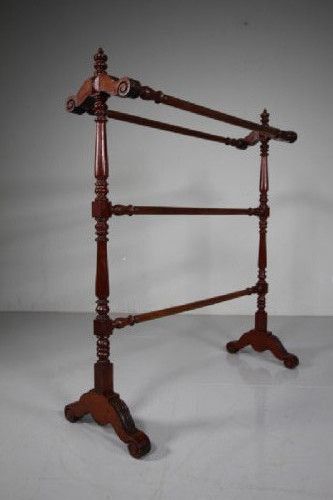
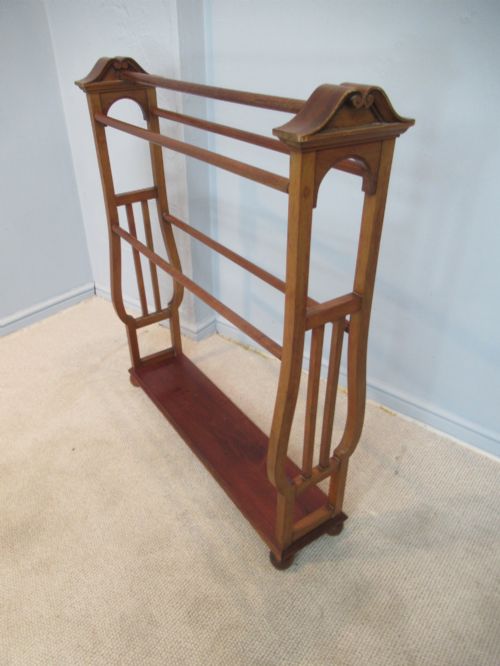


Victorian Towel Horse
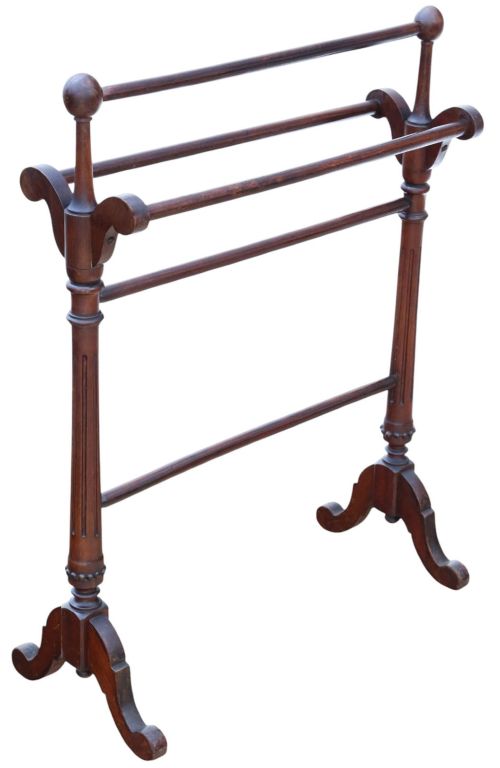
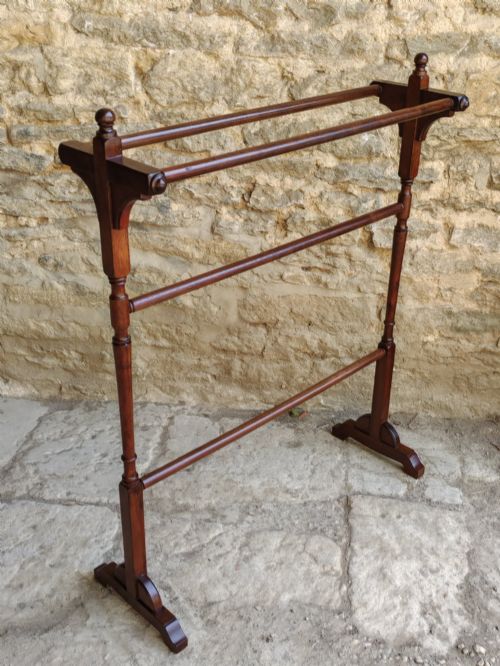
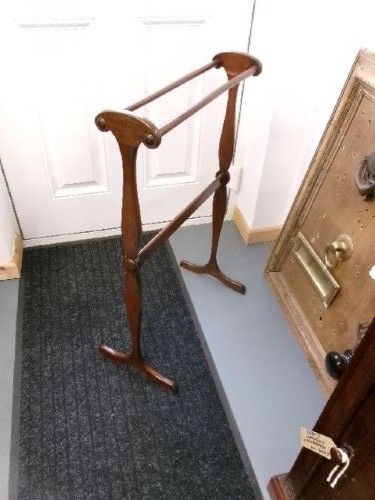
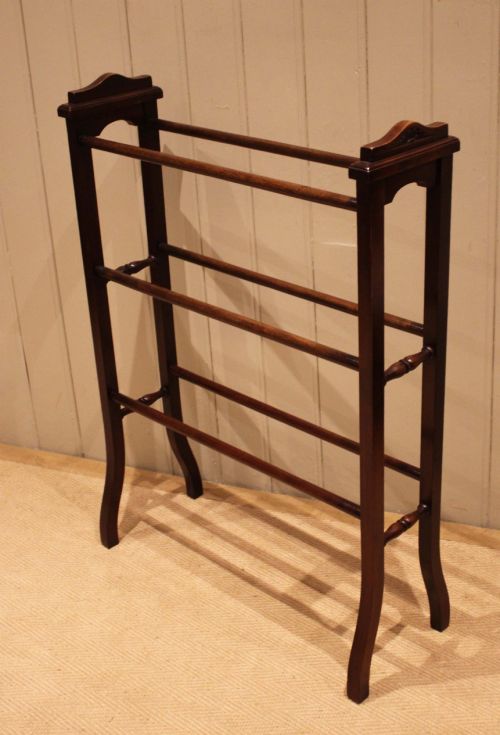
A victorian towel horse is a practical domestic frame used for drying linens, offering sturdy timber construction and period charm.
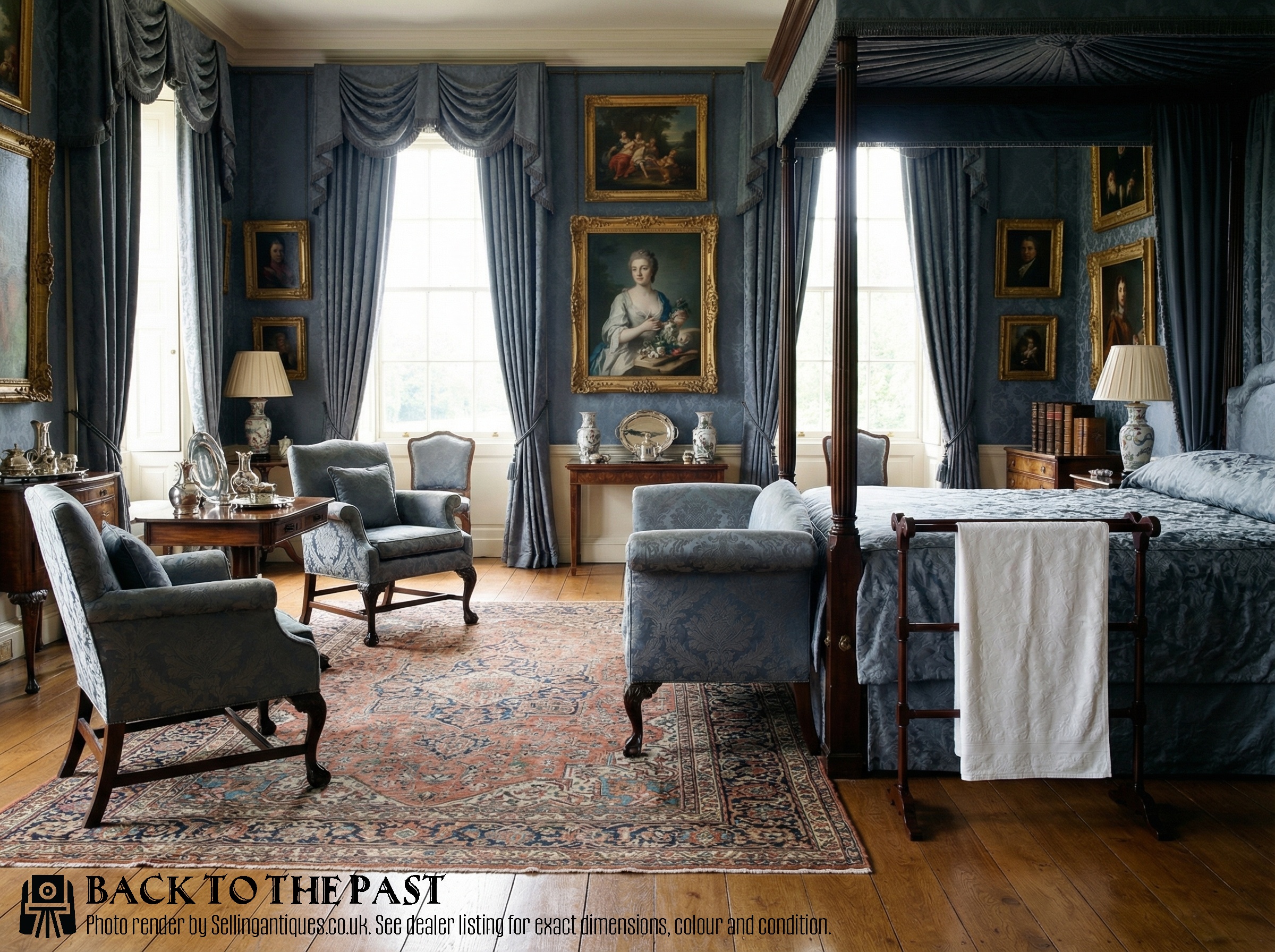
Victorian Towel Horse
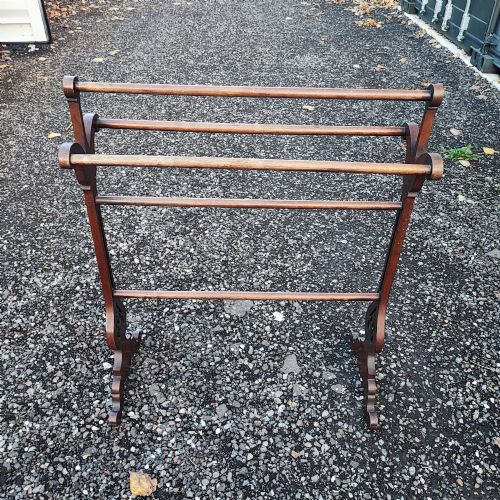
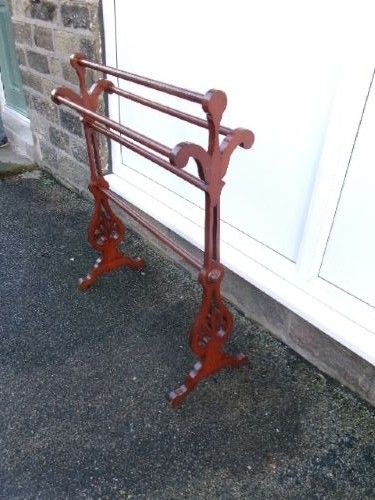
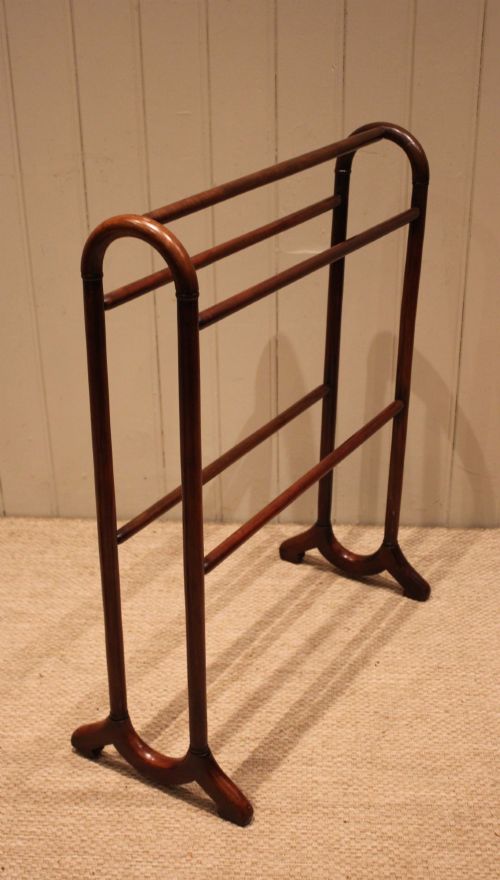
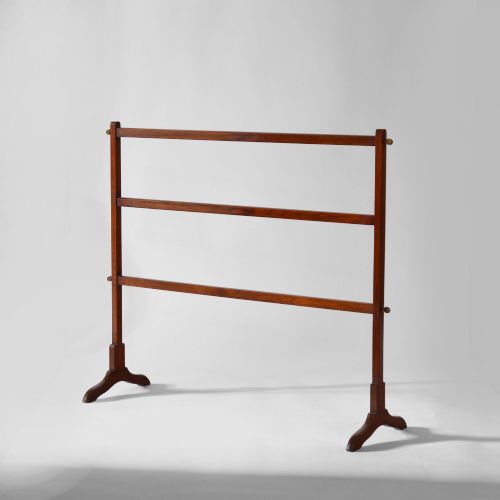
When you search for a victorian towel horse, you are looking at nineteenth-century drying frames designed for domestic laundry and linens. These pieces range from small table versions to large floor-standing units with multiple rails.
The versions you are most likely to meet on this page are constructed from mahogany, walnut, or pine, spanning periods from the Regency era through to the Edwardian period. Many feature folding designs or multiple hinged sections for versatile use in a room.
The form developed to keep household linens warm and dry near a fire, utilising sturdy timber rails held between upright supports. Today, they serve equally well in bathrooms and bedrooms for hanging towels or blankets.
How they were made
Cabinet makers utilised dense hardwoods such as mahogany and walnut alongside softer timbers like pine to build these frames. Joints were typically joined with traditional woodworking methods to withstand daily handling and the weight of damp textiles.
Selected pieces incorporate brass fittings or ebonised wood finishes to provide decorative contrast against the natural grain of the timber. Surfaces were polished or waxed to protect the wood from moisture in domestic environments.
Victorian Towel Horse Retail Price Guide 2026
Typical asking prices for victorian towel horse among the pieces listed under this phrase on Sellingantiques today, from the lower quarter to the upper quarter. They describe what is for sale here now, not the wider market.
Some larger antique frames come with five separate rails, ensuring your damp laundry had plenty of room to contemplate its drying future.
What varies in quality
The distinction between standard utility items and finer pieces lies in the choice of timber and the sophistication of the turning on the uprights. Superior examples display carefully selected mahogany grain and solid structural joinery.
Proportion and scale also separate ordinary models from larger, oversized pieces or those featuring multiple folding folds. The integration of decorative elements like Gothic revival details or brass hardware elevates a simple frame to a more considered interior piece.
The Victorian Towel Horse Glossary
- Ebonised wood
- Timber treated with a dark finish to imitate expensive ebony, frequently utilised on late nineteenth-century decorative frames.
- Gothic Revival
- A design style drawing inspiration from medieval architecture, seen in pointed arches and heavier mouldings on period woodwork.
- William IV
- A transitional design period bridging Regency and early Victorian styles, characterised by robust proportions and substantial timber sections.
Victorian Towel Horse: Frequently Asked Questions
What is a victorian towel horse used for?
These frames were originally designed for drying and airing household laundry, linens, and garments near a hearth.
Today, they are utilised in bathrooms and bedrooms as functional rails for bath sheets, blankets, and clothing.
How do I date a towel horse?
Dating relies on observing the timber species, construction methods, and stylistic details present in the frame.
Earlier nineteenth-century pieces often feature solid mahogany and hand-turned uprights, while later Edwardian versions utilise alternative woods or simpler forms.
Are these towel rails sturdy?
Most pieces are built from dense hardwoods like mahogany, walnut, or oak, providing a stable frame for daily domestic use.
Folding designs use hinged sections that require careful handling to maintain the integrity of the joints over time.
Can I use a towel horse in a modern bathroom?
These pieces integrate easily into contemporary interiors, providing practical hanging space without requiring wall installation.
Positioning them away from direct water spray helps protect the historical timber finish and wax polish.