




Wooden Quilt Rack
A wooden quilt rack organises textiles cleanly, and the pieces found here span functional towel rail stands and standing clothes racks from the nineteenth and early twentieth centuries.
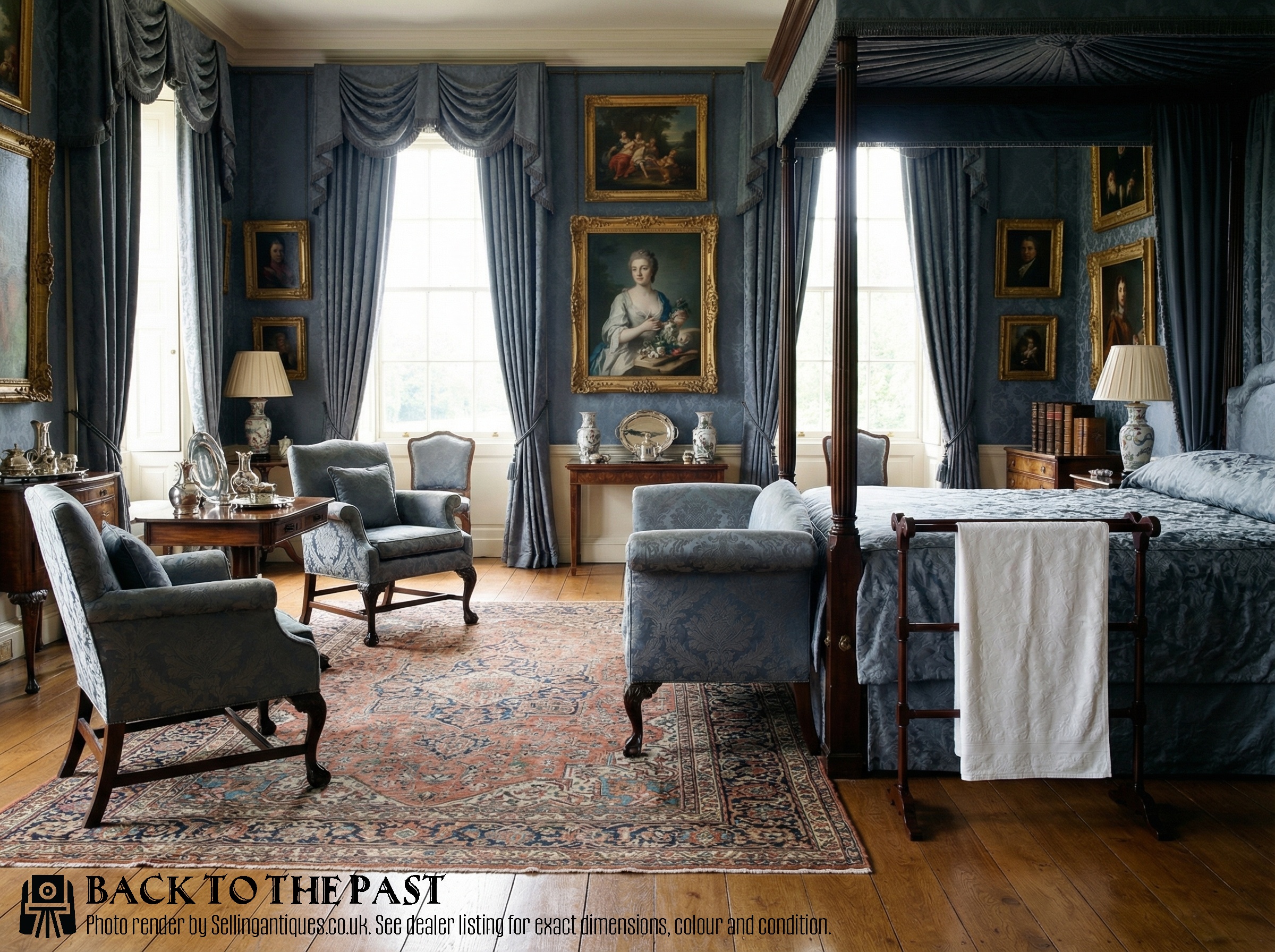
Wooden Quilt Rack
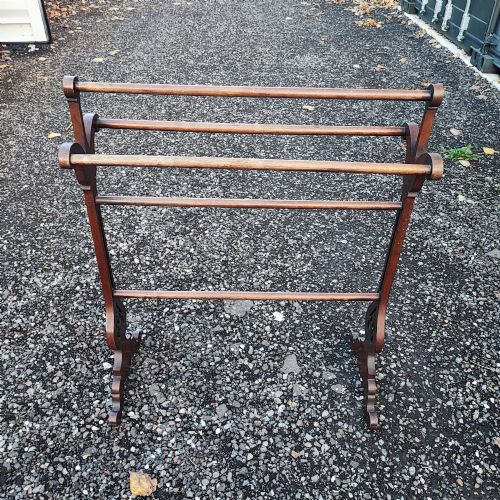
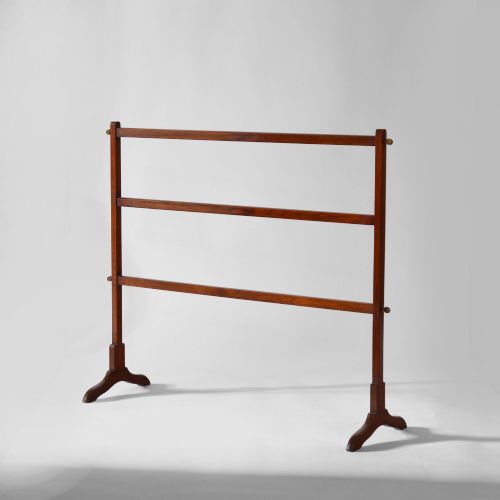
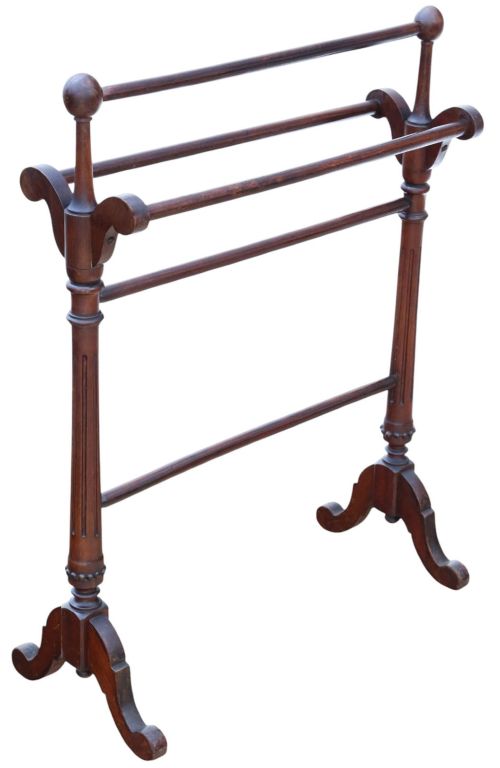
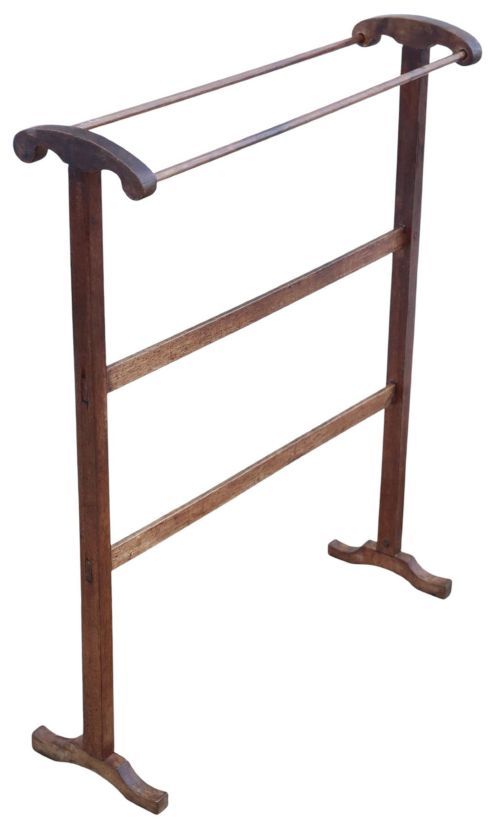
A wooden quilt rack search typically reveals freestanding towel rail stands, large clothes racks, and robe stands originating from British periods such as the Edwardian, Victorian, and Regency eras alongside Chinese Qing Dynasty pieces. The forms serve primarily to drape textiles or garments, utilising floor space efficiently.
Buyers encounter both simple utilitarian items and decorated examples featuring satinwood inlay or brass details. These household objects reflect the changing interior standards of domestic spaces across the nineteenth and early twentieth centuries.
How they were made
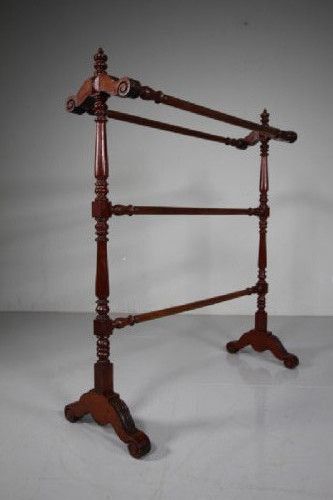
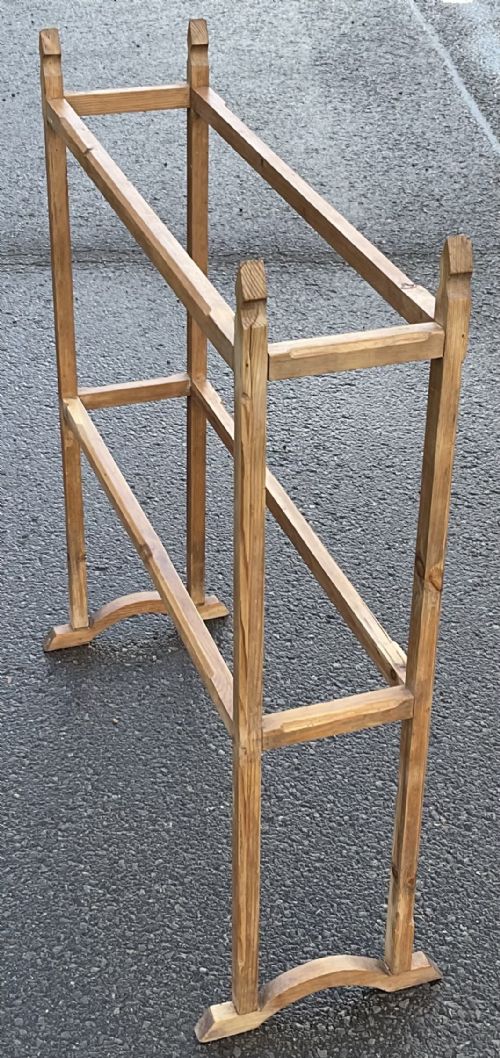
Makers construct these pieces predominantly from solid hardwoods like mahogany and oak, occasionally turning to pine for simpler frames. Mahogany provides both structural stability and a smooth surface suitable for polished finishes.
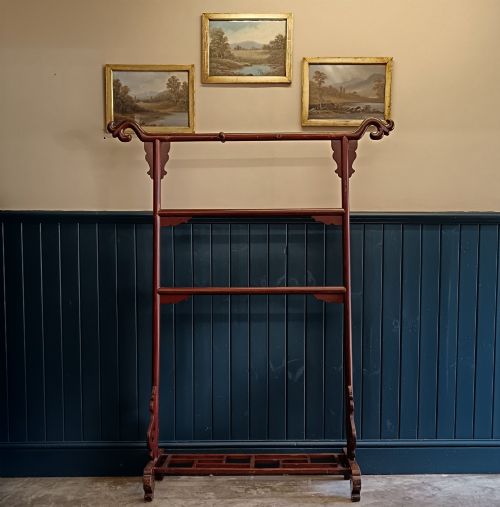
Detailed examples incorporate satinwood inlay and brass hardware to accent the timber frames. Some specialised items utilise lacquered wood and pigment finishes, particularly those originating from the Qing Dynasty.
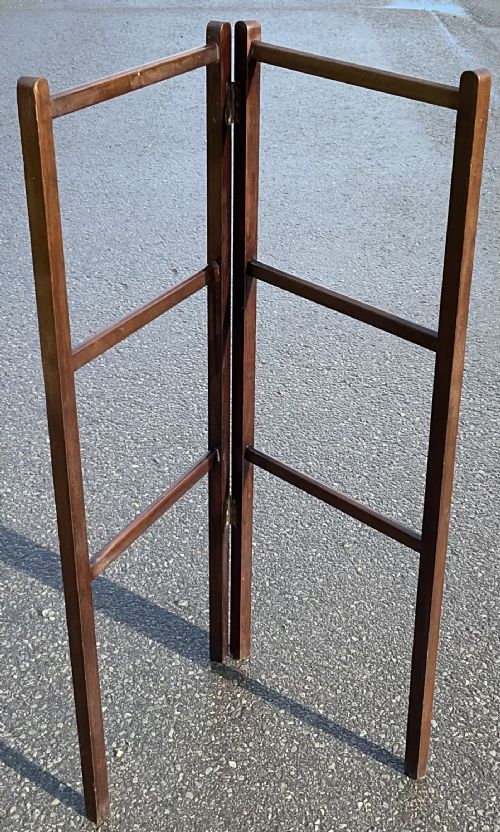
Joining techniques vary from rigid standing frames to hinged folding designs that allow the rails to collapse. Turned wooden bars and upright supports dominate the construction methods seen across the inventory.
Wooden Quilt Rack Retail Price Guide 2026
Typical asking prices for wooden quilt rack among the pieces listed under this phrase on Sellingantiques today, from the lower quarter to the upper quarter. They describe what is for sale here now, not the wider market.
A solitary Qing Dynasty piece brings lacquered wood and pigment all the way from China into a room full of British mahogany.
What varies in quality
Construction substance dictates the grade of a piece, distinguishing heavy, oversized William IV or Regency examples from lighter Edwardian utility items. Timber selection plays a primary role, with figured mahogany and dense oak sitting above plain pine.
Decorative enrichment separates standard rails from finer examples. The presence of delicate satinwood inlay or brass elements elevates the visual weight of a stand.
Proportion and scale influence the desirability of a piece, as larger oversized rails require greater joinery skill to remain stable. The execution of turned elements and joints shows the maker's hand.
The Wooden Quilt Rack Glossary
- Mahogany
- A durable tropical hardwood prized for its rich reddish-brown tone and stability. It forms the primary material for the majority of nineteenth-century frames here.
- Satinwood inlay
- A decorative technique inserting contrasting pale satinwood into recesses within a darker wood ground. It creates geometric or botanical patterns on Edwardian surfaces.
- William IV
- A British design period spanning the early nineteenth century known for robust proportions and classical restraint. Pieces from this era often feature heavy timber scantlings.
- Regency
- An English stylistic period characterised by refined classical lines influenced by Greco-Roman antiquity. Items from this era emphasise balanced proportions and clean turnings.
- Qing Dynasty
- The final imperial dynasty of China, spanning the seventeenth to early twentieth centuries. Pieces from this origin often feature lacquered wood and pigment finishes.
Wooden Quilt Rack: Frequently Asked Questions
What is a wooden quilt rack used for?
These pieces function primarily as freestanding rails to display or store household textiles, blankets, and towels. They keep fabrics airing and neatly folded in domestic rooms.
Larger versions also accommodate garments and robes in bedrooms or dressing areas, operating as moveable wardrobe accessories.
How do I identify an Edwardian towel rail?
Edwardian pieces date from the early twentieth century and frequently feature lighter mahogany frames with multiple parallel bars. They often incorporate subtle decorative elements like satinwood inlay.
These stands tend toward domestic practicality, including folding designs intended for easy movement and compact storage.
Are these racks suitable for heavy quilts?
Sturdier nineteenth-century and oversized Regency or William IV examples provide the robust frame necessary to support heavy textiles. Their dense hardwood construction resists bowing under weight.
Lighter Edwardian folding rails suit lighter blankets and towels rather than heavy quilted bedding.
What is the difference between a towel rail and a robe stand?
Towel rails generally consist of horizontal bars mounted horizontally between upright supports for draping flat textiles. They prioritize low, wide profiles.
Robe stands and clothes racks tend to offer taller vertical hanging space suited for garments, occasionally incorporating enclosed or Qing Dynasty lacquered wood construction.
How do I care for a mahogany rail?
Maintain finished mahogany by dusting regularly with a dry cloth and avoiding placement near direct heat sources or strong sunlight. These precautions protect the polish and wood.
Occasional application of appropriate wax feeds the timber and preserves the natural grain without building up heavy residues.