





Antique Wooden Drying Rack
An antique wooden drying rack brings practical utility and warmth to a room, offering clever folding designs and sturdy frames.
Antique Wooden Drying Rack
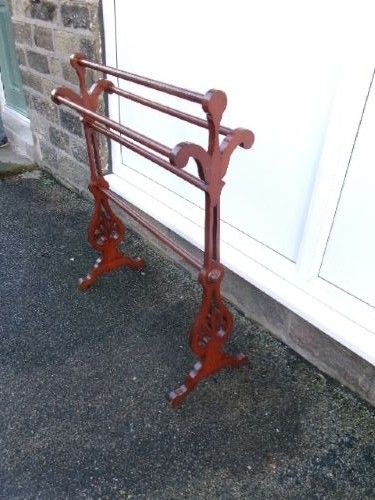
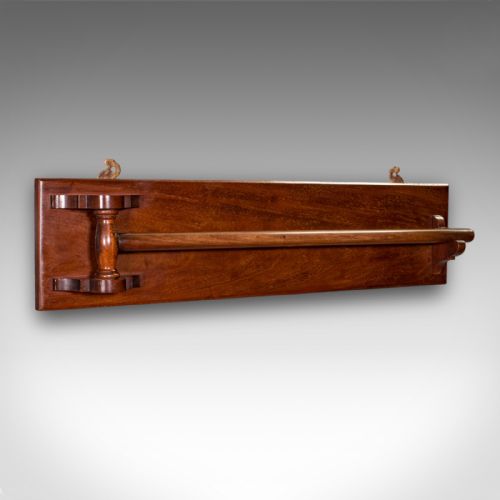
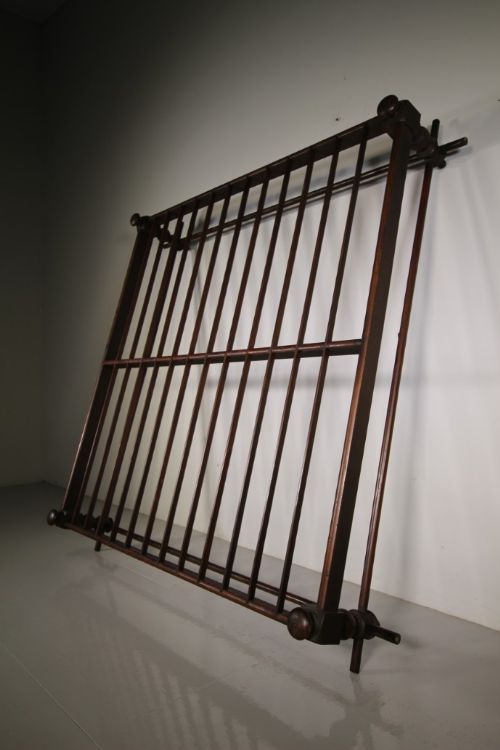
An antique wooden drying rack encompasses freestanding towel rail stands, folding clothes airers, wall mounted units, and hanging kitchen frames designed for domestic use. The pieces found here span the Regency, Victorian, and Edwardian eras, alongside rustic farmhouse and arts and crafts interpretations.
How they were made
Cabinet makers utilised solid woods including mahogany, oak, pine, and hardwood to construct these frames, frequently employing pegged joints or turned spindles. Selected pieces feature satinwood inlay or brass fittings to accent the functional wooden structure.
Rustic examples rely on cleft hazel or local timber harvested for utilitarian strength rather than fine polish. Lacquered finishes and decorated surfaces appear on specific regional and imported items, preserving the wood against damp environments.
Antique Wooden Drying Rack Retail Price Guide 2026
Typical asking prices for wooden drying rack among the pieces listed under this phrase on Sellingantiques today, from the lower quarter to the upper quarter. They describe what is for sale here now, not the wider market.
Apple racks quietly double as brilliant airing frames for oversized wool jumpers.
What varies in quality
The standard of a drying rack depends upon the selection of timber and the complexity of its joinery, with fine country house pieces showing superior turning and tighter hinge construction. Simpler utilitarian items prioritise robust gauge and honest working wear over decorative refinement.
Proportion and scale distinguish standard rails from impressive large-scale items like three-fold horses or extensive hanging racks. The integration of decorative elements such as inlaid banding or brass hardware elevates the piece from basic utility to refined interior furnishing.
The Antique Wooden Drying Rack Glossary
- Cleft hazel
- Wood split along the natural grain rather than sawn, providing flexible and resilient rods for agricultural and drying tasks. It appears in traditional country utilitarian items.
- Apple rack
- A slatted wooden framework designed for storing and airing fruit harvests in larders or outbuildings. These items utilise open frames to allow air circulation.
- Satinwood inlay
- Contrasting pale timber inserted into recesses on a darker wood surface to create decorative borders or motifs. It is typical of more polished Edwardian and Regency pieces.
- Robe stand
- A tall freestanding frame used for hanging garments or robes, sometimes of significant scale. These pieces combine display utility with domestic storage.
Antique Wooden Drying Rack: Frequently Asked Questions
How do you use an antique drying rack today?
These pieces serve well in bathrooms for hanging towels or in utility rooms for airing laundry. Their folding designs allow them to tuck neatly against a wall when not in service.
They also function effectively in bedrooms as clothes valets or decorative display stands for textiles and quilts. The generous rails provide ample hanging space without permanent installation.
What woods were commonly used for these racks?
Mahogany and oak predominate in finer domestic pieces, offering durable frames and attractive grain patterns. Pine and local hardwoods appear frequently in simpler farmhouse and utilitarian iterations.
Specialist items might incorporate cleft hazel for flexible framework or feature satinwood inlay for decorative contrast. Each material reflects the intended function and the era of manufacture.
How do I identify an Edwardian drying rack?
Edwardian pieces often feature lighter mahogany frames with clean lines and occasional satinwood inlay. They tend to reflect a domestic focus on functional bedroom and bathroom accessories.
Comparing the turning style and joinery helps distinguish them from earlier Victorian or Regency examples. Wall mounted airers also became increasingly popular during this period.
Are these racks suitable for damp environments?
While originally built for domestic chores involving damp laundry or towels, antique wooden pieces benefit from sensible placement. Well-ventilated spaces prevent excessive moisture from affecting the historical timber and joints.
Regular care preserves the polished or lacquered wooden surfaces against everyday humidity. Treating the wood with appropriate oils keeps the grain nourished.
What is a three-fold towel rail?
A three-fold rail consists of three interconnected frames joined by hinges that allow the whole assembly to angle outward or fold flat. This configuration maximises hanging capacity while remaining compact for storage.
Such designs are typical of Victorian and Edwardian clothes horses found in larger households. The hinges permit flexible positioning around a room.