




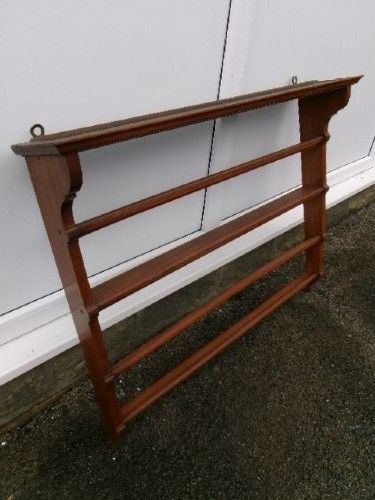
Victorian Wall Rack
When you search for a victorian wall rack, you enter a world of timber and brass built to organise nineteenth-century domestic life.
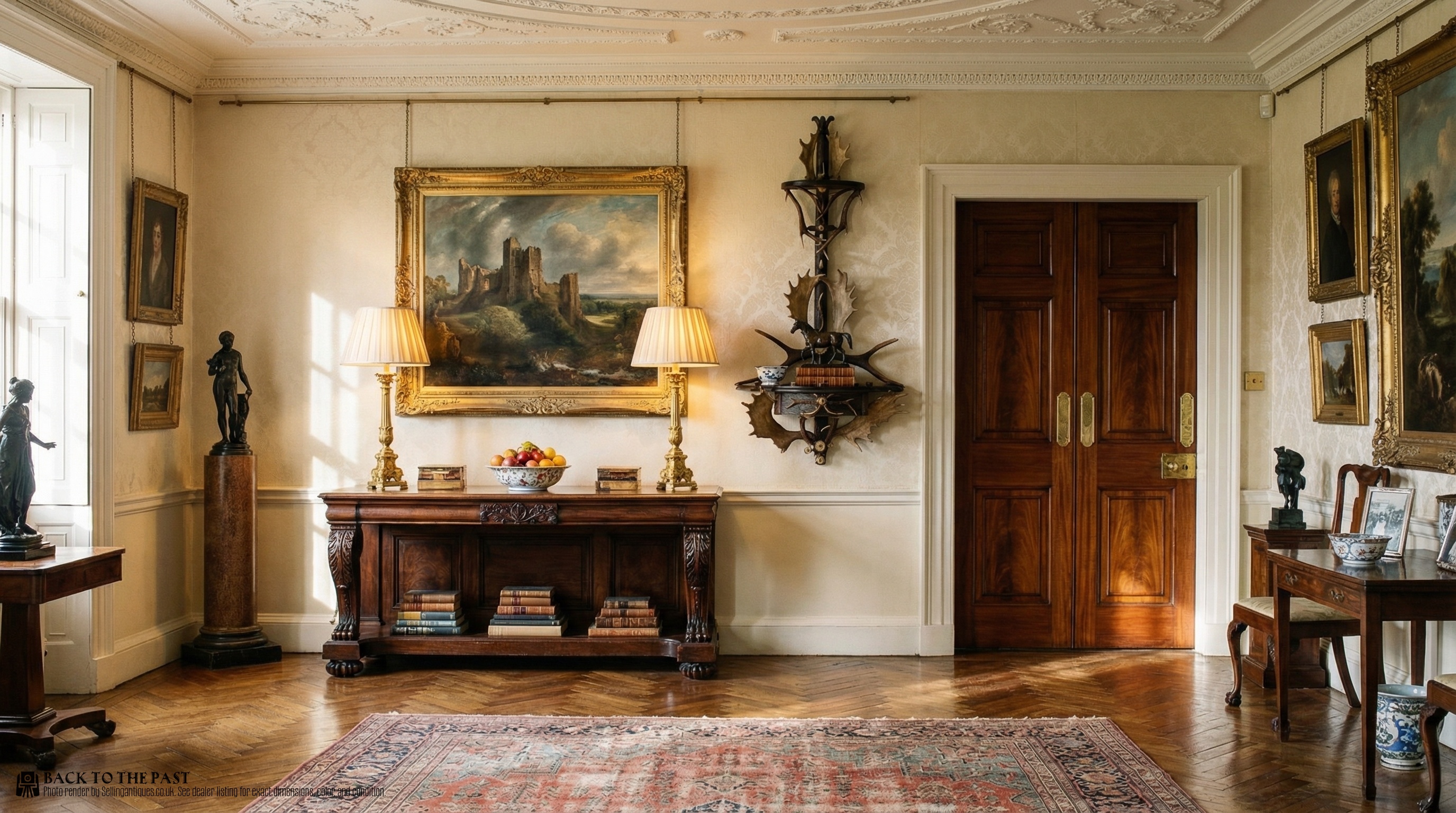
Victorian Wall Rack
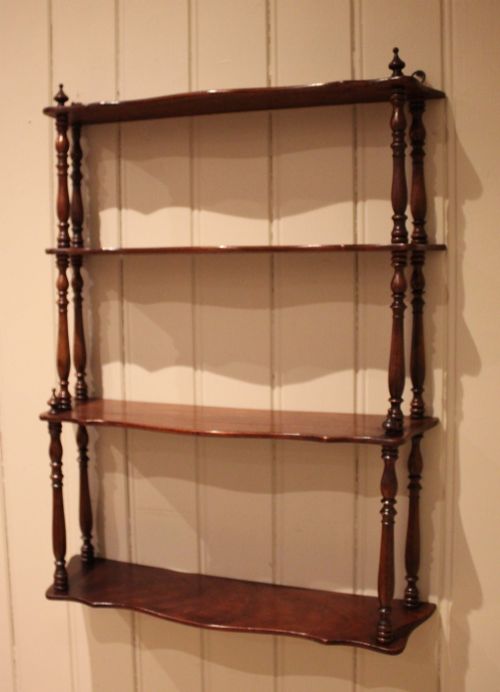
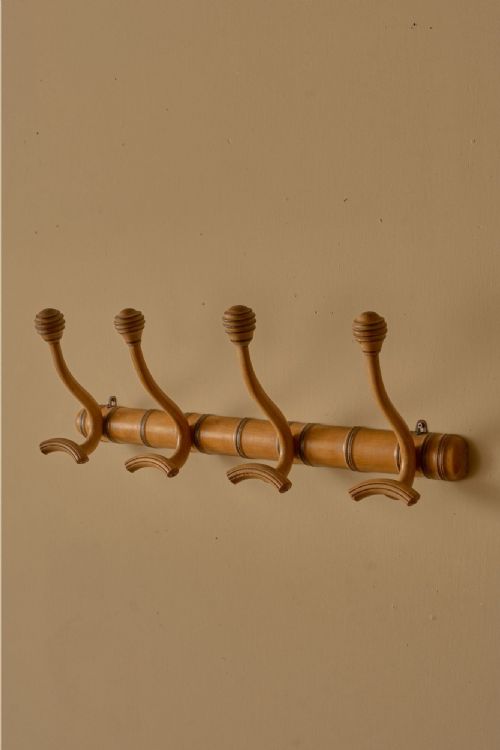
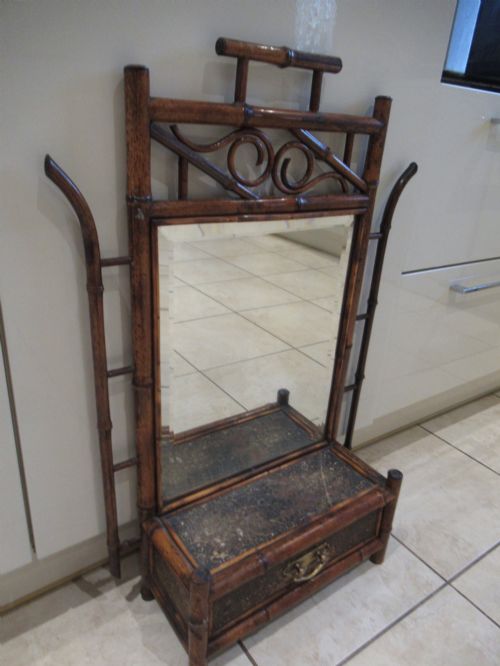
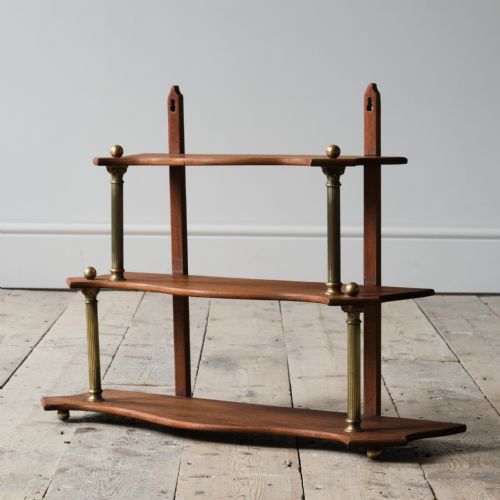
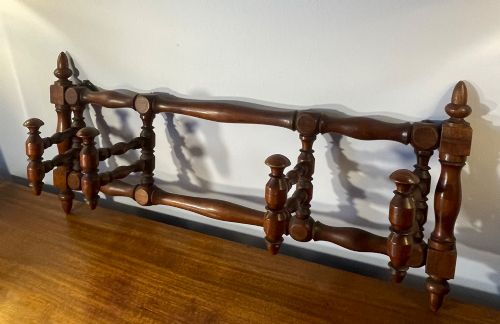
A victorian wall rack encompasses practical timber coat rails, hanging display shelves, and letter holders designed to maximise domestic space. The pieces listed here span kitchen plate racks, hall coat hooks, and library bookshelves mounted for daily utility.
Most examples originate from nineteenth-century British workshops and country houses, constructed from native hardwoods to serve specific functional roles in hallways, pantries, and studies.
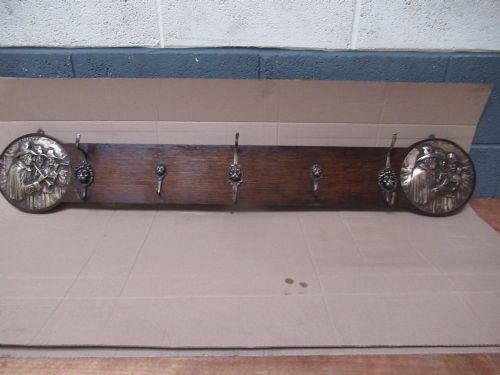
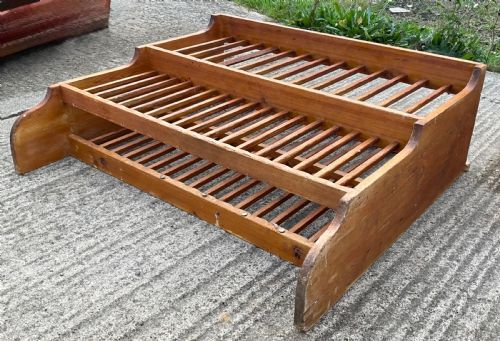
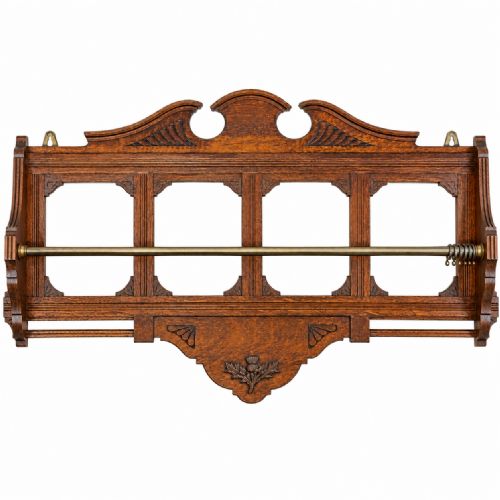
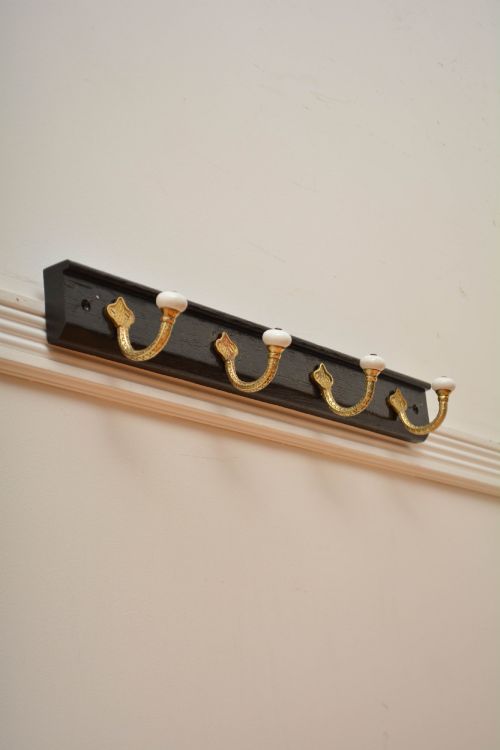
The prevailing forms on this page include mahogany coat racks set with ceramic hooks, open pine wall shelves, and oak letter racks accented with brass fittings.
Materials and Construction
Cabinetmakers relied heavily on dense timbers such as mahogany, oak, and walnut, often pairing them with structural pine or ebonised wood for backing boards. These boards provided the necessary rigidity to support heavy brass coat hooks, cast iron saddle rests, and porcelain display brackets.
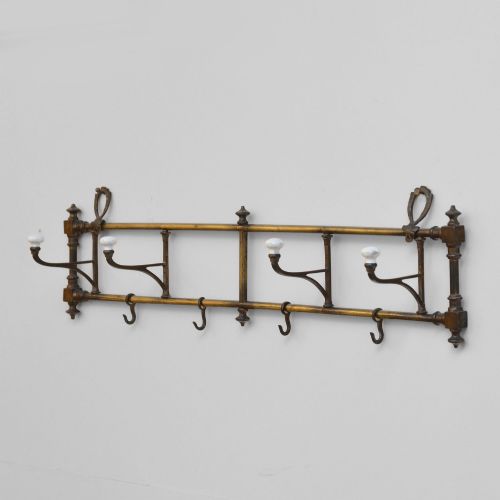
Metalwork played a defining structural and decorative role, featuring cast brass hooks, forged iron brackets, and ceramic inserts shaped with moulded collars. Joinery techniques ranged from simple pegged joints on utilitarian pine plate racks to finely carved ornamentation on rosewood and gilt display shelves.
Victorian Wall Rack Retail Price Guide 2026
Typical asking prices for victorian wall rack among the pieces listed under this phrase on Sellingantiques today, from the lower quarter to the upper quarter. They describe what is for sale here now, not the wider market.
A Black Forest gnome carved into a whip hook once watched over someone's riding gear.
Judging Quality
Quality reveals itself in the selection of timber grain and the integrity of the original mounting hardware. Superior examples display thoughtful proportions, crisp hand-carving, and uncompromised structural joints that have survived decades of functional use.
Lesser pieces often show crude secondary timber replacements, mismatched hooks, or over-restored surfaces that obscure the authentic patina accumulated through nineteenth-century domestic service.
William Tonks and Sons
The Victorian Wall Rack Glossary
- Ebonised
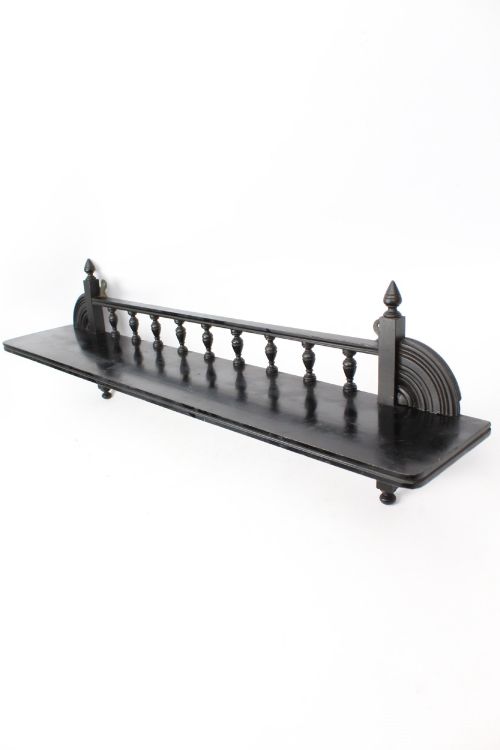
- Wood treated with a dark stain or finish to imitate expensive ebony. This technique was widely utilised during the nineteenth century to provide sharp contrast against polished brass fittings.
- Backboard
- The horizontal or vertical timber panel used to anchor coat hooks or shelving brackets to a wall. It distributes the weight load securely across wall studs.
- Plate rack
- A wall-mounted wooden shelving unit featuring vertical slats or plate rails designed to store ceramic tableware upright. They were common fixtures in Victorian kitchens and sculleries.
- Letter rack
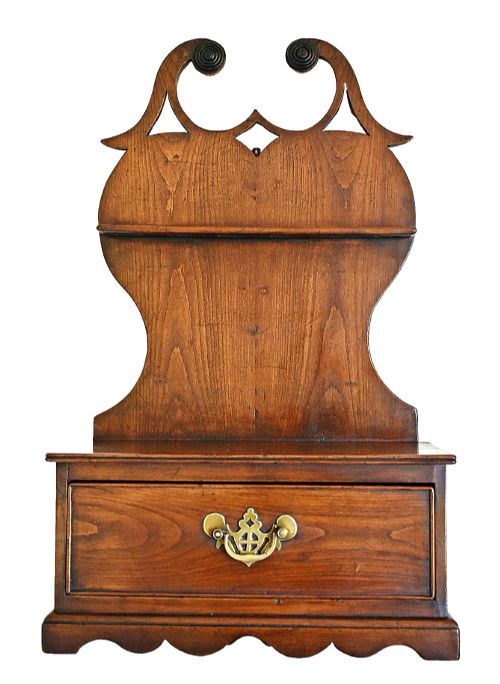
- A small desktop or wall-hanging storage piece featuring tiered wooden partitions or brass wire pockets. They served to organise correspondence and stationery in reception rooms.
- Aesthetic Movement
- A late nineteenth-century design style emphasising visual beauty over narrative meaning. Pieces from this movement often incorporate ebonised finishes and stylised brass mounts.
Victorian Wall Rack: Frequently Asked Questions
What were wall racks used for?
Victorian households utilised these hanging fixtures primarily for storing outerwear, displaying ceramic plates, or organising daily correspondence in entrance halls and kitchens. Different room types required specific configurations, from sturdy brass-hooked coat rails to open shelving.
Their practical design allowed families to keep frequently used items accessible while preserving floor space in busy domestic environments.
How do I hang a heavy rack?
Mounting antique wooden racks safely requires locating solid wall studs to bear the weight of dense timbers like oak and mahogany. Using appropriate steel screws through the original fixing holes or backboard ensures the piece remains secure under load.
For lighter pieces or plaster walls, suitable wall anchors prevent the wood from splitting or pulling free over time.
Are the brass hooks original?
Many surviving pieces retain their cast brass or ceramic-centred hooks, though replacements are common due to heavy wear over the centuries. Examining the screw heads, wood indentation, and patination around the fittings helps determine their age relative to the backboard.
Period replacements still offer historical charm, but matching screw slots and matching metal oxidation indicate original factory assembly.
How do I clean antique wood?
Maintaining nineteenth-century timber surfaces involves gentle dusting with a dry microfibre cloth and applying occasional quality beeswax to nourish the dry grain. Avoid modern chemical sprays or excessive moisture, which can degrade old French polish or ebonised finishes.
Regular care preserves the natural lustre and historical patina accumulated across generations of use.