
Wall Mounted Coat Pegs
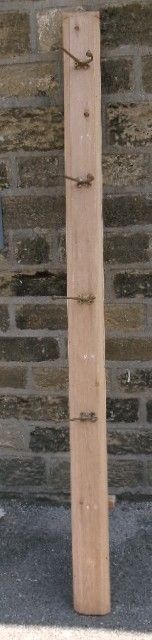
Wall mounted coat pegs organise hallways with timber and metal fixtures designed to hold everyday garments.
Wall Mounted Coat Pegs
When you search for wall mounted coat pegs, you encounter a variety of practical wooden backboards and individual hooks designed for hanging garments in hallways and cloakrooms.
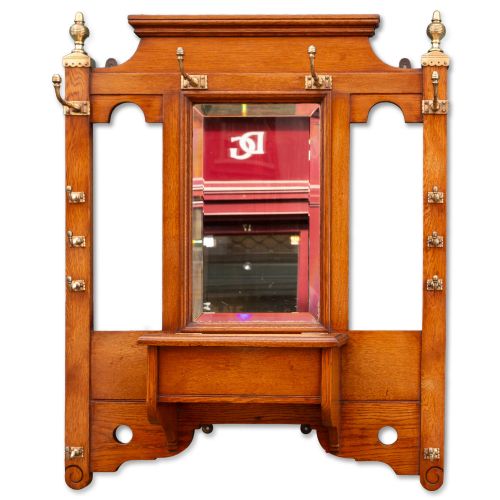
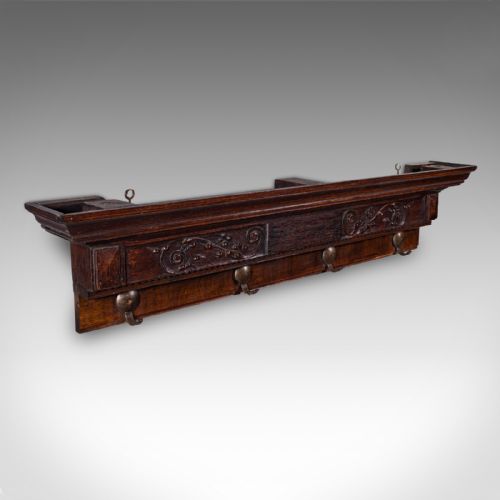
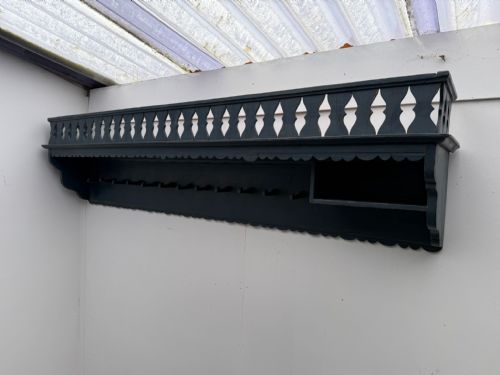
The pieces on this page span the Victorian and Edwardian periods through to the early twentieth century, taking the form of linear coat racks, multi-hook wall boards, and individual wall hooks.
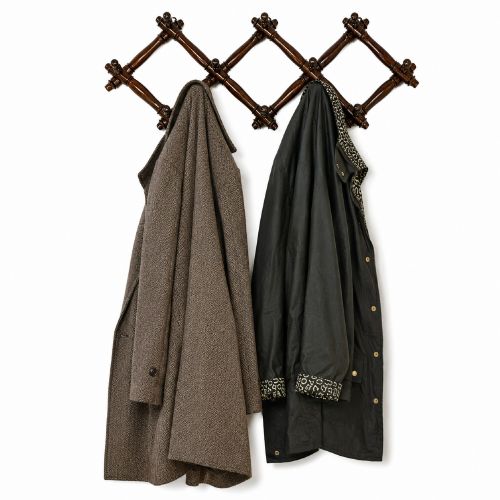
Mahogany, oak, and pine provide the wooden backboards for many examples, while French country and continental designs introduce alternative materials such as bamboo style turnings and cast iron.
How they were made
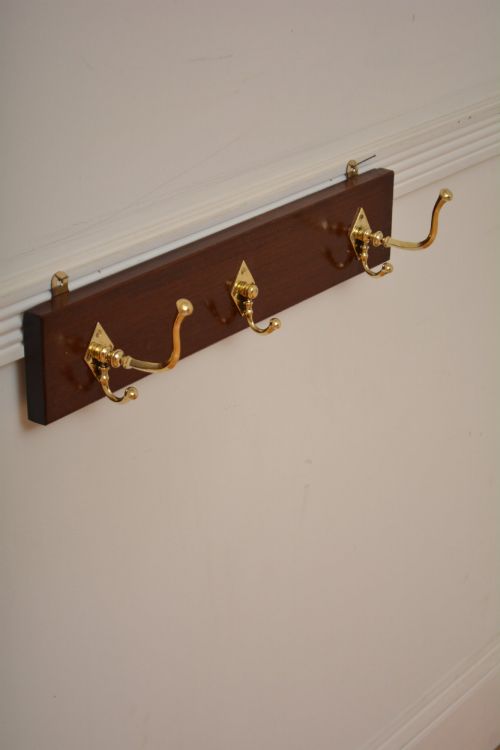
Maker construction combines timber backboards of mahogany, oak, walnut, or pine with mounted fixtures formed from cast brass, bronze, iron, and ceramic.
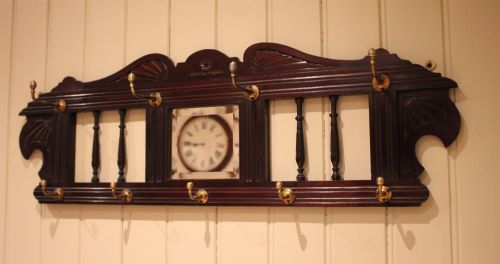
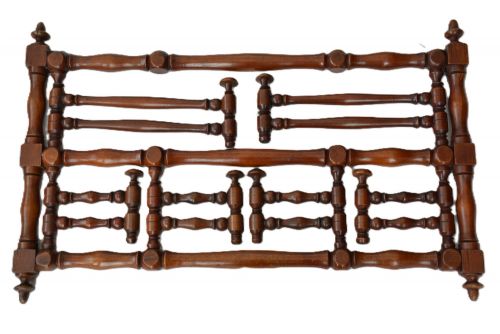
Specialist techniques visible across the selection include ebonised finishes, hand carving seen in Black Forest animal motifs, bentwood steam bending, and simulated bamboo turnings.
Individual hooks are screwed or bolted directly to solid wood rails, with ceramic inserts and brass mountings secured to withstand regular weight.
Listings feature timber varieties including mahogany, oak, walnut, pine, beech, and wood alongside brass, bronze, iron, ceramic, and glass elements.
What varies in quality
The standard of materials and casting defines the distinction between standard utilitarian items and finer decorative examples.
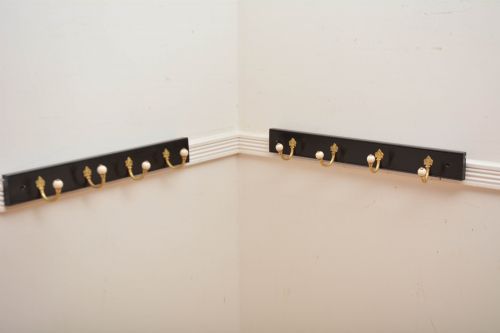
Cast brass plates and ceramic components show varying degrees of ornamentation, from simple functional designs to elaborately cast metalwork and hand-carved wooden animal forms.
The choice of timber - ranging from standard pine and beech to figured mahogany, golden oak, and ebonised wood - influences the finish and character of the overall assembly.
The Wall Mounted Coat Pegs Glossary
- Backboard
- The horizontal strip of wood that carries the individual hooks and secures the entire assembly to the wall. It is typically fashioned from mahogany, oak, walnut, or pine.
- Bentwood
- Wood that has been rendered pliable via steam heating and then curved into specific shapes. This technique defines several nineteenth-century racks on the page.
- Ebonised
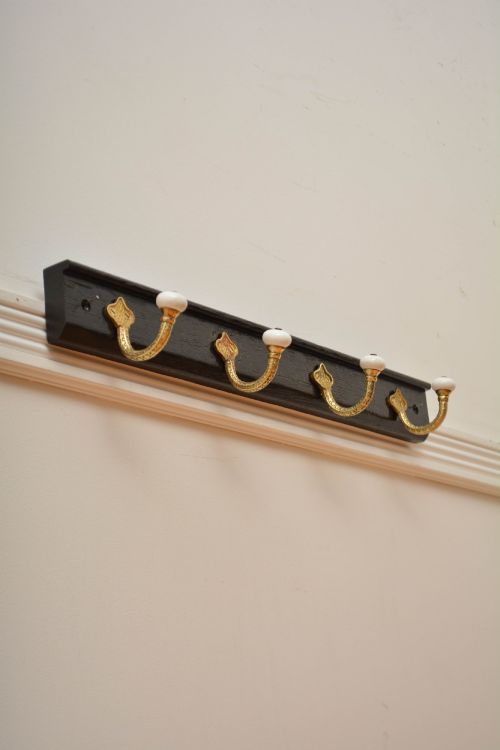
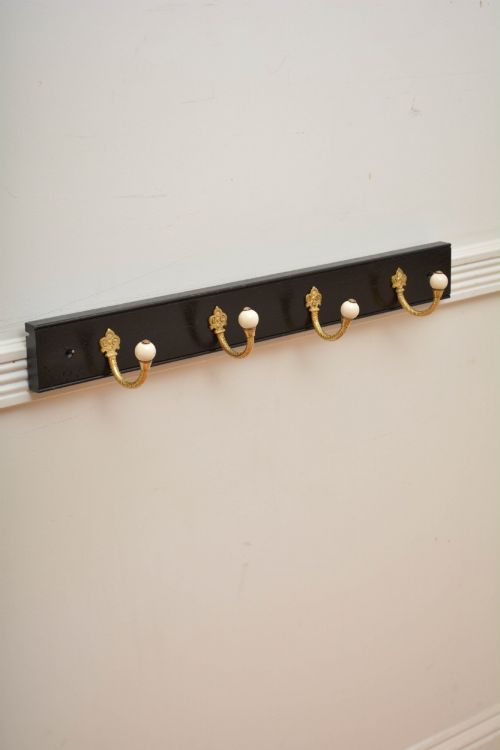
- Timber treated with a chemical stain or black finish to imitate ebony. This dark treatment appears frequently on Victorian oak and pine backboards.
- Faux bamboo
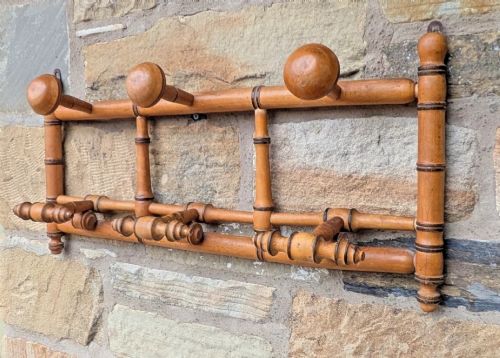
- Wood turned on a lathe to resemble natural bamboo stalks. This decorative style appears on French coat racks from the late nineteenth and early twentieth centuries.
- Stags horn
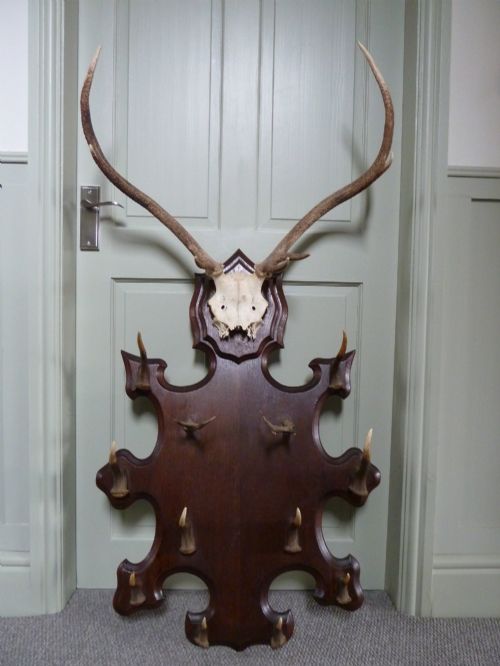
- Natural antler material utilised for hanging hooks or integrated into carved wooden backboards. It appears in country house and Black Forest decorative items.
Wall Mounted Coat Pegs: Frequently Asked Questions
How do I mount a coat rack safely?
Secure the backboard directly into wall studs or utilise appropriate masonry fixings depending on your wall type.
Distribute the weight of garments evenly across the hooks to ensure the mounted board remains stable over time.
What rooms suit these wall hooks?
Hallways, boot rooms, and reception entrances provide the traditional settings for these practical wall fixtures.
Smaller configurations also suit cloakrooms and kitchens for hanging accessories or garments.
How do I identify a Victorian coat rack?
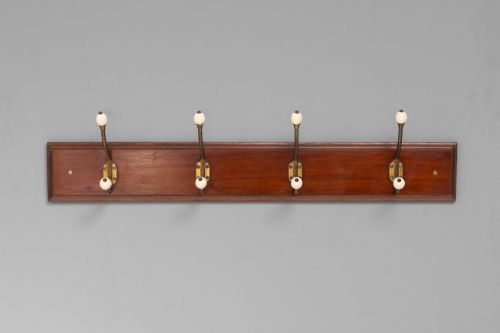
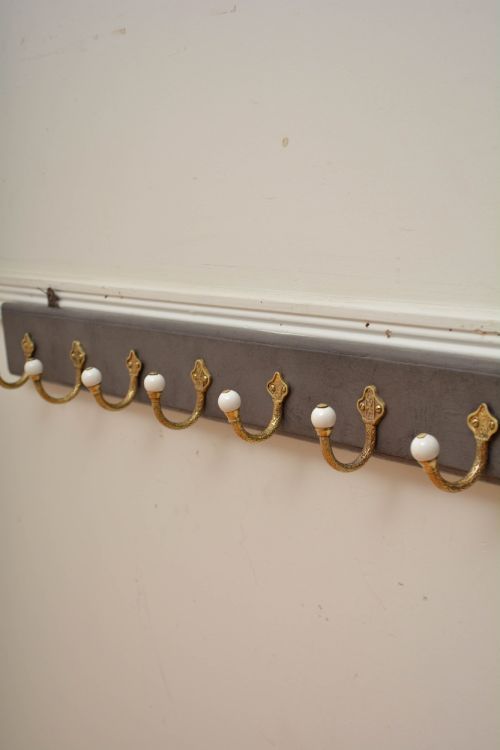
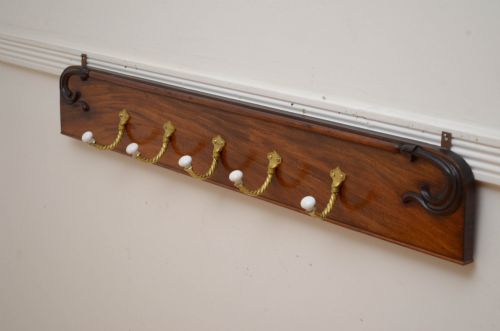
Victorian examples frequently feature solid timber backboards paired with cast brass and white ceramic insert hooks.
Dark finishes such as ebonised oak and rich mahogany are common indicators of this period.
What is a French faux bamboo rack?
These pieces feature wooden frames turned on a lathe to mimic the segmented nodes of natural bamboo.
Originating in France, they often combine lightness of form with painted or simulated finishes.