


Turned Wood Coat Rack
A turned wood coat rack brings honest utility and warmth to an entrance, offering sturdy charm for daily use.
Turned Wood Coat Rack
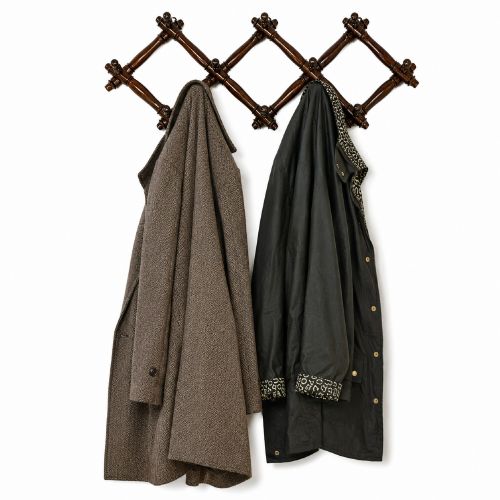
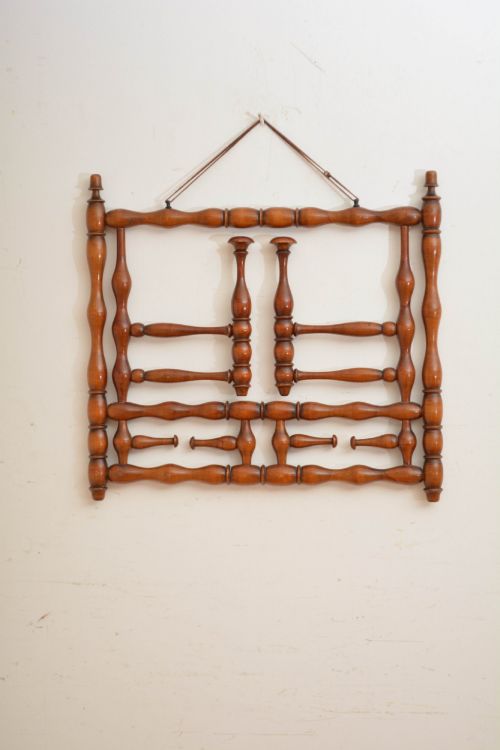
A turned wood coat rack provides practical storage for hallways and entryways, appearing in both wall-mounted and freestanding formats. Buyers searching this phrase will find a variety of configurations designed to hold hats, coats, and umbrellas.
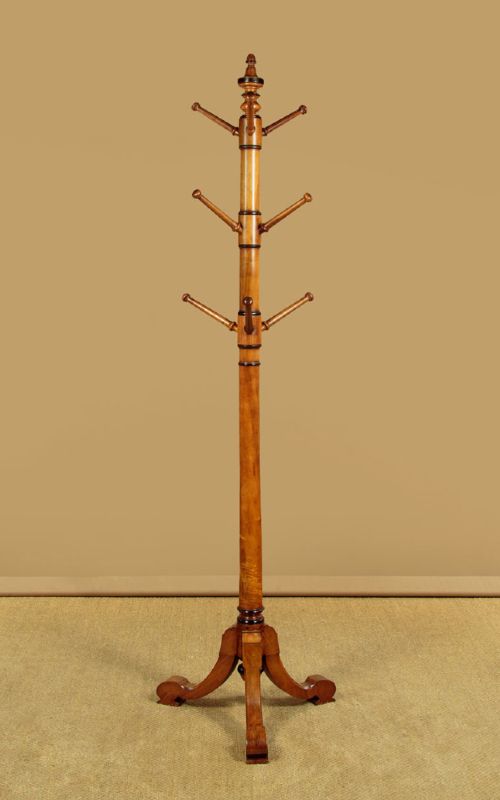
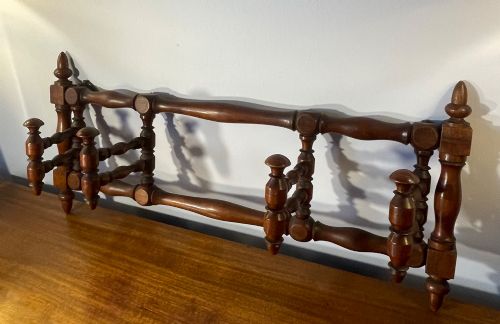
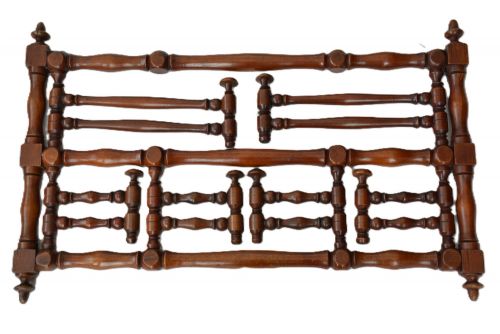
The selections range from Victorian wall racks to turn of the century bentwood stands, showing how makers adapted turned wood for domestic utility. Pieces from the nineteenth century often feature extended hooks and umbrella rings suited for busy Victorian households.
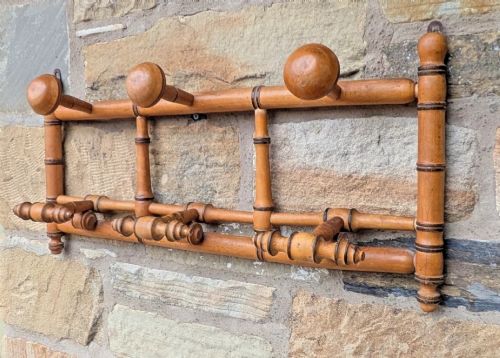
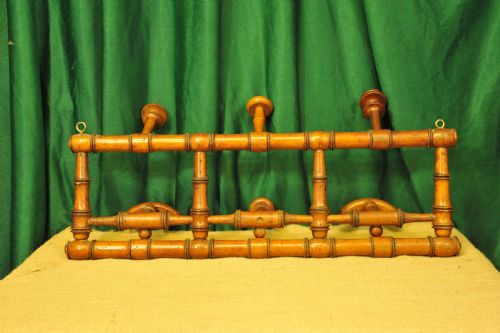
French provincial and faux bamboo styles also appear frequently among the listings, bringing continental flair to traditional turned timber. These domestic items combine structural turned elements with practical brass or metal hooks.
How they were made
Craftsmen shaped these items using traditional woodturning lathes, working solid timbers like beech, mahogany, and assorted hardwoods. This lathe-working created the characteristic spindles, balusters, and reeded columns seen across the periods.
Makers integrated brass and metal hardware directly into the timber backplates or stands to bear the weight of heavy garments. Bentwood techniques also appear, steaming timber to achieve the sweeping curves characteristic of turn of the century hall stands.
Some nineteenth century stands thoughtfully included integrated metal drip pans below the umbrella hooks to protect the hallway floorboards.
What varies in quality
The distinction between standard utility items and finer examples rests on the crispness of the woodturning and the selection of dense timber such as mahogany. Superior pieces exhibit balanced proportions, well-defined spindles, and securely fastened original hooks.
Construction methods also separate the tiers of quality, with robust joinery ensuring the rack withstands daily hanging loads over decades of domestic service.
The Turned Wood Coat Rack Glossary
- Turned wood
- Timber shaped on a lathe to create symmetrical, rounded profiles with decorative rings and spindles. This method forms the structural backbone of these racks.
- Bentwood
- Timber heated and bent into curved shapes, commonly utilised in nineteenth century stands. This technique allowed makers to create flowing, organic forms.
- Hall tree
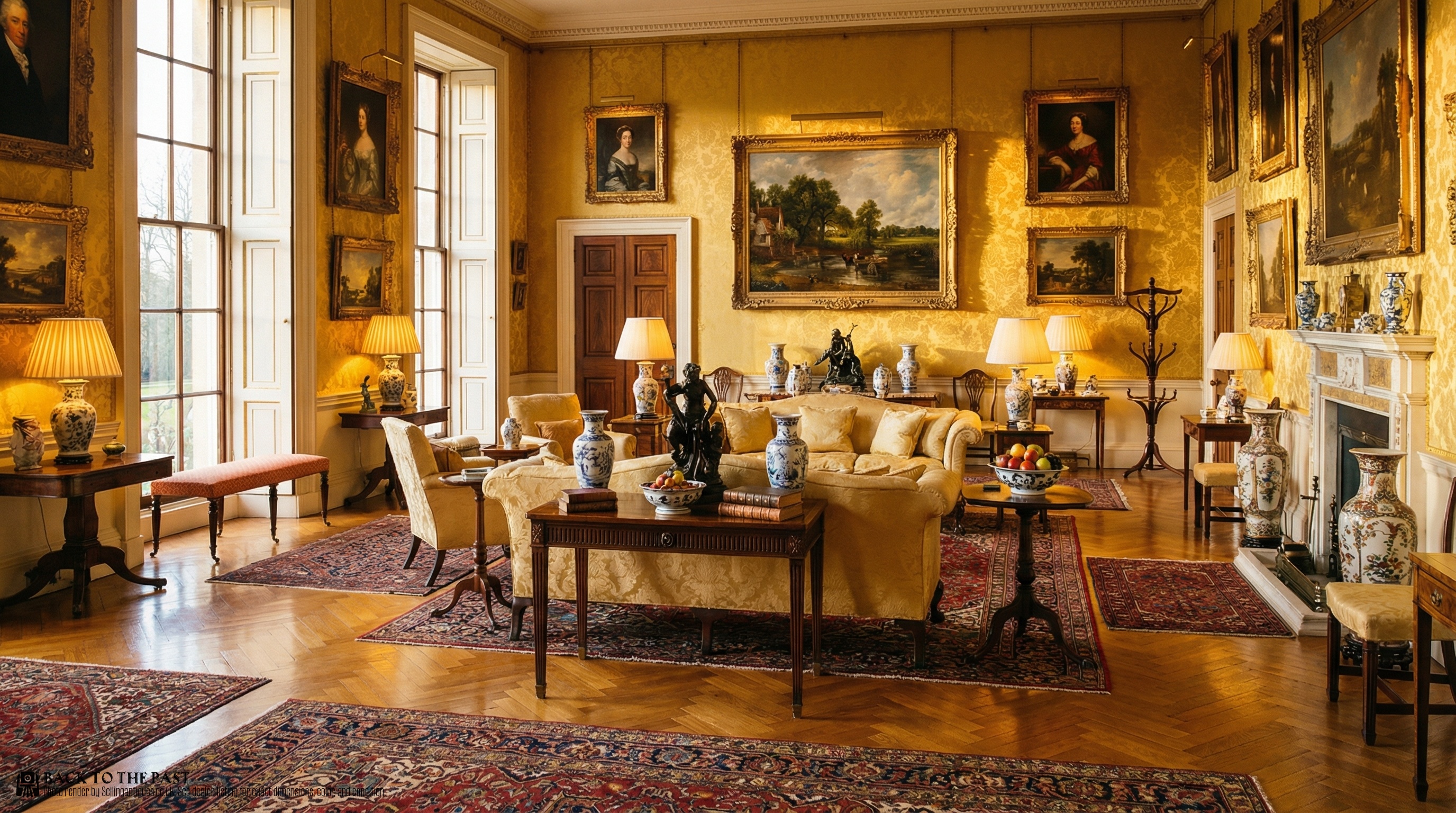
- A freestanding piece of furniture incorporating coat hooks, hat pegs, and often an umbrella stand. These items dominated Victorian and Edwardian entrance halls.
- Faux bamboo
- Simulated bamboo carving applied to wood, popular in French pieces from the late nineteenth and early twentieth centuries. Artisans carved regular nodes into the turned timber to mimic natural cane.
Turned Wood Coat Rack: Frequently Asked Questions
Where should I mount a wall rack?
Wall-mounted turned wood coat racks suit entryways, hallways, and boot rooms where floor space is limited. Ensure the backplate is screwed securely into wall studs to support the weight of heavy coats.
Position the rack at a height accessible for daily use while leaving clearance below for shoes or benches.
How do I care for turned timber?
Dust the turned spindles and wooden pegs regularly with a soft, dry cloth to prevent dirt accumulation in the carved grooves. Apply a light application of beeswax occasionally to nourish the hardwood surface.
Keep these items away from direct heat sources and excessive moisture to prevent the timber from warping or splitting.
What is the difference between a coat rack and a hall tree?
Coat racks generally mount directly to the wall as horizontal rails set with multiple hooks for hanging garments and hats. They save floor space in compact corridors.
Hall trees stand independently on the floor, combining vertical columns, coat hooks, and often dedicated compartments for umbrellas and walking sticks.
How can I date a wooden coat rack?
Dating relies on observing the prevailing styles, materials, and manufacturing techniques recorded across the periods. Victorian and nineteenth century examples often utilise solid mahogany or beech with heavy brass hardware.
Later pieces from around nineteen hundred introduce steam-bent timber and simulated bamboo detailing characteristic of French provincial design.