


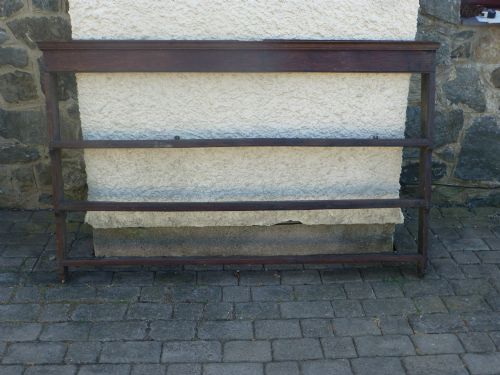
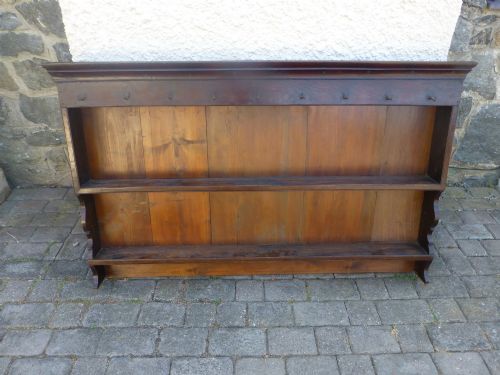
Antique Wall Rack
An antique wall rack organises everyday items with traditional craftsmanship, spanning sturdy oak plate displays and brass-fitted mahogany coat hooks from past centuries.
Antique Wall Rack
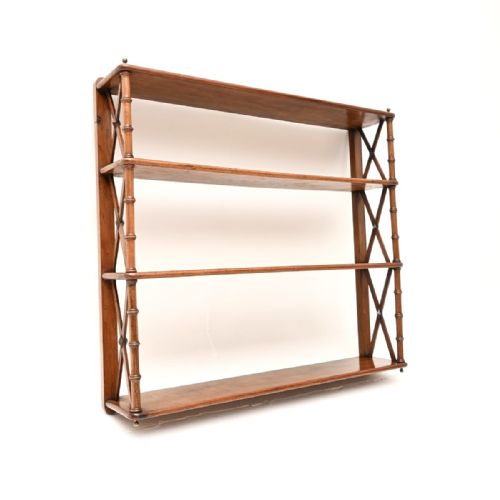
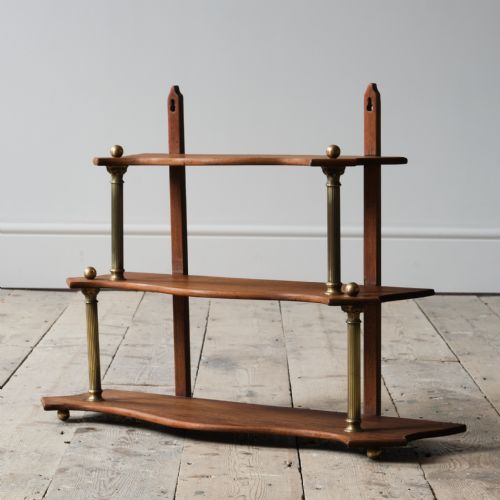
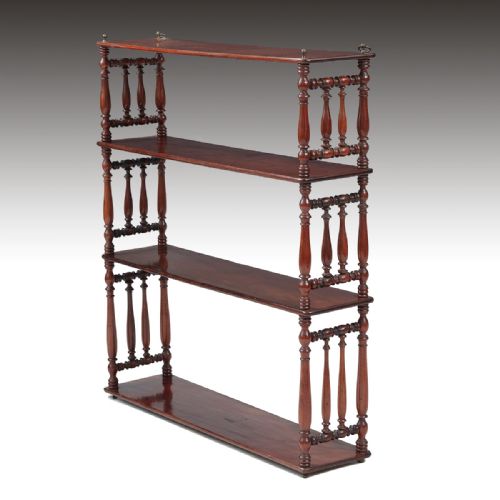
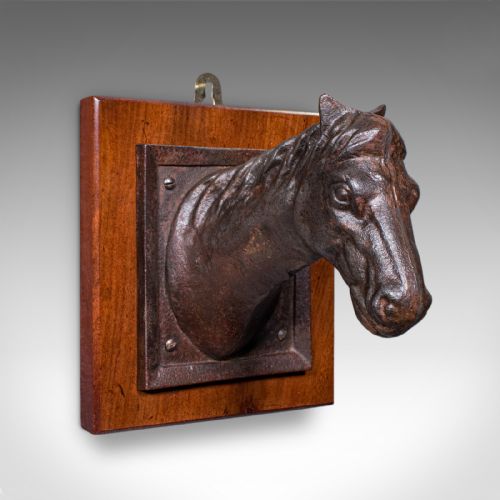
When searching for an antique wall rack, buyers encounter a diverse selection of hanging furniture designed for storage and display across domestic spaces. The pieces range from utilitarian kitchen plate racks and pipe holders to reception hall coat hooks and library shelving.
The domestic interior of the eighteenth and nineteenth centuries relied heavily on wall-mounted storage to maximise floor space in hallways, kitchens and living quarters. Oak, mahogany and pine serve as the primary timbers supporting these functional domestic artefacts.
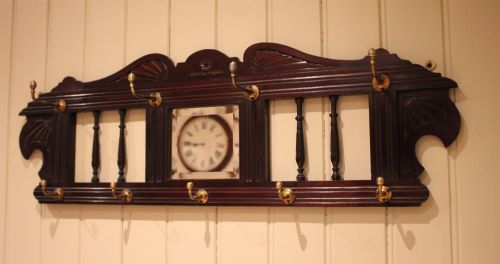
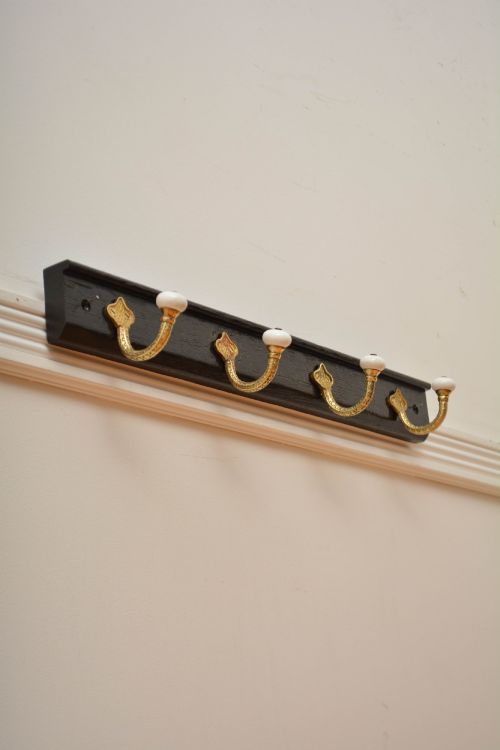
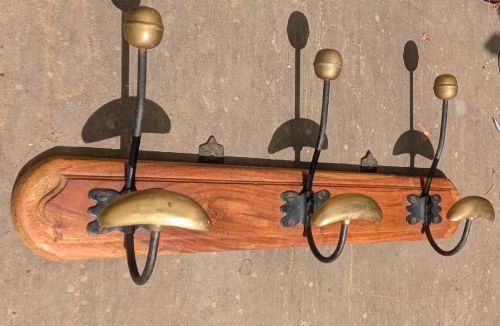
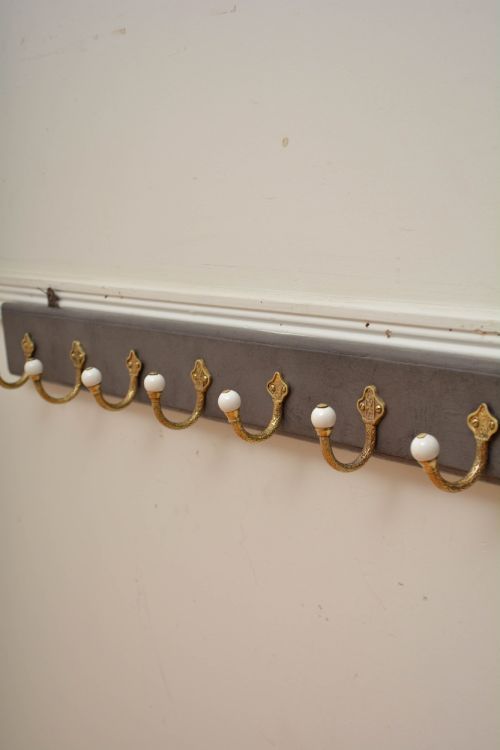
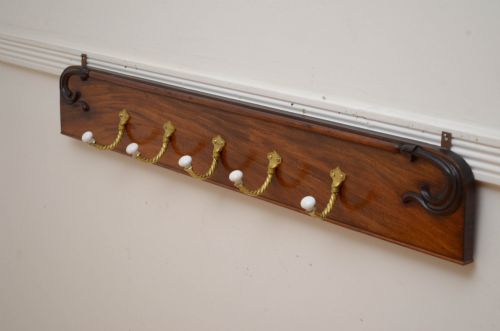
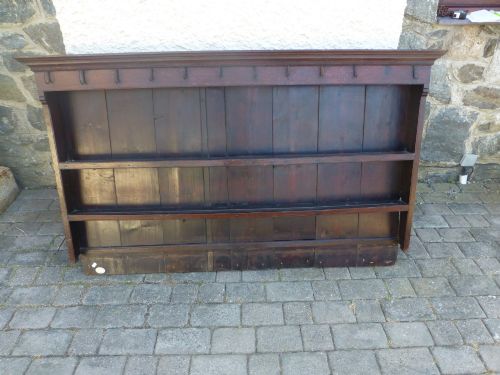
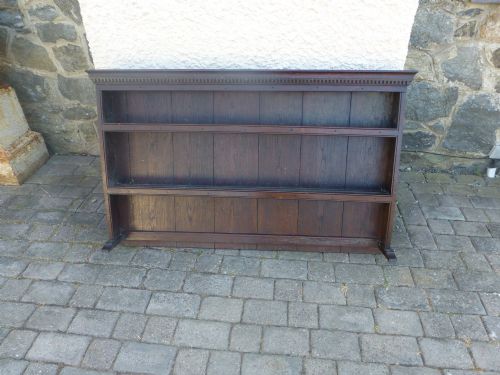
Plate racks typically feature grooved plate rails alongside open shelves, while cloakroom variants utilise cast iron, brass or ceramic hooks mounted to wooden backboards. Regional vernacular styles appear alongside formal Georgian, Regency and Victorian designs.
Materials and Construction
Cabinetmakers constructed hanging shelves and bookcases using solid hardwoods like mahogany, walnut and oak, alongside utilitarian softwoods such as painted pine. Joinery methods relied on dovetailed corners, pegged joints and mortise-and-tenon construction to support heavy domestic loads.
Metal components incorporate cast brass, hand-beaten wrought iron and cast iron, often fixed to timber backboards with slotted screws. Ceramic inserts frequently ornament coat hooks, while glass, giltwood and paper mache appear on decorative display brackets.
Listings feature eighteenth-century oak delft racks, nineteenth-century mahogany bookcases and Victorian cast brass coat hooks.
Distinctions in Quality
The upper tier of pieces displays superior timber selection, with closely grained mahogany, figured oak or decorative carving executed by skilled hands. Original surface patination, intact brass fittings and uncompromised structural joinery separate standard utility items from exceptional examples.
Lesser pieces often show replacement hardware, later softwood repairs or stripped surfaces that obscure the original finish. The integration of robust mounting points and balanced proportions distinguishes workshop-made items from simpler regional production.
The Antique Wall Rack Glossary
- Backboard
- The flat timber panel that supports mounted hooks or shelves against a wall. It distributes the weight of hanging garments or kitchenware evenly across wall fixings.
- Delft rack
- A specialised wooden wall shelf featuring narrow tiers and plate grooves designed to display ceramic plates and platters. These originated in country kitchens for everyday storage.
- Trefid
- A style of seventeenth or eighteenth-century spoon featuring a notched, three-lobed terminal handle. Spoon racks often display these alongside early pewterware.
- Ebonised
- Timber treated with a chemical stain or dark finish to imitate ebony wood. This technique found frequent favour during the Victorian and Aesthetic periods.
- Faux bamboo
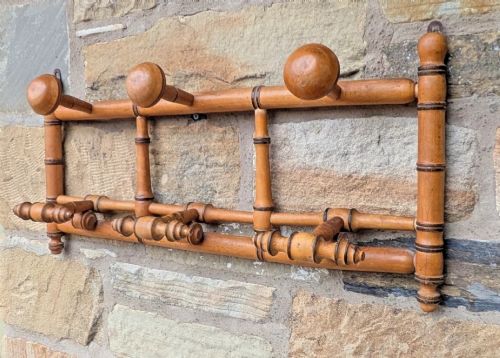
- A decorative technique where wood is carved or turned to simulate natural bamboo stalks. This style appeared frequently in nineteenth-century hall stands and coat hangers.
Antique Wall Rack: Frequently Asked Questions
How do I hang a heavy oak plate rack safely?
Heavy wooden racks require secure fixing directly into wall studs or masonry using appropriate wall anchors. The mounting weight of plates or books demands robust brackets screwed into the structural backboard.
Distributing the load evenly across multiple fixing points prevents strain on historical joints and timber panels.
What is the difference between a coat rack and a hallstand?
Coat racks consist of horizontal wooden boards mounted directly to the wall with fixed brass, iron or ceramic hooks. Hallstands typically combine wall-mounted coat hooks with umbrella stands, mirrors or small ledges.
Wall racks maximise floor space in compact hallways, whereas hallstands operate as freestanding or wall-anchored furniture units.
Can I use an antique plate rack for modern kitchenware?
Antique plate racks accommodate standard modern dinner plates, provided the depth of the display groove matches the rim thickness. Heavy stoneware requires careful checking of the vertical wooden slats and wall fixings.
Pine and oak kitchen racks were built for heavy ceramic tableware, making them durable for daily use.
How do I identify a Victorian coat rack?
Victorian examples frequently pair ebonised or solid oak backboards with heavy cast brass and ceramic double hooks. Stylistic markers include Gothic Revival ironwork, Aesthetic Movement brass mounts and stags horn constructions.
Construction methods typically display nineteenth-century machine-sawn timber elements alongside hand-turned peg mounts.