



Victorian Wall Shelf
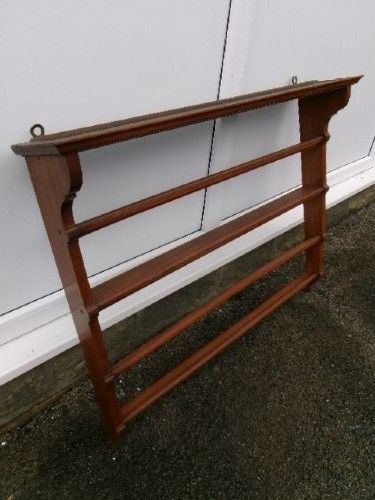
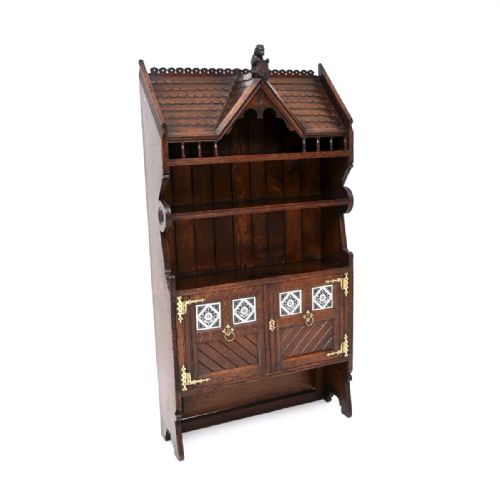
A victorian wall shelf brings timber and display space together on the room's perimeter, offering a practical stage for small treasures.
Victorian Wall Shelf
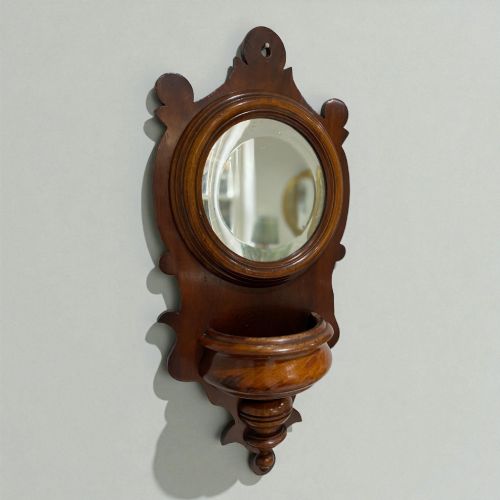
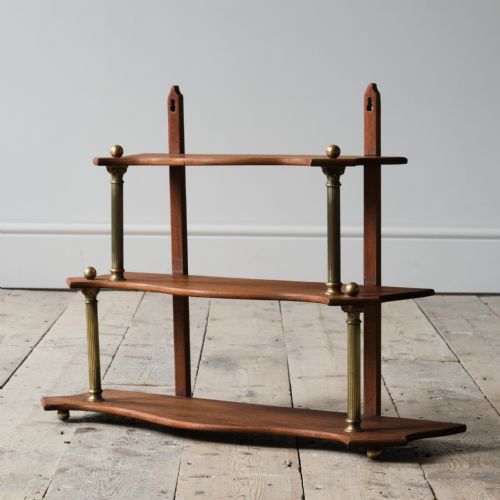
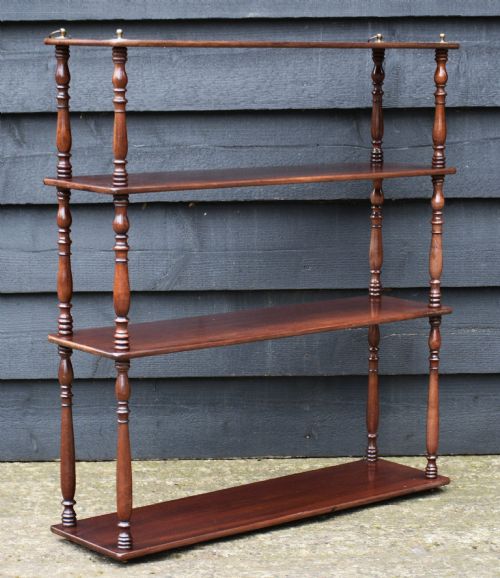
A victorian wall shelf provides vertical storage and display surface without occupying floor space. These pieces range from simple multi-tiered hanging timber boards to elaborate corner brackets and architectural overmantel integrations.
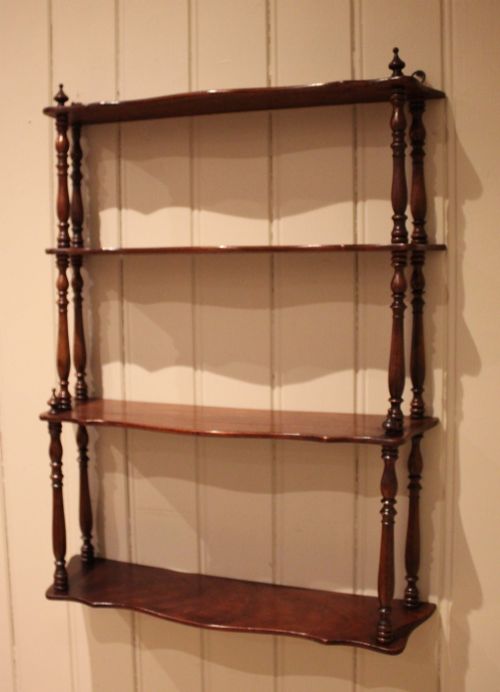
Mahogany and walnut appear frequently in these listings, often formed into three or four tiers designed to hold books, plates or decorative objects. Smaller hanging brackets and corner units offer compact display options for domestic interiors.
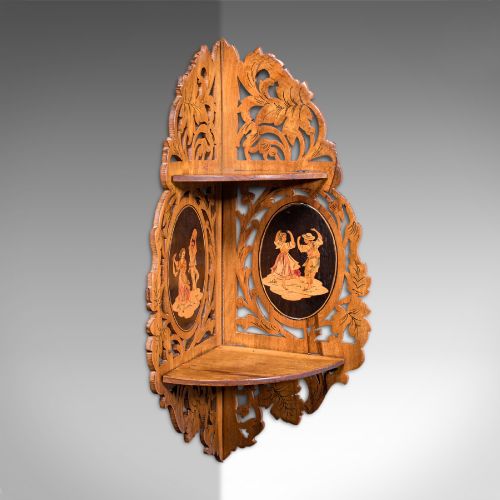
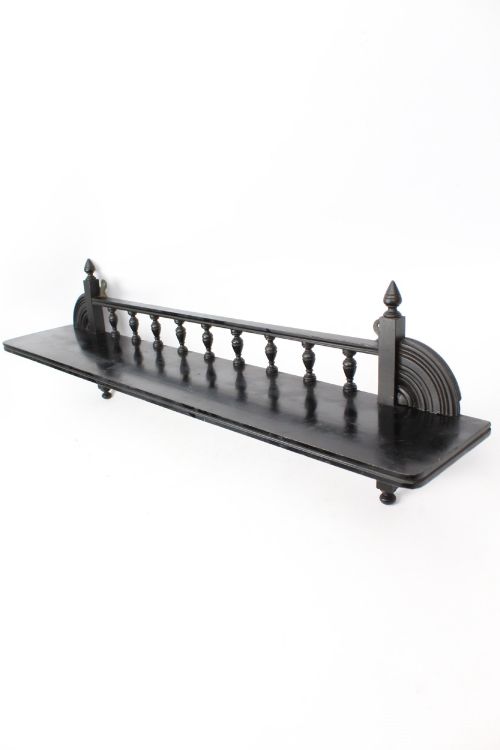
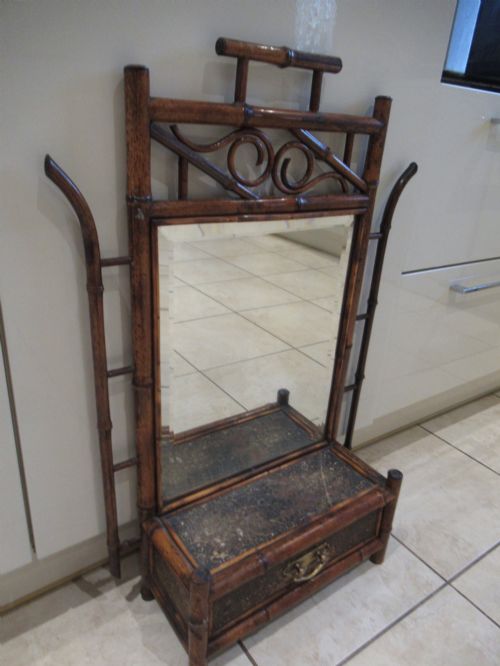
The selection includes specific regional and stylistic variants such as Aesthetic Movement ebonised pieces, Gothic revival designs, and inlaid corner units. These functional items translate nineteenth-century interior taste into manageable wall-mounted fixtures.
How they were made
Cabinetmakers utilised dense timbers like mahogany, walnut and oak, shaping them with hand saws, planes and chisels. Joints were typically pegged or dovetailed to ensure the hanging structures could support the weight of books and ceramics.
Surface finishing involved French polishing for hardwoods, alongside gesso and gilt detailing on decorative brackets and mirror frames. Applied carvings, turned spindles and inlaid wood veneers frequently embellished the structural framework.
Victorian Wall Shelf Retail Price Guide 2026
Typical asking prices for victorian wall shelf among the pieces listed under this phrase on Sellingantiques today, from the lower quarter to the upper quarter. They describe what is for sale here now, not the wider market.
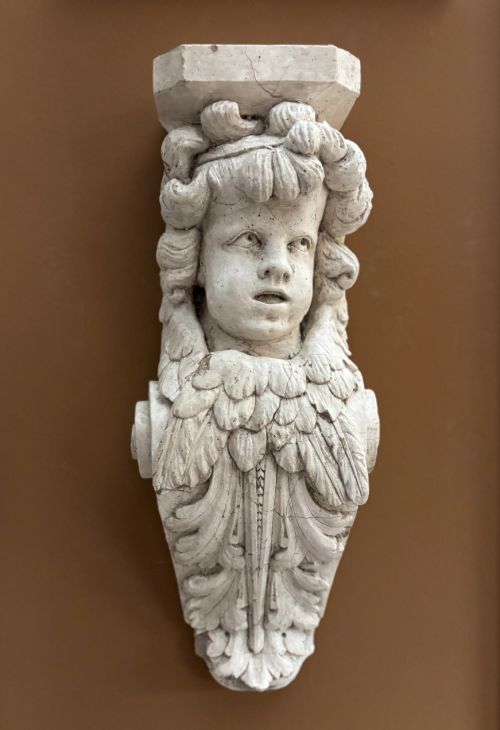
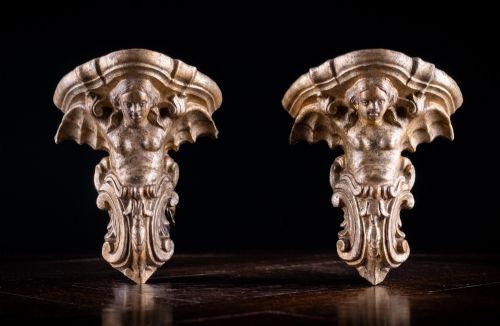
Gilt terracotta winged sirens keep a permanent, watchful eye over the parlour from their high wall brackets.
What varies in quality
Construction methods dictate structural integrity, distinguishing utilitarian workshop pieces from finely joined parlour furniture. Superior examples exhibit precise dovetailing, well-balanced tier proportions and carefully selected timber grain.
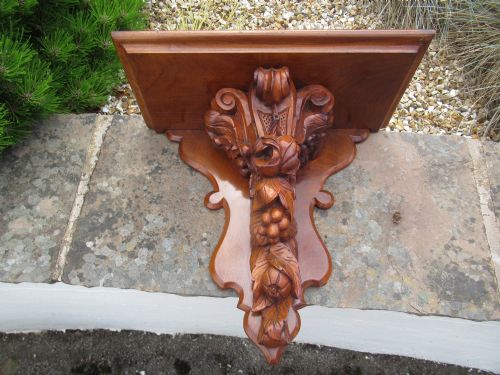
Ornamental execution separates standard items from exceptional pieces. Hand-carved foliage, crisp parcel-gilt highlights and intricate marquetry inlay reflect a higher standard of craftsmanship than mass-produced stamped mouldings.
JAS Shoolbred·George Edmund Street·John Moyr Smith·Cottier & Co·Liberty & Co
The Victorian Wall Shelf Glossary
- Whatnot
- A multi-tiered piece of furniture designed for displaying ornaments or books. These freestanding or wall-hanging units became popular in nineteenth-century drawing rooms.
- Corbel
- A structural or decorative bracket projecting from a wall to support a weight above. In Victorian wall fixtures, these often take carved wooden or terracotta forms.
- Overmantel
- A large mirror or decorative panel positioned directly above a fireplace mantelpiece. Many incorporate integrated shelves and display brackets.
- Gesso
- A plaster-like mixture applied to wood surfaces as a base for painting or gilding. It allowed makers to mould intricate low-relief decorative motifs.
- Aesthetic Movement
- A late nineteenth-century design style emphasising art for art's sake. Pieces from this period often feature ebonised finishes and gilt highlights.
Victorian Wall Shelf: Frequently Asked Questions
What rooms suit a Victorian wall shelf?
Smaller multi-tiered shelves and corner units suit hallways, bedrooms and compact drawing rooms. They provide practical display space without crowding the floor area.
Larger overmantel styles and extensive bookcase racks function best in principal reception rooms. Their proportions balance existing furniture and architectural chimney breasts.
How do I distinguish walnut from mahogany?
Walnut displays a rich chocolate brown tone with darker grain figure patterns and occasional golden undertones. The wood typically shows a softer appearance than dense tropical hardwoods.
Mahogany exhibits a reddish-brown colour that deepens with age, featuring a straight, uniform grain structure. French polish enhances the natural chatoyancy of both timbers.
Were these shelves originally used for books?
Many multi-tier variations and hanging bookcases served as storage for pocket volumes and reference books. Their sturdy timber construction easily supported heavy paper collections.
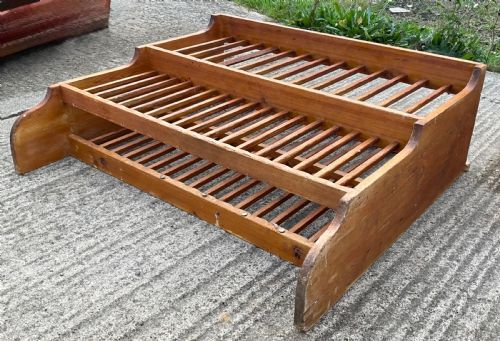
Other designs focused entirely on decorative display, holding ceramics, glass and ornaments. Plate racks specifically accommodated kitchen or dining china along vertical grooves.