

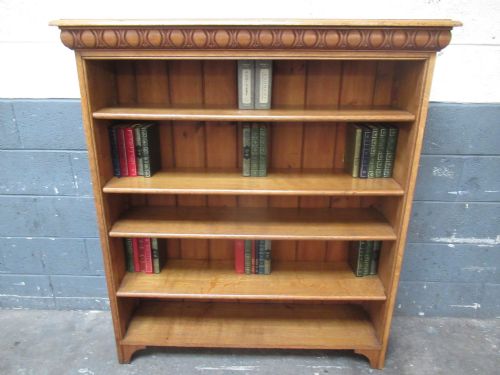
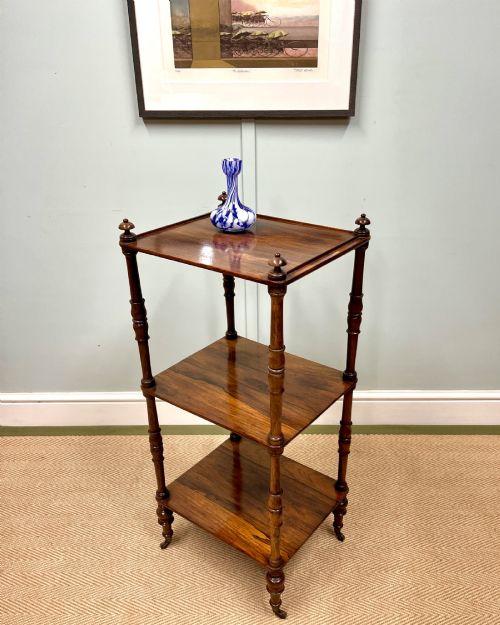
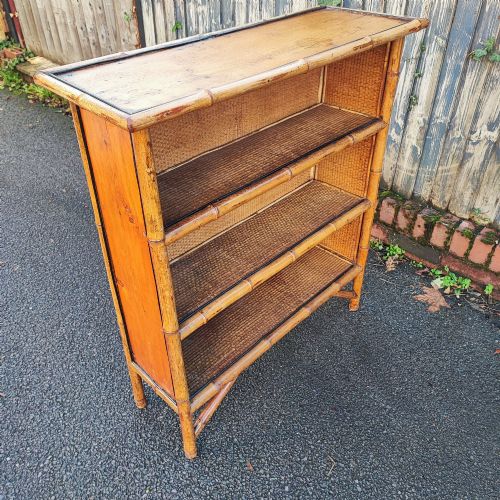
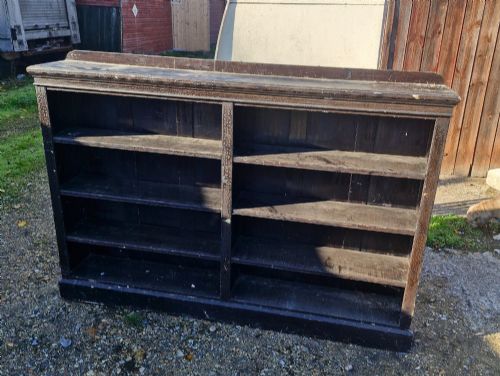

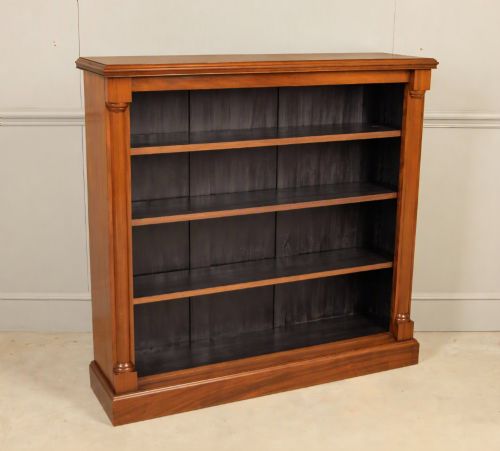
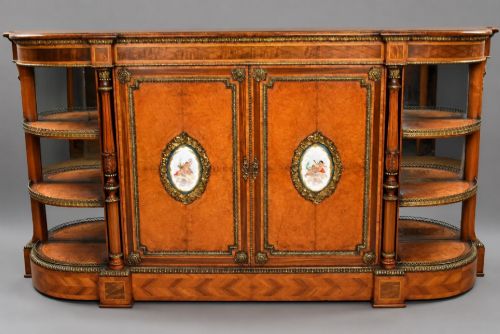
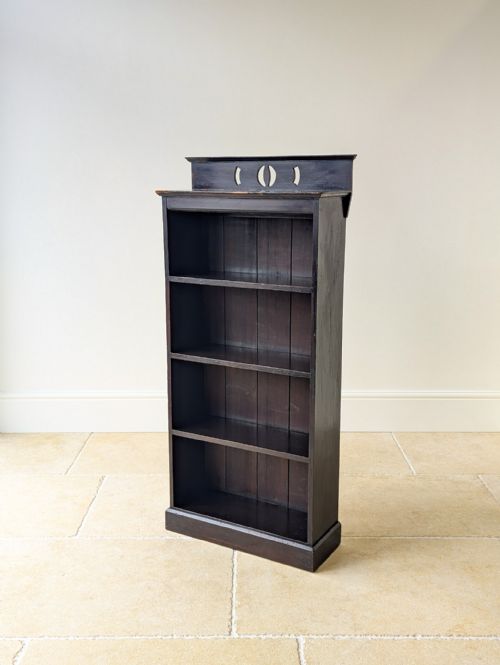
Victorian Display Shelf
These Victorian display shelf pieces are practical tiered stands and wall-mounted units that showcase collections with period charm.
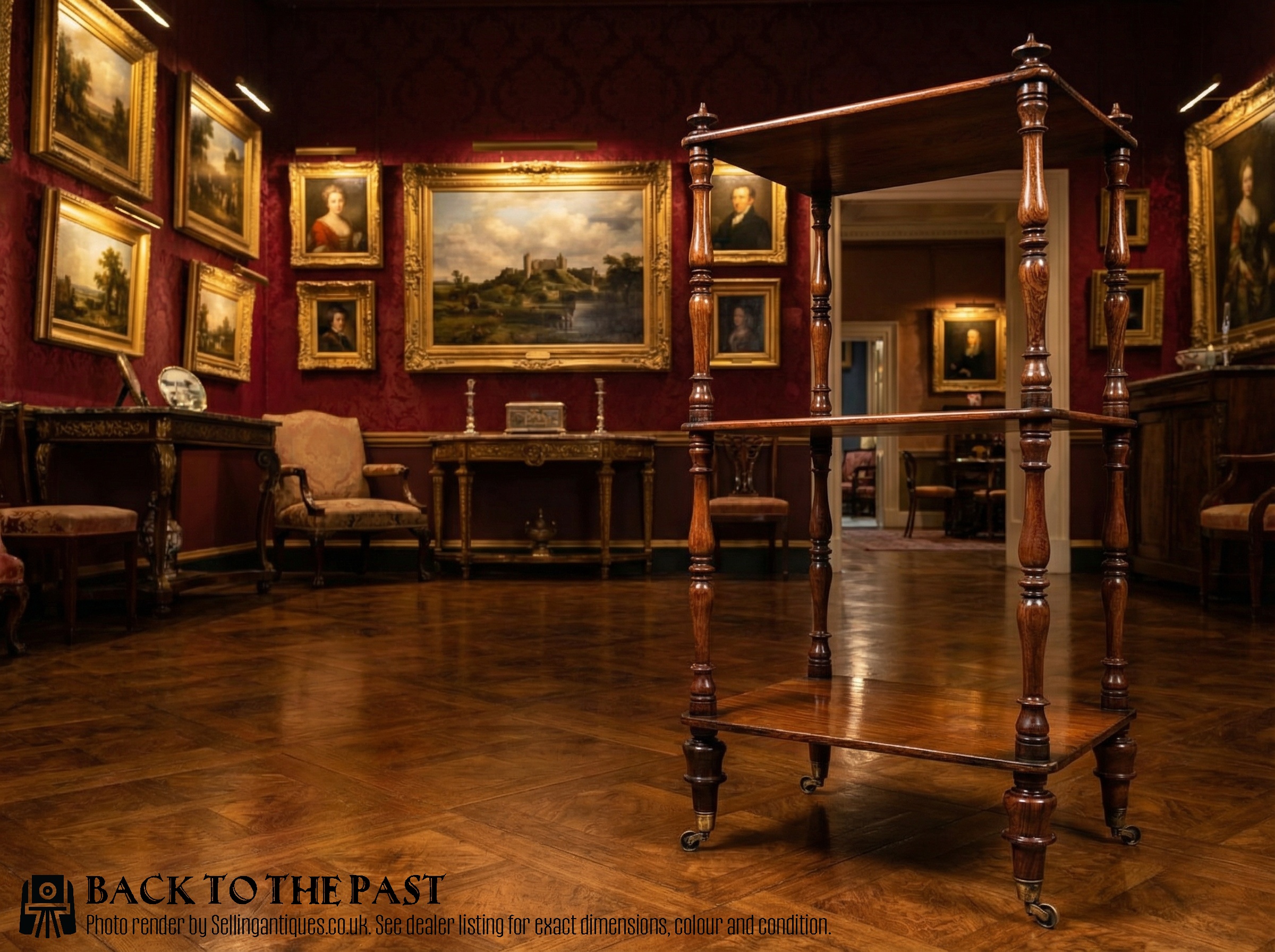
Victorian Display Shelf
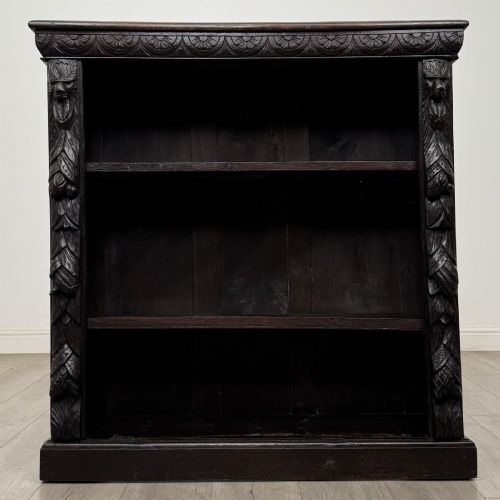
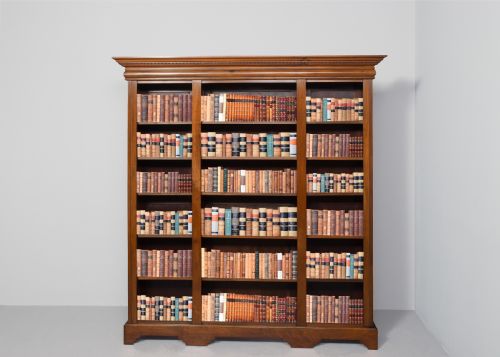
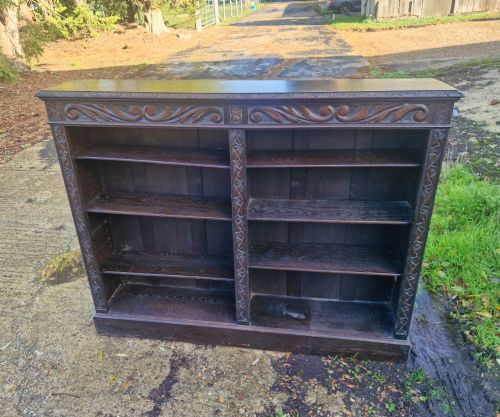
A Victorian display shelf encompasses a variety of tiered whatnots, wall-hanging cabinets, and open shelving units designed for domestic storage and exhibition. When searching for a Victorian display shelf, buyers frequently encounter multiple-tier stands and wall brackets constructed for holding decorative items.
The evidence records numerous whatnots and shelving units spanning the Victorian era, including corner stands, bookcase hybrids, and dumb waiters. These pieces vary from compact wall-mounted racks to large multi-tiered freestanding furniture designed to organise household ornaments.
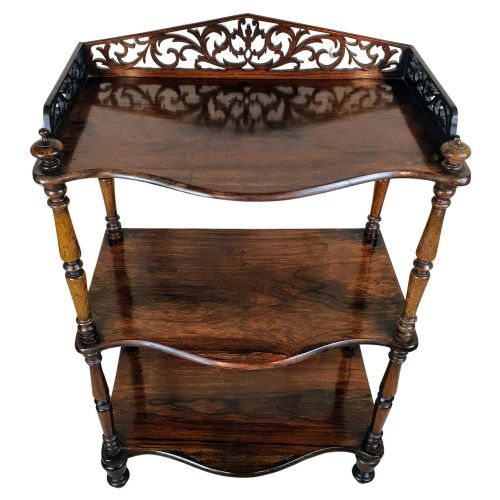
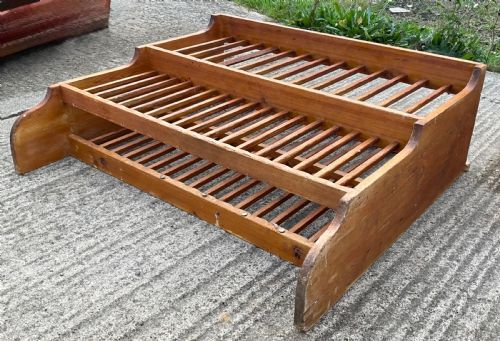
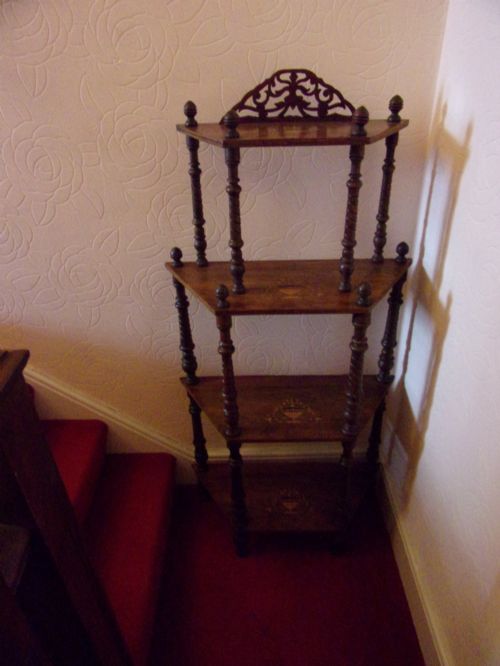
Makers of these items utilised diverse forms, ranging from simple hanging pine shelves to elaborate walnut and rosewood tier stands featuring barley twist supports. Each configuration serves a specific display purpose within the nineteenth-century domestic interior.
How they were made
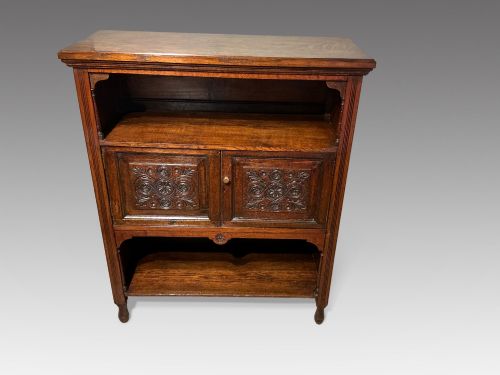
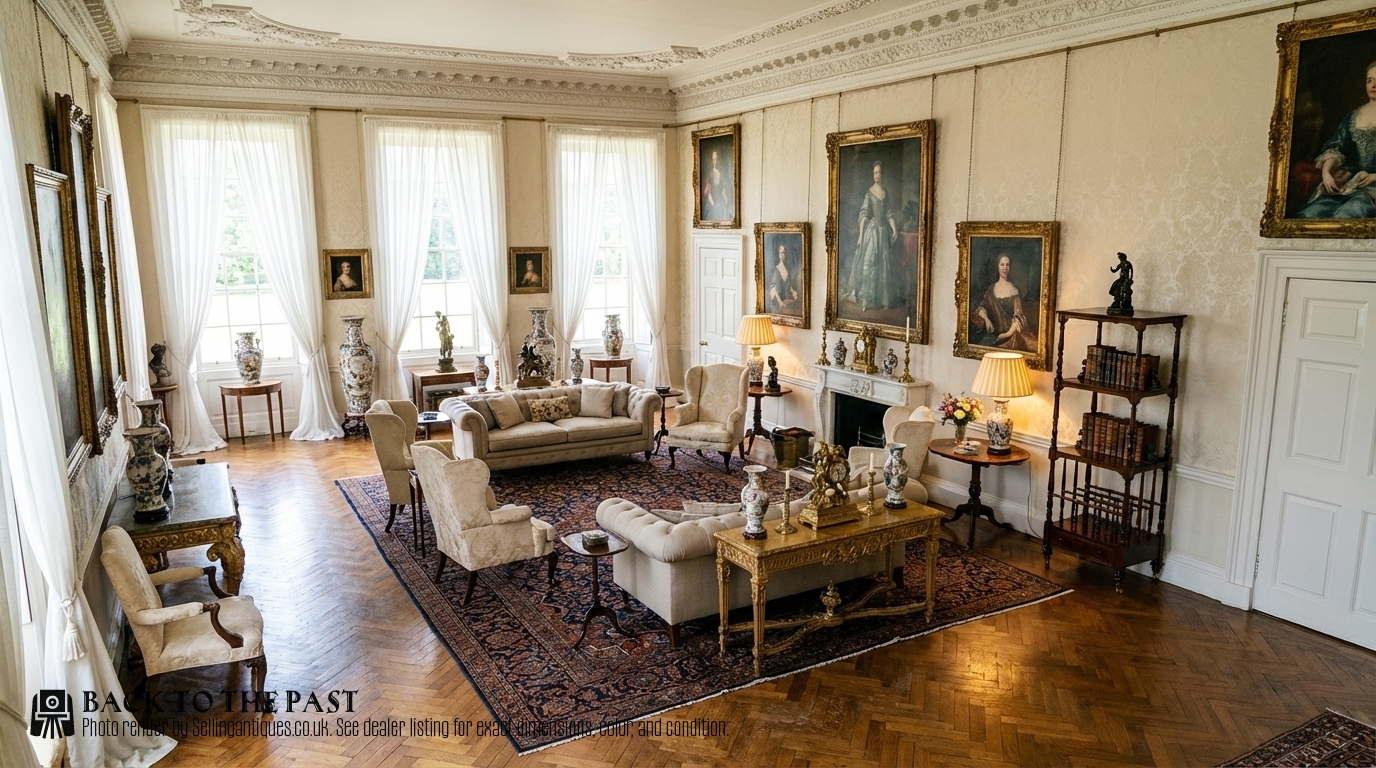
Craftsmen built these shelves using hardwoods such as mahogany, rosewood, walnut, elm, and pitch pine, often pairing them with glass doors and mirrored backs. Structural supports frequently incorporated turned columns or hollow barley twist uprights.
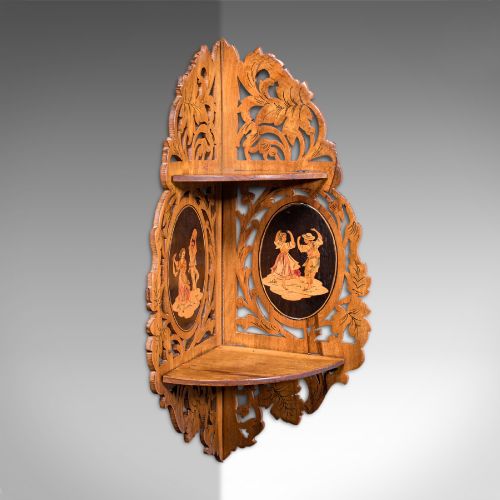
Surface decoration involved carving, painting, inlaid details, and gilded highlights, alongside functional additions like drawers, brass fittings, and adjustable shelving. Construction combined traditional joinery techniques suitable for both freestanding furniture and wall-mounted units.
Victorian Display Shelf Retail Price Guide 2026
Typical asking prices for victorian display shelf among the pieces listed under this phrase on Sellingantiques today, from the lower quarter to the upper quarter. They describe what is for sale here now, not the wider market.
One exceptional pine shelf hides a charming butterfly detail alongside its trio of drawers.
What varies in quality
Quality in these pieces rests on the choice of timber, such as figured walnut or rich rosewood, contrasted with simpler deal or pine construction. Superior examples display refined carving, intricate inlay work, and robust structural integrity across multiple tiers.
The sophistication of turning on supports, such as barley twist columns, and the presence of integrated drawers or glazed doors separate standard utility pieces from finer decorative furniture. Original materials and finishes dictate the distinction between basic storage and superior craftsmanship.
The Victorian Display Shelf Glossary
- Whatnot
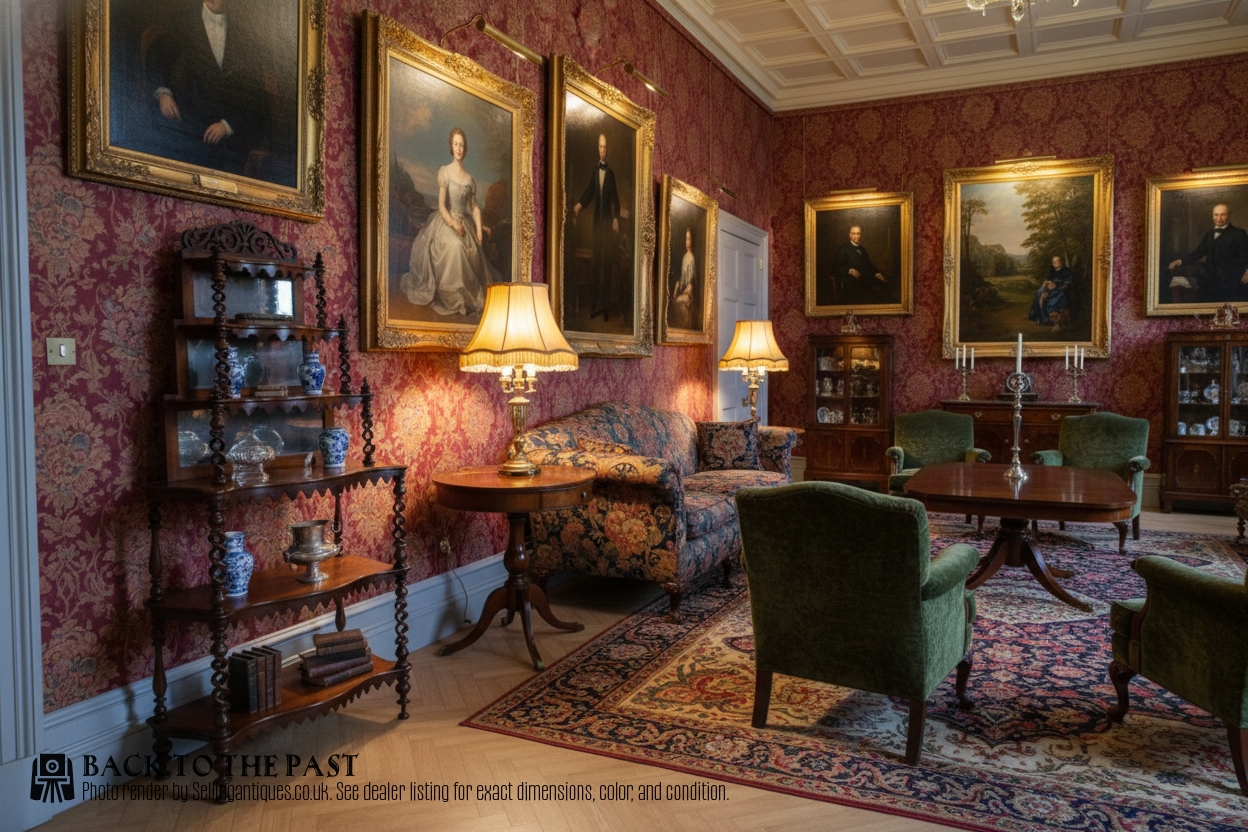
- A multi-tiered piece of freestanding furniture designed for displaying ornaments, books, or china. These units typically feature three or more open shelves supported by slender columns.
- Barley Twist
- A type of turned wooden column resembling a spiralling rope. This decorative feature appears frequently on the upright supports of Victorian shelf units.
- Dumb Waiter
- A tiered shelving piece or stand used originally for serving food or holding tableware. Examples from the period function similarly to standard whatnots.
- Over Mantle
- A shelf or mirror arrangement designed to sit directly above a fireplace mantelpiece. These units provide display space for small decorative objects.
- Deal
- A softwood timber, usually pine or fir, commonly utilised for secondary framing or simpler utilitarian Victorian shelving units.
Victorian Display Shelf: Frequently Asked Questions
What is a Victorian display shelf?
A Victorian display shelf is an open or enclosed tiered storage unit, whatnot, or wall bracket dating from the nineteenth century.
These pieces were built from woods like mahogany, rosewood, and pine to showcase ornaments and books in homes.
How do I identify a whatnot?
A whatnot is recognised by its distinct multi-tiered open shelving structure designed specifically for displaying small decorative objects.
They appear as both freestanding corner or floor units and smaller hanging shelves supported by turned wooden pillars.
Where should I place a hanging shelf?
Hanging shelves suit walls in living areas, hallways, or kitchens where floor space is limited.
They securely mount to display plates, books, or small collections at eye level.
What woods were used for these shelves?
Cabinetmakers utilised a range of timbers including rich mahogany, figured walnut, rosewood, and practical pine or elm.
Hardwoods often featured dark polish or intricate grain patterns, whilst utility pieces utilised softer woods.
Did these shelves have drawers?
Many larger whatnots and wall cabinets incorporated one or more small drawers beneath the open shelving.
These compartments provided concealed storage for documents, cutlery, or small household items alongside the display tiers.