


Victorian Open Shelf
A victorian open shelf provides accessible display and storage, bringing timber warmth and varied tier heights to a room.
Victorian Open Shelf
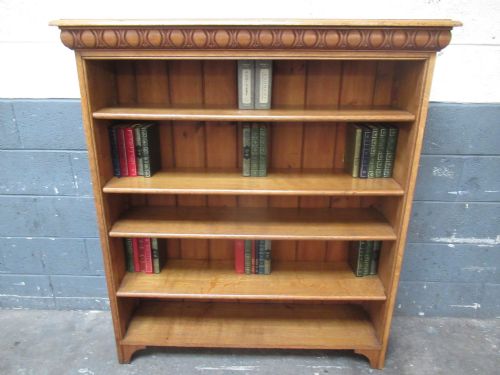
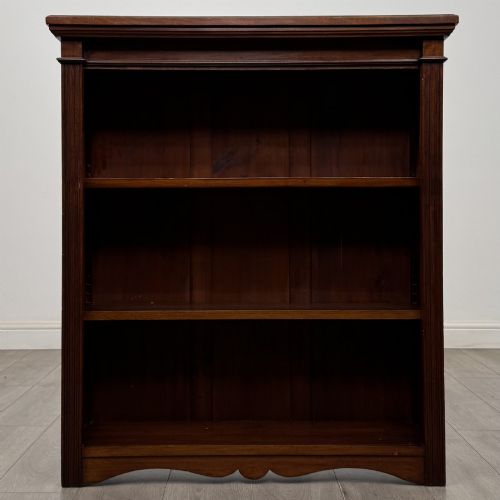
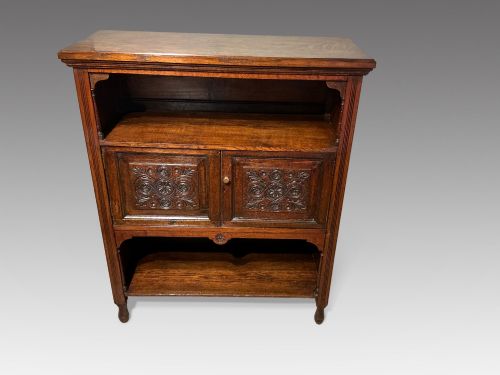
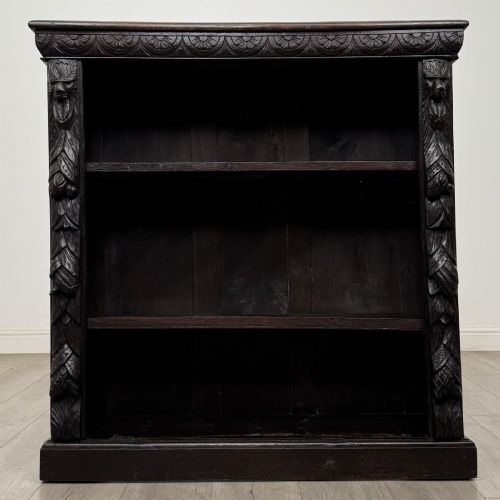
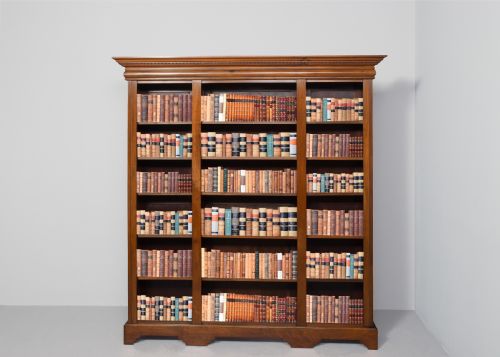
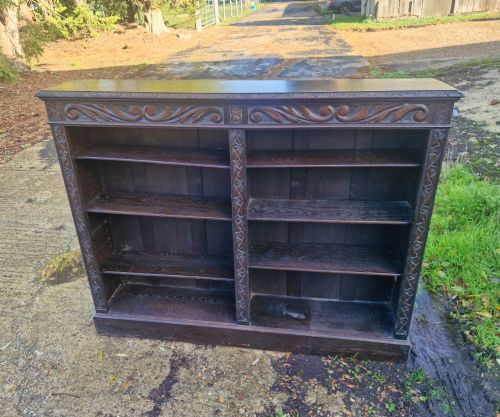
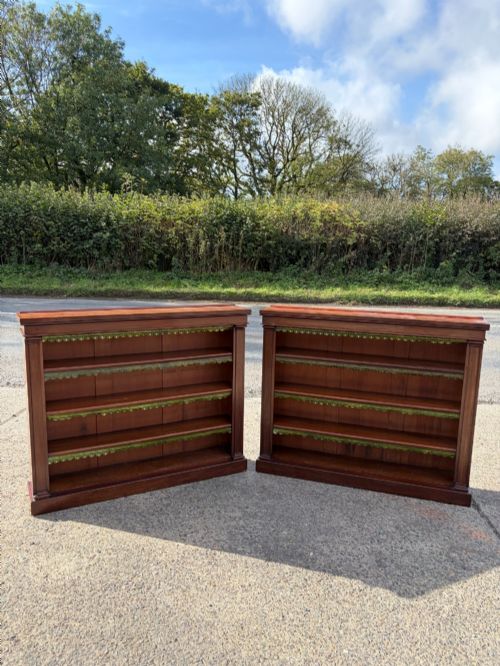
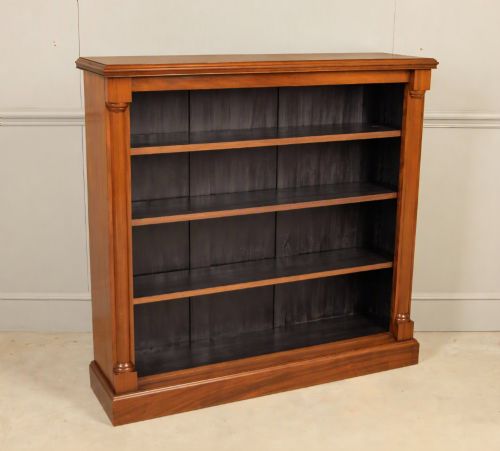
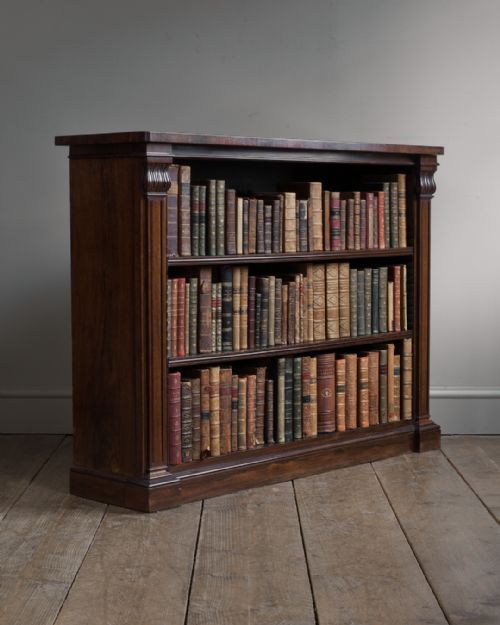
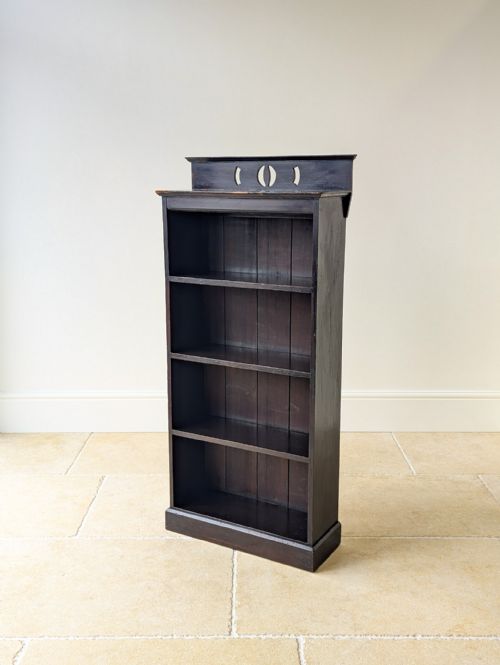
When you search for a victorian open shelf, you encounter standing bookcases, wall-mounted tiers, corner cabinets, and multi-shelf whatnots intended for books, ceramics, and ornaments. The most common forms on this page are upright mahogany and oak bookcases, often fitted with adjustable shelves for practical utility.
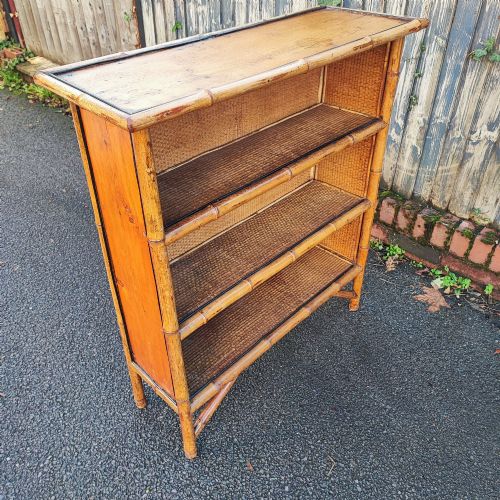
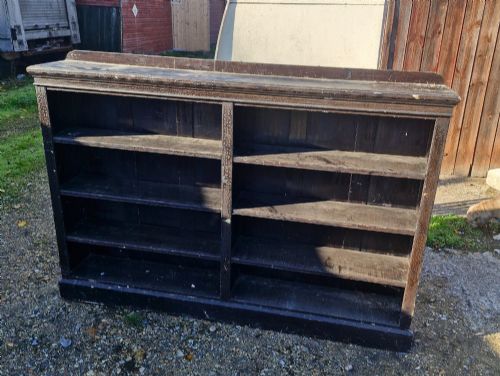
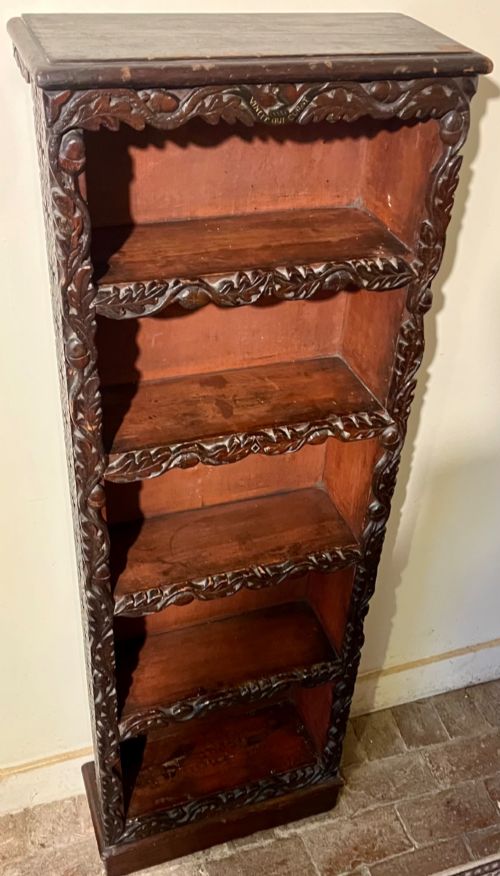
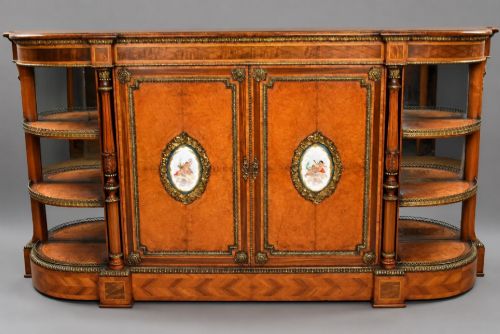
Beyond standard bookcases, the evidence includes low dwarf cabinets, tiered etageres, and narrow pine wall shelves dating across the nineteenth century into the early twentieth century. These pieces originate from diverse workshops, ranging from rustic country pine items to formal inlaid walnut and rosewood library furniture.
How they were made
Cabinet makers utilised dense hardwoods such as mahogany, walnut, burr walnut, oak, and rosewood, alongside softer timbers like pine for utility pieces. Timber selection dictated the character of the piece, with figured grains and burrs reserved for formal drawing-room cabinets while straight-grained oak and pine served libraries and domestic quarters.
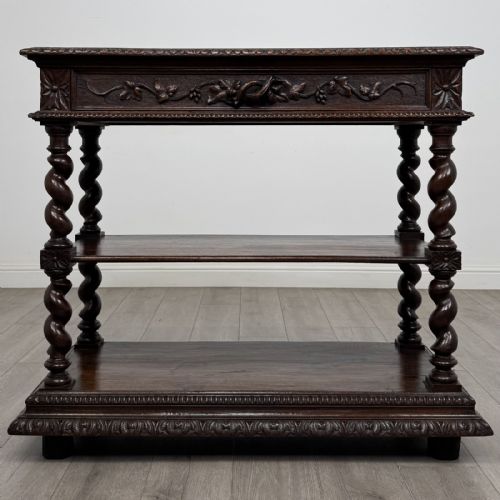
Construction relied on traditional joinery to support heavy shelf loads, frequently incorporating adjustable shelf mechanisms using brass studs or wooden rack-and-pinion tracks. Decorative details included hand-carved elements, barley twist uprights, ormolu mounts, and brass castors on larger freestanding library bookcases.
Victorian Open Shelf Retail Price Guide 2026
Typical asking prices for victorian open shelf among the pieces listed under this phrase on Sellingantiques today, from the lower quarter to the upper quarter. They describe what is for sale here now, not the wider market.
Formats recorded include standing bookcases, hanging wall shelves, corner units, music cabinets, and tiered whatnots.
What varies in quality
The distinction between standard utility shelving and top-tier pieces lies in timber selection, decorative ambition, and structural cleverness. Pieces featuring highly figured burr walnut veneers, serpentine shapes, intricate carving, or ormolu mounts sit at the higher end of the range.
Simpler pine or oak items rely entirely on proportion and timber grain rather than applied ornament. Quality is also evident in the refinement of internal adjustable shelving mechanisms and the integrity of the original joints.
Gabriel Viardot·Johnstone and Jeanes
The Victorian Open Shelf Glossary
- Whatnot
- A tiered movable set of open shelves used for displaying ornaments or books. These pieces typically feature three or more levels supported by turned or carved uprights.
- Waterfall bookcase
- A standing set of open shelves where each successive shelf is shallower than the one below it, creating a stepped profile down the front.
- Adjustable shelf
- A shelving board resting on movable supports rather than fixed housings, allowing the internal height intervals to be altered.
- Credenza
- A low dining-room sideboard or cabinet, sometimes adapted with open shelving or associated with glazed and open display compartments.
- Ormolu
- Gilded bronze mountings applied to furniture for decorative accent, frequently seen on mid-nineteenth-century walnut and mahogany pieces.
Victorian Open Shelf: Frequently Asked Questions
How do I adjust the shelves?
Many Victorian open bookcases feature adjustable wooden brackets, brass support pins, or notched vertical wooden rack strips fixed inside the side panels. You simply lift the shelf slightly, reposition the pins or slide the shelf out of the vertical notches, and relocate it to your preferred height.
Older pine or rustic pieces sometimes feature fixed shelves nailed or grooved directly into the frame. Check the interior vertical walls for rows of small peg holes before attempting to move any boards.
Were these always meant for books?
While the larger mahogany and oak examples served as functional library bookcases, many forms were designed specifically for display. Etageres, whatnots, and hanging wall shelves held decorative ceramics, small sculptures, and household collections.
Smaller dwarf cabinets and corner units accommodated specialised volumes in parlours and drawing rooms. The absence of doors prioritized visual access over dust protection.
Can these hold heavy modern books?
Most antique bookcases constructed from solid mahogany, oak, or walnut easily support substantial modern hardback collections. The thickness of the timber shelves and the strength of the side panel joinery determine the weight capacity.
Pine or older softwood shelves spanning wide openings may develop a slight bow over decades under heavy loads. Distributing heavier volumes across lower, fixed shelves prevents long-term timber fatigue.