



Antique Corner Shelving
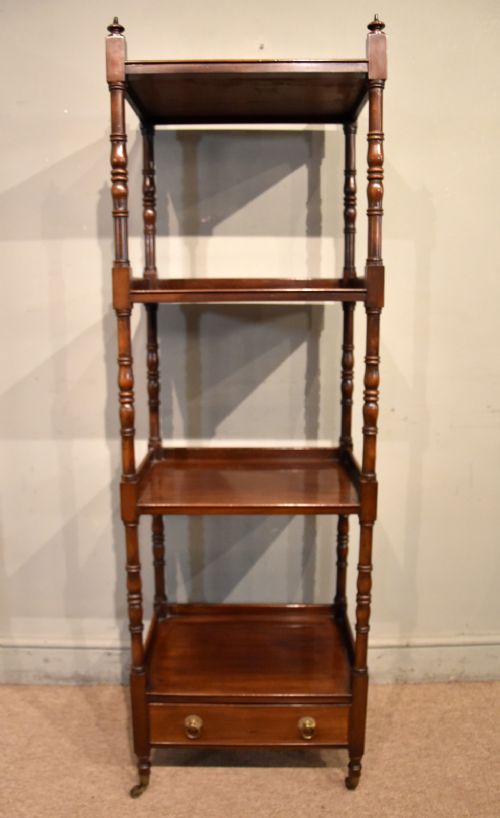
Antique corner shelving turns neglected corners into display spaces, offering tiered surfaces in rich timbers like mahogany and walnut.
Antique Corner Shelving
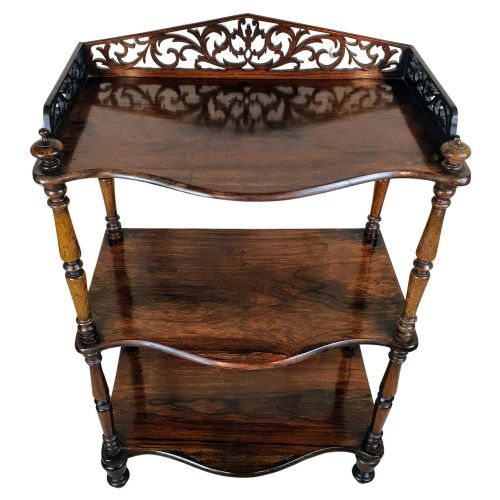
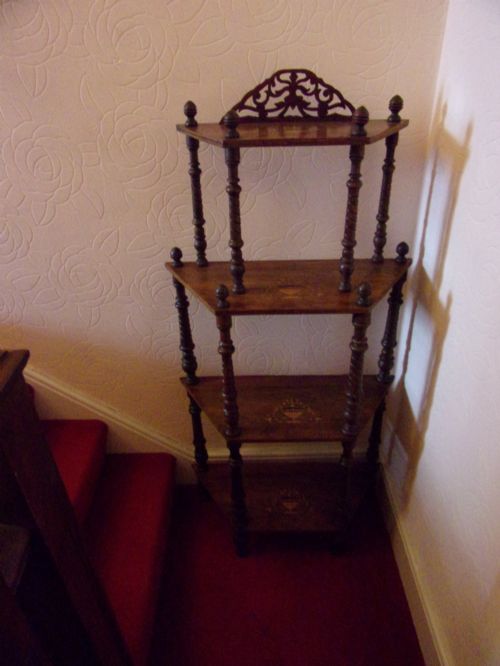
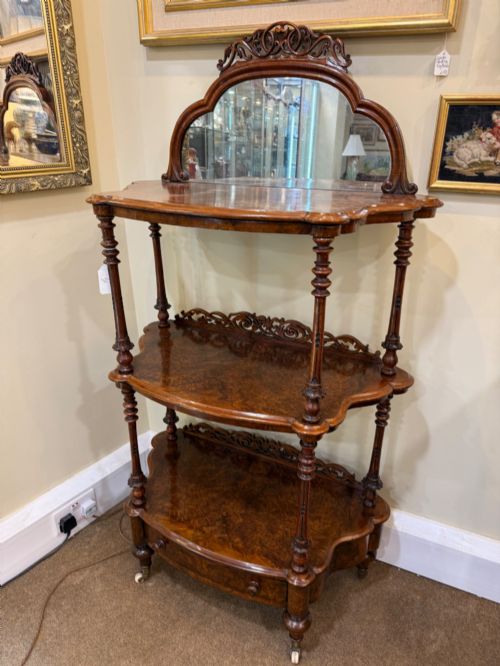
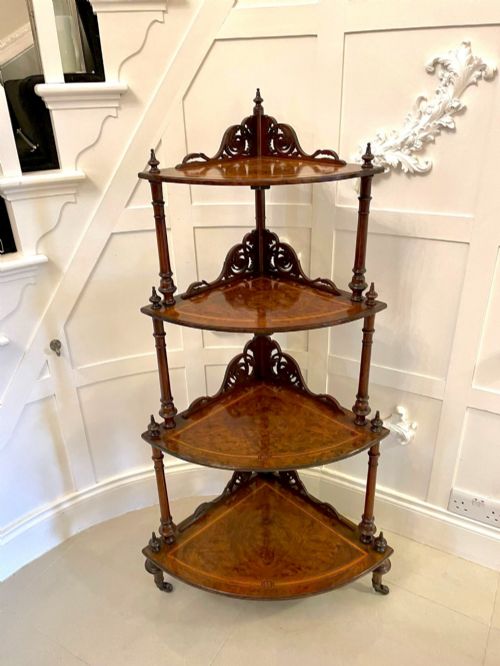
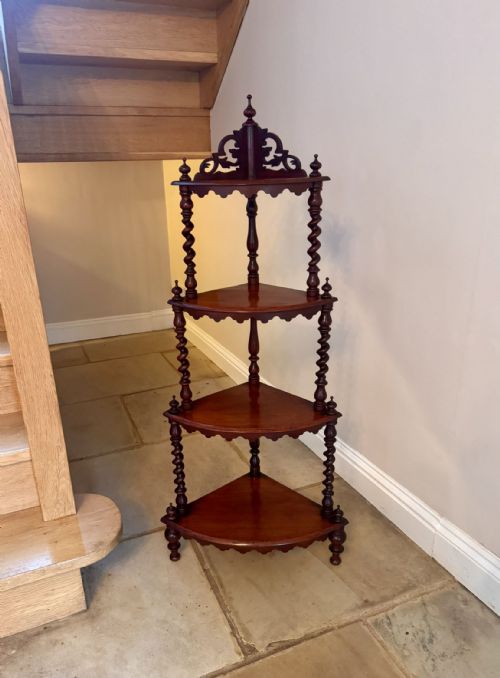
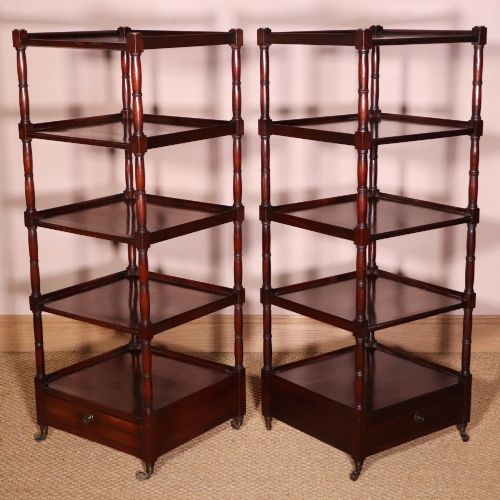
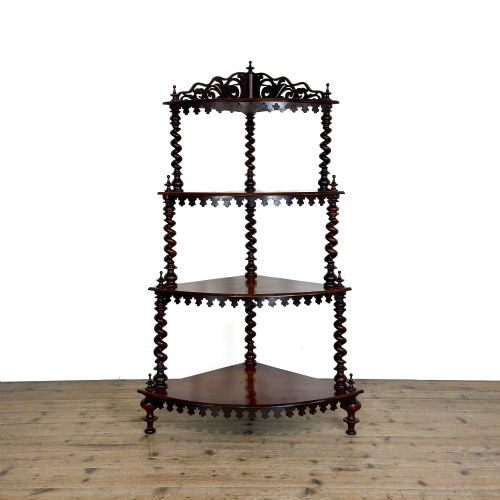
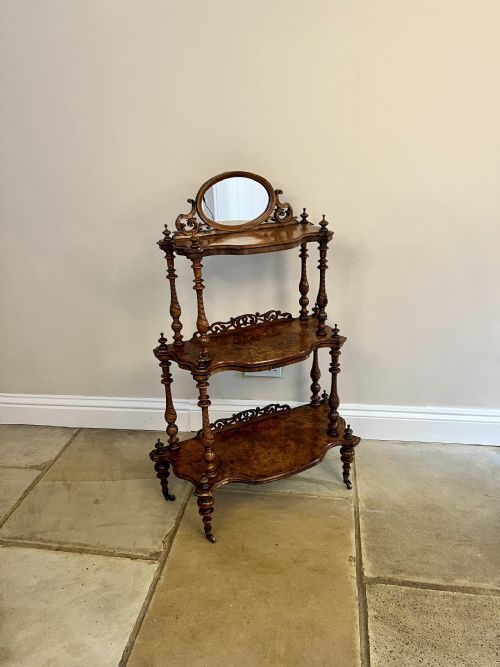
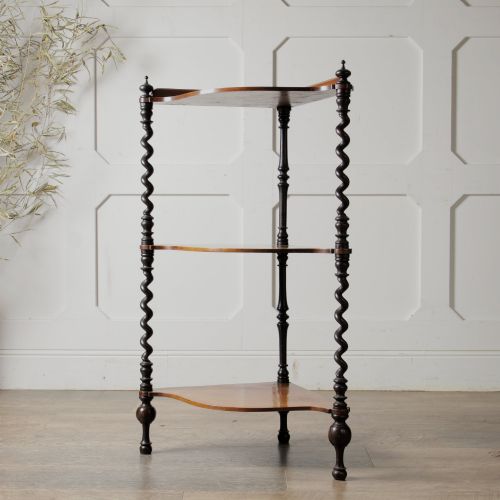
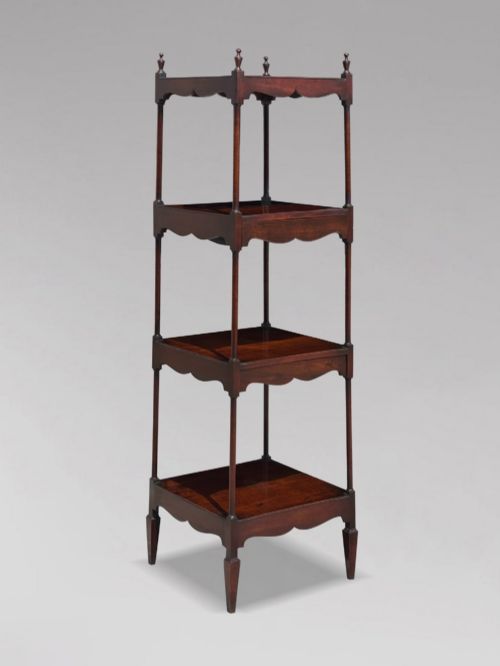
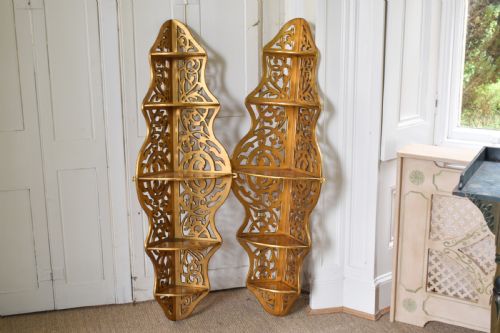
Antique corner shelving comprises tiered structures, whatnots, etageres, open bookcases, and cabinets designed specifically to fit room angles. When you search for antique corner shelving, you encounter pieces tailored to utilise awkward spaces efficiently.
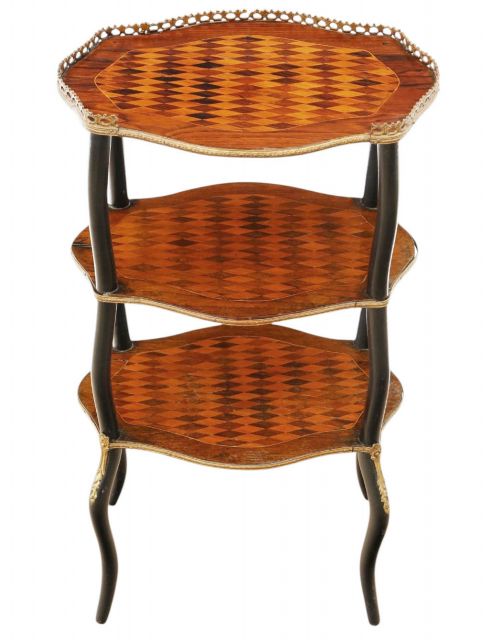
The selections span the Regency, Victorian, and Edwardian eras, featuring forms such as four-tier whatnots, serpentine-fronted wot-nots, and inlaid corner open bookcases. Victorian and 19th-century examples dominate the offerings, alongside early 20th-century pieces.
How they were made
Cabinetmakers constructed these corner pieces predominantly from solid timbers and veneers of mahogany and walnut, frequently incorporating satinwood for decorative contrast. Structural joints relied on traditional woodworking techniques suited to multi-tiered weight distribution.
Many examples integrate delicate wood inlay work and brass fittings to accent the uprights and shelves. Surface finishes were applied to highlight the natural grain patterns of the wood.
Antique Corner Shelving Retail Price Guide 2026
Typical asking prices for corner shelving among the pieces listed under this phrase on Sellingantiques today, from the lower quarter to the upper quarter. They describe what is for sale here now, not the wider market.
What varies in quality
Quality rests in the selection of timber figures, the precision of the wood inlay, and the crispness of serpentine fronts or turned supports. Superior examples display harmonious proportions across multiple tiers without sacrificing structural rigidity.
Lesser pieces feature plain secondary timbers and rudimentary joinery, whereas finer items showcase sophisticated grain matching and integrated brass or exotic wood detailing.
The Antique Corner Shelving Glossary
- Whatnot
- A moveable set of open shelves used for displaying ornaments or books. This form became popular during the Regency and Victorian periods.
- Serpentine front
- A curved furniture front with a convex centre flanked by concave wings. This shape adds fluid movement to corner furniture.
- Wood inlay
- Pieces of contrasting timber fitted into a recessed surface to form a decorative pattern. Satinwood is frequently used for this purpose.
- Etagere
- A piece of furniture consisting of a set of open shelves for displaying small objects. These stand securely in room corners.
- Regency
- An architectural and design style dating from the early nineteenth century. Pieces from this period often display classical restraint and refined proportions.
Antique Corner Shelving: Frequently Asked Questions
Where should I place corner shelving?
These pieces fit directly into empty room angles to maximise floor space.
They function effectively in drawing rooms, studies, and hallways for display.
What is a whatnot?
A whatnot is a multi-tiered set of open shelves designed for ornaments.
Victorian and Regency makers produced these specifically for corner placement.
How do I date these shelves?
Dating relies on timber choice, decorative inlay styles, and structural forms.
Victorian pieces often feature walnut or mahogany with serpentine shaping.
Are these shelves sturdy enough for books?
Open bookcases and tiered whatnots hold books securely within corner spaces.
Mahogany and walnut construction provides robust support for heavy volumes.