


Antique Tier Shelf
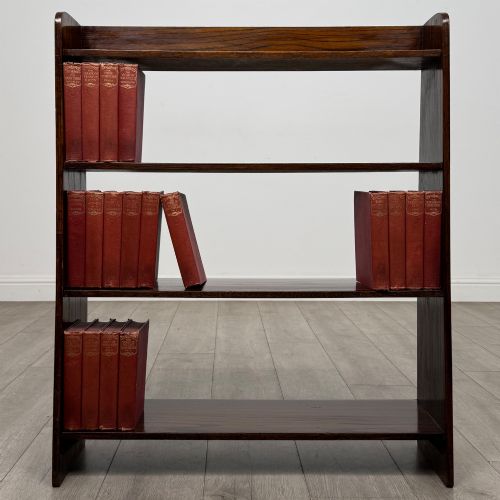
An antique tier shelf offers multi-level display space for collections, taking various tiered forms across the nineteenth century.
What an antique tier shelf is
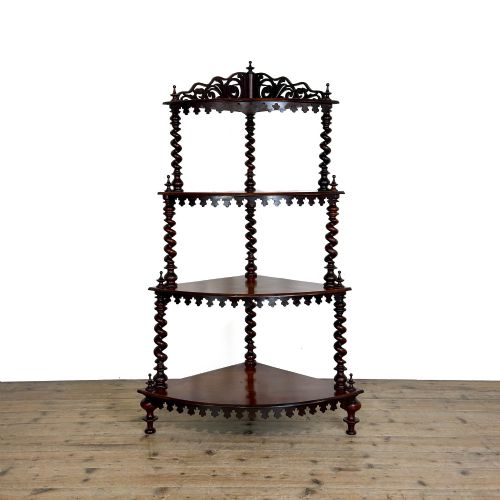
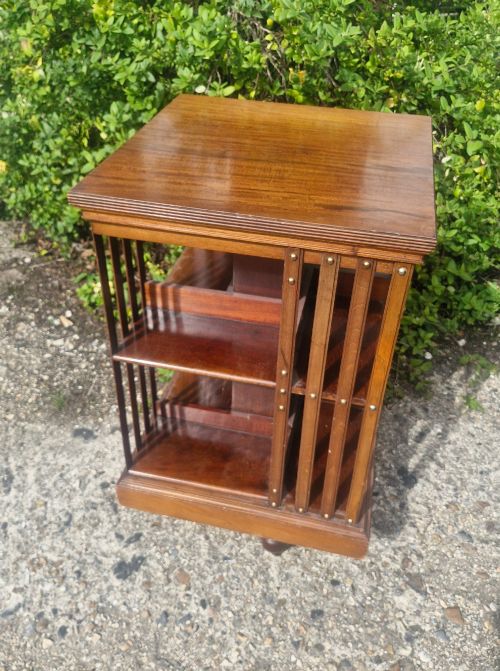
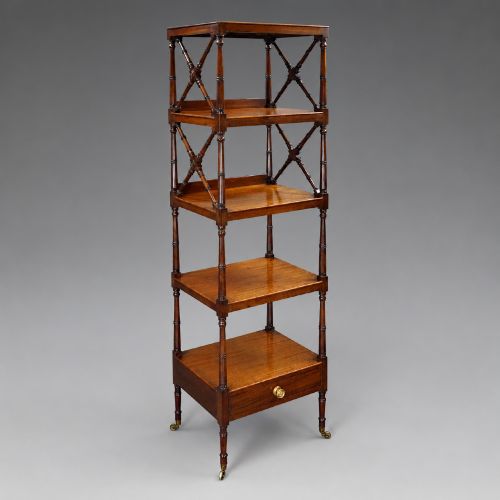
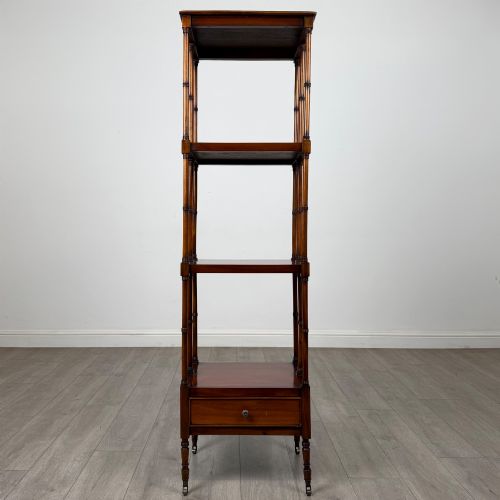
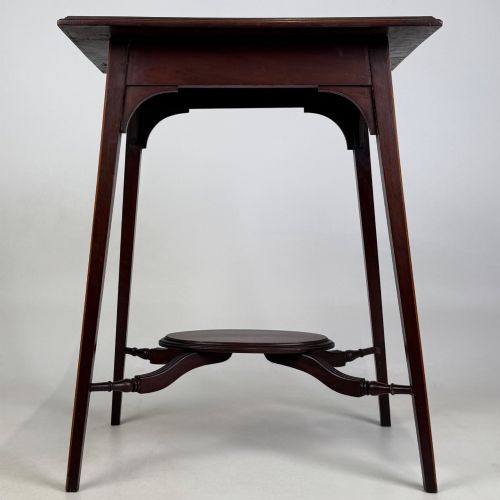
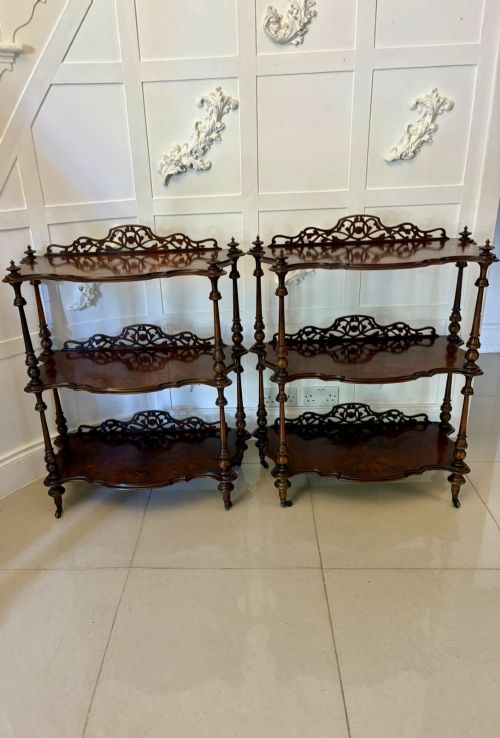
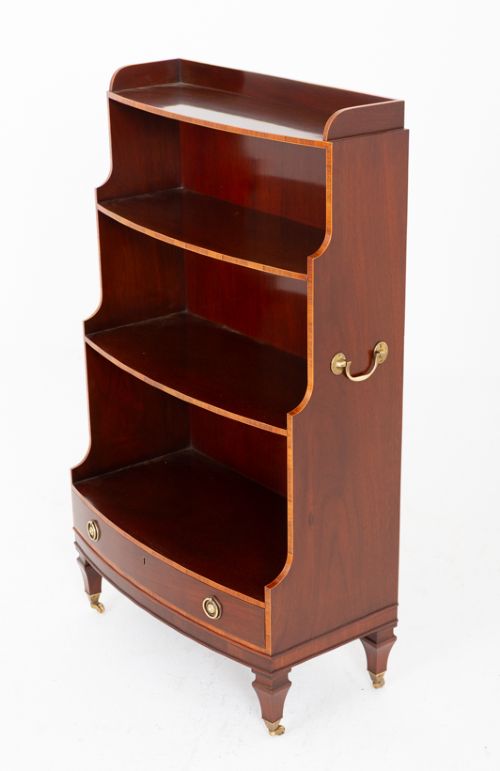
When searching for an antique tier shelf, buyers encounter multi-tiered display furniture primarily taking the form of whatnots, etageres, and corner units. These pieces provide stacked surfaces designed for books, ornaments, and display items across several levels.
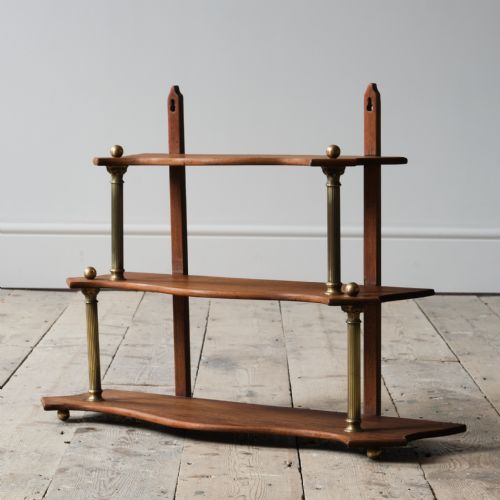
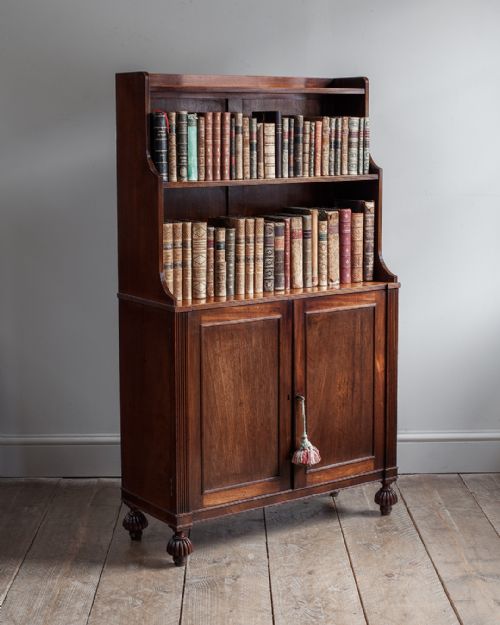
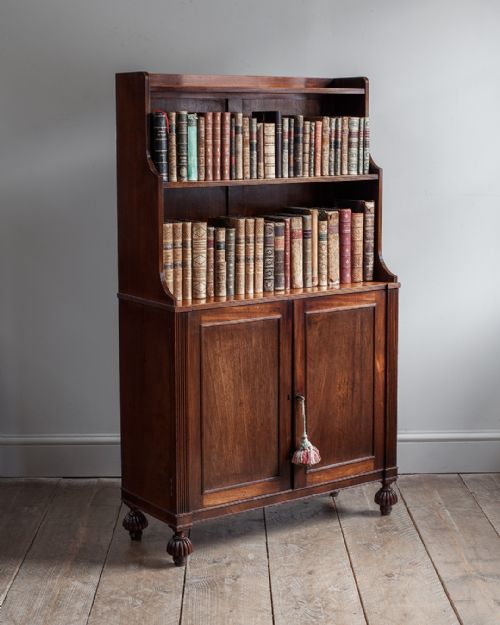
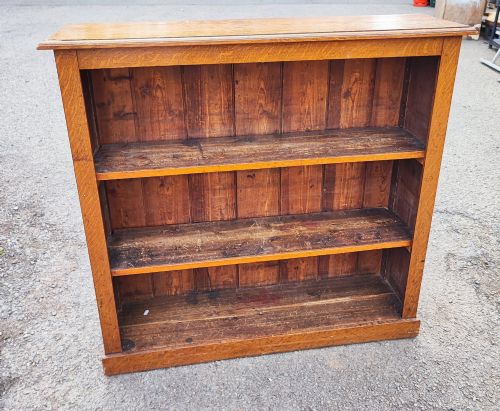
The selections available here span the Regency, William IV, and Victorian periods, with nineteenth-century pieces dominating the inventory. Forms range from corner cabinets and wall-mounted shelves to floor-standing bookcases and side tables.
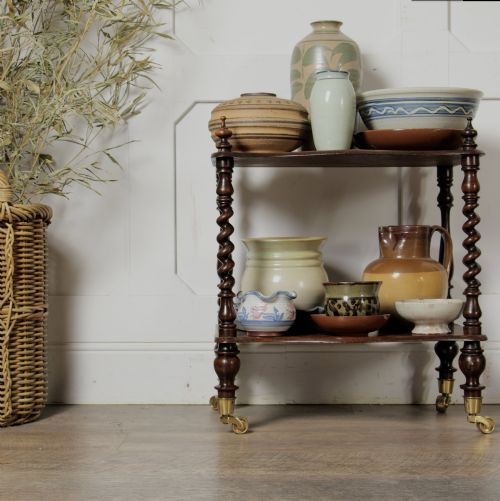
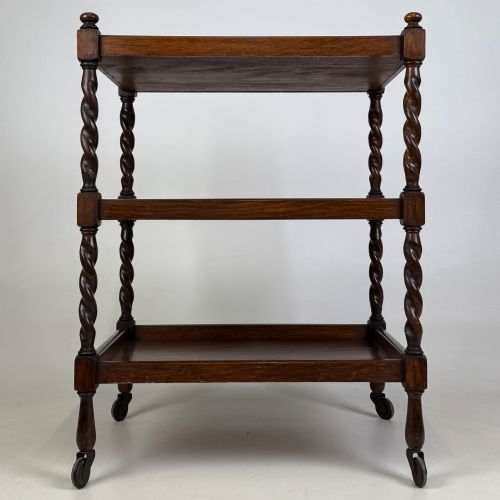
Mahogany, rosewood, and walnut emerge as the dominant timbers, often accompanied by ebonised wood, padouk wood, and brass details. Buyers are most likely to meet Victorian and nineteenth-century examples featuring multiple tiers supported by turned columns or barley twist uprights.
How they were made
Cabinetmakers utilised dense hardwoods including mahogany, walnut, rosewood, and padouk wood to construct these tiered structures. Timber selection prioritized rich grain patterns and durability for supporting stacked shelves.
Construction techniques involve structural turning for vertical supports, such as barley twist columns, alongside carved ornamentation and brass hardware. Some iterations incorporate integrated drawers within the lower sections beneath the open shelves.
Retail Price Guide 2026
Typical UK retail prices for tier shelf, calculated from the Sellingantiques database of over a million retail prices indexed since 2003. This retail price guide relies exclusively on Sellingantiques data; no external sources or auction records are used, so the figures do not describe the wider market.
What varies in quality
Quality separates standard production from finer examples through the choice of dense hardwoods and the execution of turned elements like barley twist columns. Superior pieces display refined joinery and careful matching of timber grains across multiple tiers.
The presence of functional additions, such as drawers with secure construction or applied gilt and brass details, distinguishes the more ambitious designs from simpler utility shelving.
The Antique Tier Shelf Glossary
- Whatnot
- A piece of furniture with shelves for small objects, books, or ornaments, originating in the late eighteenth century and remaining popular throughout the Victorian era.
- Etagere
- A French-derived term for a piece of furniture consisting of a series of open shelves for displaying ornaments.
- Barley twist
- A type of turned furniture leg or column resembling a spiral rope, frequently seen on nineteenth-century supports.
- Padouk
- A heavy, durable tropical hardwood with reddish tones utilised in Anglo-Indian and nineteenth-century cabinetmaking.
- Ebonised
- Wood treated with a dark finish to imitate expensive ebony, often highlighted with gilt details.
Frequently Asked Questions
What is an antique tier shelf?
An antique tier shelf is a multi-level display piece, commonly known as a whatnot or etagere, designed to hold books and decorative objects on stacked surfaces.
These pieces appeared in various formats including floor-standing units, corner shelves, and hanging wall cabinets throughout the nineteenth century.
How were tier shelves used?
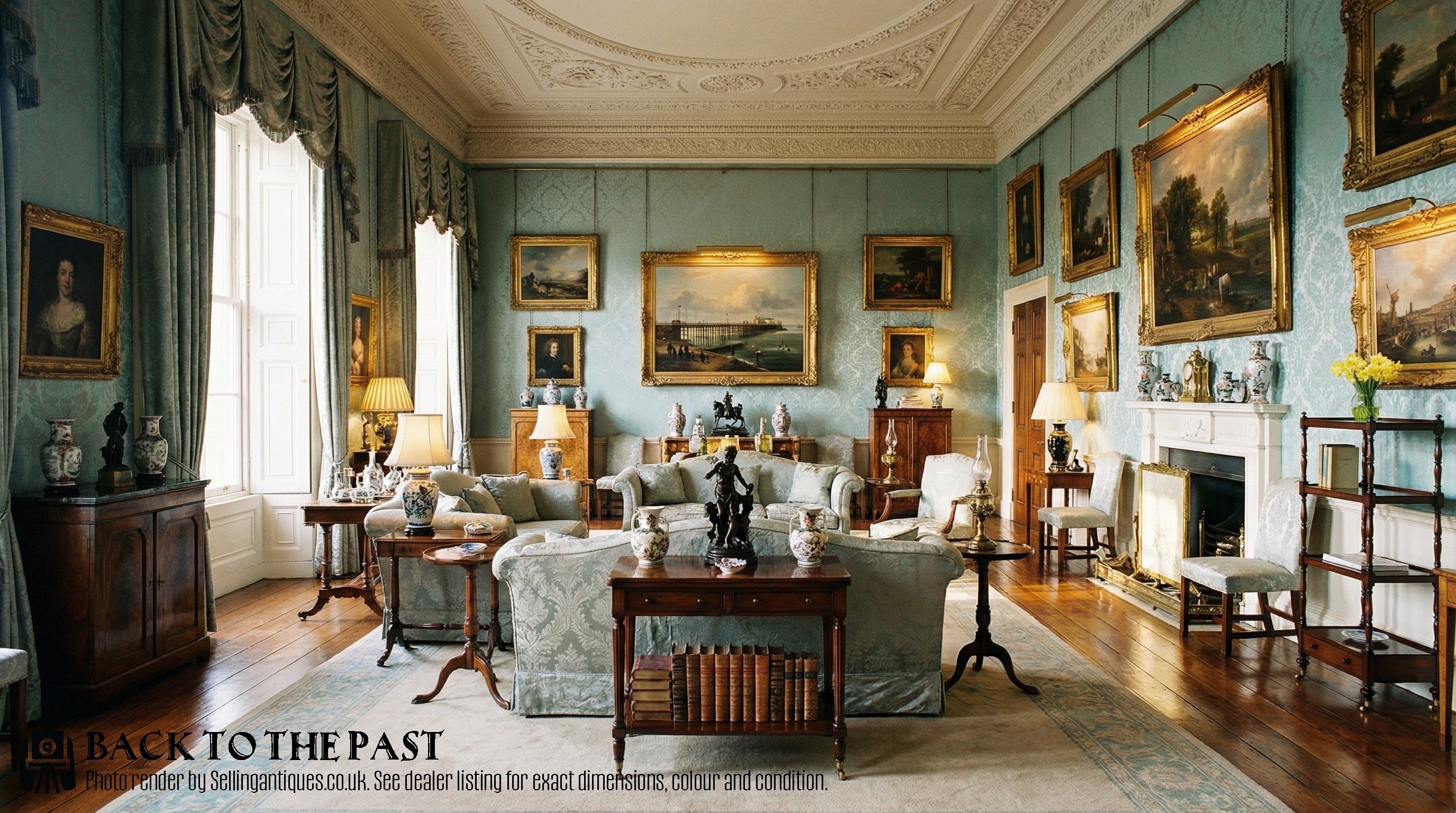
Historically, these tiered units served to display ornaments, ceramics, and books within principal rooms of nineteenth-century homes.
Their open construction allowed decorative collections to be viewed from multiple angles while making efficient use of floor or wall space.
How do I live with an antique tier shelf?
Living with these pieces involves utilising their multiple levels for displaying personal collections, books, or plants in modern interiors.
Care should be taken to distribute weight evenly across the shelves and protect dense hardwoods like mahogany and rosewood from direct heat sources.
How do I identify Victorian tier shelves?
Victorian examples typically feature dark hardwoods such as walnut and mahogany, frequently incorporating turned supports like barley twists.
Stylistic markers range from plain nineteenth-century utility forms to more ornate designs incorporating ebonised wood or Aesthetic Movement influences.