





Rosewood Tier Stand
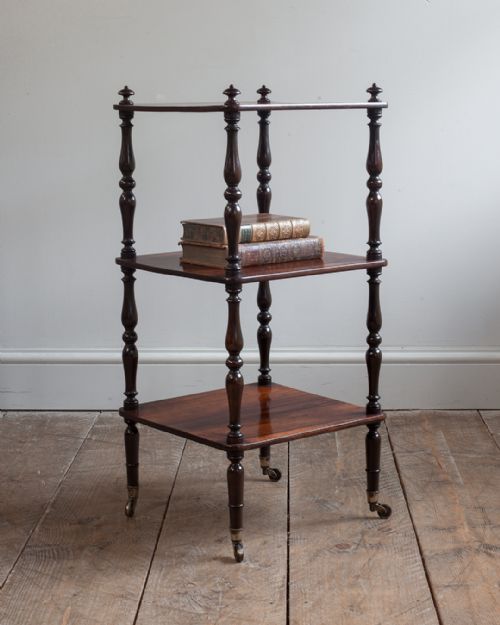
A rosewood tier stand brings multi-level display space into a room, combining rich dark timber with practical open shelving for books and ornaments.
Rosewood Tier Stand
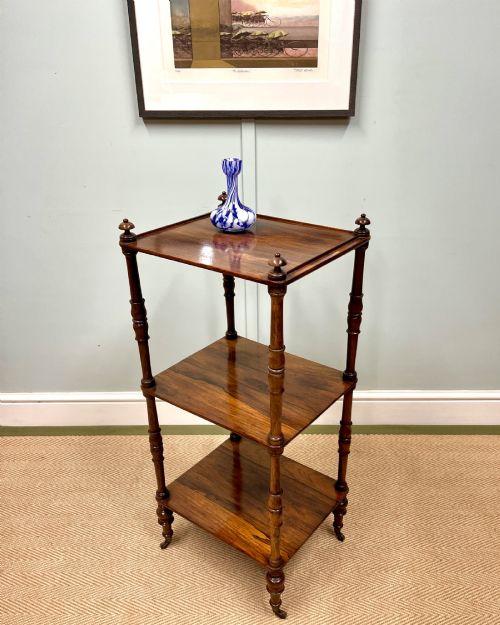
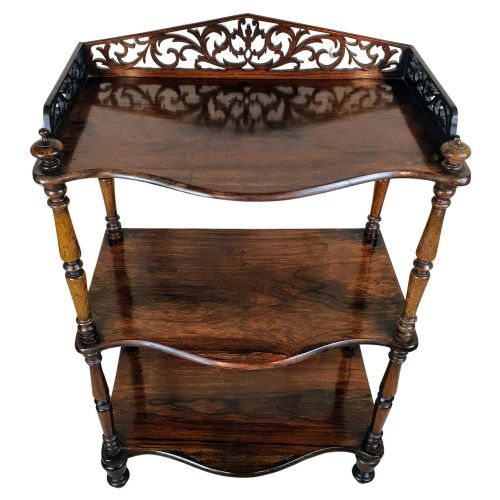
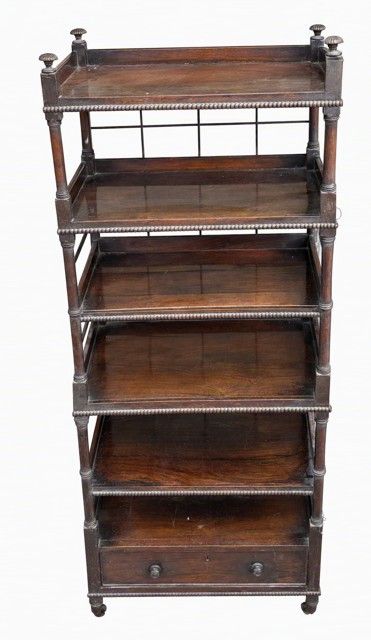
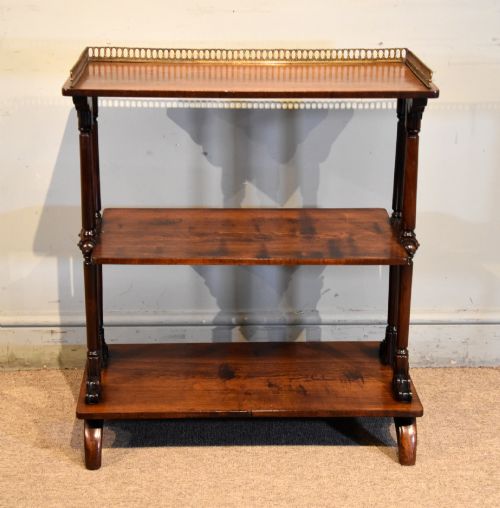
A rosewood tier stand comprises multi-layered furniture pieces designed to hold books, ceramics, and ornaments across stacked levels. The selection spans distinct eras including Regency, William IV, Victorian, and Edwardian periods.
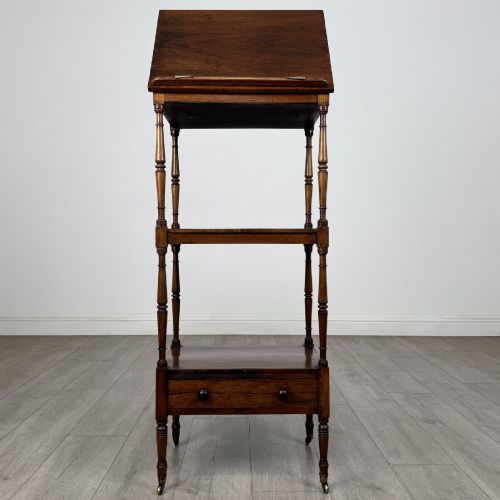
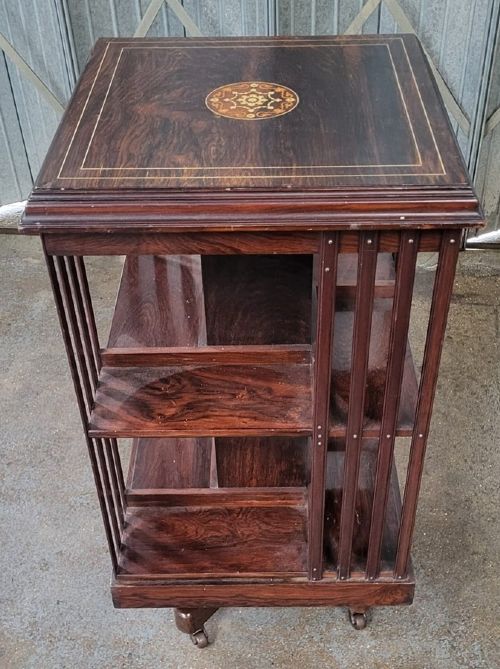
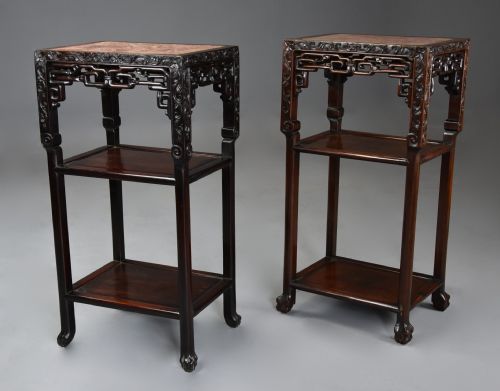
Forms range from compact two-tier occasional tables and revolving bookcases to tall six-tier whatnots and display shelves. Chinese hardwood pot stands and French-influenced etageres also appear among the varied formats.
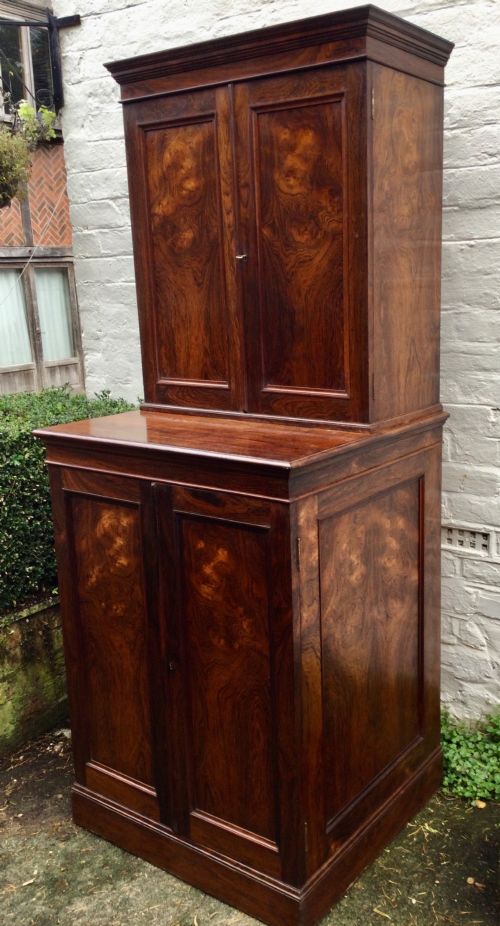
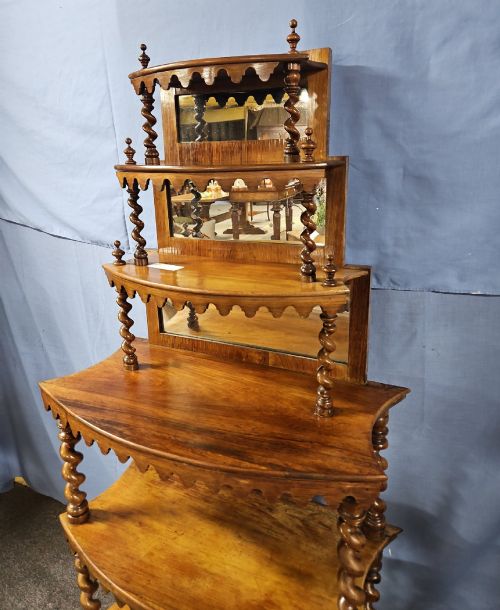
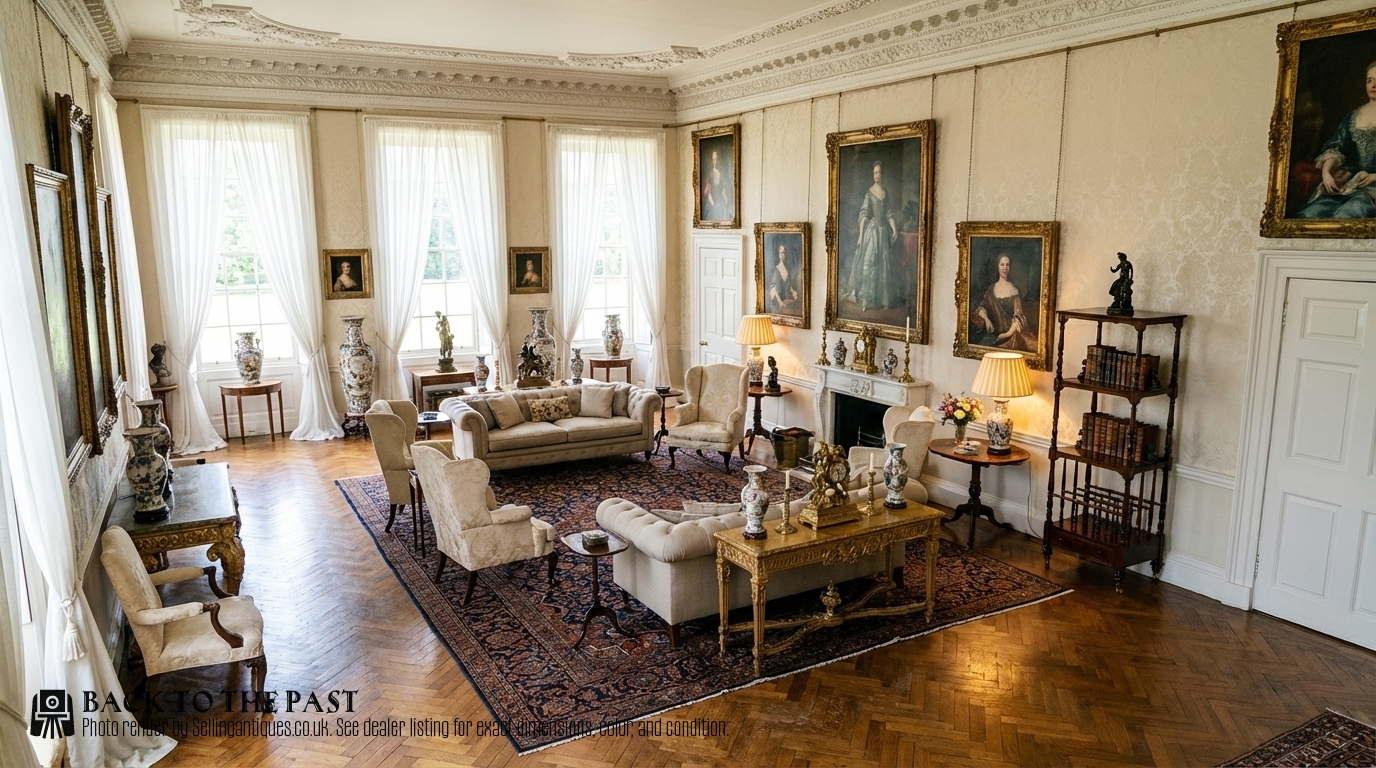
These multi-level items function as central standing buffet shelves, side cabinets, and corner display units. The primary aesthetic centres on the open display of prized objects rather than enclosed storage.
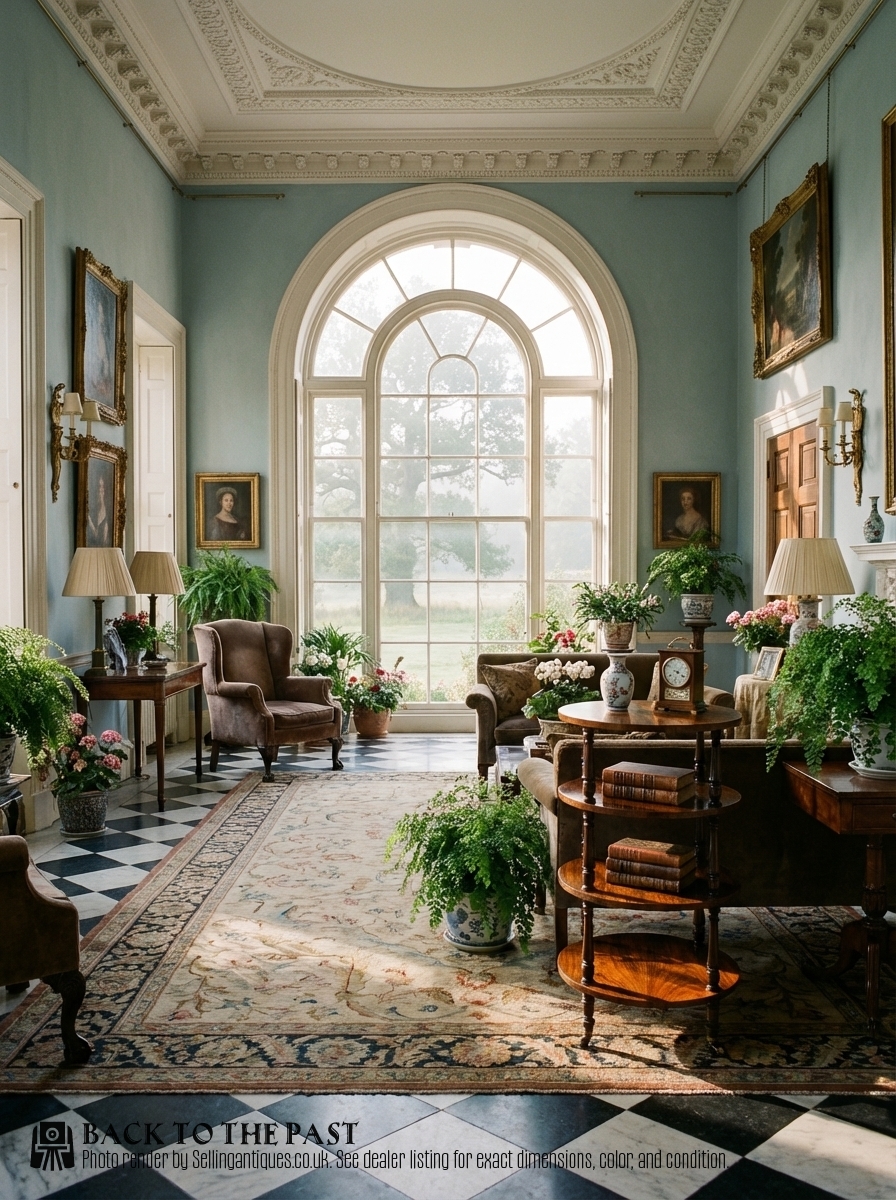
What varies in quality
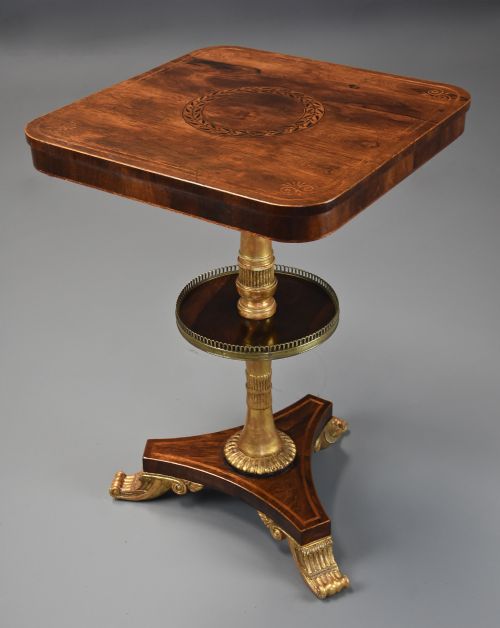
The standard of execution depends heavily on the precision of the joinery and the selection of figured rosewood veneer. Finer examples display meticulous attention to inlaid decoration, substantial brass castors, and carefully balanced tier supports.
Proportion and structural integrity separate standard utility pieces from exceptional cabinet work. Pieces retaining original surface finishes and crisp carved details command greater appreciation among collectors.
Rosewood Tier Stand Retail Price Guide 2026
Typical asking prices for rosewood tier stand among the pieces listed under this phrase on Sellingantiques today, from the lower quarter to the upper quarter. They describe what is for sale here now, not the wider market.
Listings feature rosewood, hardwood, and timber constructions enhanced by brass, marble, and ormolu across the Regency, Victorian, and Edwardian periods.
Edwards & Roberts·Samson & Son·Gillows
The Rosewood Tier Stand Glossary
- Tier stand
- A piece of furniture featuring multiple horizontal surfaces stacked vertically for display or storage. These structures allow objects to be organised across several open levels.
- Whatnot
- An open multi-shelved piece designed for displaying ornaments, books, or knick-knacks. It gained popularity during the Regency and Victorian eras.
- Etagere
- A French-derived piece of furniture consisting of a set of open shelves for displaying small objects. They often feature delicate supports and decorative inlay.
- Marquetry
- Decorative veneer work created by fitting together small pieces of wood, shell, or ivory to form pictorial patterns. This technique frequently ornaments nineteenth-century table tops and cabinet doors.
- Ormolu
- Gilt-bronze mounts applied to furniture edges and corners for decorative effect. The technique produces a bright metallic contrast against dark timbers like rosewood.
Rosewood Tier Stand: Frequently Asked Questions
How were tier stands used originally?
In nineteenth-century parlatories and drawing rooms, these pieces held books, ceramics, tea services, and decorative objects. They kept frequently used items accessible while utilising vertical space.
Later Victorian and Edwardian examples adapted the concept for specialised duties like holding sheet music, newspapers, or potted plants. Their open shelving suited the Victorian desire to display personal collections.
How do I care for rosewood furniture?
Maintain rosewood by keeping pieces away from direct sunlight and sudden temperature changes, which can dry out the timber. Dust regularly with a soft, dry cloth to prevent accumulation in carved details.
Avoid placing damp items directly on the wood surfaces to protect the polished finish. Periodic application of appropriate furniture wax helps preserve the sheen of the grain.
How can I tell the period of a stand?
Dating relies on observing structural characteristics, joinery methods, and stylistic influences. Regency and William IV pieces often display heavier architectural turns and classical proportions, whilst Edwardian items may feature lighter inlaid decoration.
Examining the secondary timbers and fixing methods beneath the shelves offers further clues to the manufacturing decade. Cabinet styles evolved from formal Regency neoclassical lines to elaborate Victorian and refined Edwardian forms.