




Antique Rosewood Whatnot
An antique rosewood whatnot offers tiered shelving for display and storage, bringing rich dark timber and practical elegance to a room.
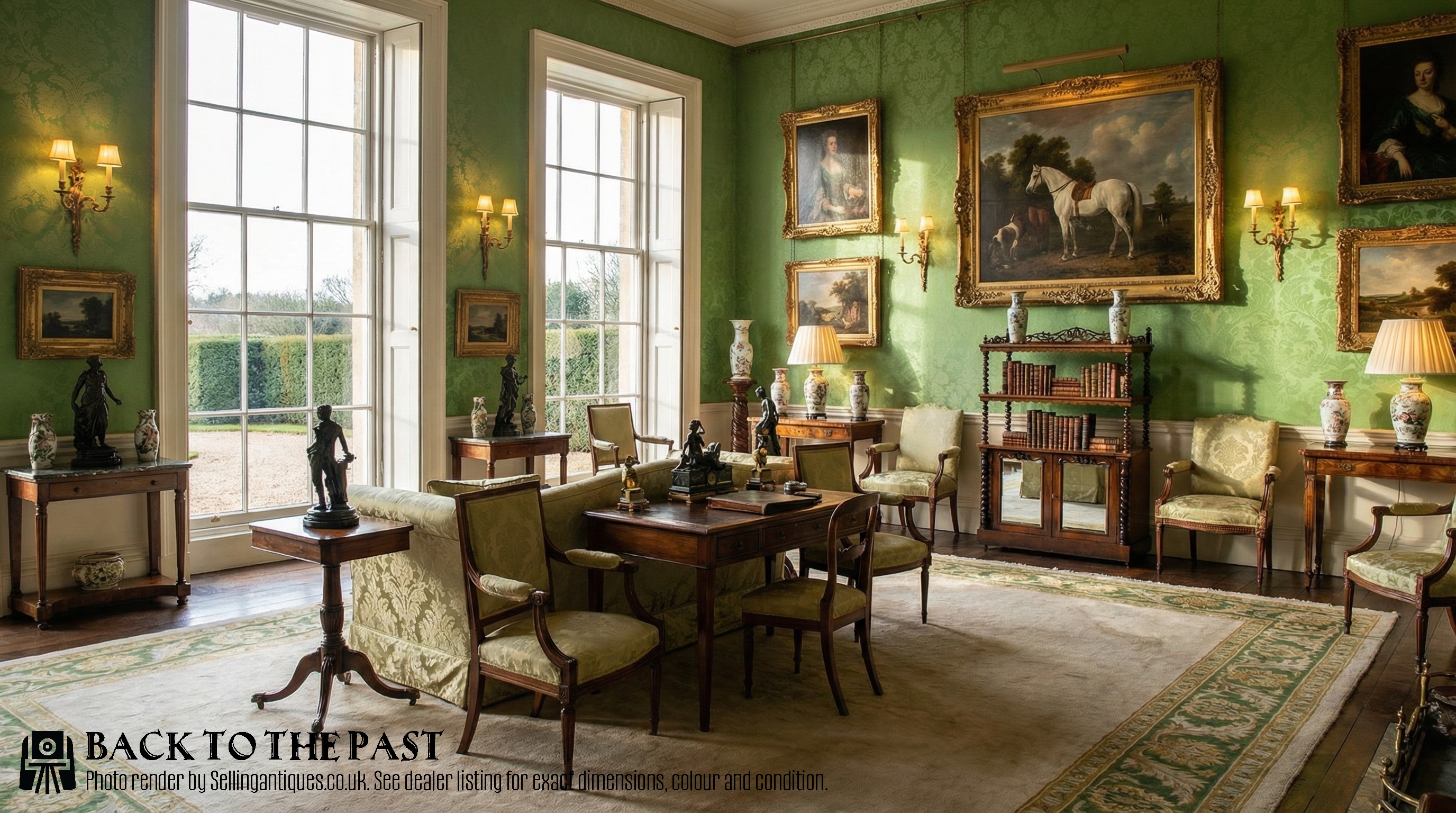
Antique Rosewood Whatnot
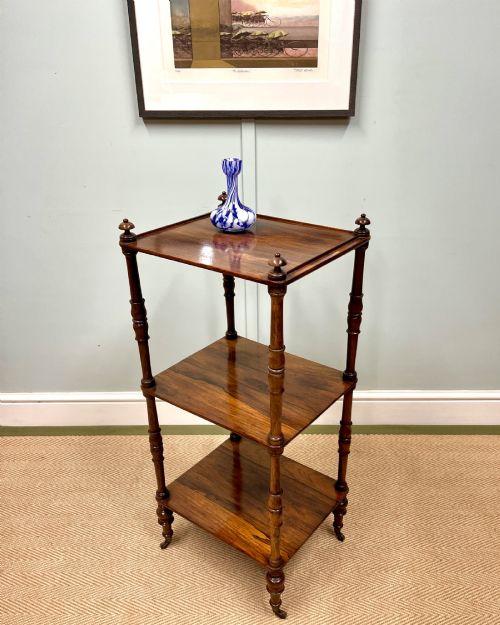
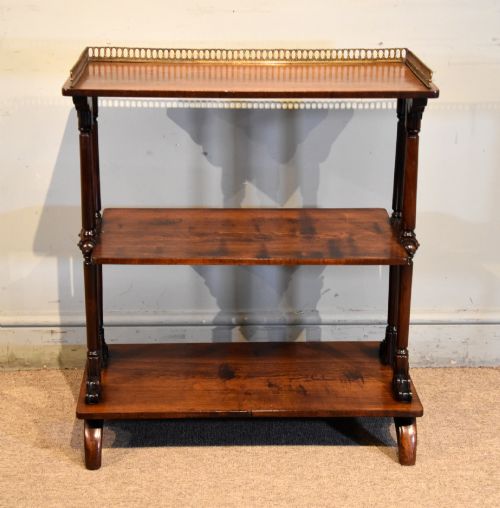
An antique rosewood whatnot is a multi-tiered piece of furniture designed for displaying objects, holding books, or organising papers. The form appears primarily across the nineteenth century, encompassing the Victorian and Regency periods, as well as the William IV era.
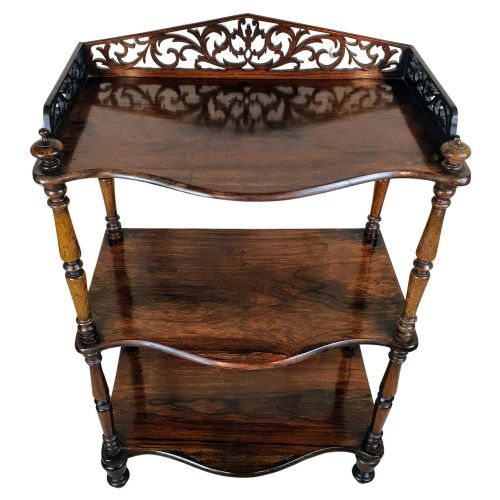
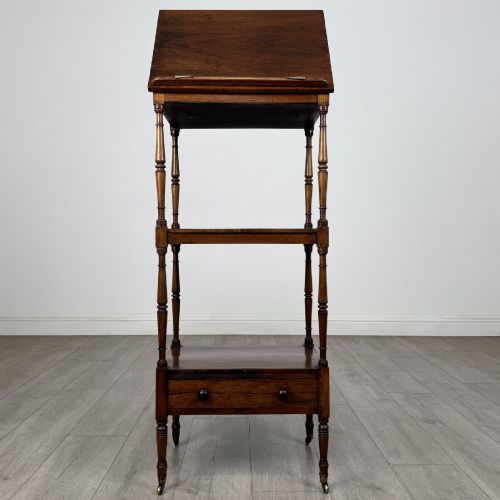
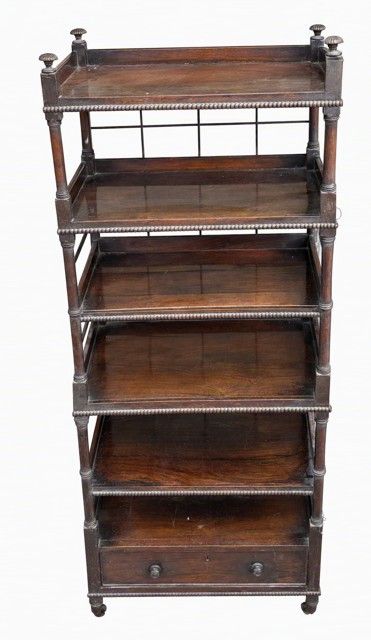
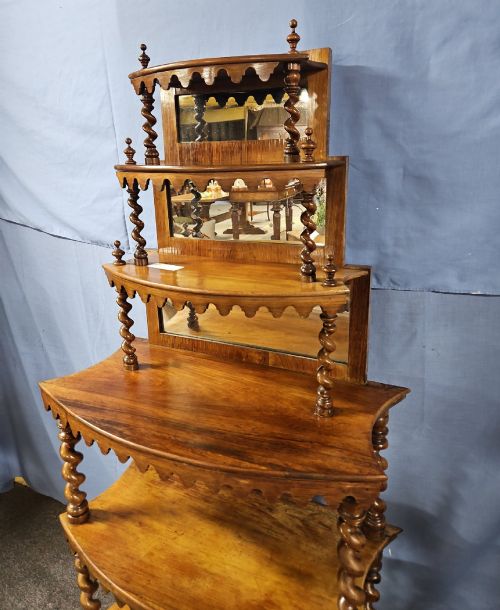
Pieces take several distinct shapes in the listings, including freestanding corner units, multi-tiered étageres, open bookshelves, plant stand combinations, and canterbury designs with fitted lower compartments. Wall-hanging versions also appear alongside larger floor-standing cabinets.
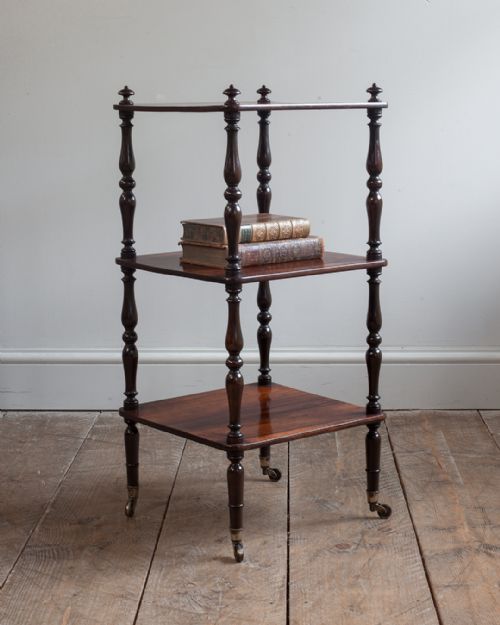
Buyers meet these items in configurations ranging from simple three-tier open shelves to elaborate four-tier structures fitted with glass, brass, or mirror elements. Each variation serves a specific decorative or utility purpose within domestic spaces.
Materials and Construction Methods
Makers utilised rosewood as the primary timber, valued for its deep colour and distinct grain patterns. Secondary materials such as brass, glass, ormolu, and mirror glass are integrated into the designs for structural joints, decorative mounts, and backing panels.
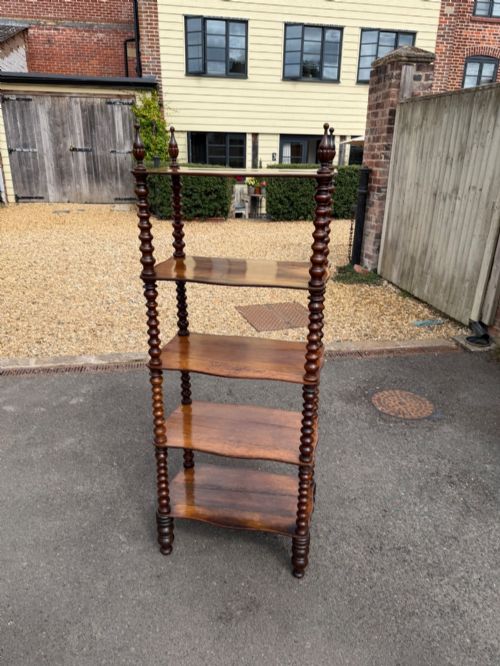
Support elements vary from standard turned uprights to barley twist columns, connecting the multiple tiers securely. Many floor-standing examples incorporate castors on the feet to allow easier movement across the floor.
Antique Rosewood Whatnot Retail Price Guide 2026
Typical asking prices for rosewood whatnot among the pieces listed under this phrase on Sellingantiques today, from the lower quarter to the upper quarter. They describe what is for sale here now, not the wider market.
Some nineteenth-century makers cleverly combined shelving with newspaper racks, proving that Victorian multitasking was not just a modern invention.
Judging Quality in Rosewood Whatnots
The distinction between standard examples and the finest pieces lies in the precision of the joinery and the selection of the rosewood timber. Superior items show careful attention to turning, such as well-defined barley twist columns and balanced tier proportions.
Gillows
The Antique Rosewood Whatnot Glossary
- Whatnot
- An open multi-tiered piece of furniture used for displaying ornaments or holding books. This form became popular during the nineteenth century.
- Canterbury
- A low stand featuring partitioned sections at the base, typically used for holding sheet music, newspapers, or magazines. It often combines with an upper whatnot structure.
- Étagère
- A piece of furniture consisting of a set of open shelves for displaying small objects. The term frequently applies to decorative tiers of this type.
- Barley Twist
- A type of furniture turning resembling a twisted rope. This decorative column style appears frequently on nineteenth-century supports.
- Ormolu
- Gilt bronze ornamentation applied to furniture. It provides metallic contrast against dark timbers like rosewood.
Antique Rosewood Whatnot: Frequently Asked Questions
What is an antique rosewood whatnot used for?
These pieces function primarily as display stands for ornaments, small sculptures, and decorative items. The multi-tiered shelving allows objects to be arranged vertically in a room.
Certain variations incorporate canterbury bases or lower cabinets, offering additional storage for books, music, or papers alongside the open display tiers.
How do I tell a Regency whatnot from a Victorian one?
Regency pieces date from the early nineteenth century and typically display cleaner architectural lines, classical restraint, and specific proportions. Makers of this era often utilised fine rosewood with minimal excessive ornamentation.
Victorian examples, produced later in the nineteenth century, often introduce heavier turnings such as barley twist columns or more ornate display cabinetry. The presence of specific hardware and overall silhouette helps distinguish between these two periods.
Are all rosewood whatnots freestanding?
The majority of pieces in the record are freestanding floor-standing units designed to be placed against walls or positioned in corners. Corner whatnots specifically utilise triangular tiers to fit neatly into room angles.
However, wall-hanging versions also exist, featuring suspension points for securing the shelving unit directly to a wall. Both formats provide elevated tiers for display.
How do I care for antique rosewood furniture?
Maintenance requires keeping the timber away from direct sunlight and steady heat sources to prevent the rosewood from drying out or fading. Regular dusting with a soft, dry cloth preserves the polished surface.
Harsh chemical polishes should be avoided in favour of traditional wax suitable for antique hardwoods. Checking structural joints periodically ensures the multi-tiered uprights remain stable.