

Antique Wall Bracket
An antique wall bracket lifts a prized object off the surface and puts it at eye level.
What an antique wall bracket is
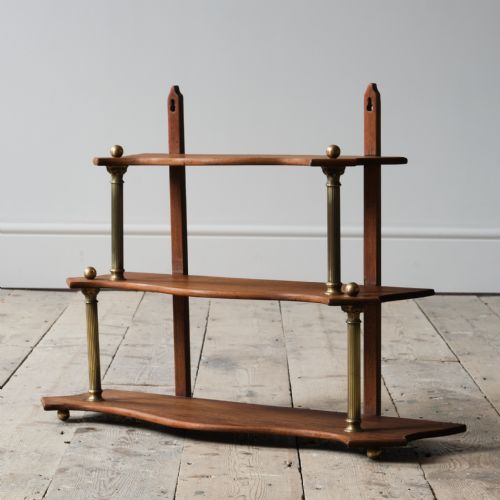
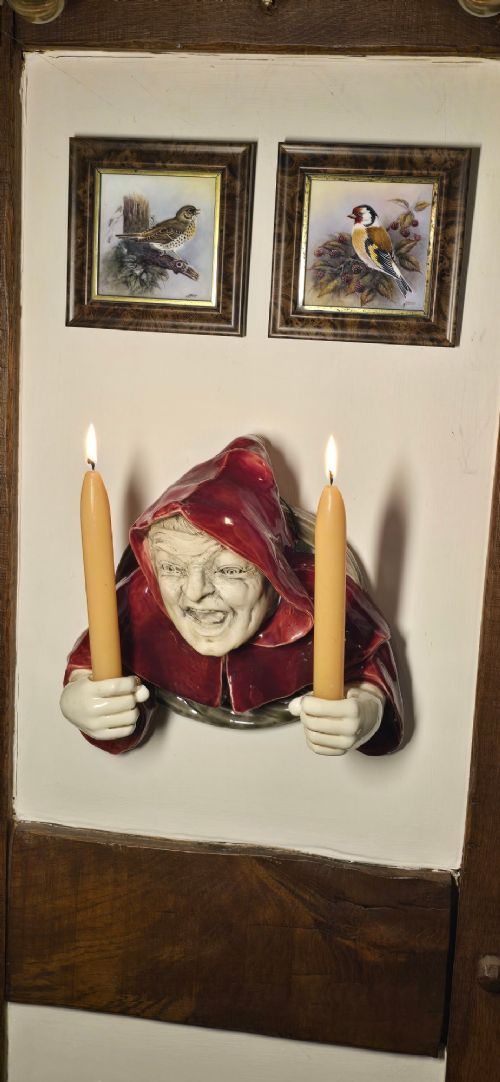
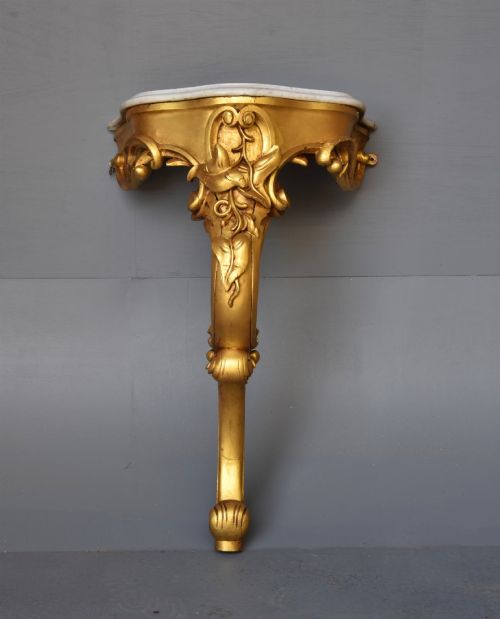
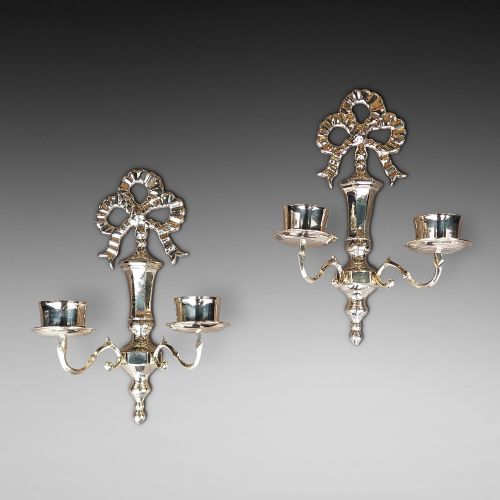
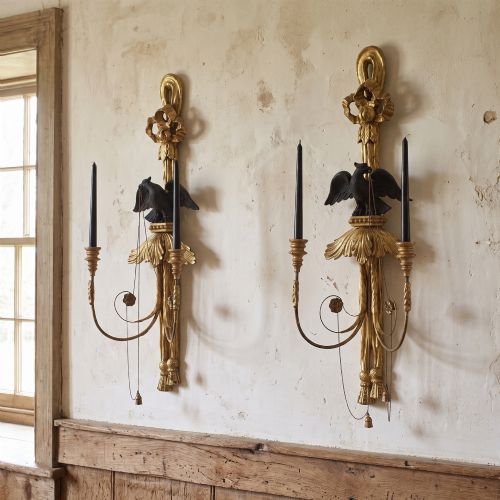
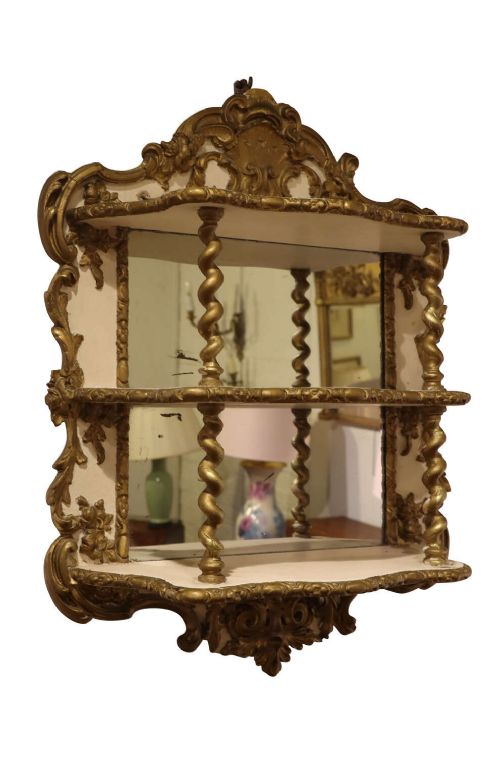
An antique wall bracket serves as a sturdy architectural ledge for display, carrying clocks, porcelain figures, and mirrors. When you search for an antique wall bracket, you encounter everything from simple timber shelves to elaborate sculptural supports.
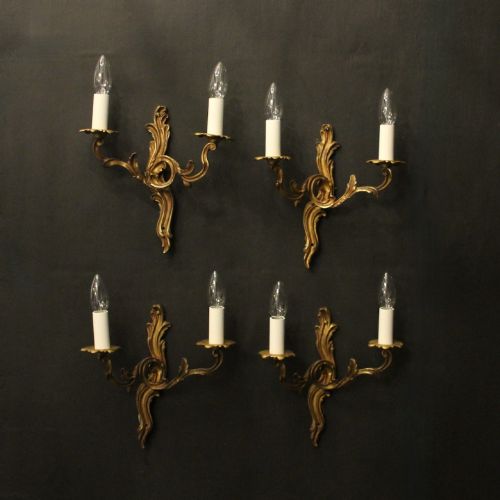
The nineteenth century dominates the record, spanning the regency, victorian, and edwardian eras. You meet single pieces alongside matched pairs intended to balance a room.
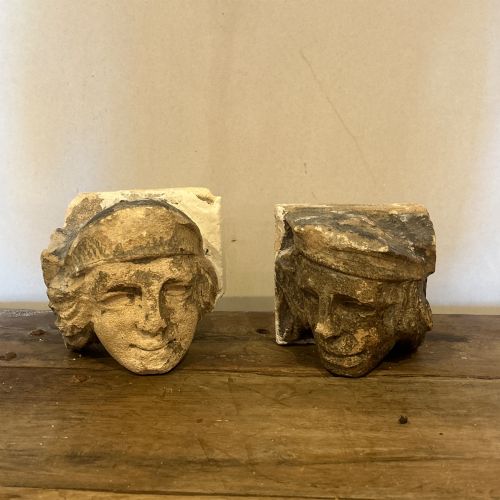
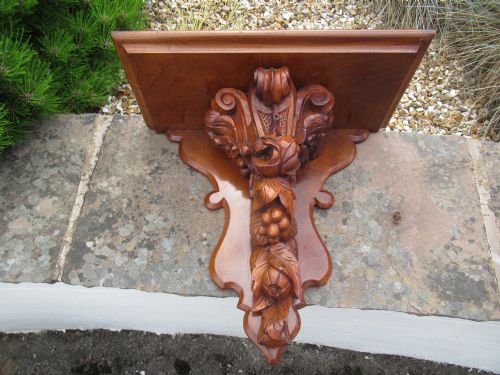
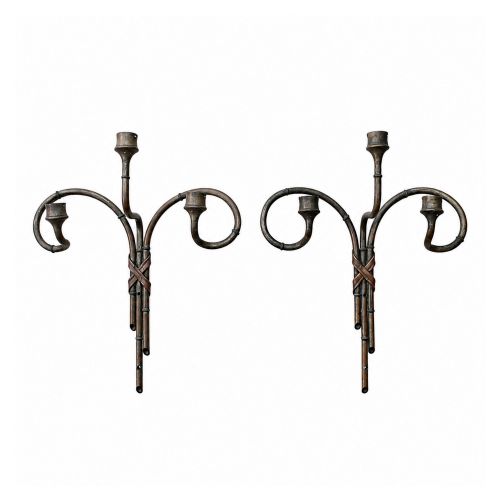
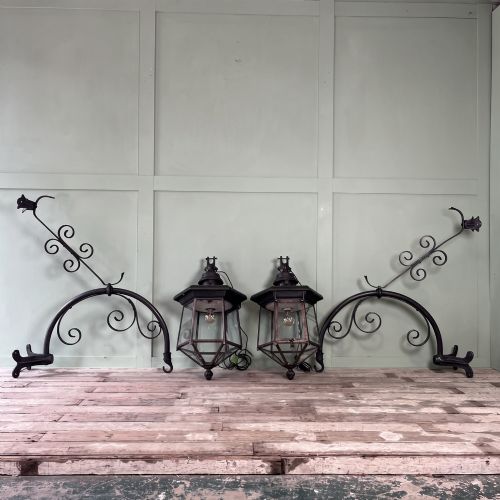
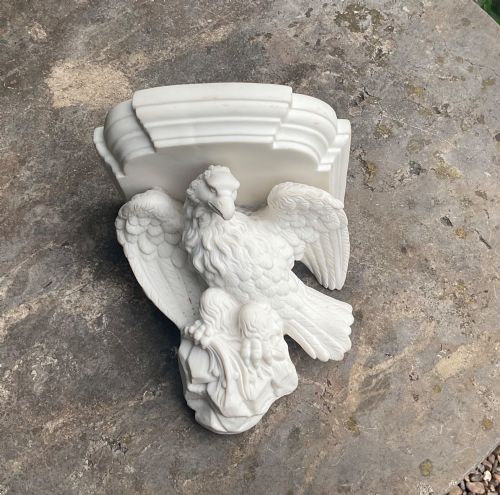
Forms include flat wall shelves, carved corbels, mirrored brackets, and structural iron mounts. They project from the wall to showcase decorative items or hold functional objects like barographs and bells.
Materials and construction
Carvers shaped timbers such as mahogany, red walnut, oak, and hardwood using hand chisels. Other pieces employ plaster, composition, terracotta, and cast or hand-beaten wrought iron.
Retail Price Guide 2026
Typical UK retail prices for wall bracket, calculated from the Sellingantiques database of over a million retail prices indexed since 2003. This retail price guide relies exclusively on Sellingantiques data; no external sources or auction records are used, so the figures do not describe the wider market.
Historical listings include functional estate items such as heavy wrought iron bell mounts and barograph stands.
Judging quality
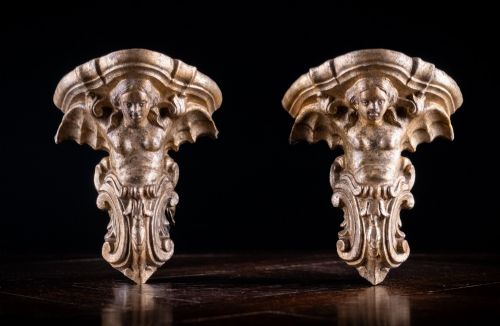
Depth of carving separates standard production from superior work. Cherubs, eagles, and putti rendered with anatomical clarity and undercut details show the hand of a skilled sculptor rather than a mechanical mould.
The integrity of the original surface dictates value. Surviving giltwood, untouched lacquer, and honest grain patination elevate a bracket, whereas heavy over-painting obscures the crisp edges of the initial carving.
The Antique Wall Bracket Glossary
- Corbel
- A projecting bracket of stone, wood, or plaster that supports a weight above it. These architectural supports often take figurative forms like cherubs or putti.
- Giltwood
- Timber that has been coated with thin gold leaf or powder over a preparation layer of gesso. It reflects candlelight and adds luminance to wall-mounted displays.
- Black Forest
- A regional style of wood carving originating in Germany during the nineteenth century. These pieces typically feature naturalistic oak leaves, animals, and rustic motifs.
- Aesthetic Movement
- A late nineteenth century design style emphasising art for art's sake. Paper mache and lacquered surfaces frequently appear in this context.
- Moorish Revival
- An architectural and decorative style incorporating geometric inlaid patterns. Hardwood brackets from this tradition utilise bone and mother of pearl elements.
Frequently Asked Questions
What did they hold originally?
These ledges carried heavy mantel clocks, porcelain figures, barographs, and mirrored glass. Many supported lighting fixtures, displaying candles or oil lamps safely away from furniture.
Others held practical estate items like brass bells or functioned simply as decorative console shelves for sculptural objects.
How do I mount one safely?
Weight dictates the installation method, especially with heavy cast iron, dense oak, or plaster pieces. Secure fixings must engage wall studs or solid masonry rather than relying solely on plasterboard.
Check that the internal hanging bracket or rear screw holes align correctly before transferring the full load of the shelf.
Are pairs harder to find?
Matched pairs survive less often because rooms undergo alterations and individual brackets suffer accidental damage over decades. Single brackets frequently lose their companion piece during house moves.
When symmetrical pairs do turn up, they command stronger interest from collectors wanting to flank a mirror, doorway, or fireplace.
How do I clean carved wood?
Dust accumulates within deep undercuts on carved walnut, oak, and gilt surfaces. Use a soft, dry brush to lift particles without disturbing fragile gilding or dry patination.
Avoid modern liquid polishes, water, and chemical sprays, which soften old gesso, darken exposed timber, and degrade historic finishes permanently.