





Wooden Corbel Shelf
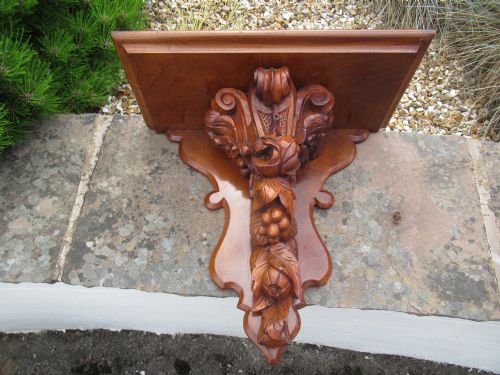
These wooden corbel shelf designs combine structural support with decorative carving, offering versatile display options for period interiors.
Wooden Corbel Shelf
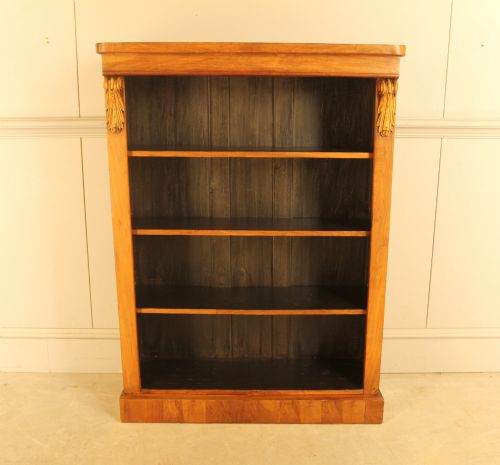
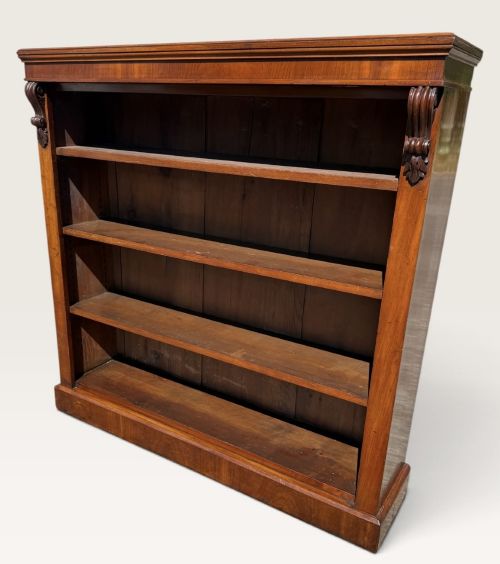
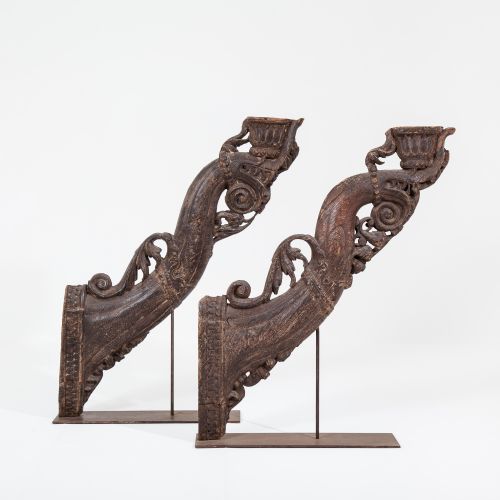
A wooden corbel shelf serves as a structural bracket or wall-mounted support, frequently taking the form of wall brackets, architectural salvage, and open bookcases furnished with carved corbels. These items emerge from various periods spanning the seventeenth through to the nineteenth century, reflecting architectural tastes from the Victorian era back to earlier centuries.
Buyers encounter single brackets and matched pairs configured for displaying clocks, books, or decorative objects. The selection includes styles ranging from Baroque Revival and Italian Rococo to Anglo-Indian and Georgian designs, demonstrating diverse regional craftsmanship.
Materials and construction
Craftsmen utilised various woods including walnut, oak, pine, limewood, and rosewood, applying hand-carving techniques to shape complex architectural forms. Many examples incorporate gesso and gold leaf applications, particularly within the Italian gilded and Rococo revival traditions.
Structural elements rely on solid timber construction designed to bear weight while presenting elaborate figurative or scrollwork motifs. Surface treatments range from polished natural grain to intricate gilding and dark finishes typical of nineteenth-century workshop practices.
One exceptional nineteenth-century bracket depicts the devil himself, carved by a master hand for those who prefer their shelf support with a wicked grin.
Distinctions in craftsmanship
Depth of carving and clarity of detail separate standard production from master craftsmanship. Superior pieces exhibit undercut foliage, expressive figurative work, and well-balanced proportions that respect traditional architectural orders.
The choice of primary timber and the preservation of original surface finishes significantly influence the character of each piece. Intact gilding, minimal historic repairs, and crisp execution of ornament denote finer execution.
The Wooden Corbel Shelf Glossary
- Corbel
- A structural piece of stone, wood, or metal projecting from a wall to carry a weight. In these pieces, it forms the main support bracket for a shelf or display surface.
- Giltwood
- Wood that has been covered with a thin layer of gold leaf or gesso and gold paint. This finish appears frequently on Italian and revival wall brackets.
- Architectural salvage
- Building materials and decorative elements rescued from structures slated for demolition. Many wall shelves and brackets originate from this source.
- Baroque Revival
- A nineteenth-century style reviving the exuberant, dramatic ornamentation of the seventeenth-century Baroque period. Pieces in this style often feature heavy scrolling and dynamic forms.
- Limewood
- A soft, pale timber favoured by woodcarvers for its fine, even grain and lack of prominent growth rings. It allows for extremely detailed and intricate carving work.
Wooden Corbel Shelf: Frequently Asked Questions
How do I hang a heavy wooden bracket?
Heavy wooden brackets require secure fixing into wall studs or solid masonry using appropriate heavy-duty screws and wall anchors. The weight of the shelf and any displayed items must be transferred safely to the structural wall behind.
Consulting a professional installer ensures that the bracket's mounting points bear the load correctly without damaging historic timber or plaster.
What were wall brackets originally used for?
Wall brackets served as functional and decorative supports for heavy bracket clocks, candelabra, porcelain, and busts in period interiors. They elevated important objects to eye level and added architectural interest to plain walls.
In larger houses, matching pairs framed doorways or highlighted specific focal points within a formal room scheme.
How do I clean a gilded wooden shelf?
Gilded surfaces require extremely gentle dusting with a soft, dry brush or feather duster to prevent damage to the delicate gold leaf. Moisture and modern cleaning chemicals can strip or discolour historical finishes immediately.
Professional conservation advice is recommended if the surface requires deeper cleaning or stabilisation of flaking gesso.
Can these shelves hold heavy books?
Open bookcases with carved corbels and robust wall shelves are built from solid hardwoods like oak and walnut designed to support substantial weight. However, the load capacity depends entirely on the strength of the wall fixings rather than the timber alone.
Distributed weight is safer than concentrated loads, particularly on older mounting points.
How do I identify a Victorian piece?
Victorian pieces often display revival styles such as Baroque or Renaissance motifs executed in dense walnut, oak, or black forest carved woods. Machine assistance combined with hand finishing became common during this era, leading to crisp, deep details.
Examining the construction methods, tool marks, and wood ageing helps distinguish nineteenth-century production from earlier work.