


Carved Walnut Corbel
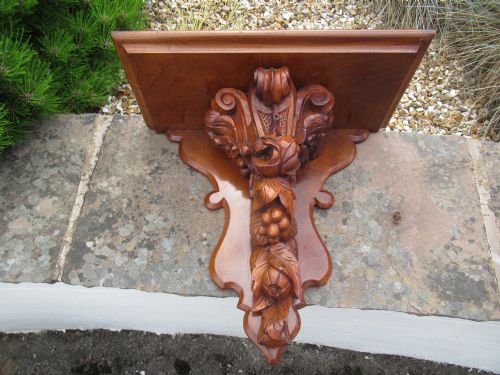
These carved walnut corbel pieces are robust architectural supports and sculptural wall ornaments that bring depth and historic character to any interior.
Carved Walnut Corbel
A carved walnut corbel functions as an architectural bracket or a striking wall sculpture, designed to project outward and support weight or simply adorn a surface. When you search for carved walnut corbel, you encounter a diverse selection of wall brackets, furniture elements, and standalone architectural salvage from various historic eras.
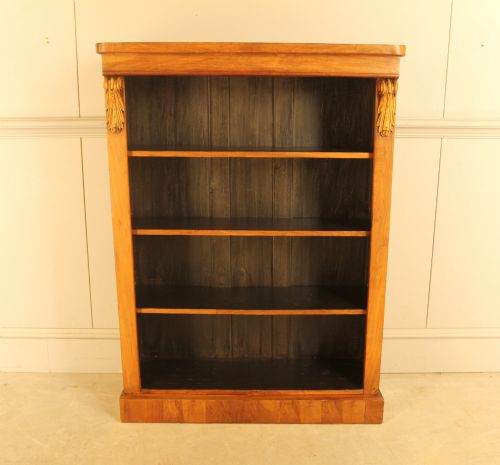
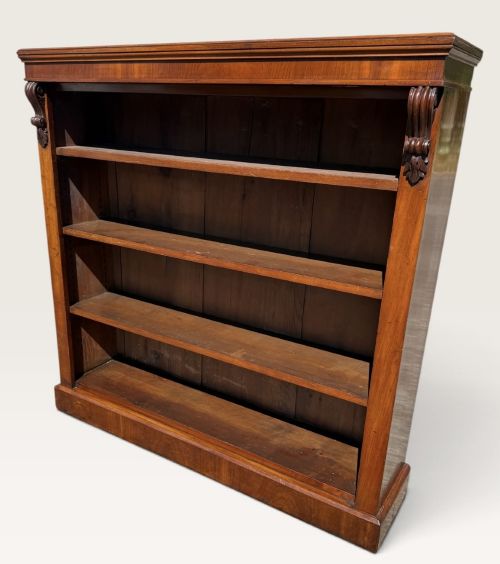
The pieces listed here span the seventeenth, eighteenth, and nineteenth centuries, taking forms such as wall brackets, bookcases, chests of drawers, and independent wood carvings. Victorian, Renaissance Revival, Baroque, and Black Forest styles appear frequently across the inventory, showcasing both British and continental European craftsmanship.
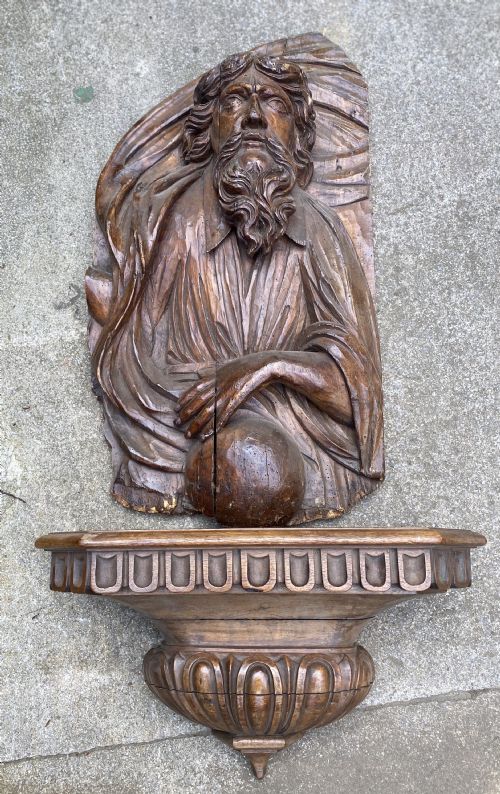
You are most likely to meet nineteenth-century examples, particularly Black Forest wall sculptures depicting animal heads alongside decorative Victorian display brackets. Earlier seventeenth-century religious figures and eighteenth-century lion heads also emerge, offering heavier sculptural presence and deeper patination.
How they were made
Hand carving defined the production of these items, employing gouges, chisels, and V-tools to model everything from naturalistic tiger heads to stylised architectural scrolls. Surface finishes relied on traditional waxes and oils that settled into the carved recesses, accentuating the natural dark tone and figuring of the timber over decades of handling.
What varies in quality
The distinction between ordinary and exceptional work rests entirely in the anatomical precision and spatial confidence of the carving. Master carvers achieved realistic tension in muscle structures and fur textures, whereas lesser hands produced stiff, flat surface decoration lacking three-dimensional depth.
The choice and figuring of the walnut timber itself dictates the baseline quality of the piece, with rich, richly grained heartwood holding crisp edges far better than softer secondary woods. Furthermore, the integrity of the surviving projection points and the depth of the original undercut relief separate high-status architectural salvage from standard decorative items.
Luigi Frullini
The Carved Walnut Corbel Glossary
- Corbel
- A structural piece of stone, wood, or metal jutting from a wall to carry a superincumbent weight. In woodwork, it often serves a purely decorative or display function.
- Black Forest
- A style of ornate wooden carving originating in Switzerland and Germany during the nineteenth century. These pieces typically depict local fauna such as bears, stags, and big cats with intense realism.
- Wellington chest
- A tall, narrow chest of drawers secured by a hinged locking stile on one side. The examples here utilise solid walnut and veneer construction typical of the mid-nineteenth century.
- Red walnut
- A North American or European variety of walnut prized for its warm reddish hue. It was frequently selected by nineteenth-century cabinet makers for architectural brackets and furniture.
- Architectural salvage
- Building elements rescued from demolition or remodeling for reuse. These items range from single carved corbels to entire sections of antique bookcases.
Carved Walnut Corbel: Frequently Asked Questions
What is a carved walnut corbel used for?
Originally designed to project from a wall and support heavy timber beams, mantels, or upper shelves, these architectural elements now function primarily as decorative wall brackets or display ledges.
Collectors also mount standalone animal heads and sculptural corbels directly onto walls as independent works of art rather than utilising them for structural support.
How do I date a carved walnut piece?
Dating relies on stylistic clues, tool marks left on the reverse, and the inherent characteristics of the walnut timber. Seventeenth-century items often display heavier religious motifs and hand- adzed backs, while nineteenth-century pieces tend toward naturalistic Black Forest animal carvings or revival styles.
Examining the depth of the patina and the oxidation of the wood grain helps confirm whether a piece belongs to the Georgian period or later Victorian revivals.
How should I hang a heavy wooden corbel?
Due to the substantial weight of dense walnut and pine backplates, secure wall mounting requires direct anchoring into timber studs or using heavy-duty masonry fixings. Many architectural pieces feature pre-bored mounting holes or rear brackets designed to bear the outward load safely.
Consulting a professional installer ensures the structural integrity of the wall can support the physical projection of the corbel.
What is the difference between walnut and red walnut?
Standard European and American walnut typically exhibits a rich chocolate brown colour with dark figuring, while red walnut displays distinct warm, reddish undertones within the timber grain. Both varieties offer the fine grain density required for crisp, deep hand carving.
Cabinet makers selected specific tones depending on the prevailing interior fashion of the century in which the piece was produced.