



Antique Corbel Shelf
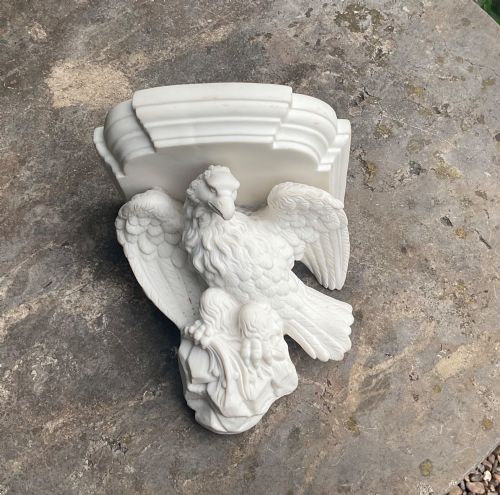
An antique corbel shelf provides sturdy projection from a wall, merging architectural support with decorative display.
Antique Corbel Shelf
An antique corbel shelf combines structural brackets with display surfaces, appearing as wall brackets, console shelves, and architectural salvage. These pieces emerge predominantly from nineteenth-century workshops, spanning Victorian, Georgian, and revival periods.
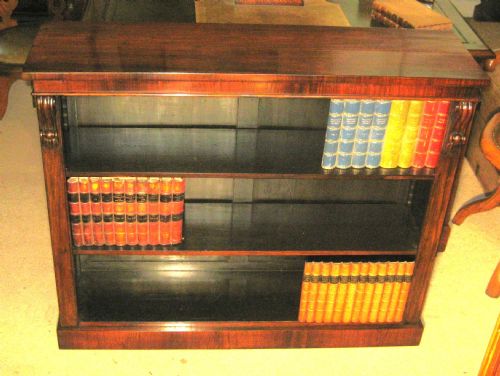
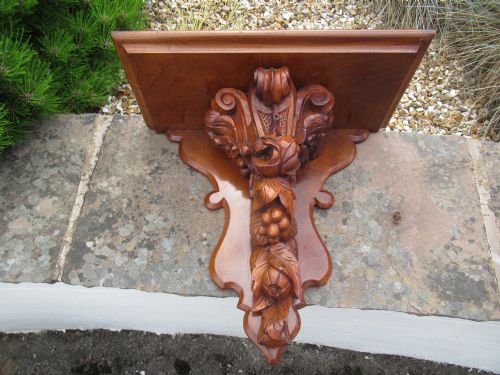
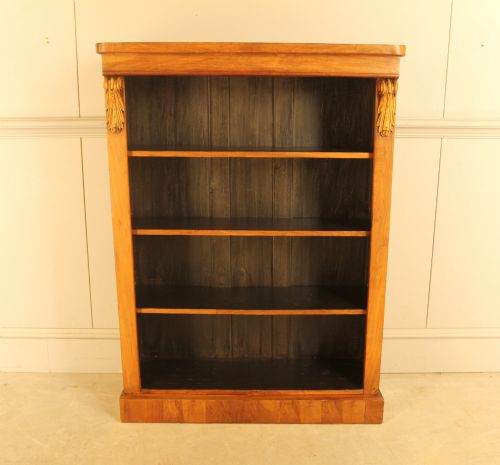
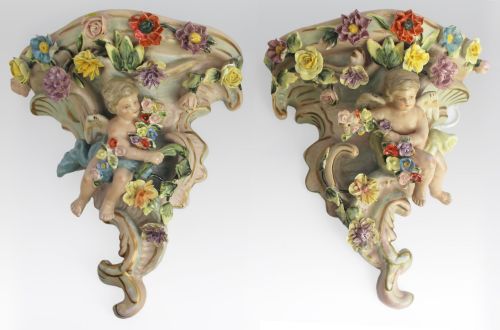
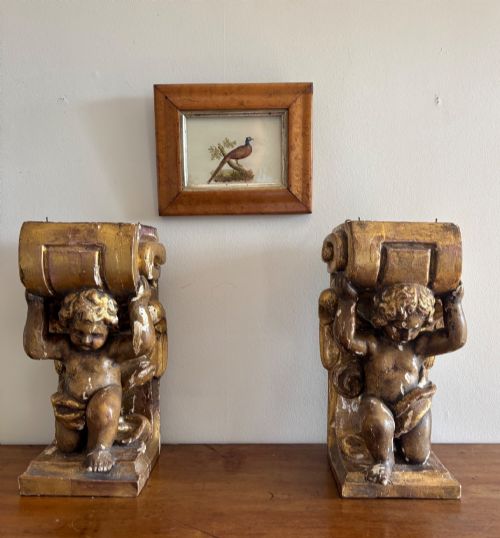
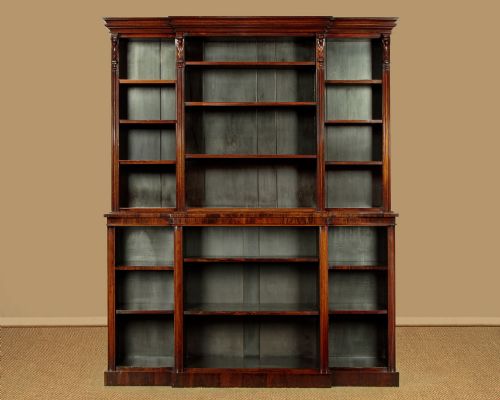
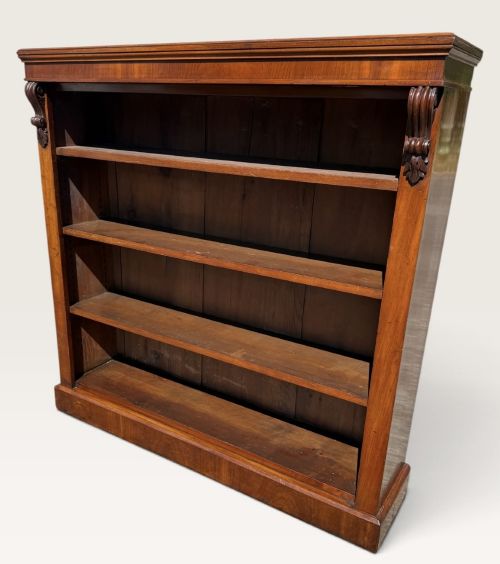
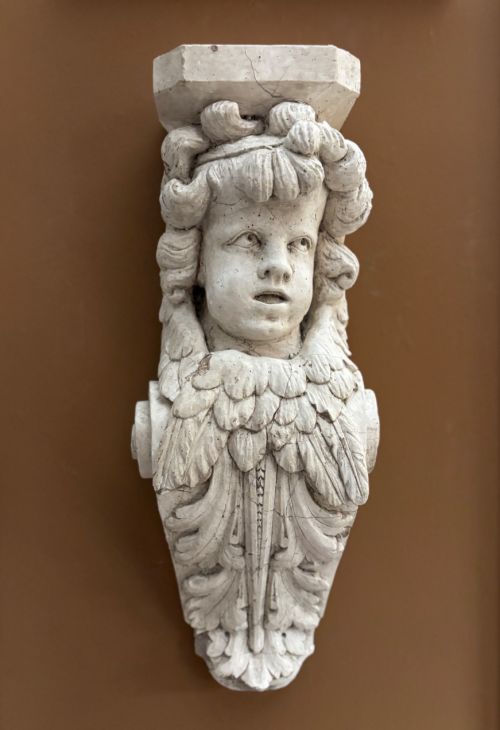
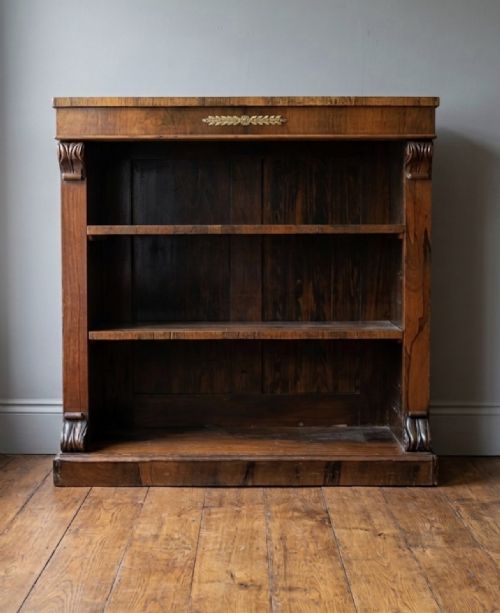
The selection ranges from carved wood wall brackets featuring cherubs and putti to open bookcases supported by decorative corbels. Buyers encounter diverse forms, from gilt terracotta and porcelain examples to heavy cast iron and wrought iron shelf brackets.
Origin and material define the visual weight of each piece, linking utilitarian shelf supports directly to ornamental woodworking and ceramic traditions. Pieces often reflect specific stylistic revivals, including Rococo, Baroque, and Anglo-Indian designs.
Materials and construction methods
Carved timber forms the backbone of these pieces, utilising woods such as rosewood, walnut, mahogany, pine, limewood, and red walnut. Artisans employed hand-carving techniques to shape complex architectural elements, paired occasionally with rosewood veneers.
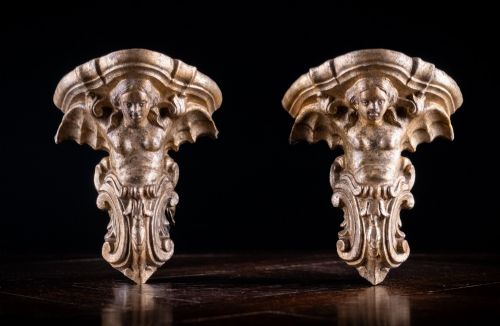
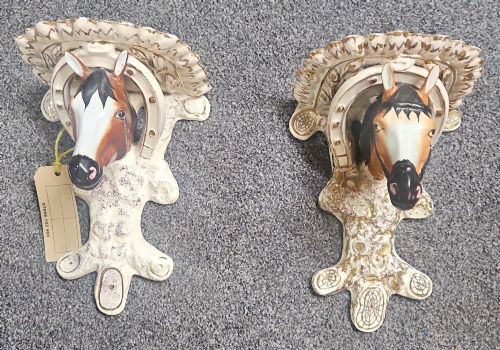
Gilded surfaces utilise gold leaf applied over gesso and carved wood bases, while other brackets incorporate terracotta, majolica, porcelain, and ormolu mounts. Iron and bronze shelf brackets demonstrate metal casting techniques used for industrial and domestic support.
Keep watch for winged sirens, cherubs, and even the devil himself lurking among the carved wooden supports.
Distinctions in quality
Selection of timber and finishing substances dictates longevity and visual resonance. Dense hardwoods like goncalo alves and rosewood, combined with meticulous gilding or polished wax surfaces, indicate higher workshop standards.
Luigi Frullini·Meissen·Minton·Staffordshire
The Antique Corbel Shelf Glossary
- Corbel
- A structural piece of stone, wood, or metal projecting from a wall to carry a weight. In shelf form, it combines this bracketed support with a flat top surface.
- Putto
- A figure of a small infant, usually naked and often winged, frequently carved into wooden or ceramic wall brackets of the nineteenth century.
- Gesso
- A plaster mixture used as a smooth base for paint or gold leaf on wood surfaces. It allows intricate relief work before gilding.
- Ormolu
- Gilded bronze applications used for decorative mounts on furniture and wall brackets. The technique involves mercury amalgamation on cast bronze.
- Breakfront
- A piece of furniture having a central section that extends forward from the flanking sections. This configuration often appears in larger open bookcases.
Antique Corbel Shelf: Frequently Asked Questions
How do I hang a heavy corbel shelf?
Heavy wooden and cast iron corbel shelves require direct fixing into masonry or solid wall studs using appropriate steel screws andrawlplugs. The weight of the shelf and any objects placed upon it demands secure anchoring behind the bracket.
Consult a professional installer if the wall construction is uncertain, as plaster alone cannot support the combined weight of antique wood, iron, or ceramic brackets.
What were wall brackets originally used for?
Historical interiors utilised wall brackets to elevate clocks, porcelain figures, and decorative urns above eye level. They served as cantilevered display pedestals in formal reception rooms.
Bookcase corbels provided structural reinforcement for open shelving laden with heavy volumes, distributing the downward load across the wall surface.
How do I clean antique carved wood?
Dust carved wooden surfaces gently with a soft, dry brush to remove particles from deep crevices. Avoid water, harsh detergents, or modern silicon polishes that damage aged wax and polish layers.
Feed dry timbers occasionally with a conservative application of quality beeswax, buffing lightly with a soft cloth to maintain the natural sheen of the wood.
How can I tell Victorian shelves apart?
Victorian pieces often display eclectic revivals, incorporating heavy walnut, rosewood, or cast iron with motifs drawn from Rococo, Baroque, and classical architecture. Maker marks, registration stamps, or ceramic factory imprints help narrow down production dates.
Examine the back fixings, tool marks, and wood ageing to distinguish mid-nineteenth-century manufacturing methods from later decorative reproductions.