




Carved Wood Corbel
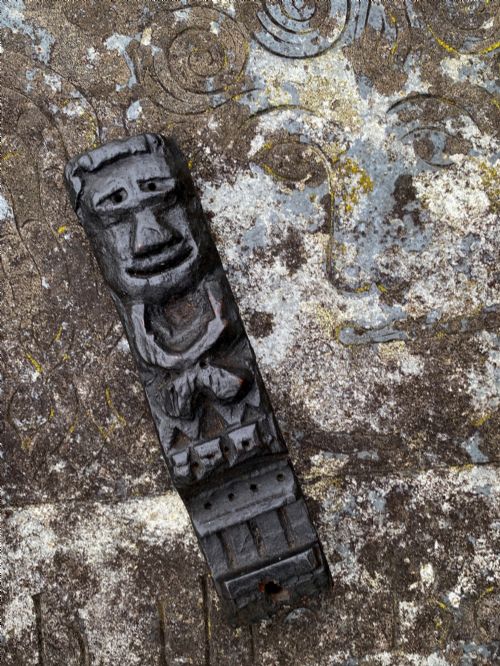
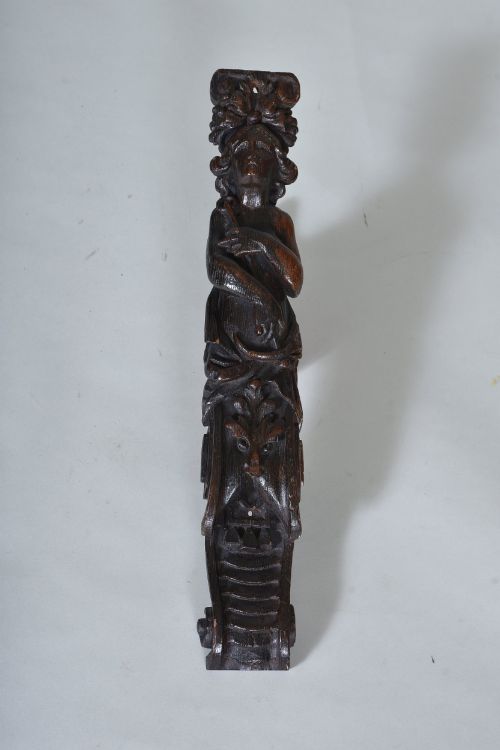
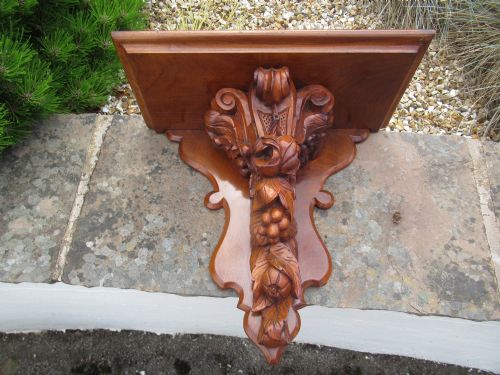
A carved wood corbel is a structural support turned decorative architectural element, offering both heft and intricate detail for the wall.
Carved Wood Corbel
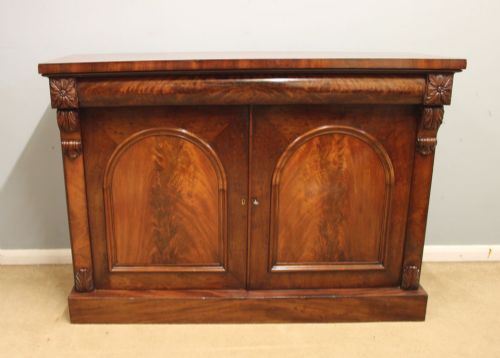
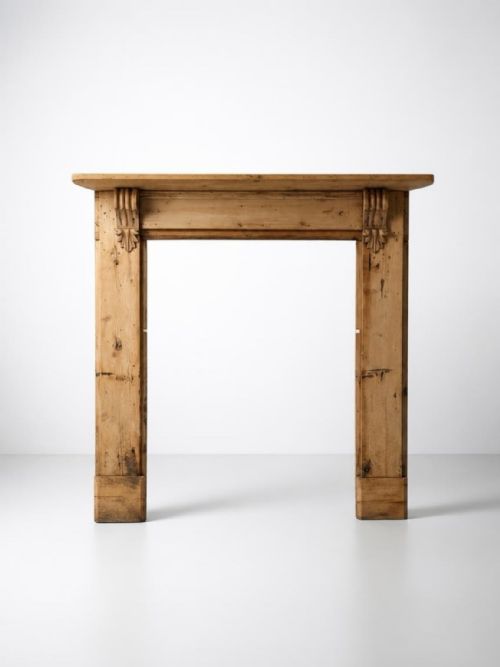
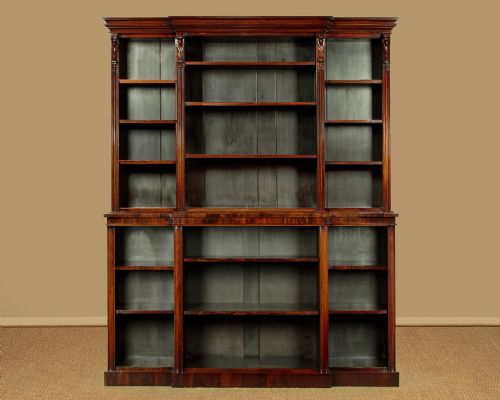
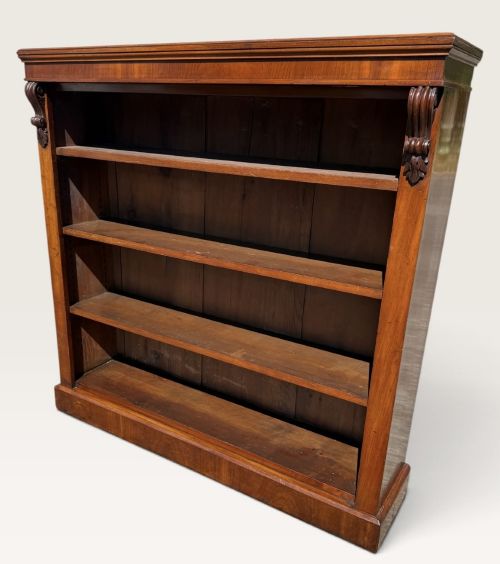
A carved wood corbel represents a structural timber or bracket adapted for interior display, emerging from periods ranging from the sixteenth century to the early twentieth. These items appear primarily as wall brackets, architectural carvings, and shelf supports alongside larger bookcases, sideboards, and fire surrounds.
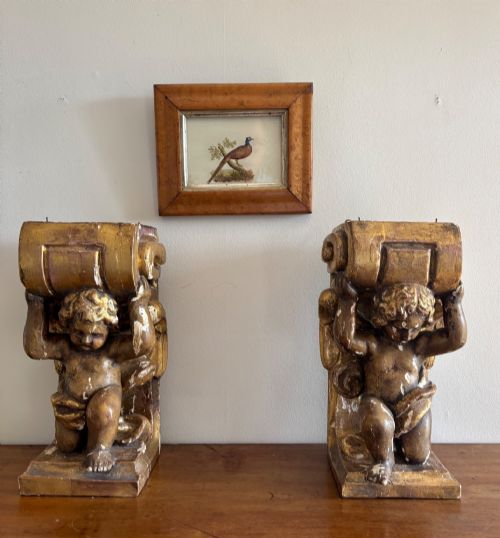
The selection encompasses diverse regional traditions, including Italian giltwood, Anglo-Indian woodwork, Black Forest carvings, and Flemish fragments. Buyers most frequently encounter nineteenth-century walnut, rosewood, and pine examples designed as functional wall brackets or decorative architectural salvage.
How they were made
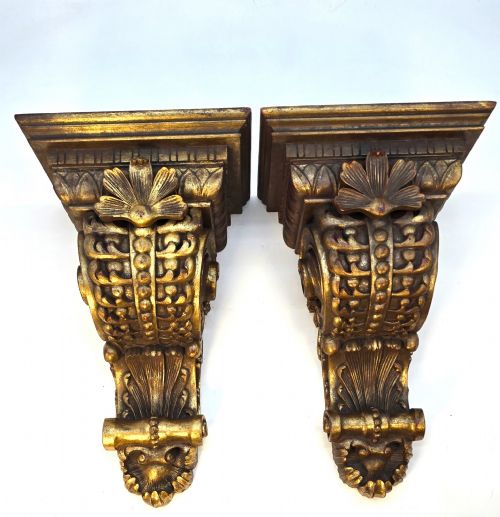
Artisans carved these supports from dense hardwoods such as oak, walnut, mahogany, rosewood, and fruitwood, allowing for crisp, deep relief work. Many examples incorporate applied gesso finished with gold leaf, creating a gilded surface that highlights the carved scrolls, foliage, and figures.
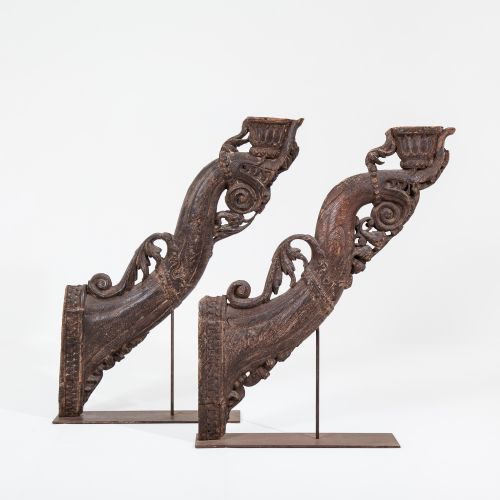
Makers utilised traditional hand chisels and gouges to shape the timber directly from architectural salvage or purpose-built blocks. The joinery and rear fixing points were engineered to bear weight when mounted to a wall as a bracket or shelf support.
Carved Wood Corbel Retail Price Guide 2026
Typical asking prices for carved wood corbel among the pieces listed under this phrase on Sellingantiques today, from the lower quarter to the upper quarter. They describe what is for sale here now, not the wider market.
Listings feature items spanning the 17th, 18th, and 19th centuries, alongside early 20th-century pieces.
What varies in quality
Depth of carving and sharpness of detail separate standard architectural elements from exceptional sculptural works. Pieces displaying master carvers' restraint and anatomical precision in figures or natural foliage command greater visual presence.
The integrity of the timber and the preservation of original gilt or polished wood surfaces dictate the standard of survival. Secondary treatments, excessive cleaning, and losses to protruding wooden elements alter the original character of the carving.
Luigi Frullini
The Carved Wood Corbel Glossary
- Corbel
- A structural piece of stone, wood, or metal jutting from a wall to carry a superincumbent weight. In decorative contexts, it functions primarily as a wall bracket or shelf support.
- Giltwood
- Timber that has been coated with gold leaf over a prepared gesso ground. This technique was widely utilised on Baroque and Rococo wall brackets to reflect candlelight.
- Architectural Salvage
- Building elements rescued from structures slated for demolition or alteration. These components range from individual timber carvings to complete fire surrounds.
- Gesso
- A plaster mixture used as a smooth base for painting or gilding on wood surfaces. It allows for crisp moulding details beneath gold leaf applications.
Carved Wood Corbel: Frequently Asked Questions
How were corbels used historically?
Corbels originally functioned as heavy load-bearing projections supporting ceiling beams, lintels, or balconies in masonry and timber architecture. Over subsequent centuries, smaller carved versions were mounted independently indoors to display clocks, porcelain, or busts.
By the Victorian era, pairs of decorative wall brackets served as structural shelf supports or ornamental architectural framing around rooms. Their dual nature combined utilitarian strength with elaborate sculptural display.
How do I mount a wall bracket?
Most antique wall brackets feature integrated rear hanging loops, screw holes, or flat backplates designed to sit flush against plaster or wood-panelled walls. Weight distribution depends on the density of the timber, with heavier hardwoods requiring secure wall anchors.
Professional installation ensures that the bracket's historical fixing points take the load safely without splitting the aged wood. Lighter giltwood or pine brackets may require simpler concealed wall brackets for stable display.
How can I tell the period?
Dating relies on stylistic markers, wood species, and tool marks visible on the unpolished reverse or carved surfaces. Sixteenth and seventeenth-century pieces typically feature heavy oak with deep, archaic chisel work, while nineteenth-century items often utilise rosewood or walnut with revivalist Baroque or Rococo details.
Patina, oxidation of the timber, and construction methods provide further evidence of age. Comparing the carving depth and motifs against documented architectural pattern books helps narrow down the decade.
How do I clean carved wood?
Maintenance requires gentle dusting with a soft, dry brush to remove particulate matter from deep crevices without abrading the surface. Water and chemical polishes should be avoided, particularly on antique gesso, giltwood, or dry-finish architectural pine.
Occasional application of microcrystalline wax helps protect bare hardwoods like walnut and oak from ambient humidity changes. Preserving the original dry surface patina is essential for maintaining the historical integrity of the carving.