



19th Century Carved Bracket
When you examine a 19th century carved bracket, you encounter sculptural woodwork designed to support objects or punctuate panelled walls with decorative weight.
19th Century Carved Bracket
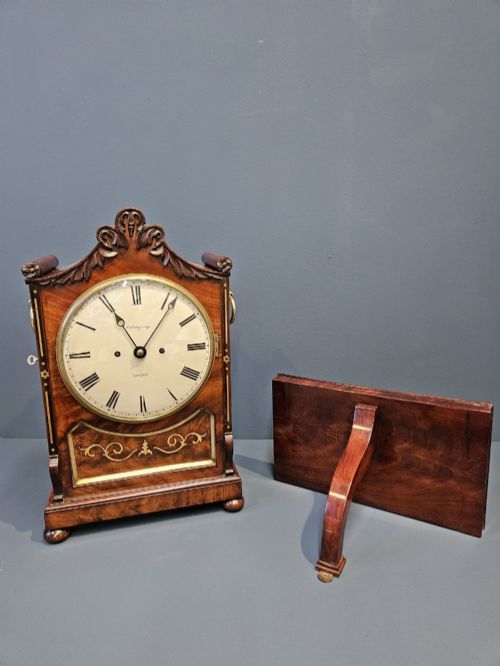
A 19th century carved bracket encompasses both architectural wall shelves and the heavy wooden cases built to house domestic timepieces. These pieces emerge in styles ranging from Rococo Revival and Gothic Revival to Anglo-Indian and French Chateau designs.
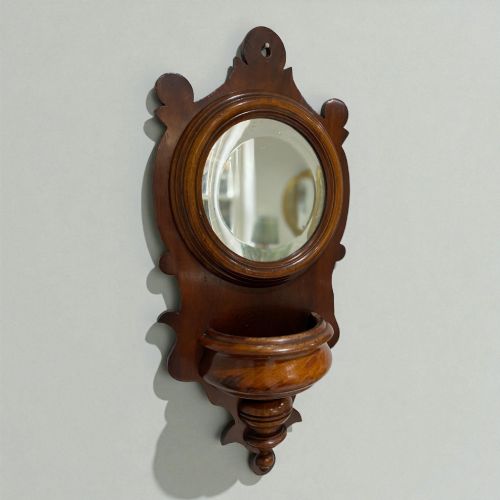
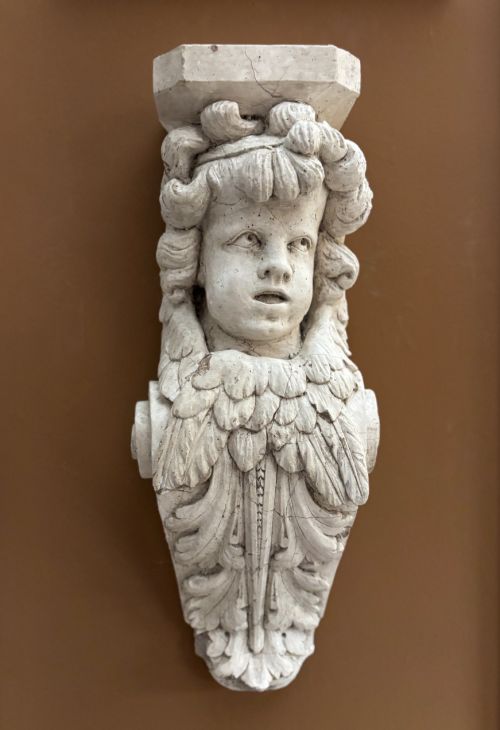
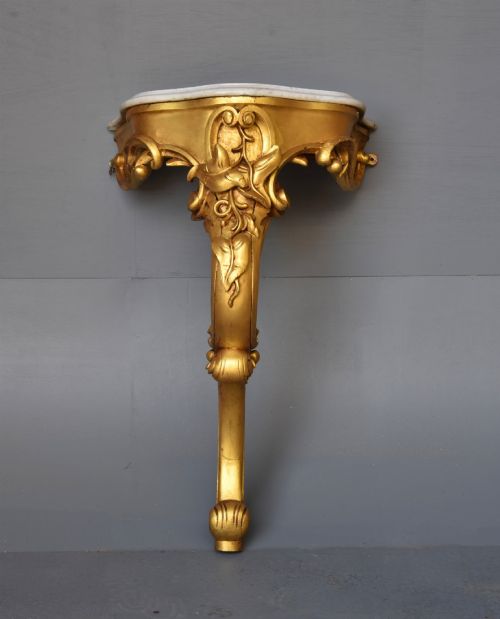
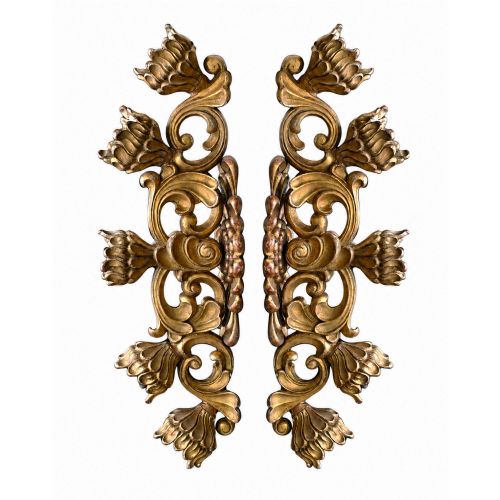
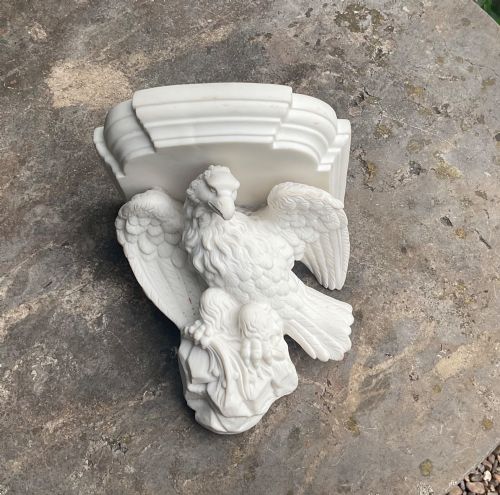
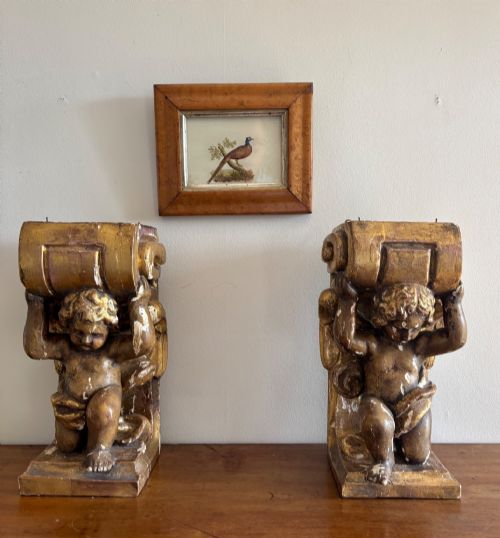
The architectural examples often take the form of wooden wall shelves, corbels, or display mounts carved from oak, walnut, and mahogany. Many pieces feature figural elements such as putti, eagles, green men, and mythical griffins.
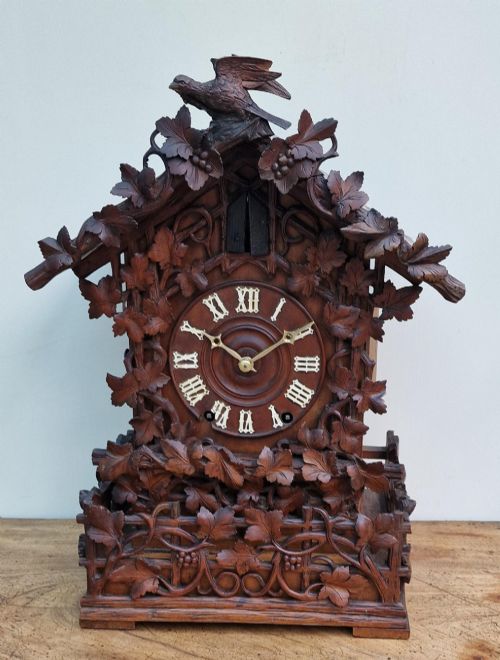
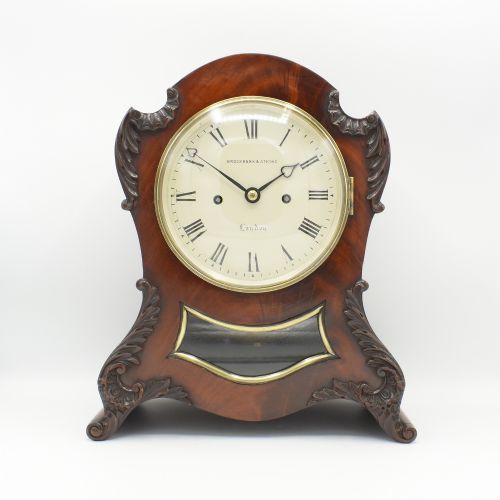
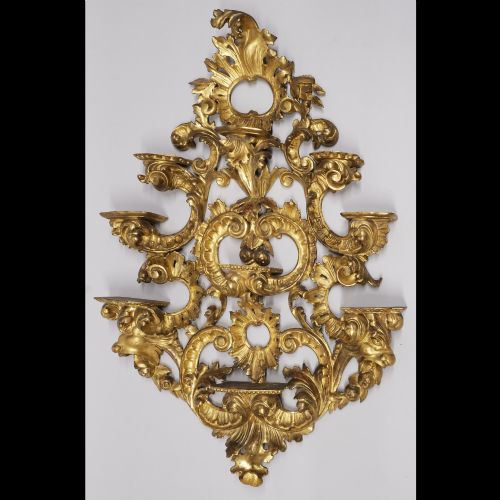
Clock brackets and wall mounts form a distinct category within these listings, frequently employing fusee movements inside mahogany or walnut enclosures. Buyers frequently encounter giltwood and gesso surfaces alongside dark timber carvings from the Black Forest region.
Materials and construction methods
Carvers utilised dense hardwoods including mahogany, walnut, oak, and ebony to achieve crisp relief work without splintering. Timber selection dictated the depth of the carving, with fine-grained woods supporting intricate undercut foliage and figures.
Giltwood and gesso finishes required a foundation of chalk or plaster applied over timber before the application of gold leaf. Movement housings relied on brass clockwork components assembled by specialist horologists working within regional workshops.
19th Century Carved Bracket Retail Price Guide 2026
Typical asking prices for 19th century carved bracket among the pieces listed under this phrase on Sellingantiques today, from the lower quarter to the upper quarter. They describe what is for sale here now, not the wider market.
Carvers occasionally hid miniature devils, green men, and medieval magicians amongst the foliage of ordinary domestic wall brackets.
Evaluating craftsmanship and condition
The distinction between ordinary production and superior execution lies in the depth and articulation of the chisel work. Fine examples display sharp undercut details in the foliage or plumage, whereas lesser pieces rely on shallow surface stamping or moulded composition ornament.
Surface preservation determines the integrity of antique woodwork and applied gilding. Pieces retaining their original gold leaf and untouched timber patination command greater attention than items stripped or subjected to modern refinishing.
George Wadham Bath·Brockbanks Atkins·Webster Cornhill London·Spurge Dunmow·Mappin Webb·Geo Carter Hackney·J A Wheatley Carlisle·Lenzkirch
The 19th Century Carved Bracket Glossary
- Fusee
- A conical pulley used in mechanical clocks to maintain even tension on the gear train as the mainspring unwinds. This mechanism is frequently found in quality nineteenth-century timepieces.
- Gesso
- A plaster-like mixture applied to wood surfaces as a preparation for gilding or painting. It provides a smooth base for the application of gold leaf.
- Corbel
- A structural or decorative bracket projecting from a wall to support a weight. In nineteenth-century interiors, these often took figurative forms such as putti or mythical beasts.
- Ormolu
- Gilded bronze used for mounts and decorative accents on furniture and clock cases. The technique involves applying a mercury and gold amalgam to a bronze base.
- Parcel-gilt
- Woodwork or furniture partially covered in gold leaf while leaving areas of the natural timber grain exposed. This technique highlights specific carved details.
19th Century Carved Bracket: Frequently Asked Questions
What is a fusee bracket clock?
A fusee bracket clock is a portable timepiece driven by a chain and a conical drum mechanism that ensures steady timekeeping power. These mechanical units were housed in polished timber cases designed to sit on tables or designated wall brackets.
Cabinetmakers built these clock enclosures using mahogany, walnut, or rosewood, often incorporating brass carrying handles and glazed side panels to display the movement.
How are wall brackets mounted?
Wall brackets generally feature pre-drilled fixing points, keyhole slots, or rear battens concealed within the backplate design. Secure installation requires fixing directly into structural wall studs or masonry using appropriate heavy-duty fasteners.
Because many carved wooden shelves carry significant weight from dense hardwoods or applied gesso, stable wall anchoring is essential for safe display.
What defines Black Forest carvings?
Black Forest carvings originate from central European forest regions and are characterised by realistic depictions of local wildlife, foliage, and game. These pieces frequently utilise lime wood or walnut to render detailed birds, stags, and woodland leaves.
Bracket designs from this tradition often incorporate projecting ledges supported by carved oak branches or animals rendered in high relief.
How do I care for antique giltwood?
Antique giltwood requires gentle dusting with a dry, soft artist brush to remove particles without disturbing the delicate gold leaf surface. Moisture and chemical cleaning agents must be avoided entirely to prevent lifting the underlying gesso.
Keeping these objects away from direct sunlight and fluctuating humidity protects the fragile chalk and gold layers from cracking over time.