
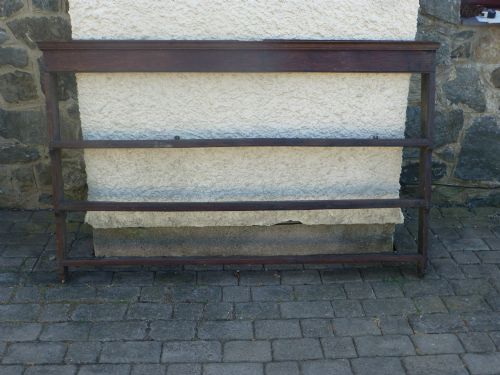
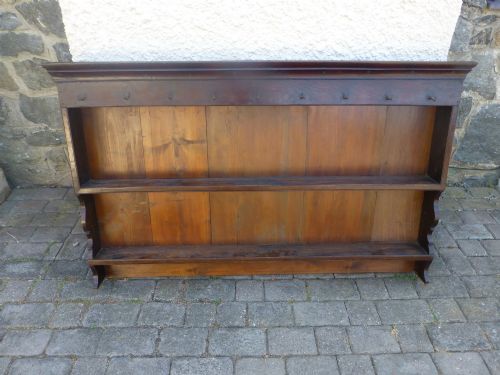
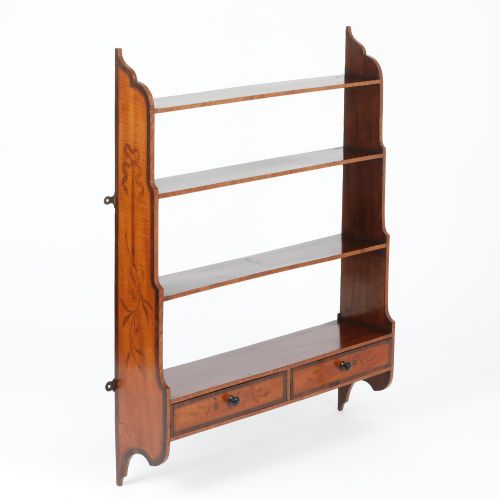
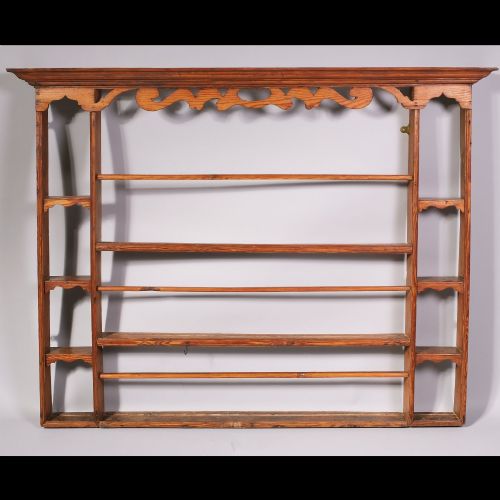


Georgian Wall Shelf
A georgian wall shelf organises domestic space with timber tiers, bringing vernacular utility and refined display together on the wall.
Georgian Wall Shelf
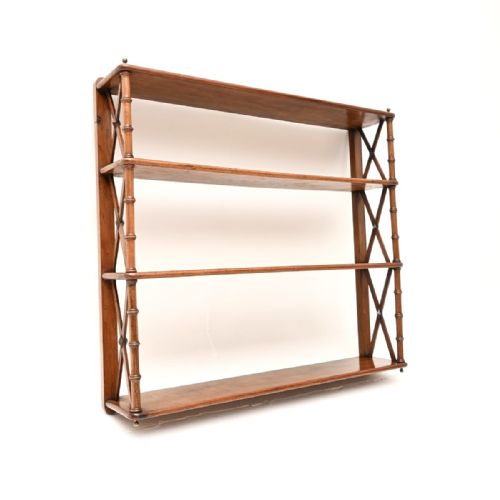
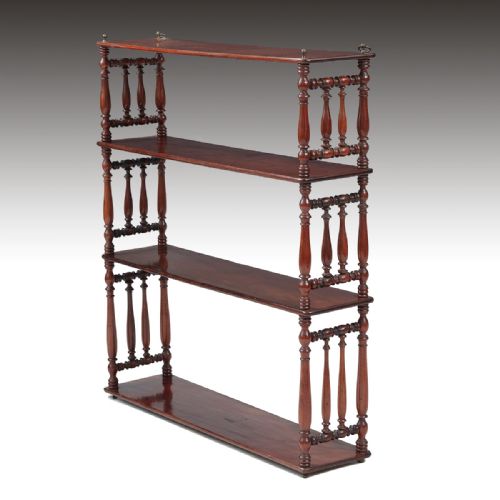
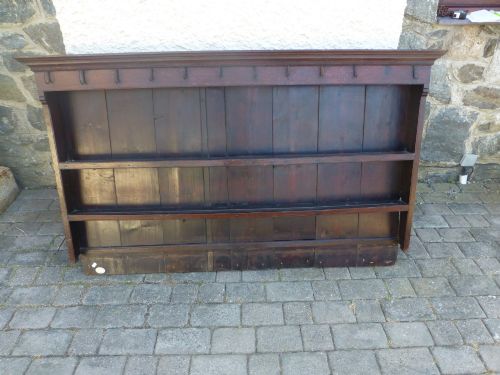
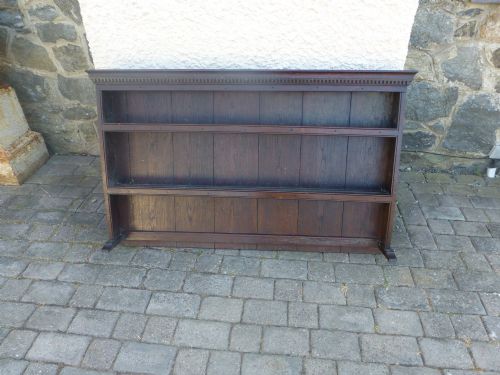
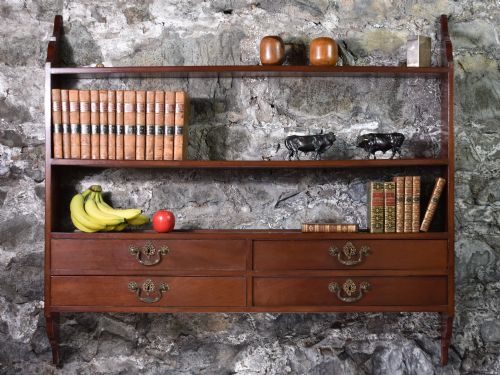
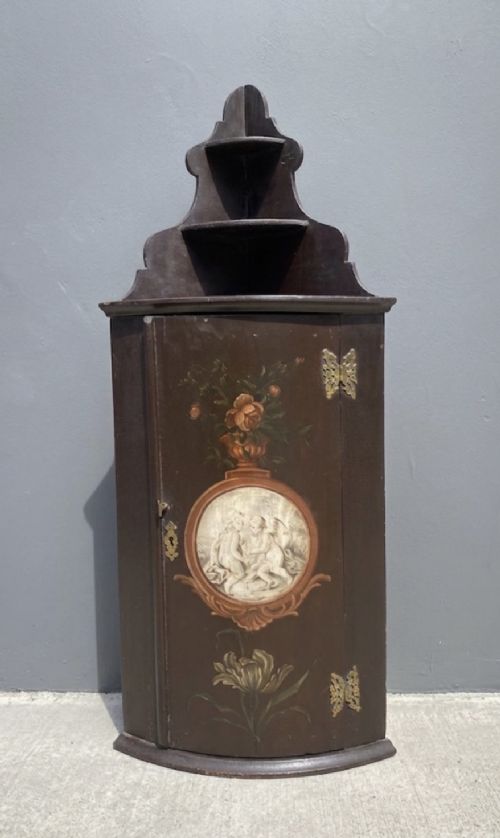
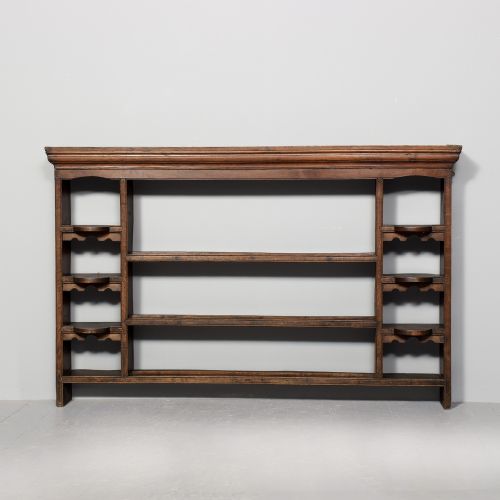
A georgian wall shelf encompasses hanging bookcases, plate racks, corner cupboards and tiered wall brackets designed to save floor space while displaying ceramics and books. These pieces span formal mahogany hanging shelves with delicate fretwork to robust oak and pine delft racks intended for provincial kitchens.
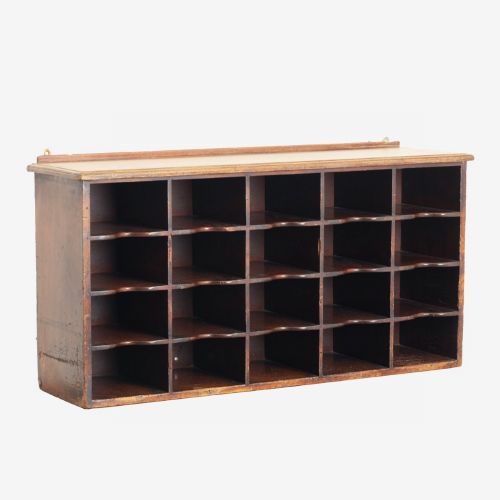
The domestic interior relies on these pieces for practical storage and display, appearing in formats ranging from three-tier hanging units to glazed corner cabinets and portable desktop pigeon holes. Surviving examples demonstrate how past households utilised vertical surfaces for everyday utensils and treasured volumes alike.
Buyers encounter variations tied to the period, running from eighteenth-century country oak pieces with architectural columns to Regency mahogany designs augmented by brass fittings. Later revival items from the nineteenth century continue the idiom using traditional timber stocks and proportions.
Standards of Execution and Preservation
Quality rests in the harmony of proportion, the crispness of carved details such as fretwork or corbels, and the integrity of the timber. Superior pieces exhibit tight joinery, original backboards and timber surfaces that retain their historic patina without aggressive modern intervention.
Utility pieces depend on honest wear and structural soundness, whereas formal mahogany and satinwood examples demand refined edge-mouldings and precise cabinet work. The presence of original brass hanging loops, working locks on cupboard doors and intact glazing bars elevates the standing of any specimen.
Listings feature oak, mahogany, pine and satinwood spanning the eighteenth and nineteenth centuries.
The Georgian Wall Shelf Glossary
- Delft rack
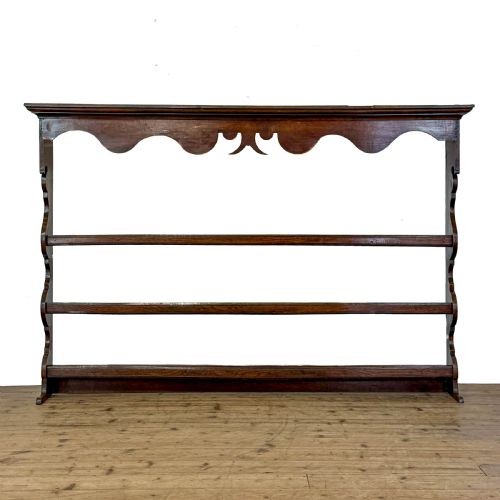
- A wall-mounted timber framework with slats or grooves designed specifically to display ceramic plates upright. These pieces commonly feature plate rails and narrow shelves.
- Fretwork
- Openwork ornamentation carved in low relief from thin boards, often seen in the pediments or brackets of hanging shelves. This technique introduces decorative lightness to dense timber.
- Hanging shelves
- Multi-tiered open shelving units constructed to be secured directly to a wall rather than resting on the floor. They frequently incorporate small drawers at the base.
- Whatnot
- A piece of freestanding or wall-mounted furniture consisting of several open shelves placed one above another. The term gained widespread currency during the nineteenth century.
Georgian Wall Shelf: Frequently Asked Questions
How do I hang a heavy timber wall shelf safely?
Heavy oak and mahogany shelves require direct fixing into wall studs or solid masonry using appropriate load-bearing screws and brackets. Historic hanging points on the piece should be inspected to ensure the timber remains strong enough to support the weight.
Distributing the load evenly across multiple fixing points prevents strain on the original backboards and joints. Professional installation is advisable for large eighteenth-century plate racks loaded with ceramics.
Were these shelves meant for books or plates?
Function depended entirely on the room and the trade of the maker, with deeper shelves accommodating octavo volumes and shallow tiers serving kitchen delftware. Plate racks include specific retaining rails or grooves to keep ceramic rims secure against the wall.
Many versatile forms handled both roles across their lifespan, moving from formal libraries to informal dining spaces as household needs shifted.
How can I tell eighteenth-century oak from later revival pieces?
Eighth-century oak exhibits distinct hand-tool marks, pegged joinery, and timber shrinkage consistent with age and hand-sawing. The patina develops deep warmth through generations of waxing and handling.
Revival pieces from the late nineteenth or twentieth century often display machine-cut uniformity and modern adhesives hidden within the construction. Examining the backboards and secondary woods usually clarifies the manufacturing era.
What is the difference between a wall bracket and a shelf?
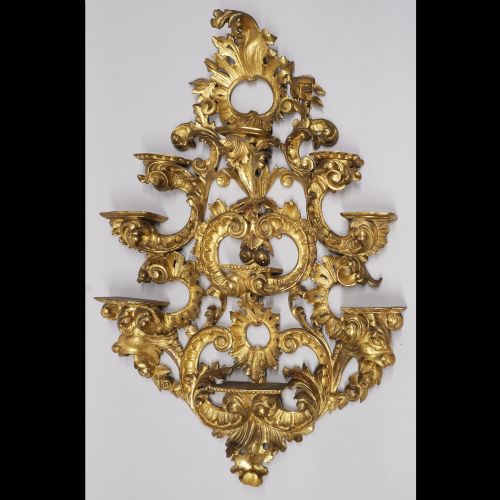
A wall bracket typically consists of a projecting structural support designed to hold a single decorative object, clock, or bust rather than offering continuous shelf tiers. These architectural elements often feature rich carving, gesso work, or giltwood finishes.
Shelves provide horizontal running surfaces divided into tiers for storing multiple items in domestic settings. Brackets serve a more sculptural and focal role on the wall.