




Victorian Mahogany Bracket
These pieces of victorian mahogany bracket heritage combine precision timekeeping with rich timber grain.
Victorian Mahogany Bracket
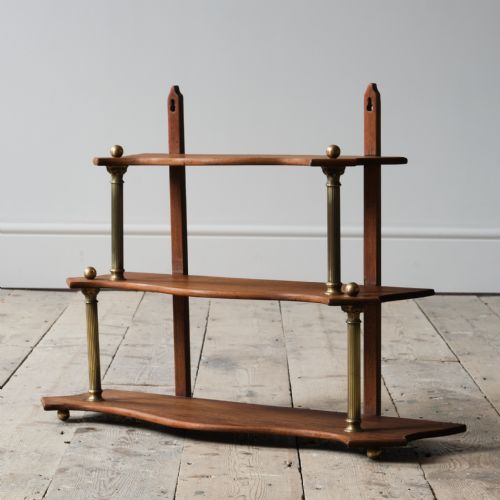
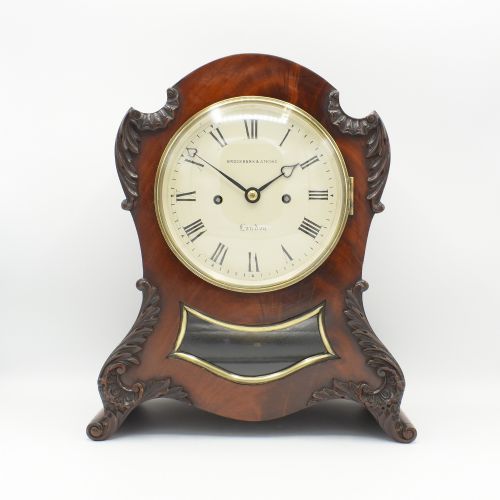
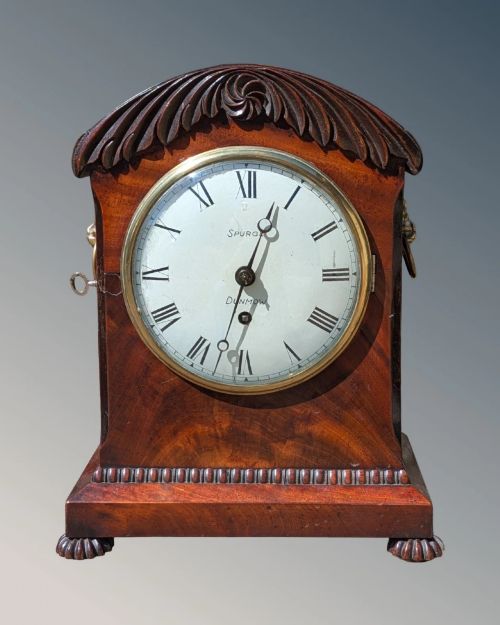
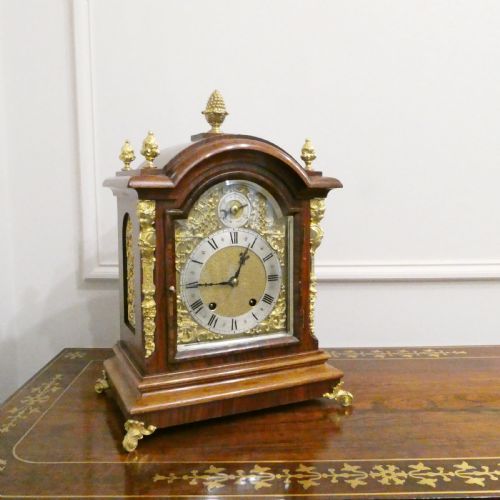
When you search for a victorian mahogany bracket, you encounter horological pieces and architectural supports originating from the nineteenth century. The horological examples include mantel clocks, bracket clocks, and fusee table clocks housed in dense timber cases. You also find wall shelves, carved corbels, and supporting brackets designed for display purposes.
The objects span periods from the early nineteenth century through to nineteen hundred, with a strong concentration of mid to late Victorian items. Cabinet makers and clockmakers utilised imported timbers alongside regional styles to produce these functional and decorative home accessories.
How they were made
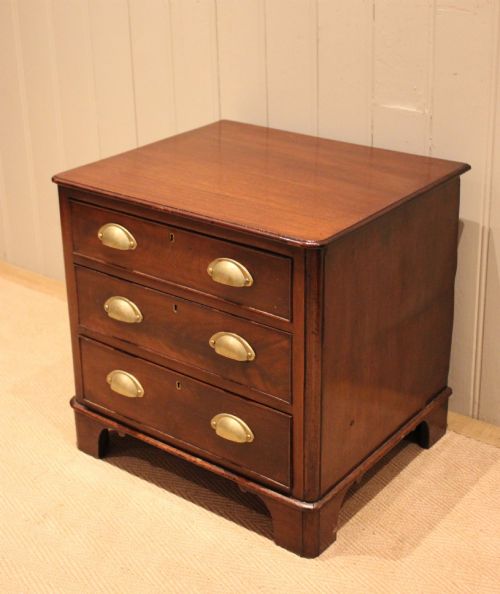
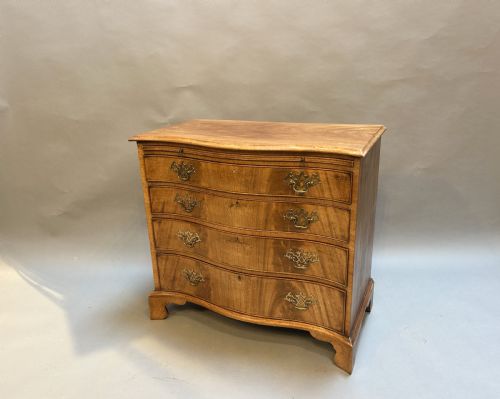
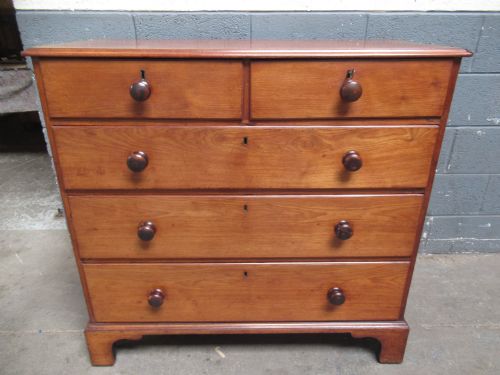
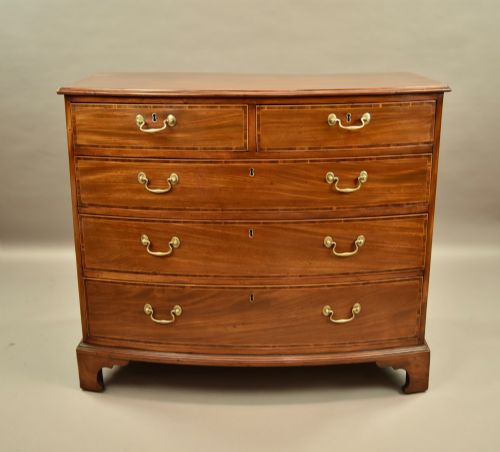
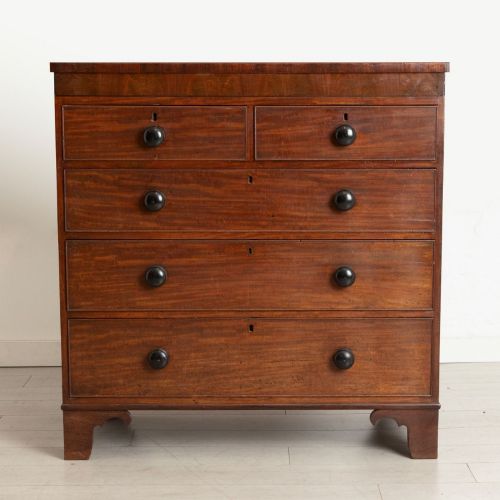
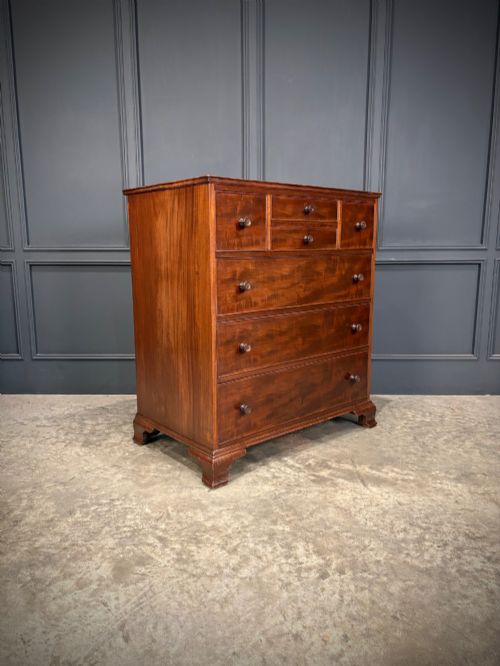
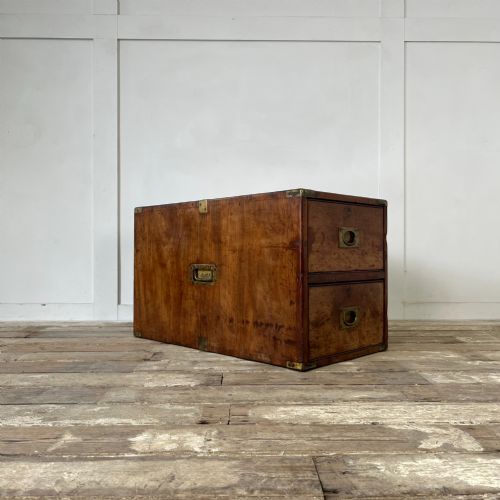
The physical construction relies heavily on solid mahogany and wood veneers applied to secondary woods like pine or oak. Cabinet makers employed bracket feet, wood inlay, and carved ornamentation to enrich the surfaces of chests and shelves.
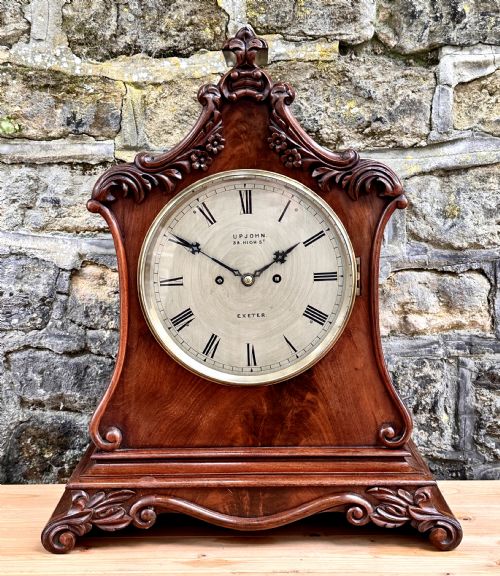
Clockmakers fitted brass movements, including fusee and ting tang mechanisms, into the timber housings. Glass panels and enamel dials were integrated into clock designs to protect the working parts while allowing clear visibility.
Listings feature items spanning the Victorian, Regency, and Georgian periods, utilising mahogany, brass, glass, and enamel.
What varies in quality
The distinction between standard items and superior examples rests on the crispness of the timber carving and the complexity of the internal clock movements. Twin fusee mechanisms and signed dials by known makers elevate the standing of a clock.
Cabinet work shows variation in the selection of figured mahogany veneers and the precision of joint construction. Pieces featuring intact brass fittings and original dial glass retain greater integrity.
Brockbanks and Atkins·Webster Cornhill London·Spurge Dunmow·Waring and Gillow·Schneckenburger·Mappin and Webb·Bryson Edinburgh·Wilkinson Leicester·Piggin Norwich·Geo Carter Hackney·Walker·Dent·J W Benson·John Bennett of Cheapside London·J J Elliott London
The Victorian Mahogany Bracket Glossary
- Fusee
- A conical pulley used in clock movements to maintain even tension on the chain as the mainspring unwinds. This mechanism improves timekeeping accuracy across the power reserve.
- Bracket foot
- A furniture foot shaped like a bracket, supporting the corners of chests and cabinets. It lifts the carcass off the floor with a clean architectural profile.
- Ting tang
- A striking clock mechanism using two bells to sound the quarters. It produces a distinctive dual tone before the hour strike.
- Corbel
- A structural or decorative bracket projecting from a wall to support a weight. Carved wooden versions serve as ornamental wall shelves.
- Dial
- The face of a clock displaying hours and minutes. Enamel or painted variants provide a clear reading surface behind glass bezels.
Victorian Mahogany Bracket: Frequently Asked Questions
What is a fusee clock movement?
A fusee movement uses a conical drum and a chain to regulate the pull of the mainspring. This mechanical setup ensures consistent force is delivered to the gear train as the spring unwinds.
Such movements are typically found in better quality nineteenth century English clocks. They represent a standard of horological craftsmanship prized by collectors.
How do I mount a wall bracket?
Wall brackets and hanging shelves require secure fixings into wall studs or solid masonry to support their weight. The original hanging points on the timber backplates guide the placement of screws.
Ensure the wall material can bear the load of dense mahogany timber before hanging the piece.
How do I date a Victorian clock?
Dating relies on stylistic clues in the mahogany case, the shape of the dial, and signatures on the movement backplate. Makers often inscribed their names and towns directly onto the brass work.
Comparing the case design with documented periods helps narrow the decade of manufacture.
Are these clocks suitable for daily use?
These antique timepieces function well in modern homes provided they receive regular servicing by a qualified horologist. Twin fusee movements require careful winding and occasional cleaning to maintain accuracy.
Placing them away from direct sunlight and drafts preserves the mahogany polish and timber stability.